For more information about senior living options: (866) 208-4318
4.7 from 33 reviews
5 stars
29
4 stars
1
3 stars
1
2 stars
1
1 stars
1
Linus Oakes Village Costs & Pricing
Linus Oakes Village offers competitive pricing for its residential units, especially when compared to the broader market in Douglas County and the state of Oregon. For a one-bedroom unit, residents at Linus Oakes Village pay $2,401 per month, significantly lower than the county average of $3,654 and the state average of $3,904. Similarly, the two-bedroom option at Linus Oakes Village is priced at $2,900, which again presents a more affordable choice compared to Douglas County's average of $3,946 and Oregon's average of $4,436. This positioning not only highlights Linus Oakes Village as a cost-effective alternative but also underscores its commitment to providing quality living solutions within an accessible price range.
Floor plans
Linus Oakes Village
Douglas County
Oregon
1 Bedroom
$2,401
$3,654
$3,904
2 Bedrooms
$2,900
$3,946
$4,436
Independent Living communities with a similar price nearby
Residents consistently describe staff as friendly, supportive, and hands-on with residents and families.
Across the reviews, residents and visitors repeatedly point to staff friendliness and responsiveness, describing the community as welcoming from the moment you arrive. Multiple reviewers also highlight leadership that stays engaged day-to-day, stepping in to help rather than only delegating. A few reviews also mention staff making time to answer questions patiently, including during tours and transitions for families.
common8 reviews mention this
Dining is a frequent high point
Dining gets frequent praise, including special-diet attention and restaurant-style meals.
Many reviewers talk about meals in positive terms, noting varied menus, good flavor, and a restaurant-like dining setup. Several comments also call out support for special diets, including low-sodium and other dietary needs, and describe staff being available for food-related requests. One review is more critical about meal quality and variety, contrasting with the overall positive dining experience described elsewhere.
common7 reviews mention this
Campus feel and cleanliness get praise
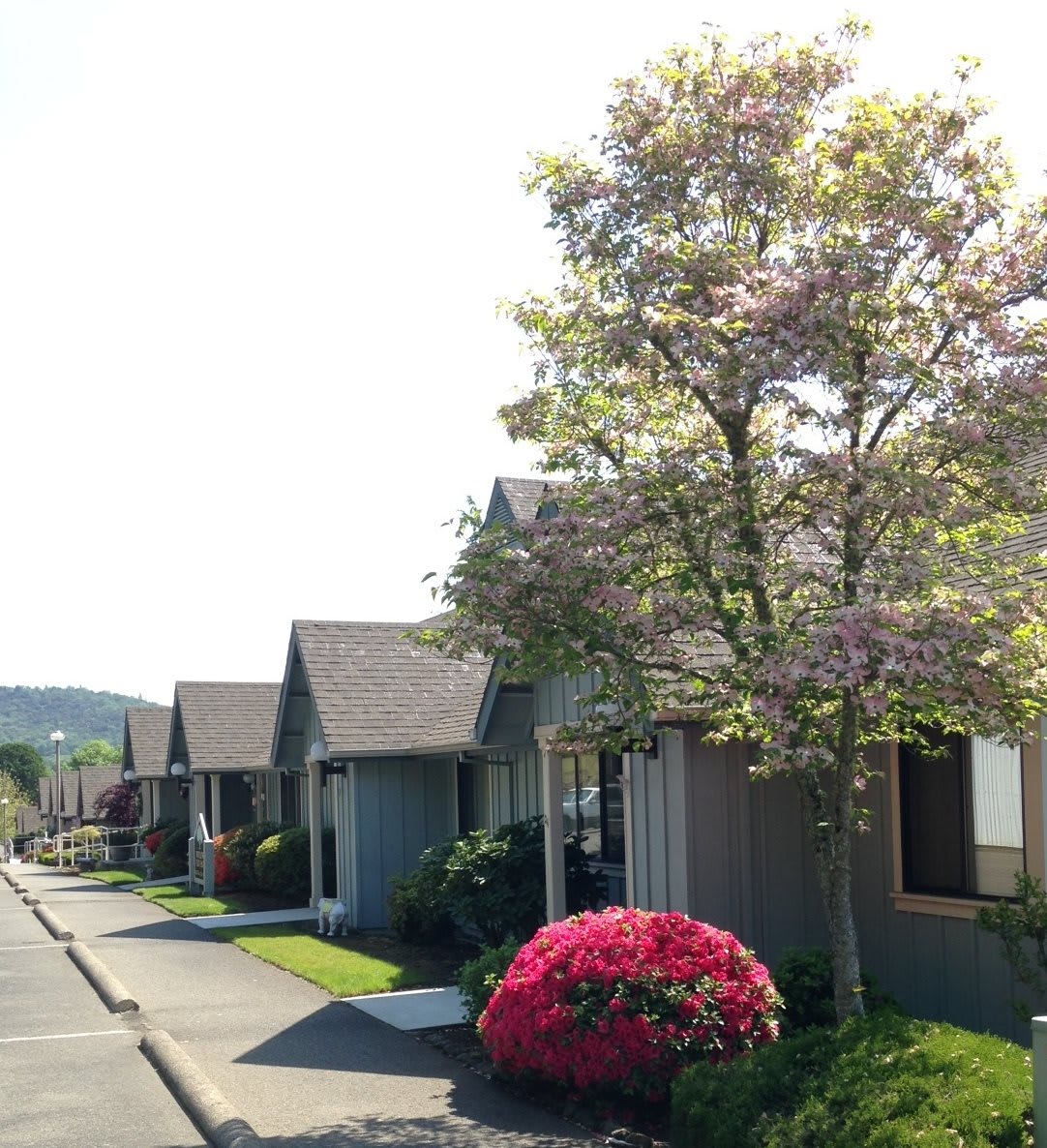
Reviews describe a well-kept campus with a home-like, comfortable feel.
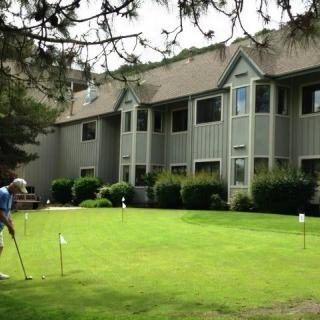
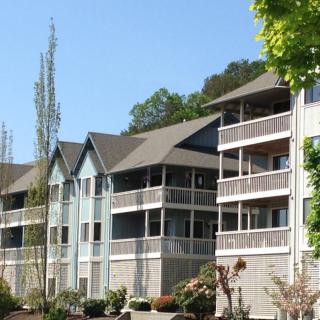
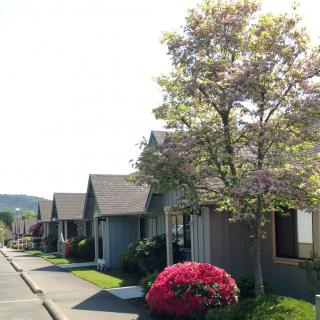
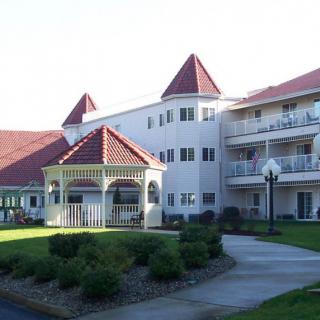
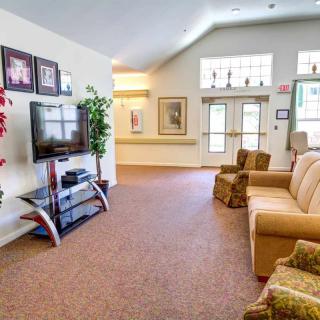
Several reviewers comment on the community’s grounds, cleanliness, and overall appearance, describing the facility as maintained and thoughtfully designed. A few also mention the atmosphere feeling more like a welcoming community than a typical facility, and some point to attractive interior spaces. Taken together with residents’ comments, the visual upkeep and comfort appear to be recurring strengths.
common2 reviews mention this
Activities and on-site conveniences
Residents mention regular social activities plus practical on-site options.
Some reviews highlight opportunities to get together with peers through events like bingo and holiday parties. They also describe on-site conveniences such as a beauty shop and transportation for doctor appointments and outings. Pet-related details come up too, with reviewers describing that dogs are welcomed and there are ways to walk them outdoors.
caveat2 reviews mention this
Maintenance problems hurt confidence
Some reviews raise concerns about maintenance reliability, especially elevators.
While many reviews are positive, a couple of commenters focus on maintenance breakdowns that affected daily access and routines. One review describes elevators going out and taking weeks to repair, and another mentions ongoing elevator issues and delays. These concerns also overlap with dissatisfaction about certain services for meal access and time spent waiting for repairs.
How we summarize
Counts show how many written reviews mention each theme; a review can touch several themes, and only frequently mentioned themes are displayed.
Features
Types of Care
Independent Living
Pets
Cats allowed
Dogs allowed
Amenities
Activities off-site
Activities on-site
Air-conditioning
Bath tubs
Beautician on-site
Devotional services off-site
Devotional services on-site
Full kitchen
Ground floor units
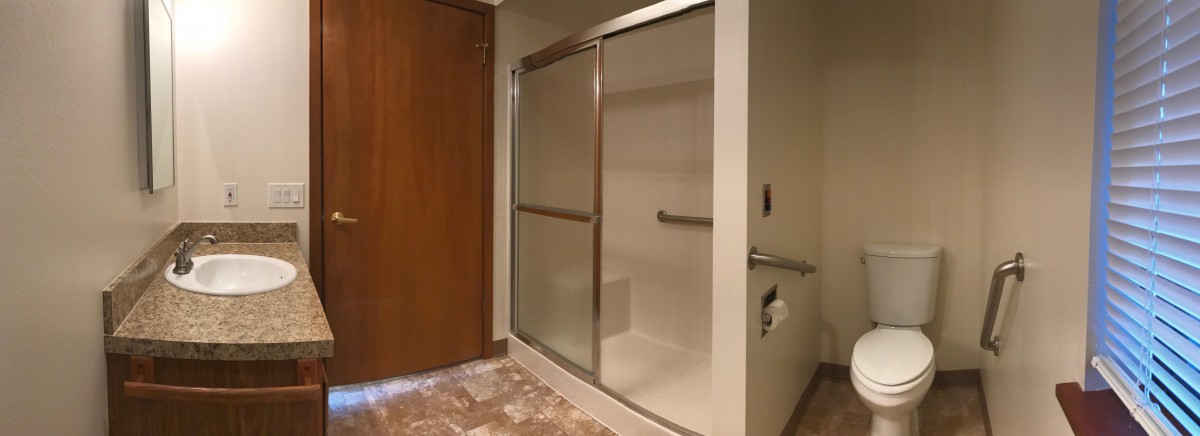
Handicap accessible
Indoor common areas
Kitchenette
Outdoor common areas
Wi-Fi/high-speed internet available
Dining
Gluten-free
Guest meals
International cuisine
Low / no sodium
Meals provided
No Sugar
Restaurant style dining
Room service
Vegan
Vegetarian
Activities
Art classes
Catholic services
Day trips and outings
Devotional activities offsite
Devotional activities on-site
Happy hour
Live dance or theater performances
Live musical performances
Protestant services
Stretching classes
Visiting chaplain or priest
Wine tasting
Videos
Nearby Places of Interest
This area of Roseburg, Oregon is a convenient location for senior living, with various healthcare facilities such as Roseburg Internists, Shaw Heart and Vascular Center, and Mercy Medical Center all within close proximity. There are also several pharmacies nearby including Albertsons Pharmacy and Rite Aid for easy access to medications. In terms of dining options, there are familiar chains like McDonald's and Applebee's as well as local favorites like Blac-N-Bleu Bistro. For recreational activities, seniors can enjoy movies at Garden Valley Cinema 8 or relax at the nearby parks such as Gaddis Park and Stewart Park in Roseburg. The community also offers a range of places of worship for spiritual needs and transportation options like U-Haul for convenience. Overall, this area provides a well-rounded environment for seniors looking for a comfortable and accessible place to live.
Linus Oakes Village offers competitive pricing for its residential units, especially when compared to the broader market in Douglas County and the state of Oregon. For a one-bedroom unit, residents at Linus Oakes Village pay $2,401 per month, significantly lower than the county average of $3,654 and the state average of $3,904. Similarly, the two-bedroom option at Linus Oakes Village is priced at $2,900, which again presents a more affordable choice compared to Douglas County's average of $3,946 and Oregon's average of $4,436. This positioning not only highlights Linus Oakes Village as a cost-effective alternative but also underscores its commitment to providing quality living solutions within an accessible price range.
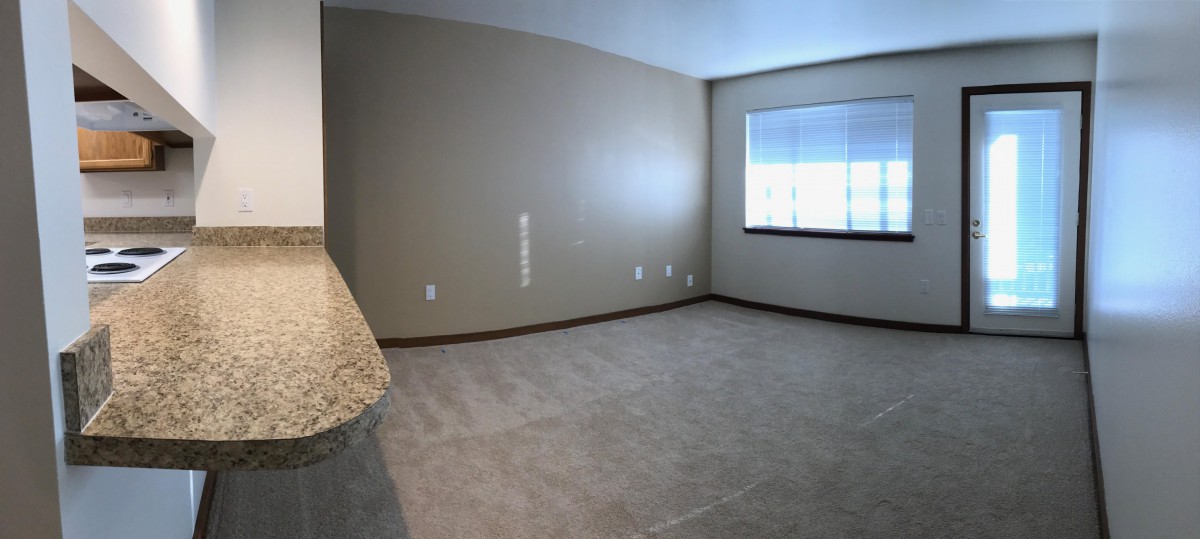
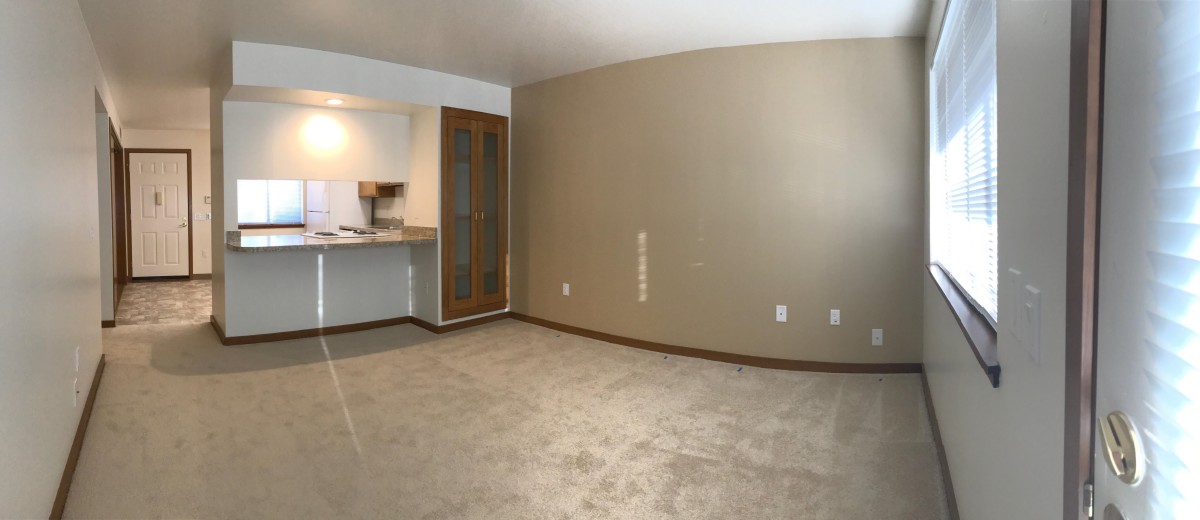
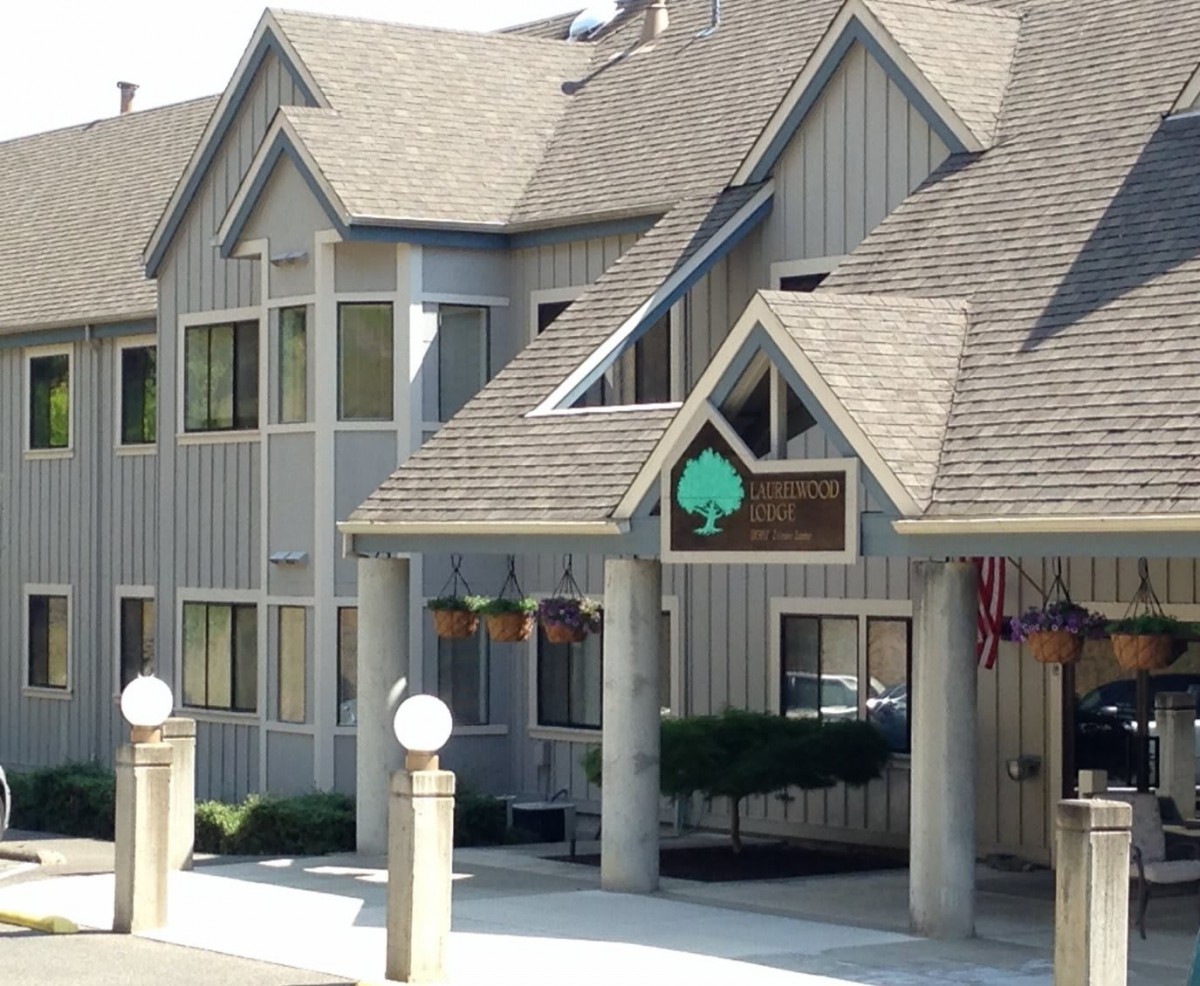
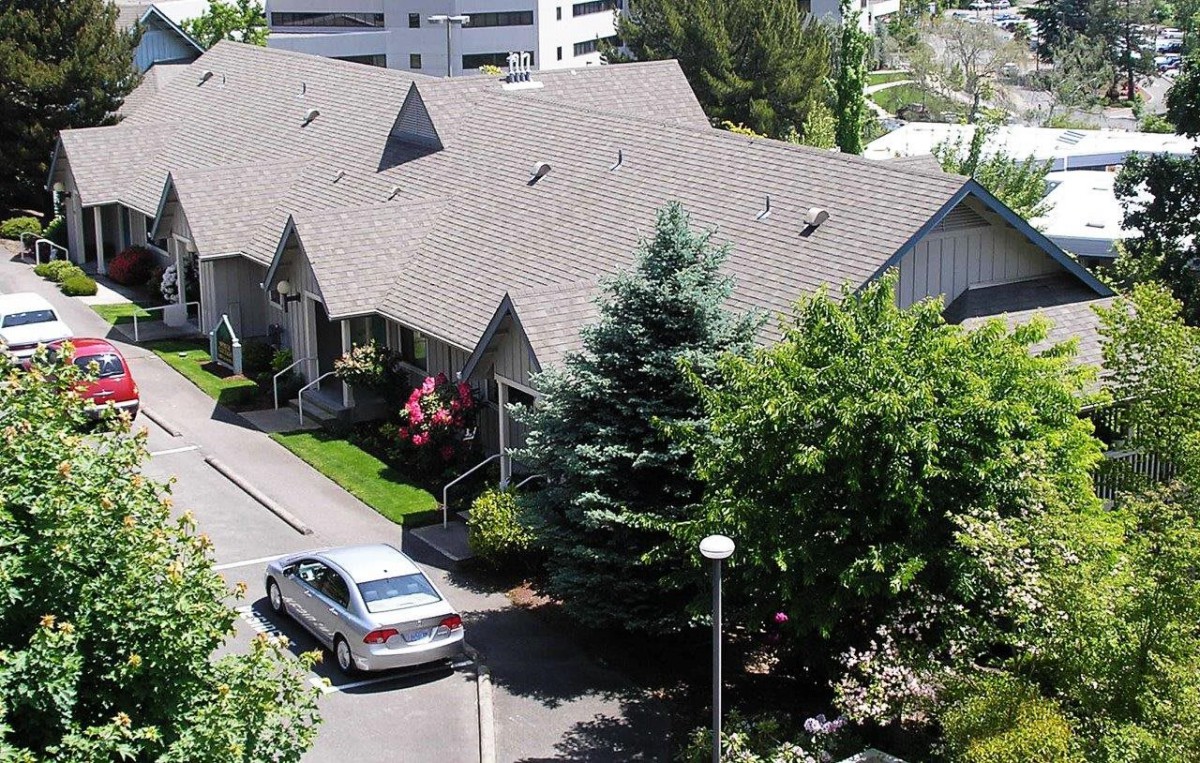
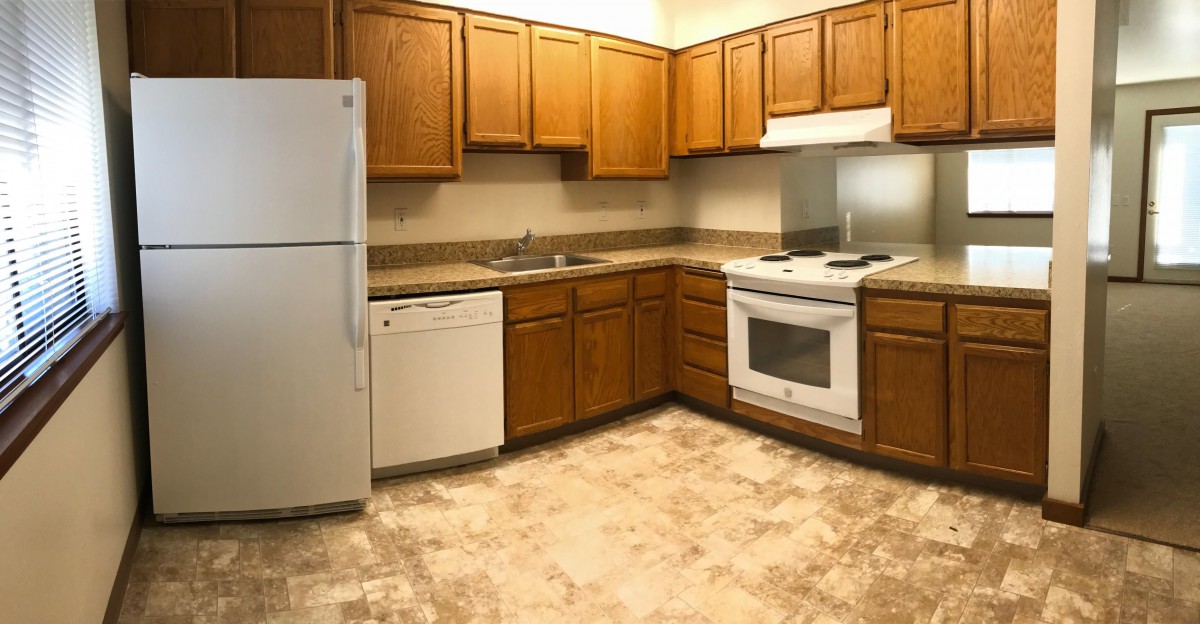
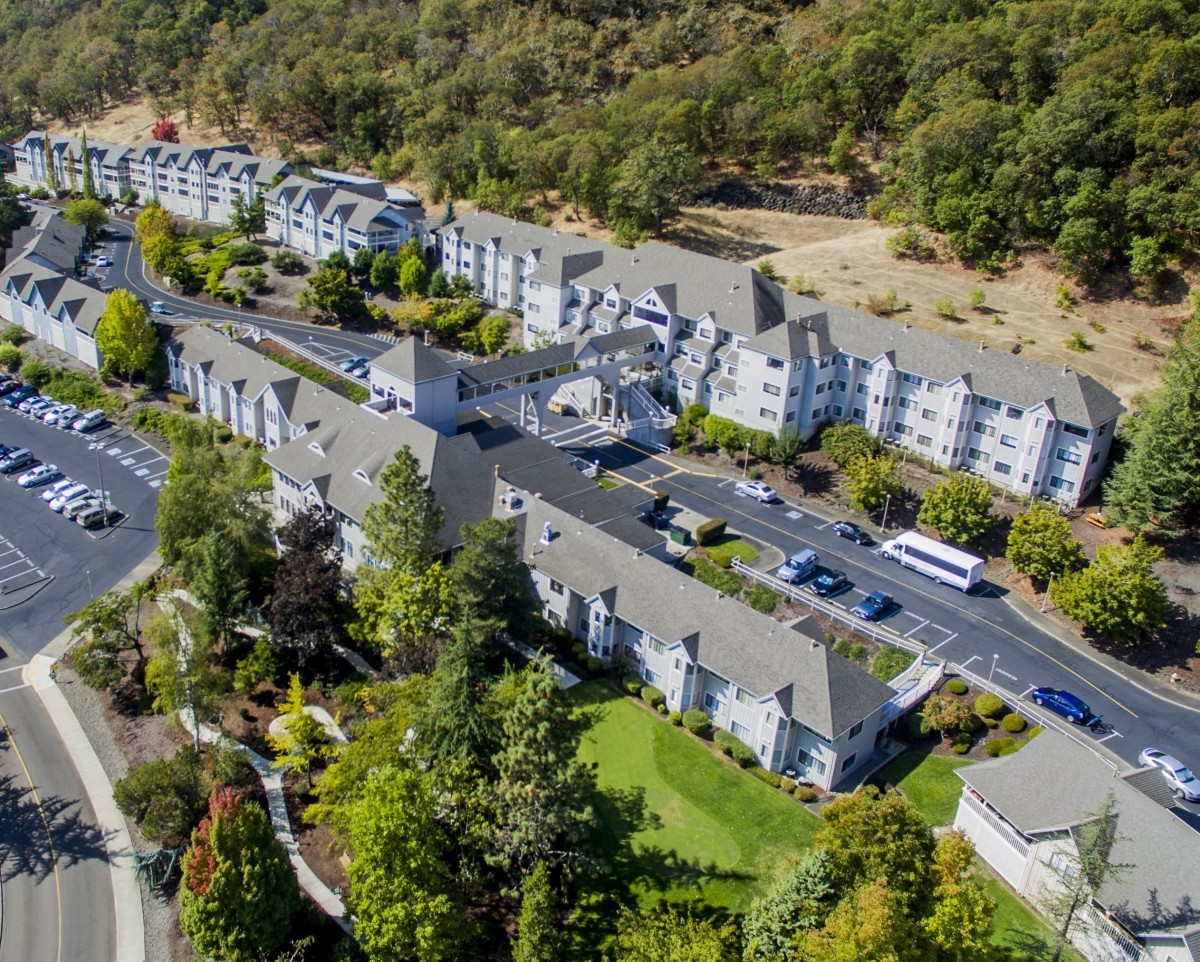
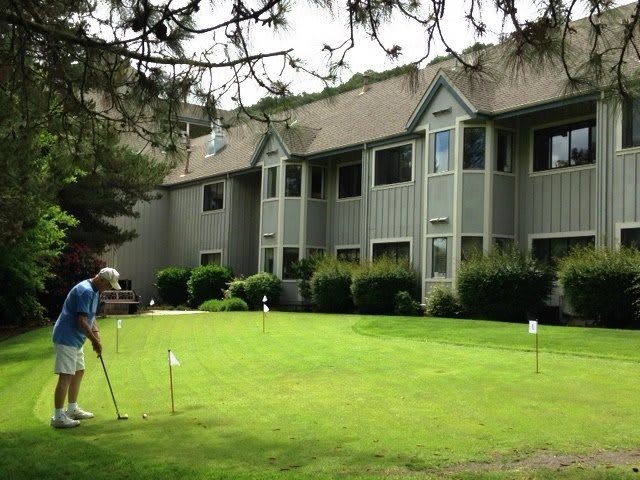
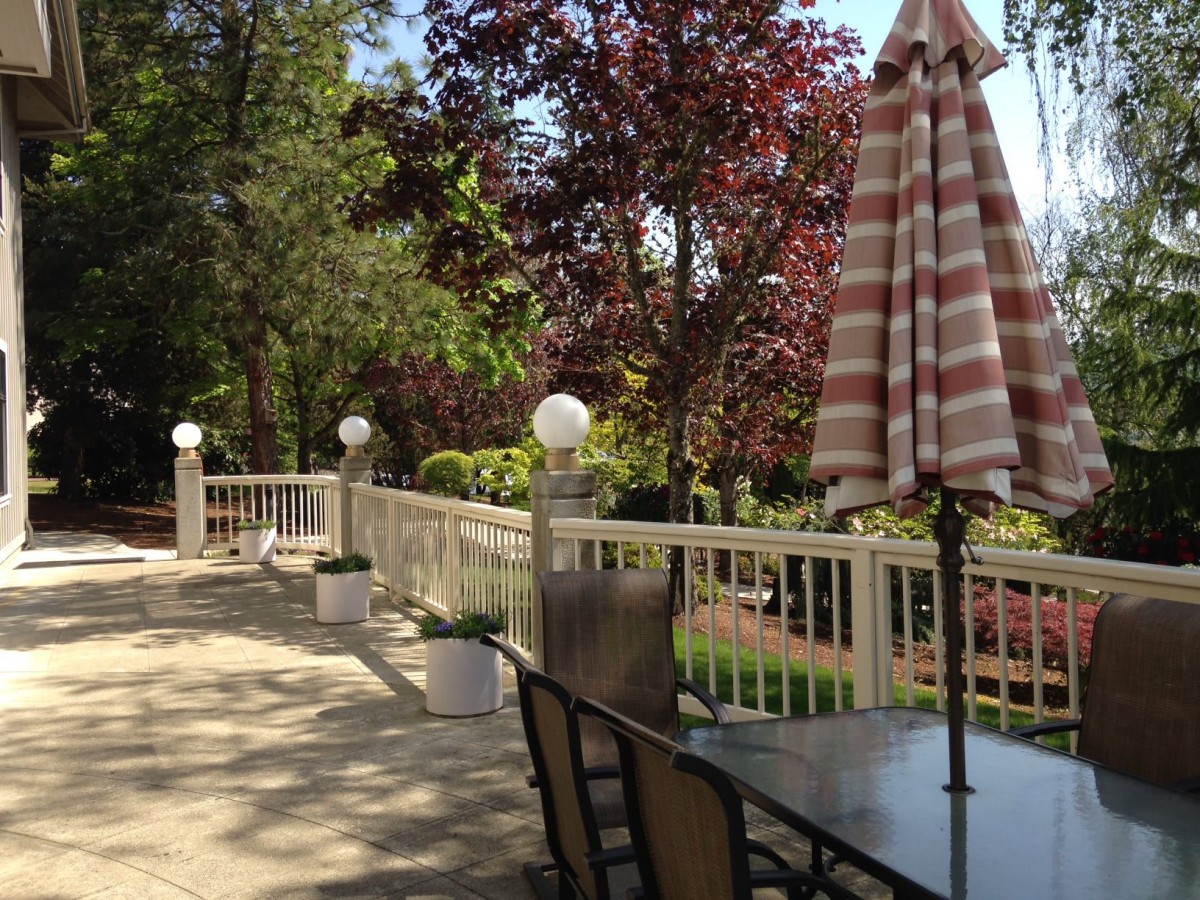
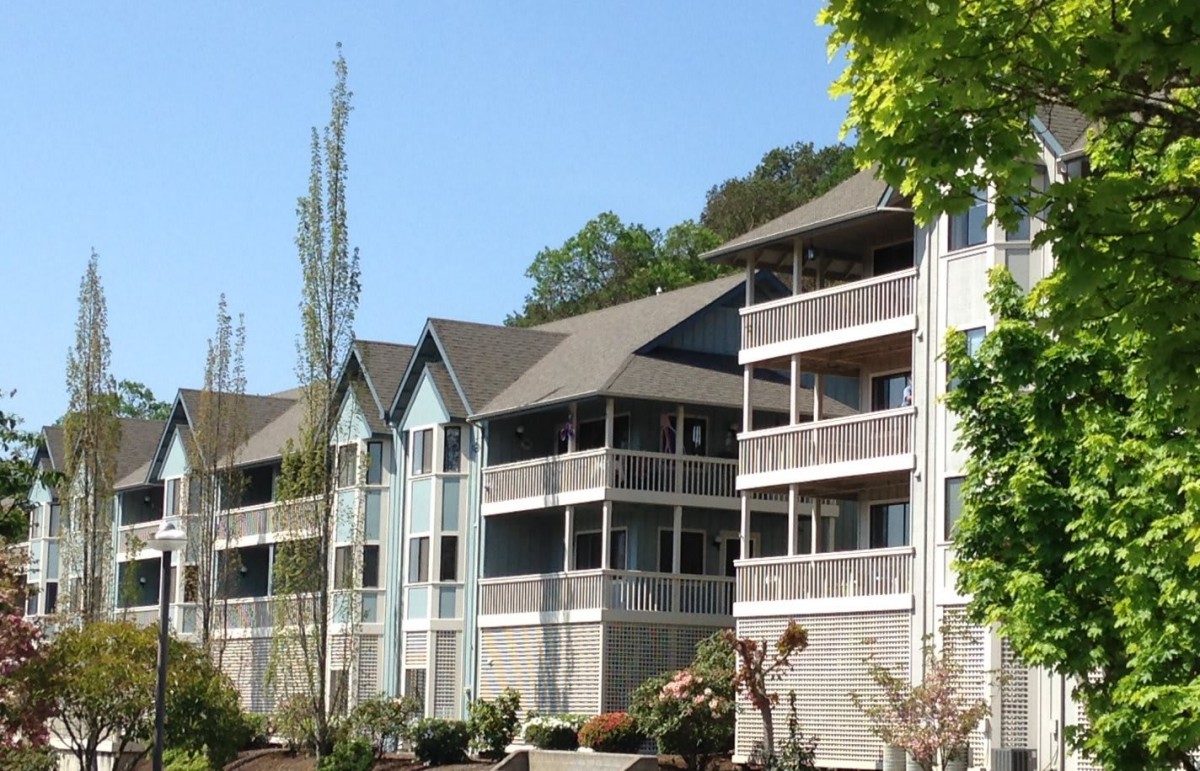
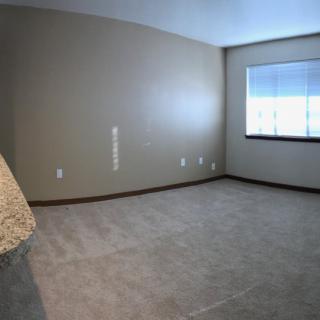
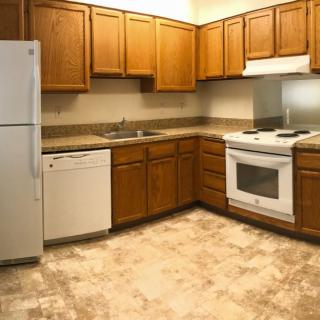
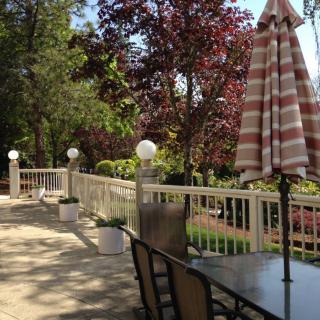
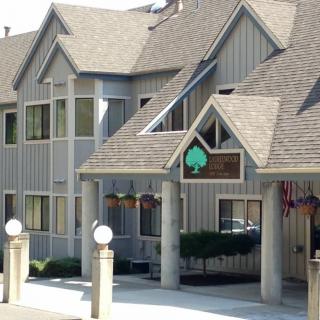
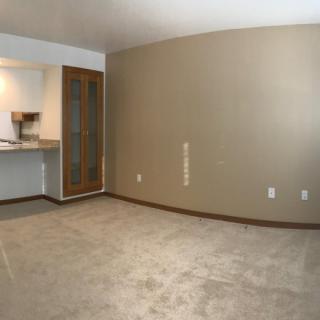
Linus Oakes Village on seniors.fyi includes 13 photos including images showing trees, outdoors, interior, building, landscaping, garden, architecture, nature, and more.
Nearby Communities
The Landing A Senior Living Community
Roseburg, OR
3.5 from 24 reviews
Comprehensive memory-care with 24/7 supervision and extensive on-site amenities.
Rose Haven Nursing Center
Roseburg, OR
3.6 from 59 reviews
Comprehensive amenities and 24/7 care.
Holiday Garden Valley
Roseburg, OR
4.5 from 57 reviews
$2,379 to $4,009 / month
Friendly staff, clean facilities, and a wide range of on-site activities at affordable rates.
Oak Grove Retirement Ctr
Roseburg, OR
5 from 1 review
Vibrant lifestyle with convenient access to dining, parks, and healthcare nearby.
Callahan Court Memory Care
Roseburg, OR
4.5 from 62 reviews
Warm, welcoming atmosphere with friendly staff, clean facilities, and engaging activities.
Callahan Village Assisted Living
Roseburg, OR
4.1 from 28 reviews
$2,900 to $6,095 / month
Caring staff with all-inclusive pricing (housekeeping and meals).
Adams House Assisted Living
Myrtle Creek, OR
2.6 from 12 reviews
Warm, family-like community with engaging activities and pleasant mountain views.
Home health care aides provide vital medical and non-medical support to individuals at home, assisting with daily living activities and promoting emotional well-being, while the demand for these services increases due to an aging population. Families benefit from in-home care's flexibility and cost-effectiveness but face challenges like scheduling consistency and caregiver turnover.
Older adults with urinary tract infections (UTIs) often present atypical symptoms, complicating diagnosis due to factors like incomplete bladder emptying and chronic health conditions that increase their susceptibility. Effective management involves prompt treatment with antibiotics, hydration, and preventive strategies while minimizing antibiotic resistance and focusing on holistic care approaches.
California's Form 602A is a vital tool for evaluating the health needs of seniors seeking residential care, detailing their medical conditions and daily living requirements to ensure proper service alignment. This standardized form enhances communication among physicians, families, and facilities, serving as a regulatory measure for admissions and ongoing care while adapting to changing healthcare practices.
Kitchen, Appliances, Cabinets, Refrigerator, Stove, Oven, and Dishwasher
Garden
Outdoor, Patio, and Railing
Entrance and Exterior
Outdoors
Nature
Fence
Balcony and Apartment Building
Road
Living Space
Golf and Putting Green
Get PricingAsk A QuestionSchedule A TourContact Senior Advisor
By clicking submit, you agree to our Partner's Terms of Use. You
also consent to receive calls and texts, which may be autodialed, from our Partner. Your consent is not a condition to
using our Partner's service. Please visit our Partner's Privacy Policy for information about their privacy practices.






 Independent Living
 Cats allowed
 Dogs allowed
 Activities off-site
 Air-conditioning
 Bath tubs
 Beautician on-site
 Devotional services off-site
 Full kitchen
 Ground floor units
 Handicap accessible
 Indoor common areas
 Outdoor common areas
 Wi-Fi/high-speed internet available
 Gluten-free
 Art classes
 Catholic services
 Day trips and outings
 Happy hour
 Live dance or theater performances
 Live musical performances
 Stretching classes
 Wine tasting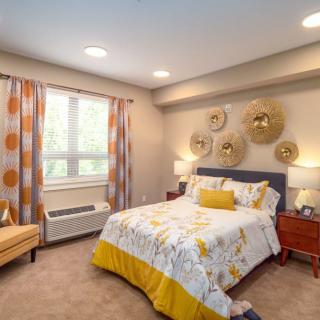
 Comprehensive memory-care with 24/7 supervision and extensive on-site amenities.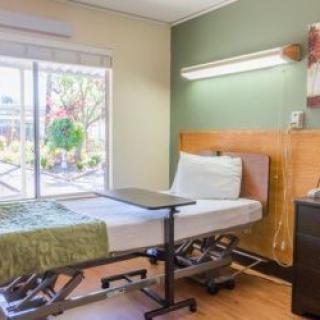


 Home Health Care Aides: Understanding Their Role and Supporting Your Family
 Urinary Tract Infections in Older Adults: Comprehensive Insights on Symptoms, Treatment, and Prevention
 California's Form 602A: An In-Depth Examination of Senior Care Assessment