2490 North West Edenbower Boulevard, Roseburg, OR 97471
For more information about senior living options: (866) 208-4318
Overall Review of The Landing A Senior Living Community
Pros
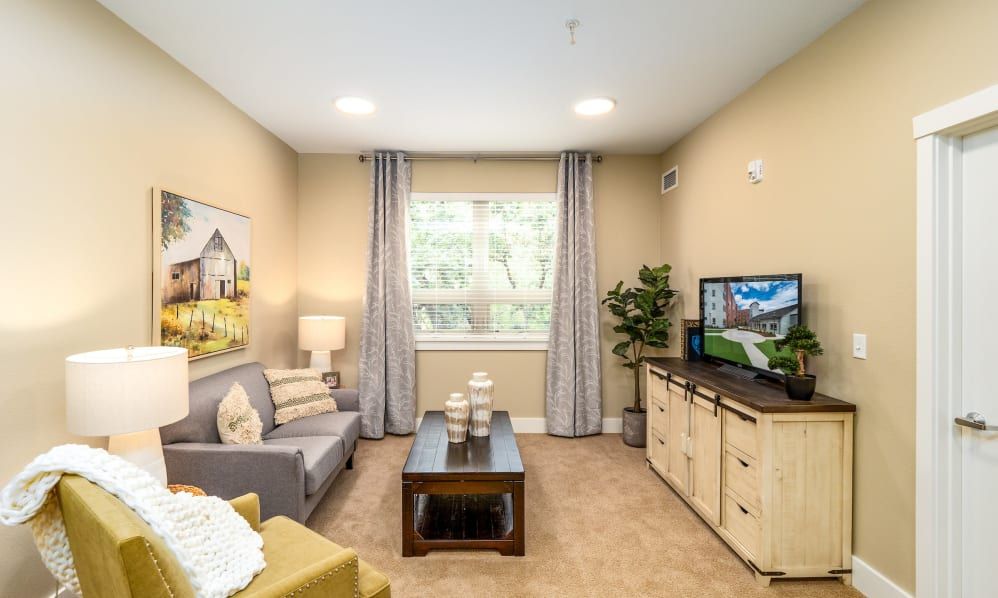
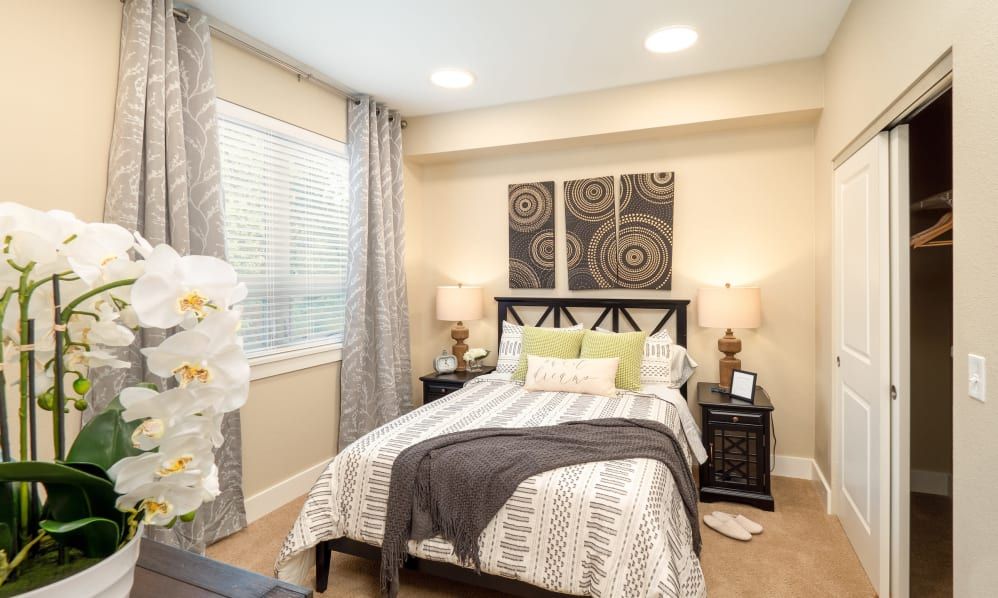
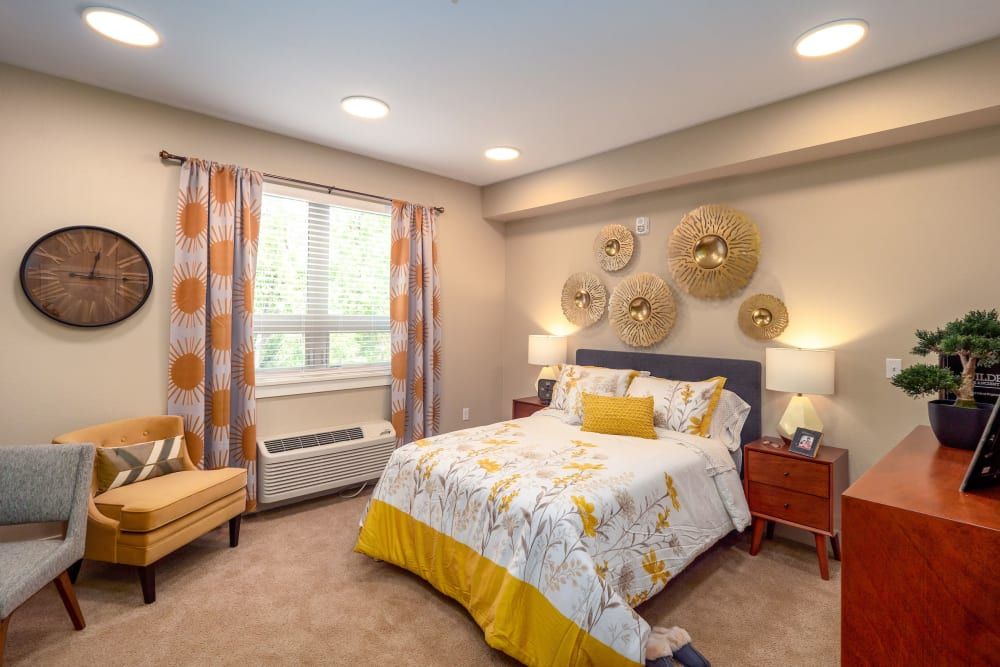
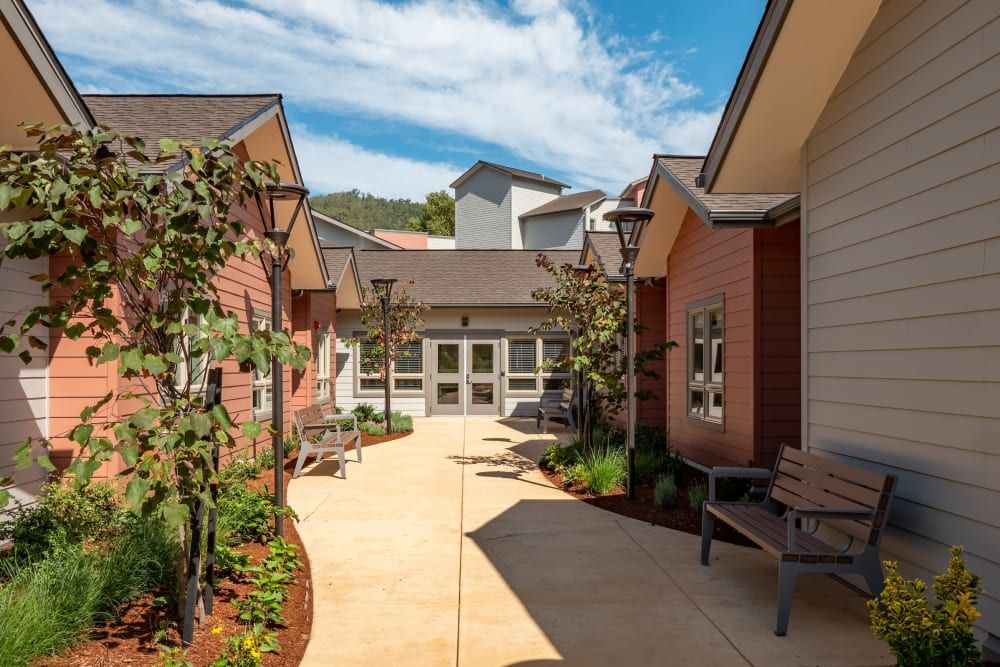
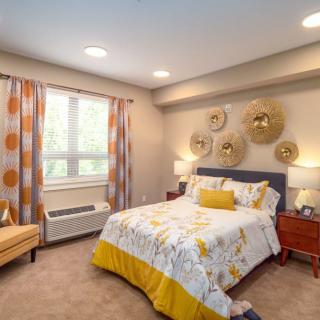
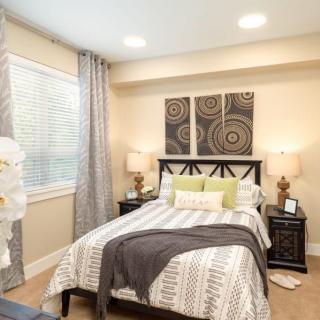
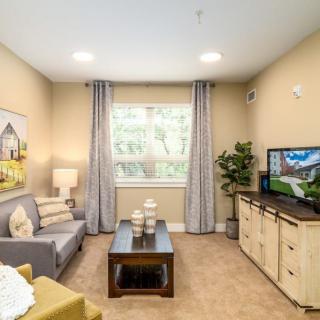
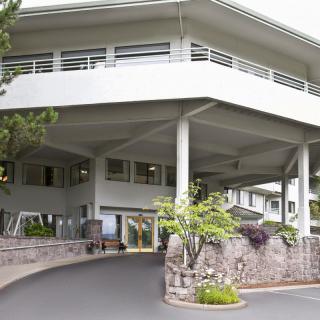
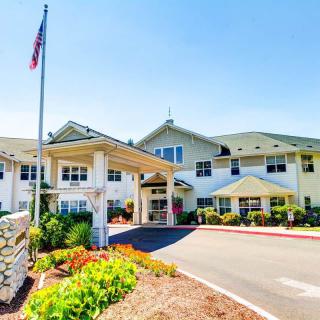
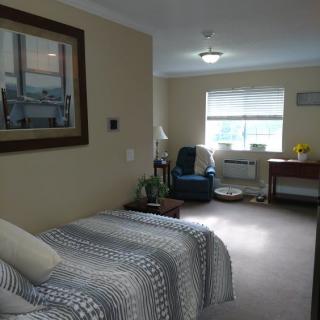
 The Landing offers spacious, well-maintained apartments in a clean, beautifully designed setting.
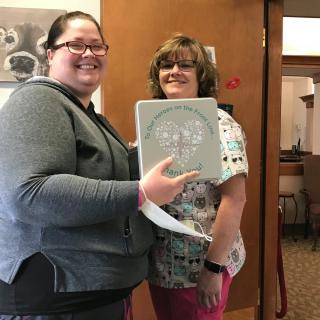
 - The staff are friendly, warm, knowledgeable, and genuinely care about residents’ well-being.
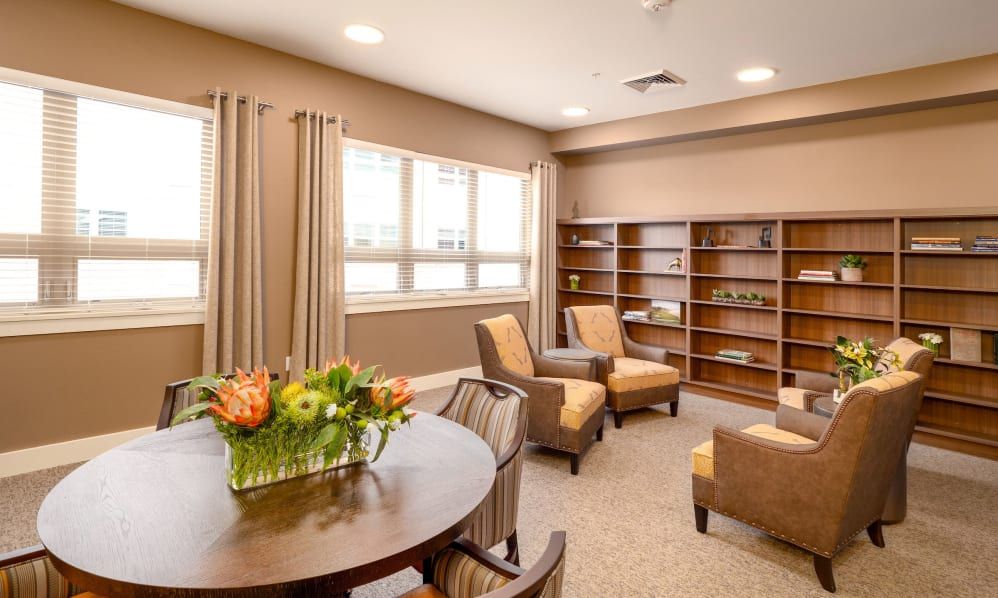
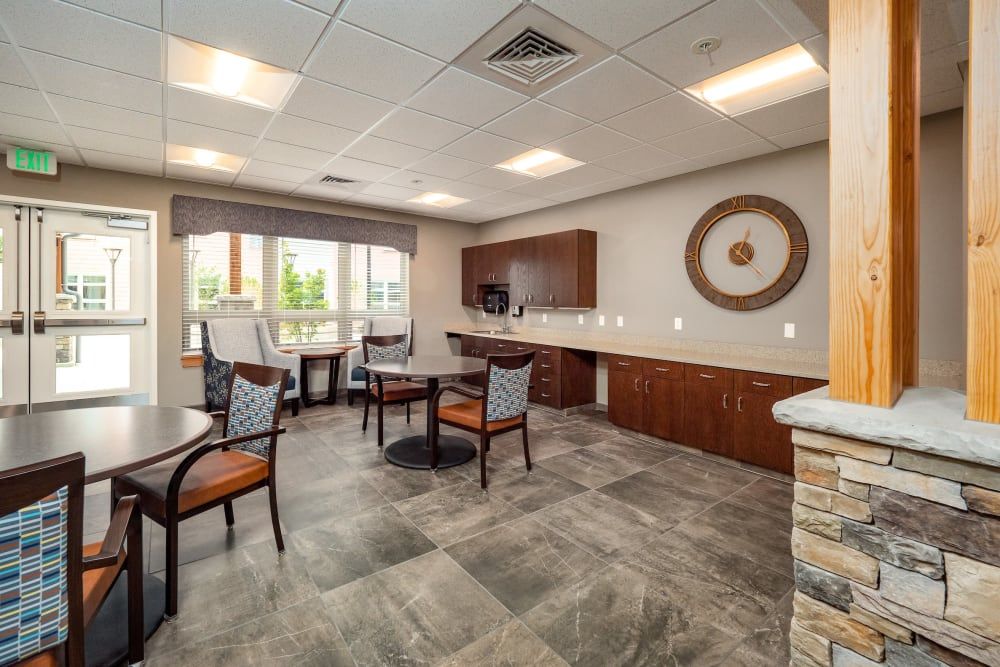
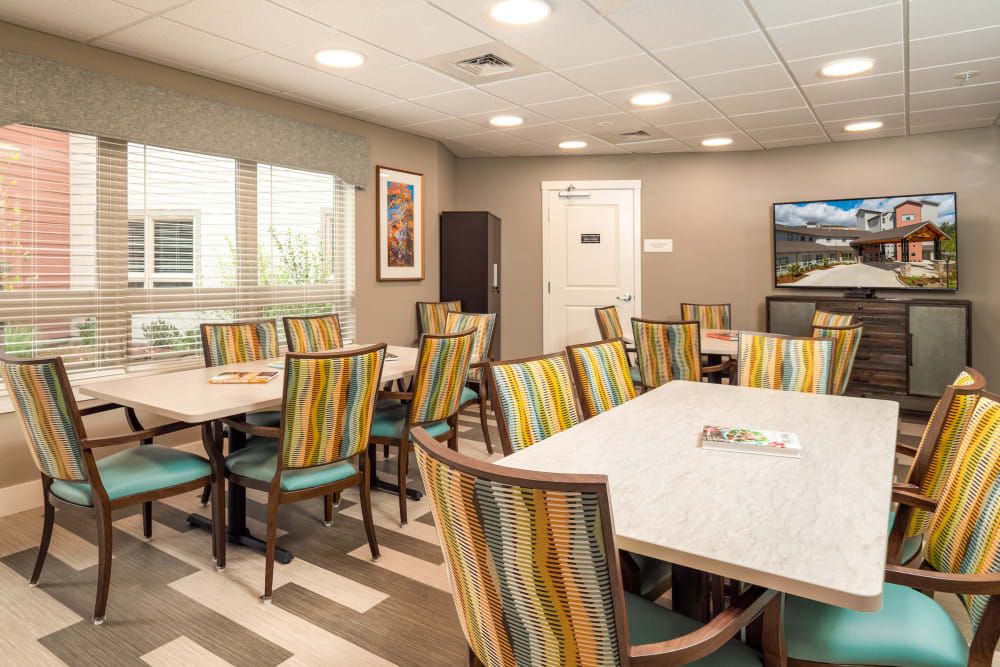
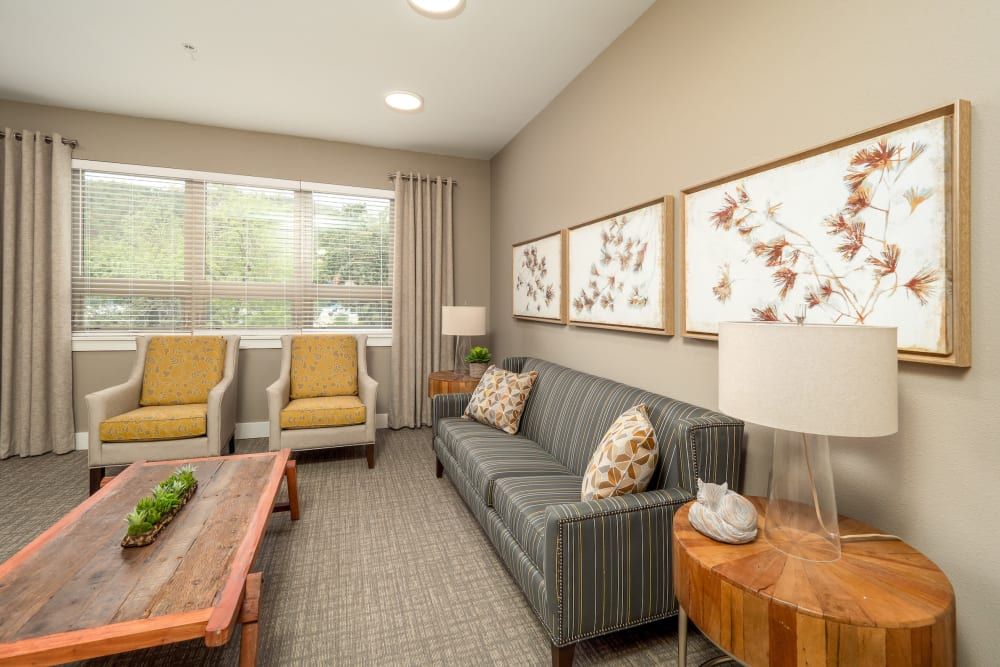
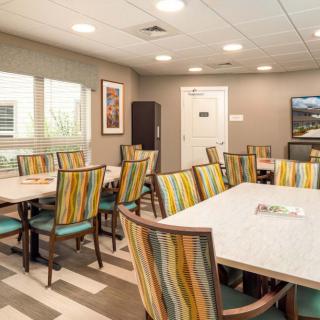
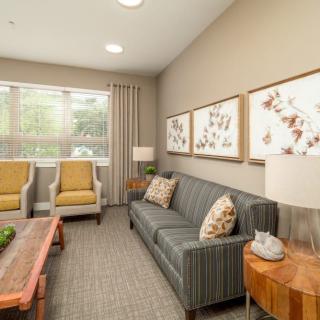
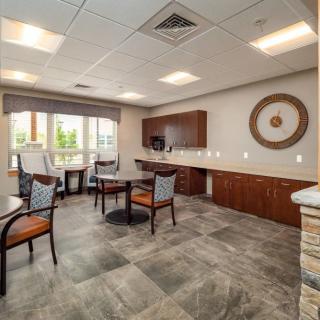
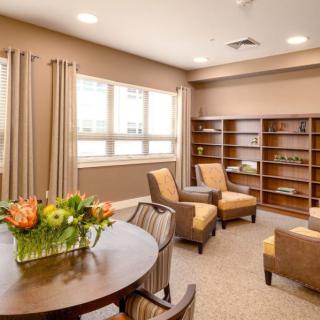
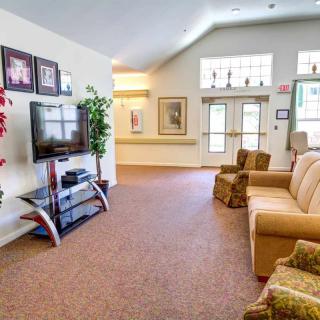
- The community areas, including a library, cinema room, dining room, and lounge spaces, are inviting and well-appointed.
- The dining area offers varied, delicious meals with thoughtful menu options.
- There are engaging activities such as Bible studies, yoga classes, theater, and outings that keep residents socially and mentally active.
- The atmosphere is welcoming and home-like, with staff who treat residents like family.
- Memory care staff provide attentive, compassionate care with clear communication with families.
- Overall, The Landing is a wonderful, vibrant senior living community that comes highly recommended.
Cons
 A reviewer was appalled to find that after four days in memory care, the resident hadn’t had a shower or other basic hygiene needs met and was wearing dirty socks.
 - The reviewer reported that a resident attacked the husband, leaving deep scratches on his neck, face, and hands.
- The reviewer decided to pull him out that same night.
- The reviewer would think twice before leaving a loved one in this care center due to safety concerns.
- The reviewer felt management seemed unaware that residents needing significant personal care were not receiving basic necessities.
Review
The Landing A Senior Living Community in Roseburg is best suited for active seniors and their families who want a vibrant, home-like environment with generous living spaces, strong social opportunities, and a robust on-site program lineup. It works well for residents who value accessible, modern apartments, clean facilities, and a community where staff are consistently described as friendly, caring, and attentive. The property’s common areas, library, cinema, lounges, along with a dining program that offers choice and variety, create a lively ambience that supports ongoing engagement. For memory care in particular, the community appears capable of delivering personalized attention within a structured, supportive setting.
Those who may want to consider alternatives are primarily families prioritizing rigorously consistent basic care and predictable safety records, especially in memory-care scenarios. A notable account describes severe lapses in daily hygiene and safety, followed by a troubling incident in which a resident was harmed and the response appeared inadequate. While this represents a troubling outlier in the overall experience, it signals the need for careful due diligence, real-time observation, and thorough confirmation of care protocols, staff supervision, and incident handling before committing. Prospective residents with highly vulnerable needs or a history of aggression might prefer facilities with demonstrably tighter safety safeguards and stronger, more transparent oversight.
On the plus side, the volume and quality of pros are hard to ignore. Spacious, well-maintained apartments pair with a clean, modern facility that feels residential rather than clinical. Staff are repeatedly described as knowledgeable, compassionate, and genuinely invested in residents’ well-being, with many families expressing confidence that their loved ones are in good hands. The Landing’s emphasis on human connection is clear in the programming: Bible studies, yoga classes, outings, social events, and even plans for social hubs like a poker room and a pub. Dining receives particular attention, with menus that enable residents to choose meals, reinforcing autonomy and daily enjoyment. The overall tone is one of warmth, activity, and meaningful engagement.
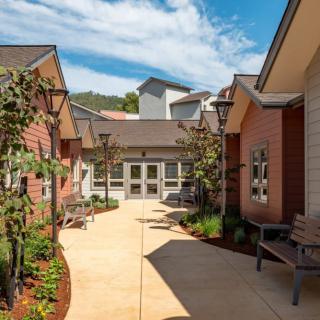
That mix of strong engagement and consistently positive staff interactions offsets, at least for many, the inevitable trade-offs that accompany any senior-living setting. The presence of a memory-care unit that residents and families praise for care quality helps counterbalance concerns, yet the care culture must be proven stable over time, not merely during initial impressions. When care teams treat residents like family and maintain a bustling calendar of events, the sense of belonging and purpose can significantly improve quality of life, even for those with memory challenges. The facility’s cleanliness, accessibility, and home-like atmosphere further reinforce that the Landing can be a genuinely supportive home.
However, the best-fit decision hinges on how well the community can address the highlighted risk areas. The most material caveat is the need for unwavering consistency in basic care within memory care: regular hygiene, timely assistance, safe supervision, and transparent communication with families. Potential residents should demand current RN assessments, clear care plans, and evidence of staff-to-resident ratios that align with the level of support required. Management responsiveness, especially when concerns surface, should be a non-negotiable criterion. Without visible, ongoing proof of reliable operations, the overall appeal loses some of its luster.
In practical terms, families weighing The Landing should plan a candid, scenario-focused visit. Request to observe a meal service, attend an activity, and, crucially, meet the memory-care leadership to review safety procedures, incident reporting, and staff training. Seek out current residents and families beyond official channels to gauge how consistently the community delivers on its core promises of care, connection, and quality of life. If those checks reassure, The Landing represents a compelling choice for an active, engaged senior lifestyle with compassionate care. If not, the search should continue with facilities that demonstrate steadier, more transparent performance in daily care and safety.
 93 resident community capacity
 Assisted Living
 Memory Care
 Air-conditioning
 Beauty salon
 Cable or satellite TV
 Computer center
 Dining room
 Fitness room
 Fully furnished
 Gaming room
 Garden
 Housekeeping services
 Kitchenette
 Located close to restaurants
 Located close to shopping centers
 Move-in coordination
 Outdoor patio
 Outdoor space
 Private bathrooms
 Restaurant-style dining
 Small library
 Telephone
 Wellness center
 Wi-Fi/high-speed internet available
 Community operated transportation
 12-16 hour nursing
 24-hour call system
 Activities of daily living assistance
 Assistance with bathing
 Assistance with dressing
 Assistance with transfers
 Diabetes diet
 Medication management
 Mental wellness program
 Special dietary restrictions
 Transportation arrangement (medical)
 Concierge services
 Planned day trips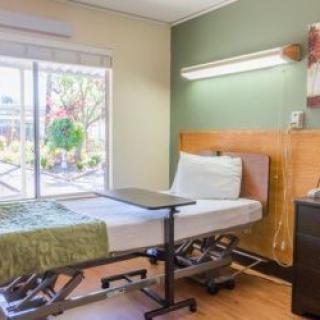

 Comprehensive Guide to VA Nursing Homes: A Crucial Long-Term Care Resource for Veterans
 Estimating the Expenses of At-Home Dementia Care: A Detailed Exploration
 Comprehensive Insights on the Late Stages of Dementia: What to Expect and How to Provide Care