
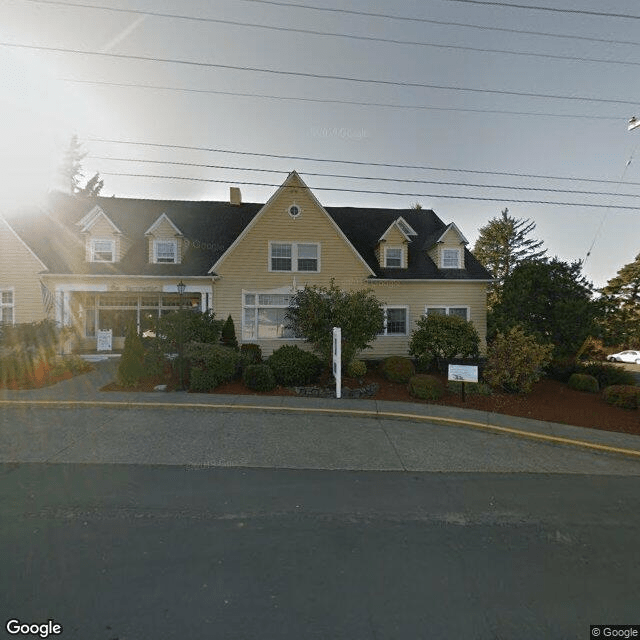
2701 NW Highway 101, Lincoln City, OR 97367
To contact a resident: (541) 994-7147
For more information about senior living options: (866) 208-4318
Dorchester House Costs & Pricing
Dorchester House offers competitive pricing in comparison to both Lincoln County and the broader Oregon state averages. For a studio, residents pay $1,645, significantly lower than the county's $2,876 and the state's $3,815. The one-bedroom option at Dorchester House is similarly appealing at $1,865, especially when compared to Lincoln County's $3,487 and Oregon's average of $3,904. Even for family-sized accommodations, the two-bedroom units are priced favorably at $2,195 - matching Lincoln County but well below the state average of $4,436. These cost advantages make Dorchester House an attractive choice for those seeking affordable living options in a desirable location.
| Floor plans | Dorchester House | Lincoln County | Oregon |
|---|---|---|---|
| Studio | $1,645 | $2,876 | $3,815 |
| 1 Bedroom | $1,865 | $3,487 | $3,904 |
| 2 Bedrooms | $2,195 | $2,195 | $4,436 |
Overall Review of Dorchester House
Pros
 Residents describe Dorchester House as a beautiful apartment with a wonderful sitting room and library.
- Gina the Administrator and Jared the Maintenance Manager are highlighted as dedicated and hard-working.
- The owners are regarded as angels who want to help seniors afford a home.
- The community is described as friendly and supportive, giving residents a true sense of home.
- Management is praised for being responsive and approachable.
- The property offers regular activities, a safe environment, and a convenient location.
- The building accepts pets and includes essential utilities in rent.
Cons
 They describe the rules as picky and note the office isn’t open on weekends.
- They say the rental prices are horrific.
- They accuse the management of being cheap and turning a blind eye to problems.
- They mention a tour guide describing the place as a Bates Motel and note creepy residents.
- They claim a maintenance worker swore at them and that the owners did nothing to stop it.
- They allege there is no state oversight and that corporate priorities profit over residents’ well-being, with threats of eviction for speaking up.
- They raise security concerns, noting front doors can be unlocked at night and there are no cameras.
- They criticize the lack of meals served and dangerous highway crossings, leaving residents with limited cooking options.
Review
Dorchester House in Lincoln City is best suited for independent seniors who want a home-like, apartment-style setting with built-in utilities and a strong sense of community. It works for residents 58 and older who can manage daily tasks without requiring medical or personal care on site, value a historic building’s character, and appreciate amenities such as a library, common sitting rooms, and a dining room atmosphere. Pets are welcome, and the rent structure leans toward affordability within the area relative to some peers, making it attractive to those who want to “live among friends” rather than in a sterile managed space. This is not a care facility; it is a self-sufficient living environment where residents handle their own routines and needs, with occasional housekeeping available for a fee.
Those considering alternatives should note that Dorchester House may not fit anyone who needs consistent on-site care, regular meals, or stronger security and maintenance oversight. Candidates who require daily support, frequent medical monitoring, or structured programming delivered by a larger staff will likely be happier elsewhere. Prospects seeking guaranteed safety features, stable pricing without surprises, or a facility with robust, round-the-clock management should look at other independent living options or pivot to assisted living communities. The ongoing reality of an older building and a lean staff can translate into variability in service, communication, and upkeep that may be unacceptable for some.
The strongest positives are the tangible, liveable amenities and the social fabric. Beautiful, character-filled apartments, inviting sitting rooms, and a library create a warm, homelike vibe that many residents describe as central to their daily happiness. The location is a practical win, near town features, with a river nearby and access to on-site conveniences, plus the building’s historic charm, fireplaces, and chandeliers add a sense of occasion that many seniors miss in newer developments. Peers note a meaningful community: a friendly, engaged resident body, regular social programming, and staff members who go the extra mile in day-to-day responsiveness. The inclusion of utilities (electricity, water/sewer, garbage) and a shared laundry, plus a pet-friendly policy, reduces the friction of month-to-month budgeting and daily living hassles.
Yet the downsides are real and recurring enough to tilt the decision for many. Pricing is volatile and prone to hidden facets, rents can be quoted one way and billed another, with nonrefundable deposits and extra charges that aren’t always clearly spelled out up front. Kitchen spaces are notably small, with no full oven in most units, which constrains meal preparation and can feel limiting for someone who likes to cook. Parking can be tight, and there are reports of inconsistent weekend office hours, delays in maintenance, and uneven staff coverage that some residents interpret as a sign of lean management. Security concerns surface in some reviews, older doors, insufficient lighting in exterior areas, and complaints about the building’s upkeep, creating a sense of vulnerability for a property that relies on resident vigilance.
The key pros do not fully offset these cons unless the resident prioritizes a highly social, budget-conscious, independent lifestyle and is comfortable navigating occasional opaque communications. When the staff are attentive and the building is well maintained, the community becomes a real asset: people form friendships, events unfold, and the sense of home becomes tangible. The presence of dedicated individuals like long-serving administrators or maintenance personnel can transform a tough day into a manageable one, and the historic ambiance remains a unique draw for many tenants. The affordability angle matters: for some, the value of included utilities and the ability to avoid larger, more expensive campuses nets out as a compelling trade-off against the compromises.
Families weighing Dorchester House should approach with a plan. Demand written confirmation of every fee and the exact elements included in rent. Inspect the kitchenette to confirm its layout and appliances meet daily needs. Confirm parking availability and security features, and ask current residents about response times for maintenance and the consistency of weekend office coverage. If meals are important, or if a higher level of on-site care or safety systems is essential, compare directly with nearby alternatives that provide meals and more predictable staffing. For those who prize independence, community, and character, and can tolerate the price nuances and management variability, Dorchester House remains a viable, genuine option. If not, alternatives that emphasize full-service dining, stronger security, and steadier administrative support will likely serve better in the long run.
 Independent Living
 Cats allowed
 Dogs allowed
 Activities off-site
 Bath tubs
 Devotional services off-site
 Indoor common areas
 Outdoor common areas
 Meals provided
 6 Crucial Ways an Elder Law Attorney Assists Families
 Navigating the Tax Landscape of Caregiving: Credits, Deductions, and Beyond
 Highly Beneficial Low-Impact Exercises for Senior Living Residents