150 E. Herman St., Yellow Springs, OH 45387
To contact a resident: (937) 767-7363
For more information about senior living options: (866) 208-4318
Friends Care Community Independent Living CCRC Costs & Pricing
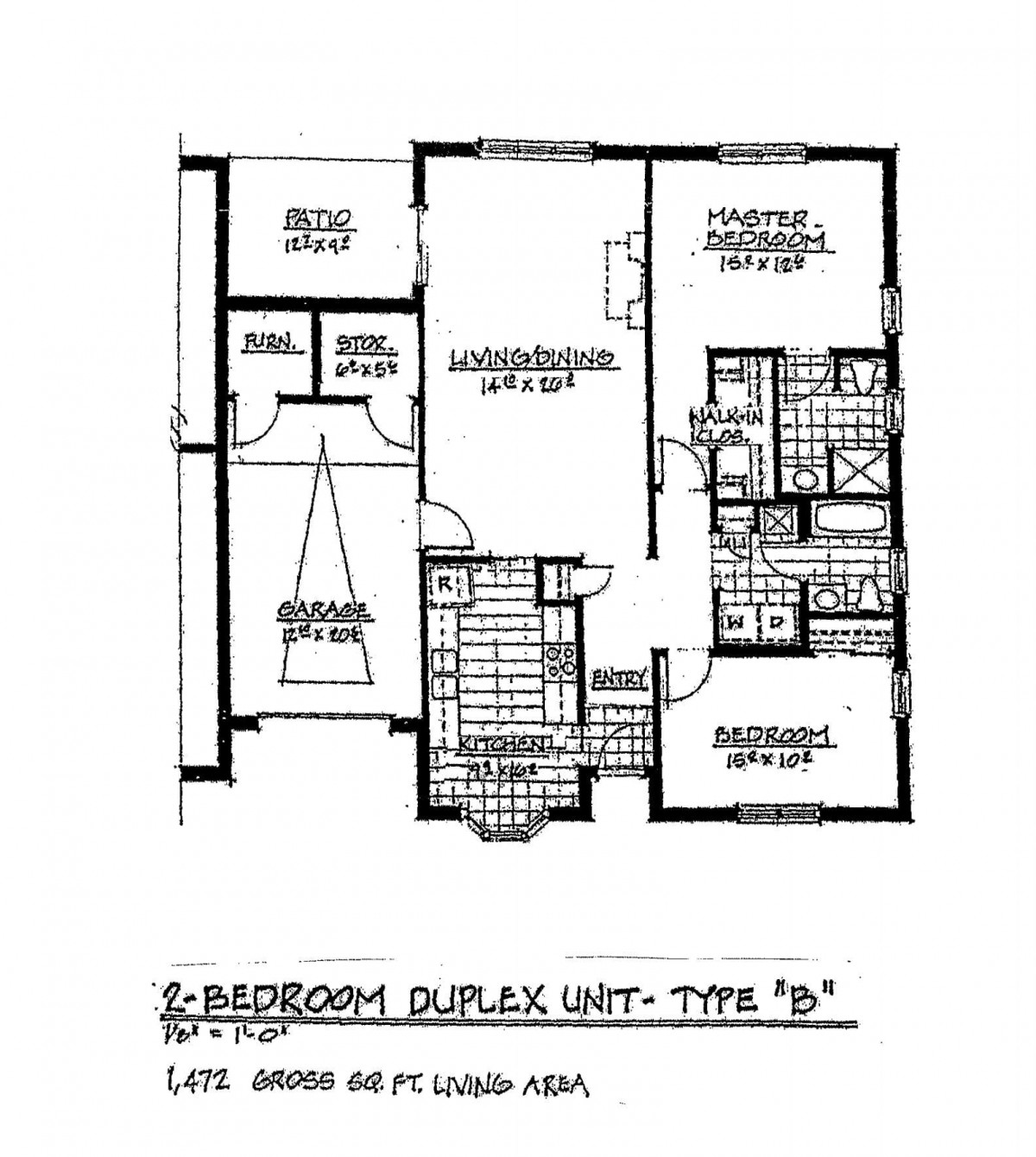
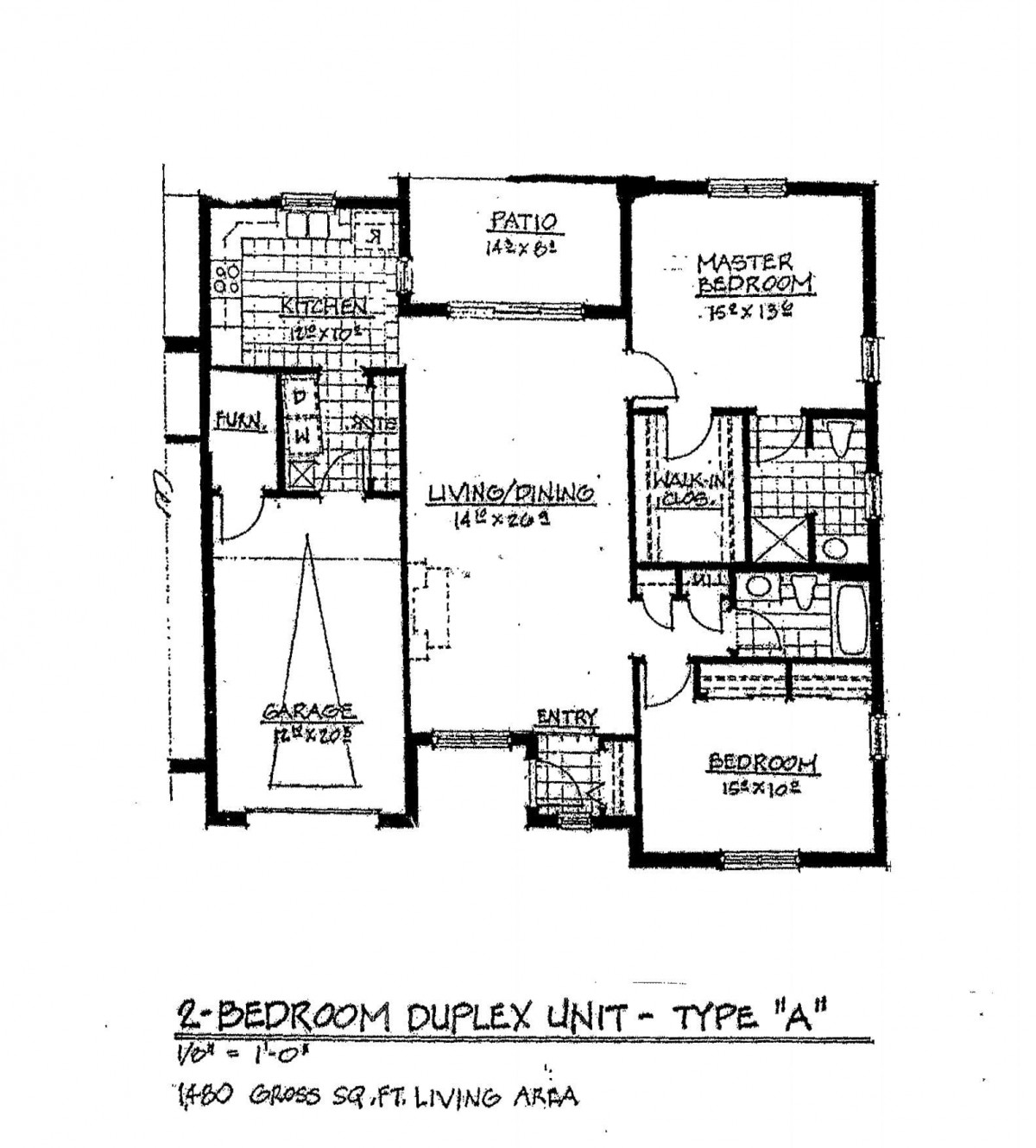
Friends Care Community Independent Living CCRC offers an exceptionally competitive rate for independent living with its two-bedroom units priced at just $750 per month. This figure stands in stark contrast to the average costs in Greene County, which hover around $3,327, and the state of Ohio where the expenses rise even higher to approximately $3,501. Such affordability makes Friends Care Community not only a viable option for seniors seeking independent living but also a standout choice within the region, enabling residents to enjoy quality services and amenities without exceeding their budgets.
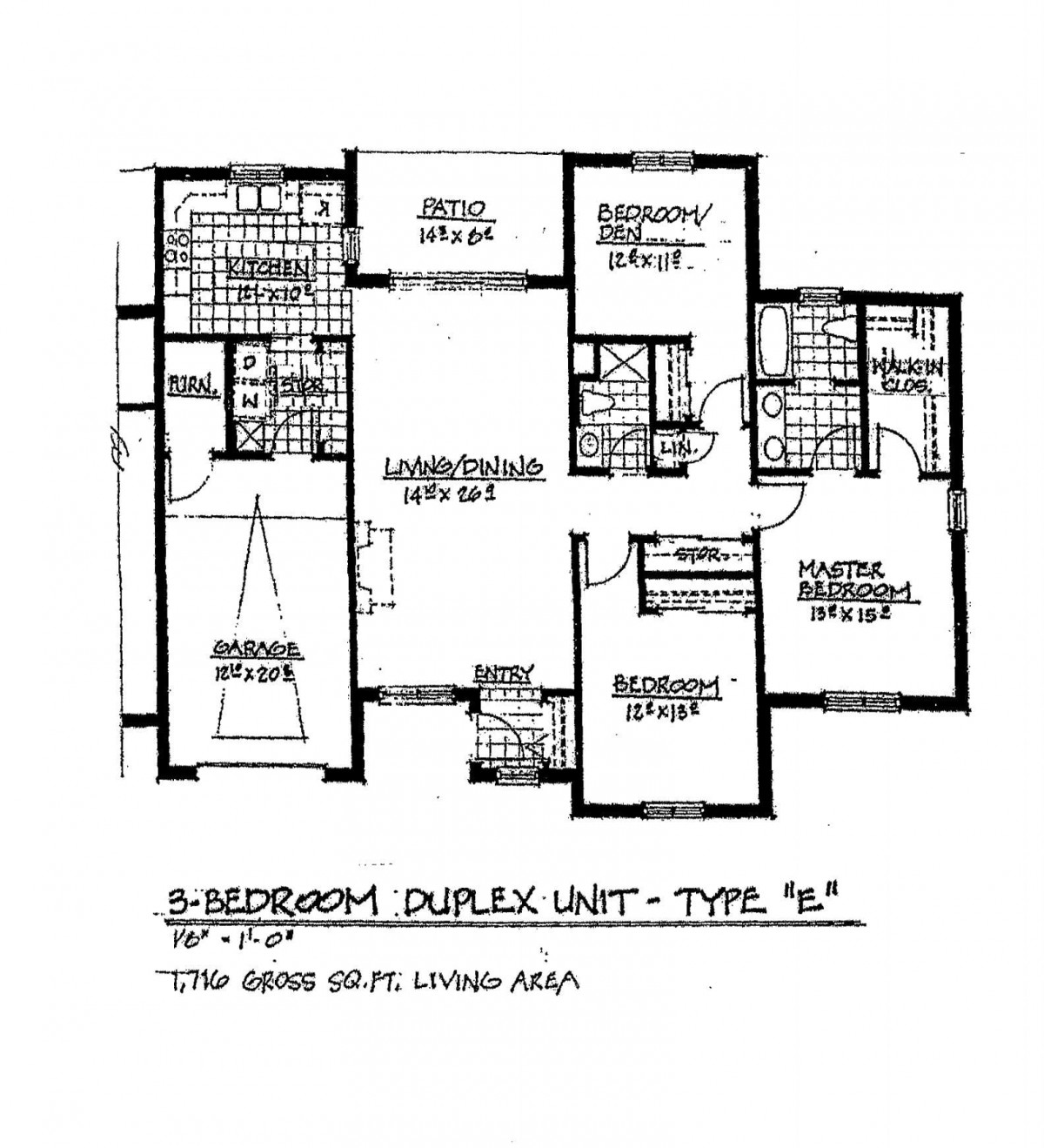
| Floor plans | Friends Care Community Independent Living CCRC | Greene County | Ohio |
|---|---|---|---|
| 2 Bedrooms | $750 | $3,327 | $3,501 |
Independent Living communities with a similar price nearby
-
from -$100 / mo

Creekside Villas
$650 / month19.0 miles away
Overall Review of Friends Care Community Independent Living CCRC
Pros
 The staff were great.
- Administrator Hannah was fabulous, friendly, and professional, and she truly seemed to love the resident's mom.
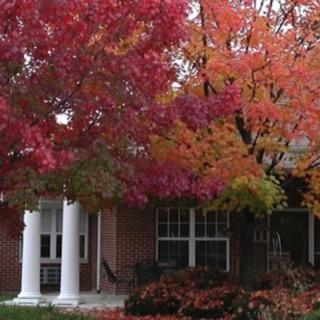
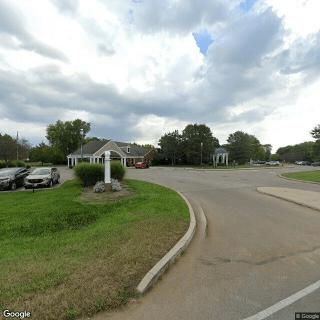
- The grounds are phenomenal and well tended.
- Rob, the Physical Therapist, was awesome, knowledgeable, and attentive.
- The rest of the staff were open and friendly.
- The facility is beautiful, located in a semi-wooded area with wildlife.
- There is a good staff-to-resident ratio.
Cons
 The facility is horrible.
- The staff were rude and disrespectful.
- They talked about family members, residents, and coworkers behind their backs.
- They showed they did not care about the jobs they were doing.
- There was straight verbal abuse.
- They were mean, nasty, and rude toward the mother.
- Management did nothing to address or resolve the issues.
- This is no place for a loved one to go.
- People should avoid this place unless they want their family to suffer.
- This place should be closed or sued.
- They ignored the family member during the stay.
- They refused to inform what medications were being given.
Review
Friends Care Community Independent Living CCRC in Yellow Springs, Ohio, is best suited for families that prize a tranquil, campus-like setting with attractive grounds and access to a capable rehabilitation program. The property’s semi-wooded, park-like atmosphere and the presence of multiple care options on one site give it appeal for residents who want a small, community-oriented environment with easy movement between independent living, assisted living, and skilled services. When the campus is well-managed, residents can benefit from a respectful, attentive rehab team and a sense of continuity that comes from a smaller, focused community. But this potential is not consistently realized, and that inconsistency is a decisive factor in how this option should be weighed.
Caregivers and families who may want to consider alternatives are those who place safety, respectful treatment, and predictable service at the top of their criteria. Several reviews describe staff behavior that ranges from merely disengaged to actively abusive, with reports of verbal mistreatment, neglect, and resistance to basic requests. Instances of poor communication, unwillingness to share medication information, and hostile interactions with residents create a risk that outweighs the benefits of a pleasant setting. For families needing reliable ongoing supervision, consistent bedside care, and systemic accountability, there are other communities where such issues appear less entrenched. Prospective residents with complex medical needs or high dependency should proceed with especially cautious verification.
The strongest positives here revolve around the environment and certain care components. The grounds are consistently described as beautiful and well maintained, contributing to a hopeful first impression. The campus atmosphere supports a sense of calm and normalcy that can be a big plus for independent living or early-stage assisted living. A small-to-midsize staff footprint, when functioning well, can translate to a favorable staff-to-resident ratio in some shifts, enabling more responsive care. Positive anecdotes also highlight dedicated individuals in leadership and therapy roles, most notably an administrator who was praised for professionalism and communication, plus a physical therapist in outpatient rehabilitation who delivered standout service. These elements demonstrate that quality care is achievable, albeit unevenly.
Yet the downsides are not easily dismissed. Multiple reviews point to pattern-based problems: rude, disrespectful treatment; resistance to addressing concerns; and, in some cases, outright neglect. Allegations include missed personal care, mishandled belongings, denial of reasonable accommodations, and even improper discharge practices. They also touch on nonclinical frustrations, disputed referrals, billing ambiguities, and inconsistent experiences across shifts. The presence of a few highly competent staff members cannot compensate for what appears to be a broader cultural issue within the facility, where what residents experience hinges on who is on duty and who is in charge at the moment. The stark contrast between the positive stories of some caregivers and the harm described by others makes risk assessment essential.
Practical next steps for families actively comparing options are to demand transparency and verifiable stability before making a commitment. During tours, probe how staff are trained, how turnover is managed, and how the administration handles complaints with timely follow-through. Request to speak with multiple frontline caregivers as well as current residents about day-to-day interactions. Review recent state or local inspections and any corrective actions. Ask for a concrete care plan that details medication management, personal care routines, and escalation procedures. If possible, negotiate a trial period or a staged move-in that allows watching how the team responds to real-life needs in a controlled way.
In the end, this community presents a mixed proposition: a beautiful, well-kept setting with tangible strengths in rehabilitation services and some leadership staff, but a troubling pattern of negative experiences that cannot be ignored. For families prioritizing serenity, campus familiarity, and access to rehab, Friends Care may still hold appeal, provided clear assurances are obtained about staffing, safety, and accountability, and provided there is a robust plan to address concerns as they arise. More consistent safeguards, stronger front-line engagement, and demonstrable, sustained improvements would be needed for this community to become a confident recommendation over solid alternatives with more reliable care cultures.
 Independent Living
 Cats allowed
 Dogs allowed
 Activities on-site
 Devotional services off-site
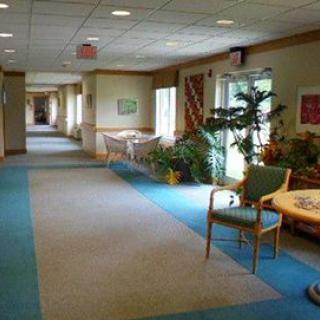
 Indoor common areas
 James M Cox Dayton International (19 miles away)
 Ambulatory care
 Diabetic care
 High acuity care
 Incontinence care
 Meals provided




 Exploring Nonmedical Home Care: Understanding Services, Costs, and Financial Approaches
 Engaging Brain Games and Innovative Apps to Keep Senior Minds Active
 Effective Strategies for Keeping Seniors' Minds Active: A Deep Dive into Brain Games and Apps