
Friends Care Community in Yellow Springs, OH

Save

  • Interior

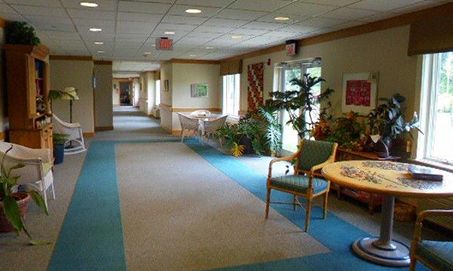
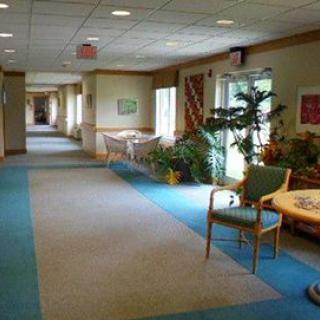
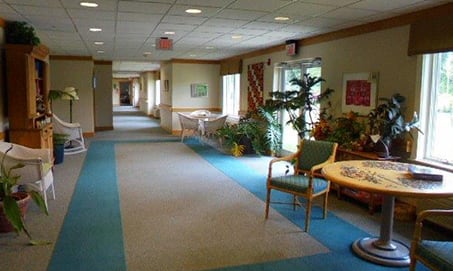
    A well-lit hallway with chairs, tables, and plants along the sides.
  • Decor

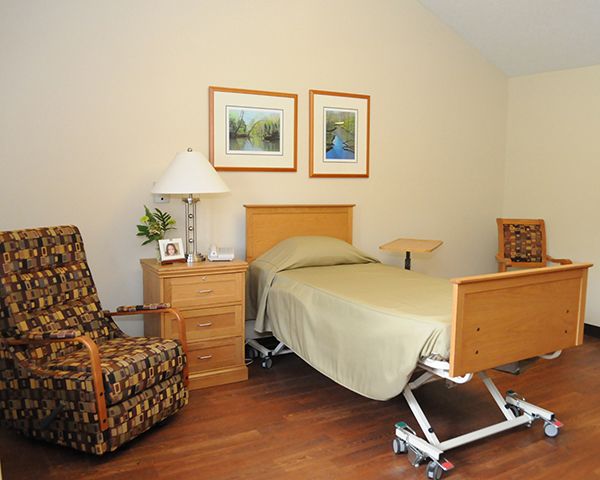
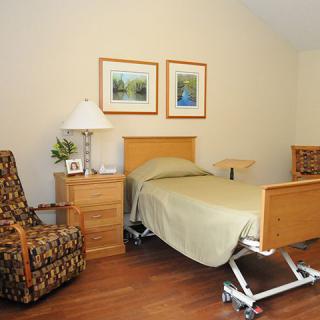
    A well-organized hospital room with a bed, chair, and bedside table.
  • Building

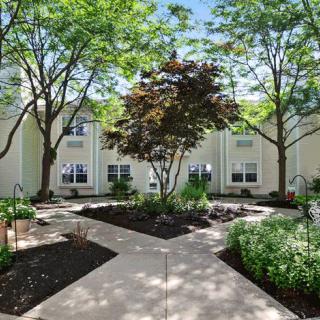
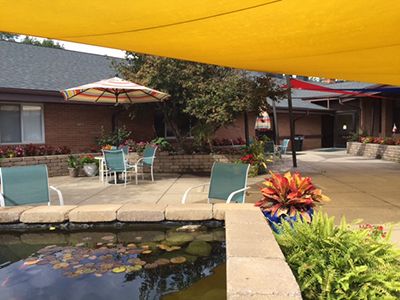
    A tranquil courtyard with a pond, outdoor seating, and large shade sails overhead.
  • Windows

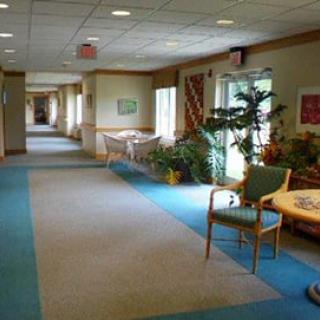
    A well-lit hallway with seating areas and indoor plants.
  • Landscaping

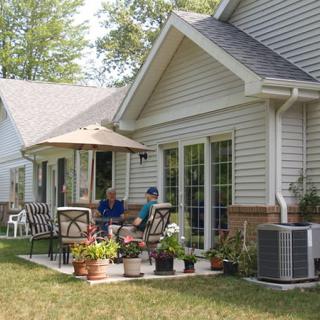
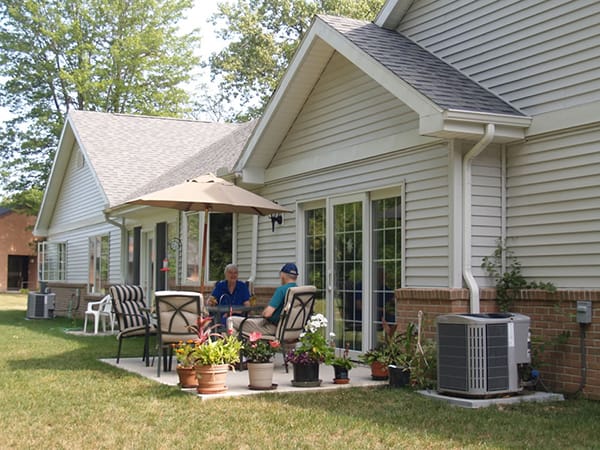
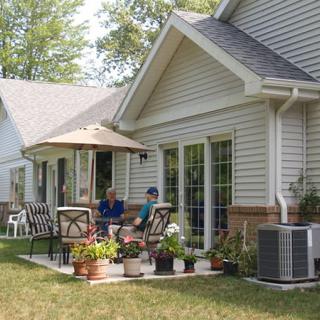
    A backyard patio with outdoor seating, potted plants, and a large umbrella.
  • Entrance

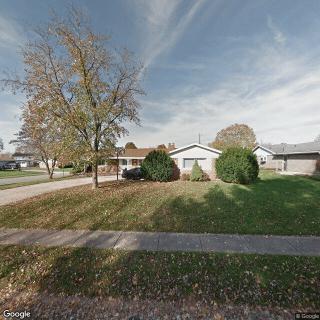
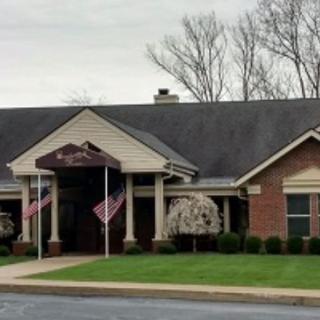
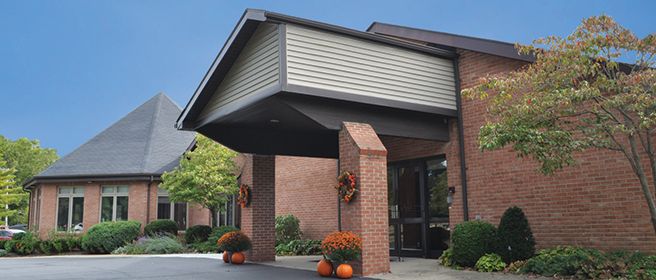
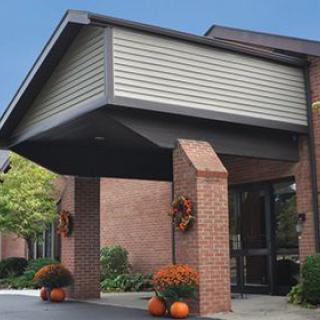
    Entrance of a brick building with autumn decorations.
  • Floor Plan

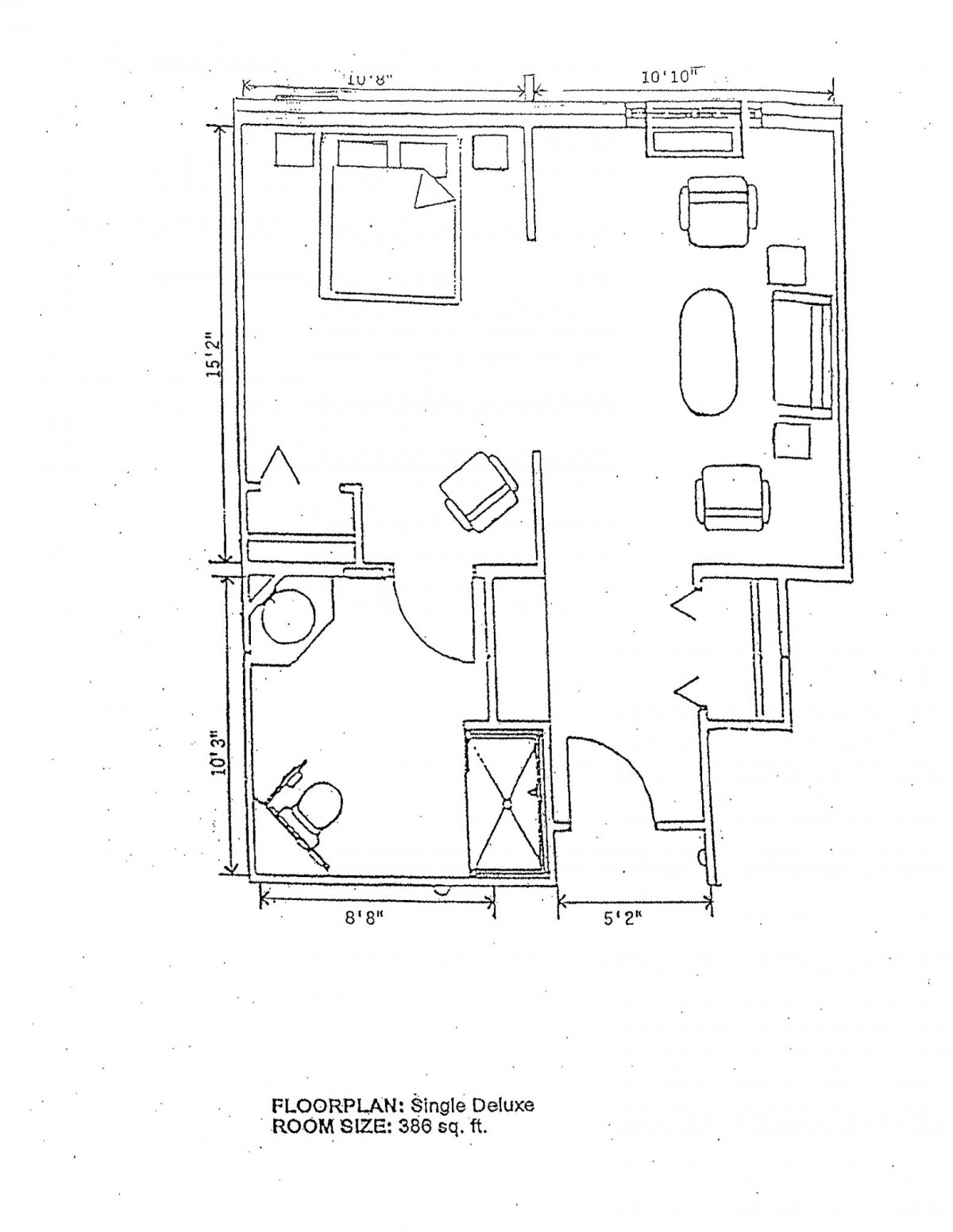
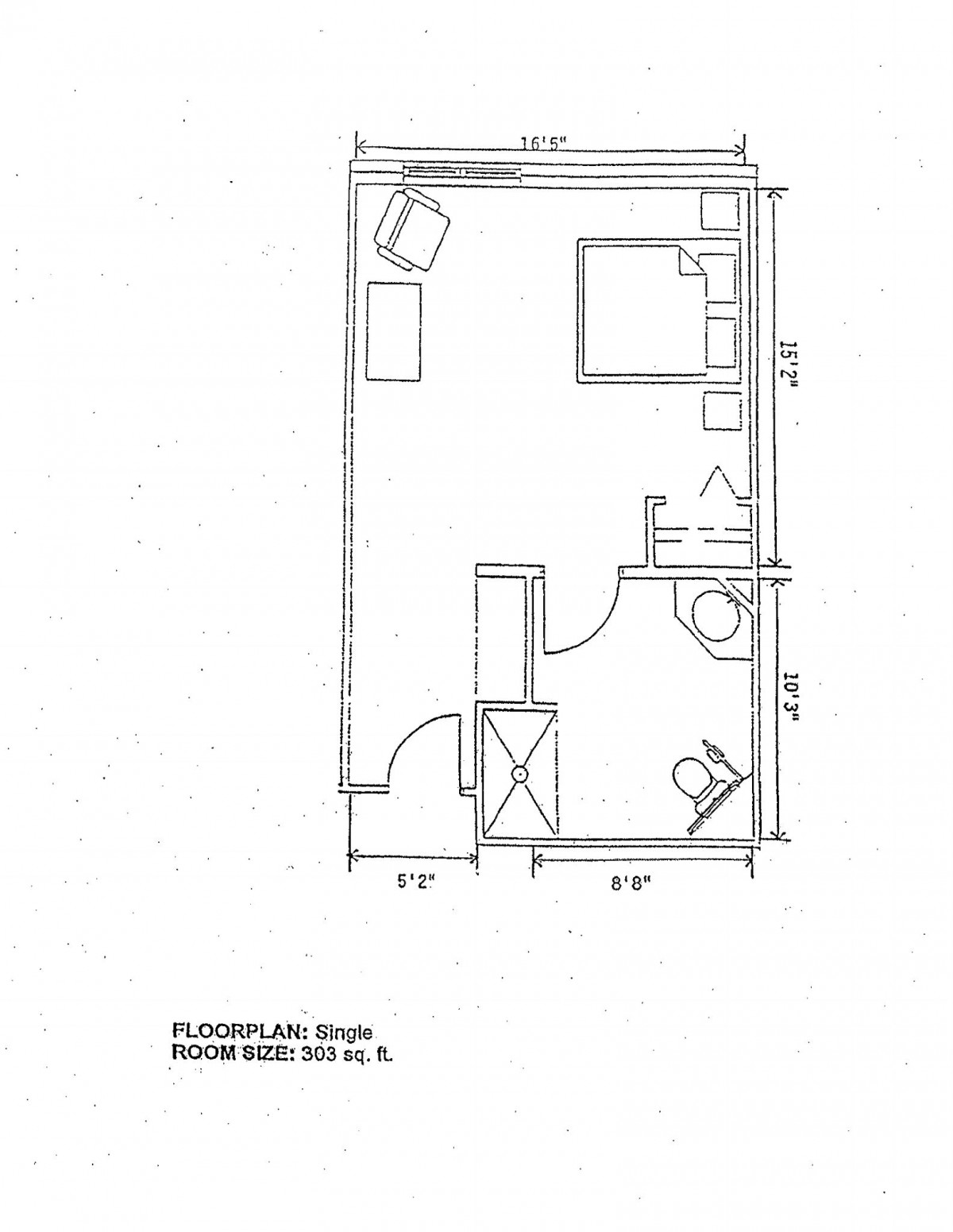
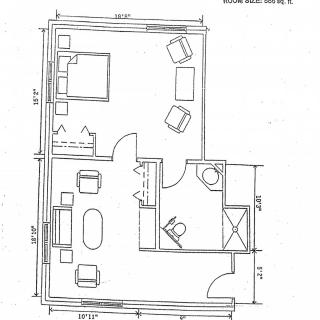
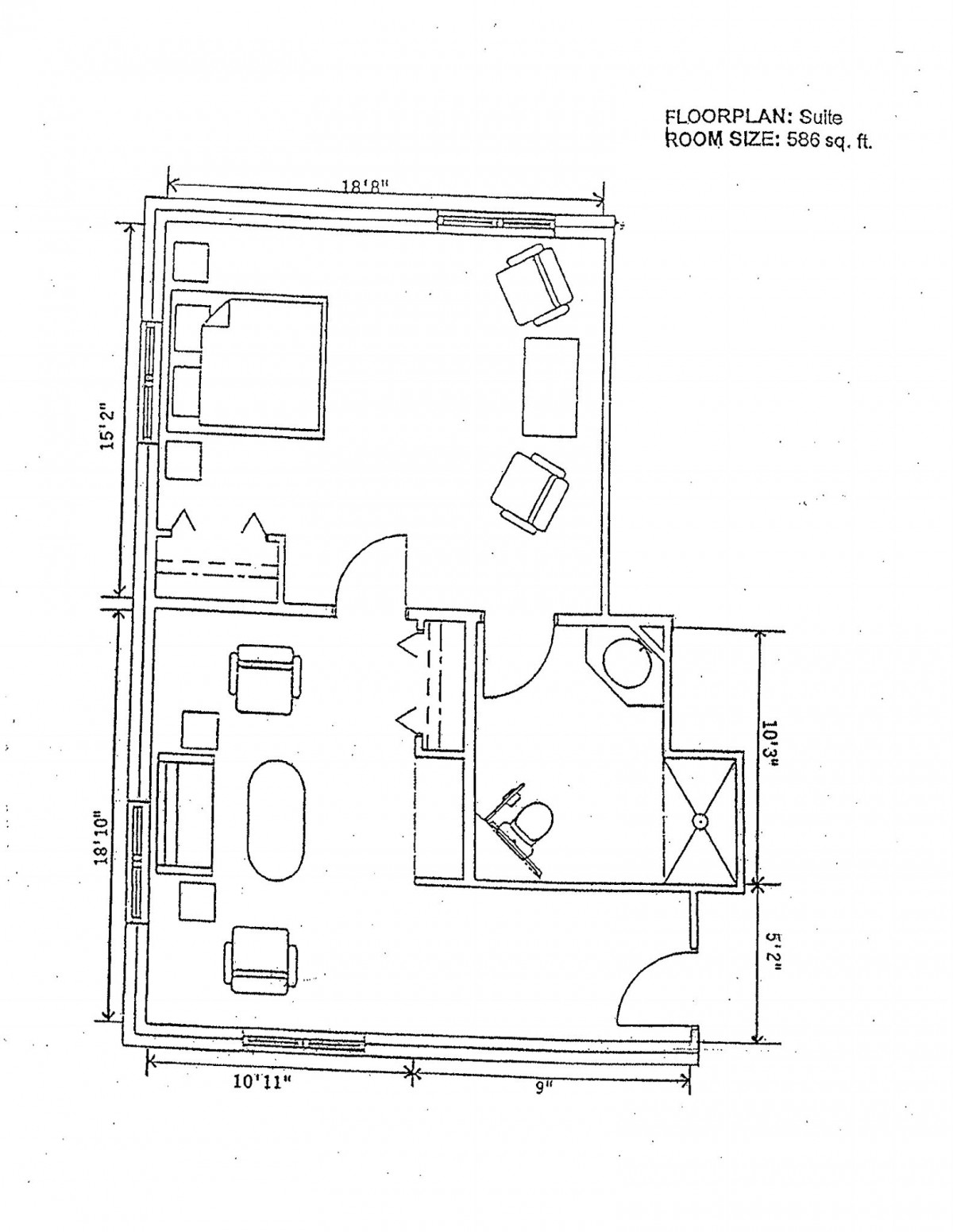
    A floor plan depicting the layout of a small apartment, including a bedroom, living area, kitchen, and bathroom.

Friends Care Community in Yellow Springs, OH

170 East Herman Street, Yellow Springs, OH 45387

For more information about senior living options: (844) 490-3973

3.3 from 12 reviews
5 stars
7
4 stars
0
3 stars
0
2 stars
0
1 stars
5

Friends Care Community Costs & Pricing

At Friends Care Community, the monthly costs for accommodations reflect a commitment to providing quality living options tailored to individual needs. For a studio apartment, residents can expect to pay $4,511, which is slightly higher than the Greene County average of $4,173 and significantly above Ohio's state average of $3,727. When it comes to one-bedroom units, the pricing at Friends Care Community stands at $6,026 - again higher than both the county rate of $5,172 and the state figure of $3,712. These costs highlight a premium on personalized care and enhanced services that residents can expect at Friends Care Community compared to other local options.

Floor plansFriends Care CommunityGreene CountyOhio
Studio$4,511$4,173$3,727
1 Bedroom$6,026$5,172$3,712

Overall Review of Friends Care Community

Pros

  • pro Hannah the administrator was fabulous, friendly, and professional, and truly cared for my mom.
  • pro The grounds are phenomenal and well tended.
  • pro Rob, the physical therapist, was awesome—knowledgeable and attentive.
  • pro The staff were open and friendly.
  • pro The facility is beautiful and located in a semi-wooded area with wildlife.
  • pro There is a good staff-to-resident ratio.
  • pro Brandy provided very helpful assistance.

Cons

  • pro The facility is horrible and unsafe for a loved one.
  • pro The staff were rude and disrespectful to residents and families, talking about them behind their backs.
  • pro Management did nothing to address or resolve the issues.
  • pro Residents were ignored and not properly cared for, including not being bathed.
  • pro Aides refused to help with personal belongings and left residents in hospital gowns.
  • pro The kitchen refused vegan meals and dietary requests were dismissed.
  • pro The ride home was billed to the patient, and care delays endangered the patient.

Review

Friends Care Community in Yellow Springs, Ohio is best suited for families seeking a small, home‑like campus with a clear pathway across independent, assisted, and skilled care, plus a rehabilitative emphasis. The setting is attractive, wooded grounds with wildlife, and the campus structure supports a tight-knit feel, which can translate into meaningful relationships with staff and a sense of continuity for residents who prefer a less impersonal environment. When management is engaged and the care team is cohesive, this community can offer reliable daily routines, accessible therapy services, and a sense of belonging that families prize.

At the same time, families should consider alternatives if consistent, respectful treatment and transparent, accountable care are nonnegotiables. Reviews reveal a troubling pattern of rude and disinterested behavior from some staff, with alarming reports of neglect and verbal abuse that were not promptly addressed by leadership. Instances of residents being left without essential care, or being treated differently based on who asks, underscore the risk of inconsistent experiences. For families prioritizing dependable communication, clear medication information, and a culture of safety, other options may provide greater peace of mind.

On the plus side, the facility earns credibility from concrete strengths. A notable portion of staff to resident interaction appears genuine in certain shifts, and the overall rehab pipeline includes a therapist who stands out for knowledge and attentiveness. The administrator, specifically one praised for responsiveness and involvement with a resident’s medical and social concerns, has a track record that can translate into stability when present. The campus also bills itself as capable of spanning skilled, extended, assisted living, and independent living within a small, cohesive community, which can simplify transitions if a resident’s needs evolve.

Yet the strongest positives do not erase the repeated red flags raised by multiple reviewers. Reports of neglect, ranging from missed bathing and basic hygiene to disorganization around personal belongings and even discharge logistics, repeatedly surface. Rights violations, such as delays in referrals for home health services or unclear medication information, deepen the concern that governance and day-to-day oversight may falter. The tension between occasional compassionate care and scattered incidents of mistreatment creates a volatile risk for families, particularly those with vulnerable loved ones or complex medical needs.

The tension between strengths and flaws matters most when evaluating whether the pros offset the cons. A small, well-cared-for physical environment, competent rehabilitation services, and moments of strong administrator leadership can deliver meaningful value to residents who receive consistent staffing and proactive problem‑solving. However, when negative experiences pattern across several staff shifts and are not promptly remedied, the advantages of setting and therapy services become marginal compared to the potential harm and stress placed on residents and families. Prospective families should place a premium on verifiable staffing stability, transparent care planning, and a demonstrated track record of accountability.

In short, Friends Care Community can work for families who are willing to be actively involved, ask pointed questions, and insist on specific safeguards: detailed care plans, clear medication administration protocols, direct lines of contact with the administrator, and ongoing oversight of aides and therapists. It is not a risk profile to take lightly, especially for those who have seen or fear neglect or compromised patient rights elsewhere. If opt­ing in, approach with a structured due diligence process, visit with key staff, request recent incident and resolution histories, and tour therapy sessions, so that the decision rests on a clear picture of day‑to‑day operations. For some seniors, the setting and rehab strengths will offset the concerns; for others, more consistently reliable care and leadership will point to stronger alternatives.

Features

Housing

  • 40 resident community capacity 40 resident community capacity

Types of Care

  • Assisted Living Assisted LivingAssisted living facilities provide crucial support and care for seniors who may need help with daily tasks such as medication management, bathing, and meal preparation. These communities offer a safe and comfortable environment where seniors can maintain their independence while receiving the assistance they need to thrive in their golden years.
  • Independent Living Independent LivingIndependent living communities are important for seniors because they offer a safe and supportive environment where older adults can live independently while still having access to amenities and services that enhance their quality of life. These communities provide social opportunities, recreational activities, and assistance with daily tasks, promoting overall well-being and allowing seniors to maintain their independence for as long as possible.

Amenities

  • Activities on-site Activities on-siteActivities on-site are important for seniors because they provide opportunities for socialization, mental stimulation, physical activity, and overall well-being. Engaging in activities can help seniors stay active, maintain their independence, and improve their quality of life.
  • Air-conditioning Air-conditioningAir conditioning is important for seniors as they are more vulnerable to heat-related illnesses and may have underlying health conditions that make it difficult for them to regulate their body temperature. It helps to keep them comfortable, safe, and healthy in hot weather.
  • Beautician on-site Beautician on-siteHaving a beautician on-site at a senior living community is important for seniors as it allows them to easily access grooming and personal care services, boosting their self-esteem and overall well-being. It also provides convenience and helps seniors maintain their sense of independence and personal style.
  • Beauty salon Beauty salonBeauty salons are important for seniors because they provide a space for them to feel pampered, socialize, and maintain their personal grooming and hygiene. Regular visits to a beauty salon can help boost seniors' self-esteem and overall well-being.
  • Cable or satellite TV Cable or satellite TVCable or satellite TV is important for seniors because it provides entertainment, news, and companionship, helping to combat loneliness and boredom. It also offers a wide range of programming options tailored to different interests and preferences.
  • Devotional services off-site Devotional services off-siteDevotional services off-site are important for seniors as they provide spiritual nourishment, social engagement, and a sense of community outside of the senior living facility. This can enhance overall well-being and help combat feelings of isolation and loneliness often experienced by older adults.
  • Dining room Dining roomDining rooms are important for seniors as they provide a space for socialization, connection, and nutritious meals. They offer opportunities for residents to bond over shared meals, foster a sense of community, and promote healthy eating habits. Dining rooms also ensure that seniors have access to well-balanced meals tailored to their dietary needs and preferences.
  • Fully furnished Fully furnishedFully furnished senior living communities are important for seniors because they provide convenience, comfort, and a hassle-free moving experience. Seniors can easily settle into their new living space without the stress of having to buy and move furniture. This allows them to focus on enjoying their new home and community.
  • Garden GardenGardens are important for seniors as they provide a peaceful and therapeutic environment for relaxation, physical activity, and socialization. Being in nature has been shown to reduce stress, improve mood, and promote overall well-being. Gardens also offer opportunities for seniors to engage in gardening activities, which can improve mobility, flexibility, and cognitive function. Additionally, gardens create a sense of community and connection with others who share a passion for plants and outdoor spaces.
  • Ground floor units Ground floor unitsGround floor units are important for seniors because they provide easy accessibility, reduced risk of falls and injuries, and convenience for those with mobility issues. Seniors can avoid climbing stairs or using elevators, making daily tasks and activities more manageable and enjoyable.
  • Handicap accessible Handicap accessible"Handicap accessible" amenities are crucial for seniors to ensure they can easily navigate and access facilities, services, and activities without barriers or limitations due to physical impairments. This promotes independence, safety, and inclusivity for seniors in senior living communities.
  • Housekeeping services Housekeeping servicesHousekeeping services are important for seniors because they help maintain a clean and safe living environment, promote independence, and reduce the risk of accidents or illnesses. Additionally, having assistance with household chores can alleviate physical strain and allow seniors to focus on other aspects of their well-being.
  • Indoor common areas Indoor common areasIndoor common areas are crucial for seniors as they provide a space for socialization, recreation, and community engagement, promoting overall well-being and reducing feelings of isolation and loneliness.
  • Kitchenette KitchenetteKitchenettes are important for seniors living in senior living communities because they provide the convenience and independence of being able to prepare simple meals and snacks in the comfort of their own living space. This can help promote a sense of autonomy and well-being for seniors, allowing them to maintain some level of control over their dietary choices and daily routines.
  • Move-in coordination Move-in coordinationMove-in coordination is important for seniors because it helps ease the transition into their new living environment. It ensures that all logistics, such as packing, organizing movers, and setting up utilities are taken care of, allowing seniors to focus on settling in and adjusting to their new home. Having a smooth move-in process can alleviate stress and anxiety, making the transition smoother and more enjoyable for seniors.
  • Outdoor common areas Outdoor common areasOutdoor common areas are important for seniors as they provide a space for socialization, physical activity, and relaxation. Being outside in nature can improve mood and overall well-being, while also encouraging movement and engagement with others. These spaces can help combat feelings of isolation and promote a sense of community among residents.
  • Outdoor space Outdoor spaceOutdoor spaces are important for seniors as they provide opportunities for physical activity, social interaction, exposure to natural light and fresh air, and a sense of connection to nature. Having access to outdoor spaces can improve overall well-being and quality of life for older adults living in senior communities.
  • Restaurant-style dining Restaurant-style diningRestaurant-style dining is important for seniors because it allows them to enjoy delicious, nutritious meals in a social and upscale setting. This enhances their dining experience, promotes healthy eating habits, and fosters socialization with fellow residents, ultimately contributing to their overall well-being and quality of life.
  • Small library Small librarySmall libraries are important for seniors as they provide access to a variety of reading materials, including books, newspapers, and magazines. This can help stimulate their minds, keep them engaged, and provide a sense of community through book clubs and other social activities. Additionally, reading has been shown to improve cognitive function and overall mental well-being in older adults.
  • Telephone TelephoneTelephones are important for seniors as they provide a lifeline for communication with loved ones, emergency services, and healthcare providers. They offer a sense of security and independence, enabling seniors to stay connected and access assistance when needed.
  • Wheelchair accessible showers Wheelchair accessible showersWheelchair accessible showers are crucial for seniors as they provide a safe and independent bathing option for those with mobility challenges. These showers help prevent falls and allow seniors to maintain their dignity and autonomy while ensuring they can bathe comfortably.
  • Wi-Fi/high-speed internet available Wi-Fi/high-speed internet availableWi-Fi/high-speed internet is important for seniors to stay connected with loved ones, access online resources, and participate in virtual activities to combat feelings of loneliness and isolation. It also allows them to easily manage healthcare needs, access entertainment, and engage in lifelong learning opportunities.

Transportation

  • James M Cox Dayton International (19 miles away) James M Cox Dayton International (19 miles away)

Care Services

  • 24-hour call system 24-hour call system24-hour call systems are important for seniors because they provide peace of mind and immediate assistance in case of emergencies. This technology ensures that help is always available, promoting safety and security for elderly individuals living alone or in assisted living facilities.
  • 24-hour supervision 24-hour supervision24-hour supervision is important for seniors to ensure their safety, well-being, and access to immediate assistance in case of emergencies or health issues. This constant support provides peace of mind for both seniors and their loved ones, allowing them to age in place with dignity and security.
  • Activities of daily living assistance Activities of daily living assistanceActivities of daily living assistance are important for seniors because they provide essential support with tasks such as eating, bathing, dressing, and mobility. This assistance helps seniors maintain their independence, dignity, and overall quality of life as they age.
  • Ambulatory care Ambulatory care"Ambulatory care services provide essential medical support and treatment to seniors without requiring hospitalization, allowing them to maintain their independence and quality of life while managing chronic conditions or receiving routine medical care."
  • Assistance with bathing Assistance with bathingAssistance with bathing is crucial for seniors as it helps maintain personal hygiene, prevents infections, and ensures their overall well-being and comfort. It also provides a sense of dignity and independence for seniors who may struggle with this task on their own.
  • Assistance with dressing Assistance with dressingAssistance with dressing is important for seniors because it helps maintain their independence, promotes personal hygiene, prevents accidents and injuries, and improves overall quality of life. This service ensures that seniors can continue to dress comfortably and confidently, despite any physical limitations they may have.
  • Assistance with transfers Assistance with transfersAssistance with transfers is crucial for seniors as it helps prevent falls and injuries, maintains their independence, and ensures they can safely navigate their living environment. It also provides peace of mind for both seniors and their loved ones.
  • Diabetes diet Diabetes dietA diabetes diet is crucial for seniors as it helps manage blood sugar levels, reduce risks of complications, and improve overall health and well-being. By following a balanced and nutritious diet tailored to their specific needs, seniors can better control their diabetes and enhance their quality of life.
  • Diabetic care Diabetic careDiabetic care is crucial for seniors as they are more susceptible to developing diabetes due to aging and other health conditions. Proper management of diabetes can help prevent complications such as heart disease, vision loss, and nerve damage, improving the overall quality of life for seniors in senior living communities.
  • Meal preparation and service Meal preparation and serviceMeal preparation and service are crucial for seniors as they may have limited mobility or energy to cook nutritious meals. Having access to healthy and convenient food options can ensure they are getting the proper nutrition needed to maintain their overall health and well-being.
  • Medication management Medication managementMedication management is crucial for seniors to ensure they are taking the right medications at the correct dosages and times. This helps prevent adverse drug interactions, reduces the risk of medication errors, and promotes overall health and well-being. Proactive management also allows for adjustments as needed based on changing health conditions or new prescriptions.
  • Mental wellness program Mental wellness programMental wellness programs are essential for seniors as they promote cognitive stimulation, emotional support, and social engagement. These programs help prevent isolation, depression, and cognitive decline, ultimately enhancing the overall quality of life for older adults.
  • Special dietary restrictions Special dietary restrictionsSpecial dietary restrictions are important for seniors because age-related changes in metabolism and health conditions can make it difficult for their bodies to process certain foods. By following a diet tailored to their specific needs, seniors can maintain their overall health and well-being, manage chronic conditions, and reduce the risk of complications such as malnutrition or food interactions with medications.

Dining

  • Diabetes diet Diabetes dietA diabetes diet is crucial for seniors as it helps manage blood sugar levels, reduce risks of complications, and improve overall health and well-being. By following a balanced and nutritious diet tailored to their specific needs, seniors can better control their diabetes and enhance their quality of life.
  • Gluten-free Gluten-freeGluten-free options are important for seniors as they are more prone to digestive issues and dietary sensitivities. Offering gluten-free meal choices in senior living communities can help improve their overall health and well-being.
  • Guest meals Guest mealsGuest meals are important for seniors living in senior living communities because they provide an opportunity for socialization and companionship. Sharing a meal with friends, family, or new acquaintances can help combat feelings of loneliness and isolation, promote a sense of community, and enhance overall well-being. Additionally, guest meals allow seniors to enjoy delicious food in a comfortable setting without the hassle of cooking or cleaning up, making dining a pleasurable and stress-free experience.
  • Kosher KosherKosher options are important for seniors because they adhere to dietary laws that are significant to many Jewish individuals, providing them with peace of mind and an opportunity to maintain their cultural traditions and beliefs while living in a senior living community.
  • Low / no sodium Low / no sodiumLow/no sodium options are important for seniors because excessive sodium intake can lead to high blood pressure, heart disease, and other health issues commonly experienced by older adults. By choosing low/no sodium foods, seniors can better manage their health and reduce their risk of developing these conditions.
  • Meals provided Meals provided"Meals provided" are crucial for seniors in assisted living communities as it ensures they have access to nutritious, balanced meals without the stress of meal planning and preparation. This can help promote overall health and well-being for seniors who may have limited mobility or cognitive abilities.
  • No Sugar No SugarNo sugar diets are important for seniors because they can help prevent or manage chronic conditions such as diabetes, heart disease, and obesity. Sugar can also contribute to cognitive decline and inflammation in the body, so reducing sugar intake can lead to overall improved health and well-being in older adults.
  • Restaurant style dining Restaurant style diningRestaurant style dining is important for seniors as it offers them a social and enjoyable dining experience, promotes healthy eating habits, and provides personalized menu options to cater to their dietary needs and preferences. This type of dining setting can enhance their overall quality of life and create a sense of community within the senior living facility.
  • Special dietary restrictions Special dietary restrictionsSpecial dietary restrictions are important for seniors because age-related changes in metabolism and health conditions can make it difficult for their bodies to process certain foods. By following a diet tailored to their specific needs, seniors can maintain their overall health and well-being, manage chronic conditions, and reduce the risk of complications such as malnutrition or food interactions with medications.
  • Vegan VeganVegan diets can provide numerous health benefits for seniors, including lower risk of chronic diseases, improved digestion, and increased energy levels. Additionally, plant-based diets are often rich in essential nutrients that can support overall well-being and longevity in older adults.
  • Vegetarian VegetarianA vegetarian diet is important for seniors because it can help lower the risk of chronic diseases, maintain a healthy weight, and provide essential nutrients needed for aging bodies. Additionally, plant-based diets are often easier on digestive systems and can contribute to overall well-being in older adults.

Activities

  • Activities on-site Activities on-siteActivities on-site are important for seniors because they provide opportunities for socialization, mental stimulation, physical activity, and overall well-being. Engaging in activities can help seniors stay active, maintain their independence, and improve their quality of life.
  • Birthday parties Birthday partiesBirthday parties are important for seniors as they provide an opportunity for celebration, socialization, and joy. They allow seniors to feel special and appreciated, boosting their mood and overall well-being. Additionally, birthday parties can help combat feelings of isolation and loneliness by fostering connections with friends, family, and community members.
  • Community-sponsored activities Community-sponsored activitiesCommunity-sponsored activities are important for seniors as they provide opportunities for social interaction, mental stimulation, and physical activity. These activities can help improve overall well-being, combat loneliness and isolation, and promote a sense of belonging and purpose among older adults.
  • Day trips and outings Day trips and outingsDay trips and outings are important for seniors as they provide opportunities for socialization, mental stimulation, physical activity, and a break from daily routines. These experiences can enhance overall well-being and quality of life for older adults living in senior communities.
  • Devotional activities offsite Devotional activities offsiteDevotional activities offsite are important for seniors because they provide social engagement, spiritual growth, and a sense of community outside of their living environment. This can improve overall well-being, mental health, and combat feelings of isolation or loneliness.
  • Holiday parties Holiday partiesHoliday parties are important for seniors because they provide opportunities for socialization, community involvement, and mental stimulation. These festive events offer a sense of belonging and connection during a time that can be lonely for many older adults. Additionally, participating in holiday celebrations can boost mood and overall well-being for seniors living in senior living communities.
  • Karaoke KaraokeKaraoke provides seniors with a fun and social activity that can boost mood, confidence, and cognitive function. It encourages social interaction, physical movement, and creative expression, making it an important form of entertainment for senior living communities.
  • Live dance or theater performances Live dance or theater performancesLive dance or theater performances are important for seniors because they provide opportunities for socialization, mental stimulation, and emotional engagement. These performances can help combat feelings of isolation and loneliness, while also offering a sense of connection to the arts and culture. Additionally, watching live performances can bring joy and create lasting memories for seniors in their later years.
  • Live musical performances Live musical performancesLive musical performances can provide seniors with a sense of joy, nostalgia, and connection. Music has the power to evoke emotions and memories, improve mood and cognitive function, and foster social interaction among seniors. It can also serve as a form of therapy and stress relief for older adults, making it an important activity to include in senior living communities.
  • Pet-focused programs Pet-focused programsPet-focused programs are important for seniors as they provide companionship, reduce feelings of loneliness and depression, encourage physical activity and social interaction, and have been shown to improve overall well-being and quality of life in older adults.
  • Resident-run activities Resident-run activitiesResident-run activities are important for seniors as they encourage social interaction, creativity, and a sense of autonomy. These activities empower seniors to stay engaged and active in their community while fostering meaningful connections with their peers.
  • Scheduled daily activities Scheduled daily activitiesScheduled daily activities are important for seniors because they provide structure, socialization, mental stimulation, and physical activity. Engaging in regular activities can improve overall well-being and quality of life for seniors living in a community setting.
  • Stretching classes Stretching classesStretching classes are important for seniors because they help improve flexibility, reduce the risk of injury, and promote overall health and well-being. Regular stretching can also help alleviate joint pain and stiffness, enhance balance and coordination, and increase range of motion.
  • Trivia games Trivia gamesTrivia games are important for seniors because they provide mental stimulation, social interaction, and a fun way to keep the mind sharp. They can help improve memory, cognitive function, and overall well-being in older adults.

Description

The Friends Care Community located in Yellow Springs, OH offers independent living for seniors looking for a comfortable and supportive community. Residents can enjoy their own fully furnished apartment with amenities such as cable or satellite TV, Wi-Fi/high-speed internet, and a small library for leisure reading.

The community provides various care services to ensure the well-being of its residents. There is 24-hour supervision available, as well as assistance with activities of daily living like bathing, dressing, and transfers. Staff members are also trained to manage medications and provide specialized care for individuals following a diabetes diet.

Meals at Friends Care Community are prepared and served restaurant-style in the dining room. The community caters to residents with special dietary restrictions to ensure they receive proper nutrition. Additionally, a mental wellness program is offered to support the emotional health of residents.

Engaging activities play an essential role in enhancing the social lives of the residents. The community encourages resident-run activities and provides a schedule of daily activities that cater to different interests and preferences.

Located near parks, physicians' offices, and restaurants, Friends Care Community offers convenience for both residents and their families when it comes to accessing necessary services or enjoying outings. With move-in coordination services available, transitioning into this assisted living community is made seamless for new residents.

Nearby Places of Interest

Physicians

  • Keith A Watson (0.6 miles)
  • Brown, Darci Kettering Physician Network Primary Care (5.7 miles)
  • Western Medicine (6.3 miles)
  • Greene County Combined Health District (6.9 miles)
  • Amina Husain MD (6.9 miles)
  • Ear Nose Throat of Springfield (6.9 miles)
  • Bruce G Hymon MD (6.9 miles)

Parks

  • John Bryan State Park (1.3 miles)
  • Wedgewood Park (6.4 miles)
  • Sol Arnovitz Park (7.6 miles)

Restaurants

  • Young's Jersey Dairy (2.4 miles)
  • TJ Chumps (5.8 miles)
  • McDonald's (6.5 miles)
  • Nick's Restaurant (6.7 miles)
  • Arby's (8 miles)
  • Bob Evans (8 miles)
  • Hardee's (8.1 miles)

Hospitals

  • Green Memorial Hospital (5.4 miles)
  • Kettering Health Greene Memorial (6.9 miles)
  • Greene Memorial Hospital (7.6 miles)
  • Wright-Patterson Medical Center (7.8 miles)
  • Soin Medical Center (9.2 miles)
  • Springfield Regional Medical Center (10 miles)
  • Springfield Regional Cancer Center (10 miles)

Places of Worship

  • Holy Trinity A.M.E Church (5.4 miles)
  • Church A House Of Prayer (8.5 miles)
  • Beavercreek Church of the Nazarene (9.4 miles)

Pharmacies

  • Kroger Pharmacy (5.6 miles)
  • Drug Mart (5.7 miles)
  • Discount Drug Mart (5.9 miles)
  • Clark's Rx Cedarville Pharmacy (6 miles)
  • Zecchini, Michael E (6.9 miles)
  • CVS Pharmacy (7.2 miles)
  • Ihs Ltc (7.9 miles)

Transportation

  • U-Haul Neighborhood Dealer (6.1 miles)
  • Wright Patterson Air Force Base Airport Ffo (7.8 miles)

Cafes

  • Coffee Hub (7.9 miles)
  • Five Points Cafe (8.2 miles)
  • Starbucks (8.8 miles)
  • Panera Bread (8.9 miles)
  • Winans Fine Chocolates & Coffee Wine (9.2 miles)
  • The Wandering Griffin (9.5 miles)
  • Starbucks (9.6 miles)

Frequently Asked Questions

How much does it cost to live at Friends Care Community in Yellow Springs, OH?
Where is Friends Care Community?
What photos are available for Friends Care Community in Yellow Springs, Ohio?

Nearby Communities

  • Friends Care Community Independent Living CCRC

    Friends Care Community Independent Living CCRC

    Yellow Springs, OH

    3.4 from 13 reviews
    $750 / month

    pro Very affordable independent living price (two-bedroom units at $750/mo).

  • Friends Extended Care Center

    Friends Extended Care Center

    Yellow Springs, OH

    3.3 from 12 reviews
     

    pro 24/7 supervision with restaurant-style dining and transportation

  • Patriot Ridge Community

    Patriot Ridge Community

    Fairborn, OH

    4 from 41 reviews
     

    pro Caring staff with strong medical and therapeutic services.

  • Trinity at Fairborn

    Trinity at Fairborn

    Fairborn, OH

    4.1 from 37 reviews
    $4,800 to $6,000 / month

    pro Attentive staff with strong communication and a secure memory-care setting.

  • Forever Home

    Forever Home

    Fairborn, OH

     
    $2,000 / month

    pro Private rooms with private baths at $2,000/month (more affordable than local averages).

  • Dayspring Transitional Care Center

    Dayspring Transitional Care Center

    Fairborn, OH

    4.3 from 112 reviews
     

    pro Personalized assistance and enriching activities in a comfortable setting.

  • Dayspring Of Miami Valley Health Care Center & Rehab

    Dayspring Of Miami Valley Health Care Center & Rehab

    Fairborn, OH

    4.2 from 115 reviews
     

    pro Clean, modern facility with on-site specialists and solid rehabilitation services.

  • Shawnee Estates

    Shawnee Estates

    Xenia, OH

    4.1 from 82 reviews
    $3,875 to $4,780 / month

    pro Caring staff, clean environment, and engaging activities.

  • Hearth & Home at Harding

    Hearth & Home at Harding

    Springfield, OH

    4.3 from 9 reviews
    $3,626 to $5,179 / month

    pro Helpful staff and clean, well-maintained facilities.

Related Resources

  • assisted living insuranceAssisted Living Expenses and Long-Term Care Insurance: A Comprehensive Exploration

    The article discusses assisted living expenses, the importance of long-term care insurance in covering these costs, and various financing options, highlighting the need for careful policy review and early planning to address potential needs. It also clarifies common misconceptions about Medicare and private health insurance limitations regarding long-term care coverage.

  • how to pay for assisted livingSecuring Financial Support for Assisted Living: A Comprehensive Overview

    Assisted living facilities offer crucial support for older adults needing help with daily activities but come with varying and significant costs, which can be financed through personal savings, government assistance programs, long-term care insurance, and home equity options. Professional guidance from experts can aid families in navigating these financial complexities to establish a sustainable budgeting approach for assisted living services.

  • assisted living for seniors on social securitySocial Security Benefits and Assisted Living: Navigating Options Across the U.S.
    Assisted living costs often exceed Social Security benefits, necessitating a combination of funding sources like state aid and Medicaid. Understanding the interaction between Social Security programs and available financial support is essential for affording such care.