
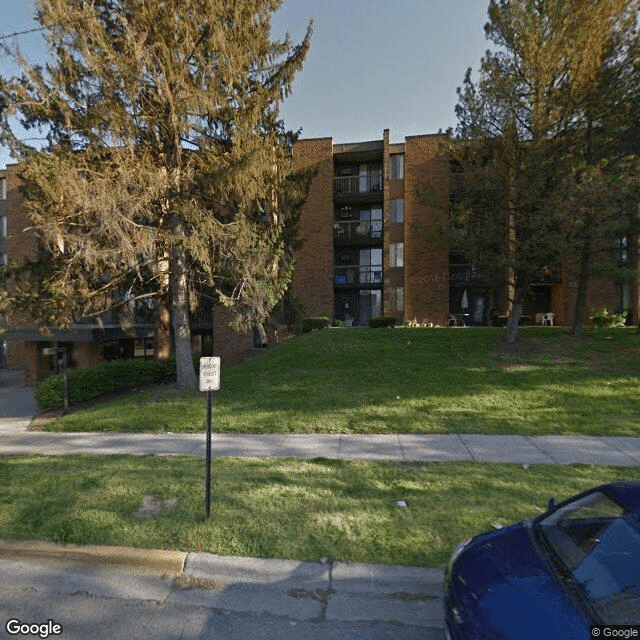
340 Eastern Ave, Newark, OH 43055
To contact a resident: (740) 349-8353
For more information about senior living options: (866) 208-4318
Washington Square Apartments Costs & Pricing
Washington Square Apartments offers a private room at a monthly rate of $7,850, which is notably higher than the average costs in both Licking County and the broader state of Ohio. In comparison, residents in Licking County can expect to pay around $4,855 per month for similar accommodations, while the statewide average is slightly lower at approximately $4,771. This significant difference underscores Washington Square's positioning as a premium housing option that likely provides enhanced amenities and services tailored to cater to those seeking a more luxurious living experience.
| Floor plans | Washington Square Apartments | Licking County | Ohio |
|---|---|---|---|
| Private | $7,850 | $4,855 | $4,771 |
Overall Review of Washington Square Apartments
Pros
 They stayed the night with a great friend.
- They had a lot of good times.
- They are clean.
- They provide excellent customer service and are very thorough.
Cons
 They note the property is clean but allows smoking, and the lingering cigarette smell is a major downside.
- They lost their phone and have not yet located it.
- They describe the place as horrible.
- They claim to be family-oriented but are far from it.
- They report a huge mouse problem that is not being addressed, plus creepy neighbors watching their kids and owners focused on money.
- They would not recommend living there due to meth heads living there and related issues.
Review
Washington Square Apartments in Newark, OH is best suited for budget-conscious adults who can tolerate on-site smoking and do not require a pristine, safety-forward living environment. The property functions as a straightforward, no-fruss option where basic cleanliness and responsive staff may appear, but without the polish or protections of higher-tier senior communities. It rewards those who view smoking as an acceptable trade-off for lower rent and proximity to local services, and who do not depend on elaborate safety features or family-friendly amenities. In short, this is a pragmatic, cash-and-carry option rather than a care-centered or highly protective setting.
Those with children, mobility concerns, or who require a strictly non-smoking, pest-free environment should consider alternatives. Families and seniors who prioritize safety, consistent pest control, and a smoke-free atmosphere will likely find better value elsewhere. Prospective residents should compare peer facilities with documented non-smoking policies, stronger security arrangements, and proactive maintenance. If a strong emphasis on privacy and safety for kids is essential, the property’s reported safety concerns and neighbor issues signal that other options will better align with those priorities. In short: this community is not the right fit for safety-critical or family-focused living.
Key positives show through in two areas: an appearance of cleanliness and a staff that can be thorough and responsive. These factors can make day-to-day life more manageable when issues arise, and they indicate the operation can address problems when they are brought to attention. Yet these strengths are repeatedly undermined by the toughest realities reported by residents. The presence of cigarette odor, even in seemingly clean spaces, reduces comfort, while a persistent rodent problem points to maintenance gaps that a competent service record cannot fully offset. The contrast makes it clear: service quality alone cannot compensate for pervasive livability flaws.
Smoke permeates daily living. Although units are described as clean, the policy allowing smoking yields a smell that lingers and affects non-smokers and allergy-prone residents alike. For seniors or families with respiratory concerns, this is a serious deal-breaker rather than a minor nuisance. Meanwhile, the mouse problem compounds the challenge, with repeated reports that pests are not being addressed promptly. Add in perceptions that owners are more focused on revenue than resident welfare, and the atmosphere shifts from average to precarious. When safety worries surface, neighbors watching from windows and impressions of illegal activity, the calculus becomes even more pointed against choosing this community.
On the upside, the best references point to genuine, thorough customer service from some staffers. That consistency indicates where missteps originate and where improvement could come from with proper leadership and accountability. For a tenant who can work around smoke or pest concerns, this suggests a potential for a more stable experience if management commits to visible, ongoing fixes. However, the presence of chronic complaints undercuts the value proposition for most households, especially those seeking stability and predictability. Until pest and smoke issues are demonstrably controlled, the positive service notes remain a conditional advantage rather than a reason to commit.
The practical decision is to treat Washington Square as a fallback option rather than a first choice. For those with flexibility, visiting multiple communities and asking hard questions about smoking policies, pest-control schedules, neighbor safety, and lease protections is essential. If smoke-free living, robust pest management, and strong security are non-negotiable, alternatives, especially other Newark-area senior or assisted-living options, should be pursued. If budget and proximity trump these concerns, proceed with clear expectations and a detailed plan for monitoring maintenance, safety concerns, and complaint escalation. In the end, choosing this site requires accepting trade-offs that many families will rightly reject.
 Independent Living

 Recognizing the Journey: Understanding and Navigating Anticipatory Grief
 Encouraging Participation in Adult Day Care: A Guide to Supporting a Hesitant Parent
 Comprehensive Exploration of Living Wills and Other Advance Directives