
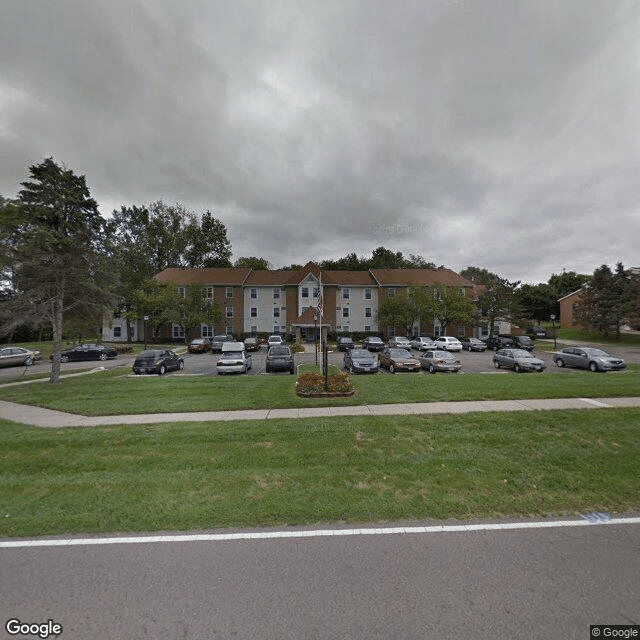
1030 S 30th St, Newark, OH 43056
To contact a resident: (740) 522-8535
For more information about senior living options: (866) 208-4318
Overall Review of Mitchell Bill E Retirement
Cons
 The reviewer alleges that money was stolen from their deposit, including $40.
- The reviewer claims money is owed to them related to rent adjustments.
- The reviewer states that $100 is owed to them by maintenance.
- The reviewer asserts that furniture was stood on and damaged.
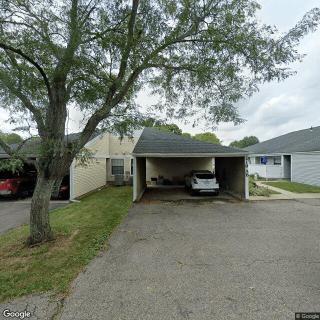
- The reviewer accuses management of targeting disabled and low-income residents and of refusing to meet disability access laws on walkways (36 inches wide).
- The reviewer says staff drag their feet to avoid paying, blaming the tenant and making excuses after excuses.
- The reviewer notes that it is very difficult to reach anyone in the office.
Review
Mitchell Bill E Retirement is best suited for independent seniors who are budgeting carefully and can function with a lean management footprint. This community may appeal to residents who want a lower-cost option and are prepared to stay actively involved in their own financial affairs and day-to-day operations. Families considering it should recognize that a hands-on, vigilant approach is essential, with an expectation of frequent follow-up on deposits, rent adjustments, and maintenance requests. In short, this option can work for someone who does not require intensive care and who can tolerate a basic, no-frills environment while maintaining close oversight of finances and service delivery.
The most glaring concerns center on trust and accountability. Multiple reviewers allege financial improprieties, including deposits or credits allegedly not returned, rent-related reimbursements unpaid, and even maintenance funds unaccounted for. There are also disturbing accounts of property damage attributed to staff and a perception that disability or low-income residents are particularly vulnerable to mistreatment. The core issue is not merely dissatisfaction with service, it's a pattern of resistance to payment obligations and a perception that the office drags its feet or deflects responsibility. Add to that the difficulty residents report in getting through to the office, and the environment starts to feel unstable and unresponsive.
Pros, where present, are narrow but real: the facility offers a low-cost entry into assisted living-adjacent options, which matters to families weighing long-term affordability. For residents who require minimal daily assistance and want to avoid higher monthly bills, the savings can be meaningful. A small group of reviewers also indicate at least some level of positive experiences, suggesting that when interactions go smoothly, the community can meet basic expectations for housing and schedule-friendly routines. However, these positive notes appear fragile in the face of ongoing financial and administrative concerns, making them easy to overlook against a backdrop of instability.
The balance of evidence strongly favors caution. The potential affordability is overshadowed by a pattern of alleged financial mismanagement and weak accountability. When a facility risks misplacing or withholding funds that belong to residents, the core promise of safety and predictable living becomes suspect. For residents with disabilities, or for families who must rely on the community to maintain safe, compliant walkways and accessible paths, these concerns become decisive. In practical terms, the pros do not adequately offset the main cons for most residents who require reliable financial stewardship, timely responses, and demonstrable adherence to resident rights and safety standards.
Families should seriously consider alternatives if the priority is stable finances, transparent operations, and proactive maintenance. Look for communities with clear, written policies on deposits, rent credits, and reimbursements, plus documented procedures for addressing maintenance and accessibility issues. A facility with accessible, responsive management and verifiable proof of compliance with disability standards will translate into less stress and fewer family interventions. If the resident needs moderate-to-high levels of care, or if the budget cannot absorb risk from potential financial disputes, directing attention to a facility with stronger governance and higher resident-rights protections is prudent.
In the end, a clear plan is essential before committing. Prospective residents and families should demand a comprehensive financial ledger, signed policies on deposits and reimbursements, and a recent maintenance log with open work orders and pay-outs. Schedule in-person meetings with the administrator to review accessibility features and confirm ADA-compliant walkways are in place. Request references from current residents and independent ombudsman feedback to triangulate the facility’s performance. If the answers satisfy transparency and accountability standards, the community may serve as a workable budget option; if not, steer toward facilities with demonstrated governance, proactive communication, and stronger protection of resident funds and rights.
 Independent Living
 John Glenn Columbus International Airport (24 miles away)
 Strong on-site amenities and 24/7 care with transportation.



 Comprehensive Approaches for Arthritis: A Detailed Guide to Symptoms, Causes, and Care
 Comprehensive Insights and Practical Strategies to Help Older Adults Avoid Falls
 6 Crucial Ways an Elder Law Attorney Assists Families