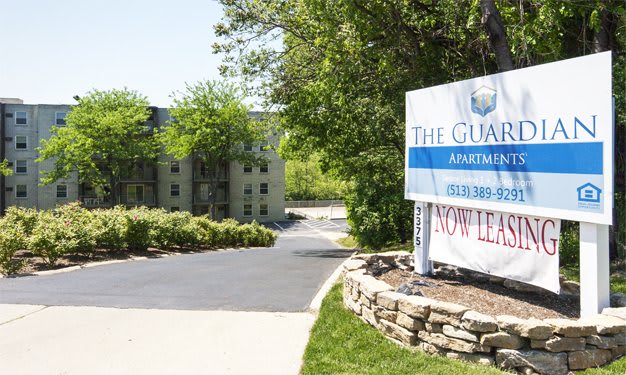
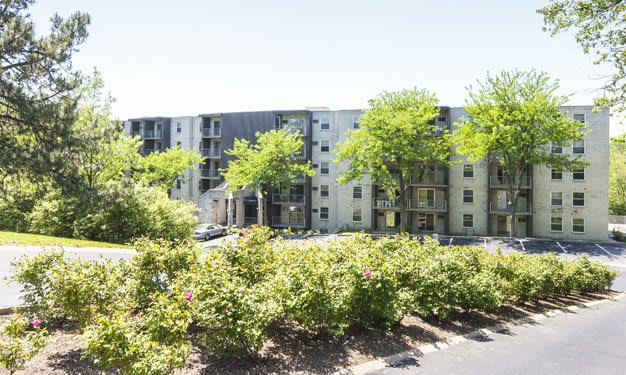
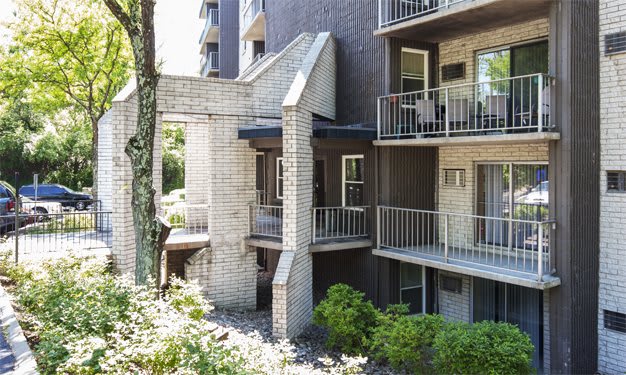
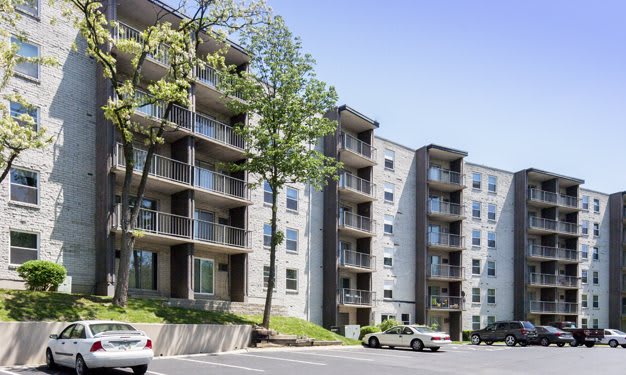
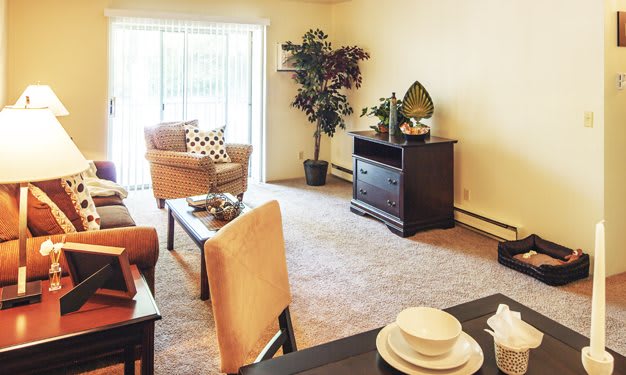
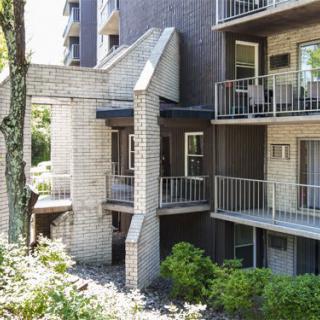

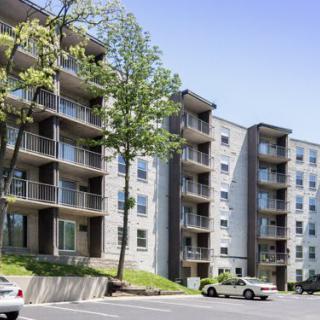
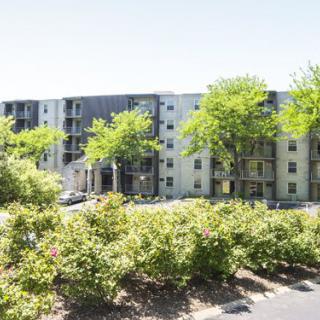
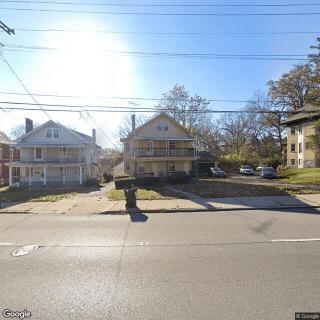
3375 McHenry Avenue, Cincinnati, OH 45225
To contact a resident: (513) 389-9291
For more information about senior living options: (866) 208-4318
The Guardian Apartments Costs & Pricing
The Guardian Apartments offer a compelling value in terms of rental costs, particularly when compared to the average expenses in Hamilton County and the broader state of Ohio. For instance, a one-bedroom unit at The Guardian is priced at just $505 per month, significantly lower than the county average of $4,174 and the state average of $3,712. Similarly, two-bedroom units are available for $650, which again stands in stark contrast to Hamilton County's average of $4,030 and Ohio's statewide figure of $3,501. These competitive rates not only underscore The Guardian Apartments' affordability but also highlight their position as a desirable option for residents seeking quality living without the hefty price tag typically associated with the region.
| Floor plans | The Guardian Apartments | Hamilton County | Ohio |
|---|---|---|---|
| 1 Bedroom | $505 | $4,174 | $3,712 |
| 2 Bedrooms | $650 | $4,030 | $3,501 |
Independent Living communities with a similar price nearby
-
About the same

SEM Villa
$500 / month14.9 miles away
Overall Review of The Guardian Apartments
Pros
 The property manager is very nice and professional.
- Residents are friendly and caring.
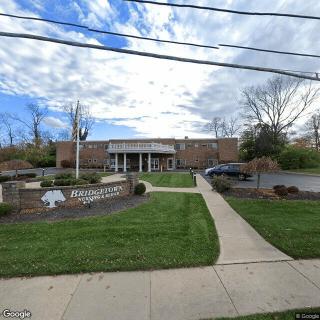
- The building is nice for older people.
- Management and staff are great.
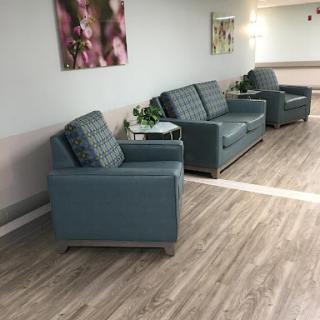
- The recreation and community rooms are nice, and neighbors are friendly.
- The place is nice.
Cons
 The phones in the complex don’t work and haven’t worked ever.
- There is a major security concern for senior citizens.
- Maintenance requests are not consistently addressed, with issues often going unresolved.
- The intercom system frequently needs work and can prevent entry.
- The building has chronic elevator outages, leaving residents with limited access and some effectively confined by a broken elevator.
- The rear entry door is difficult to access for wheelchairs and grocery carts.
- There is no security patrol in the building.
- Rent is described as overpriced, with slow or delayed return of calls after inquiries.
- There are no planned activities for seniors, indicating a lack of programming.
Review
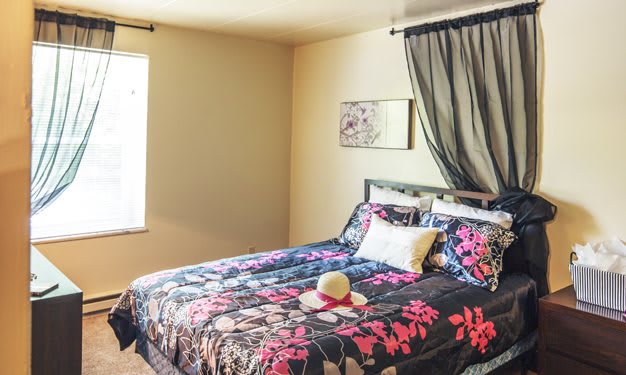
The Guardian Apartments in Cincinnati is best suited for independent seniors who want a pleasant, traditional apartment setting with quiet conveniences and a friendly, if uneven, on-site team. It works for residents who can advocate for themselves and tolerate episodic maintenance hiccups, a slower pace of operational fixes, and a building ambiance that feels solid rather than flashy. Those who need constant, guaranteed elevator access, robust security patrols, structured daily programming, or a predictable, budget-friendly cost should consider alternatives. This is a practical option for someone who prioritizes location, parking, and a comfortable living space over turnkey care coordination or heavy on-site services.
The most troubling fault lines center on communication and maintenance. Phone lines and the resident app are inconsistent at best; when maintenance is requested, responses are erratic, with some issues dragged out over days or weeks. The intercom and entry controls have failed, complicating access for aides and medication deliveries, which directly affects safety and daily routines. There is some evidence of progress, issues that required escalation were eventually addressed, and individual staff members have shown professionalism, but the baseline reliability is not where families expect it to be. This inconsistency frays trust and makes day-to-day management feel reactive rather than managed.
Accessibility and safety vulnerabilities compound the concern. The building reportedly operates with a single elevator that is frequently out of service, leaving upper-floor residents stranded or dependent on inconsistent access arrangements. Descriptions of rear-entry doors that are difficult for wheelchairs and carts to navigate further erode confidence in safe, independent living. When outages coincide with deliveries, med passes, or aides, residents become effectively immobilized and reliant on availability rather than a predictable system. While some residents praise a courteous property manager and certain staff, the overall infrastructure strain remains a clear warning sign for anyone with mobility needs or emergency planning requirements.
Pricing and service tone add additional friction to the value equation. Prospects have encountered quotes for vacant two-bedroom units that feel steep relative to the level of reliability delivered, and some inquiries drag without timely replies. Mixed feedback on staff demeanor, coupled with standout moments of professionalism, suggests uneven customer service that can swing perception of value from positive to frustrating. Parking is abundant, which helps practical day-to-day life, but high rents paired with inconsistent responsiveness undermine the sense that this is a well-balanced senior living option. In short, the tangible benefits, comfort, location, and neighborliness, often clash with operational instability.
Practical guidance for families is to enter with a clear plan for ongoing self-advocacy and risk mitigation. Before committing, verify the current elevator status and maintenance escalation pathways, confirm that entry controls and deliveries will function reliably, and request a transparent schedule for programming or social activities if engagement matters. Seek recent resident feedback about response times and issue resolution, and consider touring with a few residents to gauge whether improvements are consistent or episodic. If accessibility, predictable maintenance, and steady daily programming are non-negotiables, a more consistently operated building will likely deliver greater peace of mind.
Ultimately, The Guardian Apartments can be a viable fit for seniors who prize a nice living space, straightforward amenities, and a relatively easy commute, provided tolerance remains high for maintenance variability and entry-access quirks. The right resident is one who can tolerate occasional service gaps, who has a plan for self-advocacy, and who accepts that safety and access may require proactive oversight rather than passive reliance on staff systems. For those prioritizing guaranteed elevator access, steady, proactive maintenance, robust daily programming, or price-stability, more consistently operated communities will offer meaningful, lower-stress advantages.
 Independent Living
 Cats allowed
 Dogs allowed
 Activities on-site
 Bath tubs
 Indoor common areas
 Outdoor common areas
 Cincinnati Northern Kentucky International (9 miles away)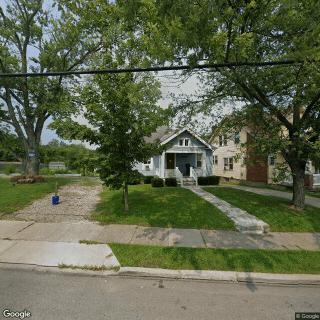

 Caregiver Exhaustion: Recognizing the Signs and Restoring Your Well-Being
 Understanding Hospice Care at Home: Comprehensive Services, Key Benefits, and Eligibility
 Understanding the Full Cost of 24/7 In-Home Care: A Detailed Overview