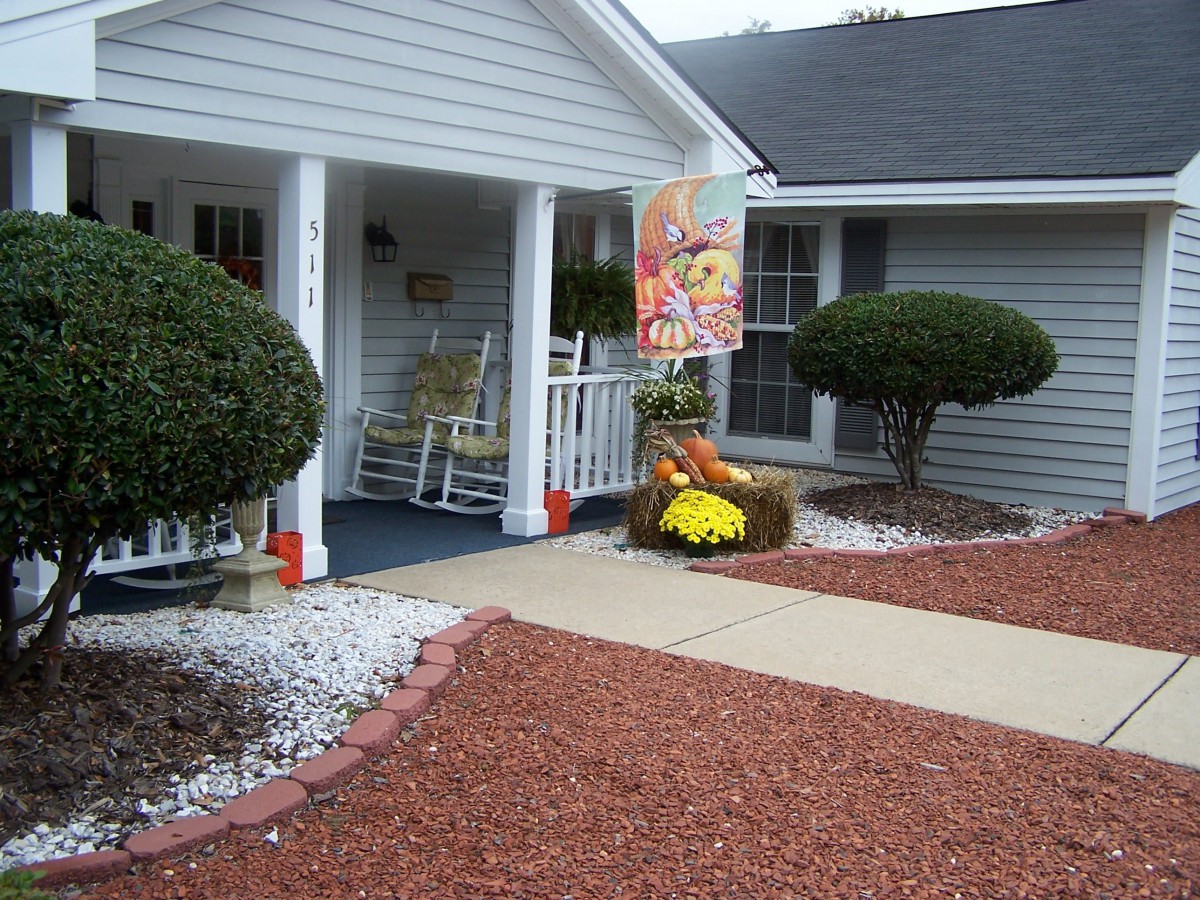
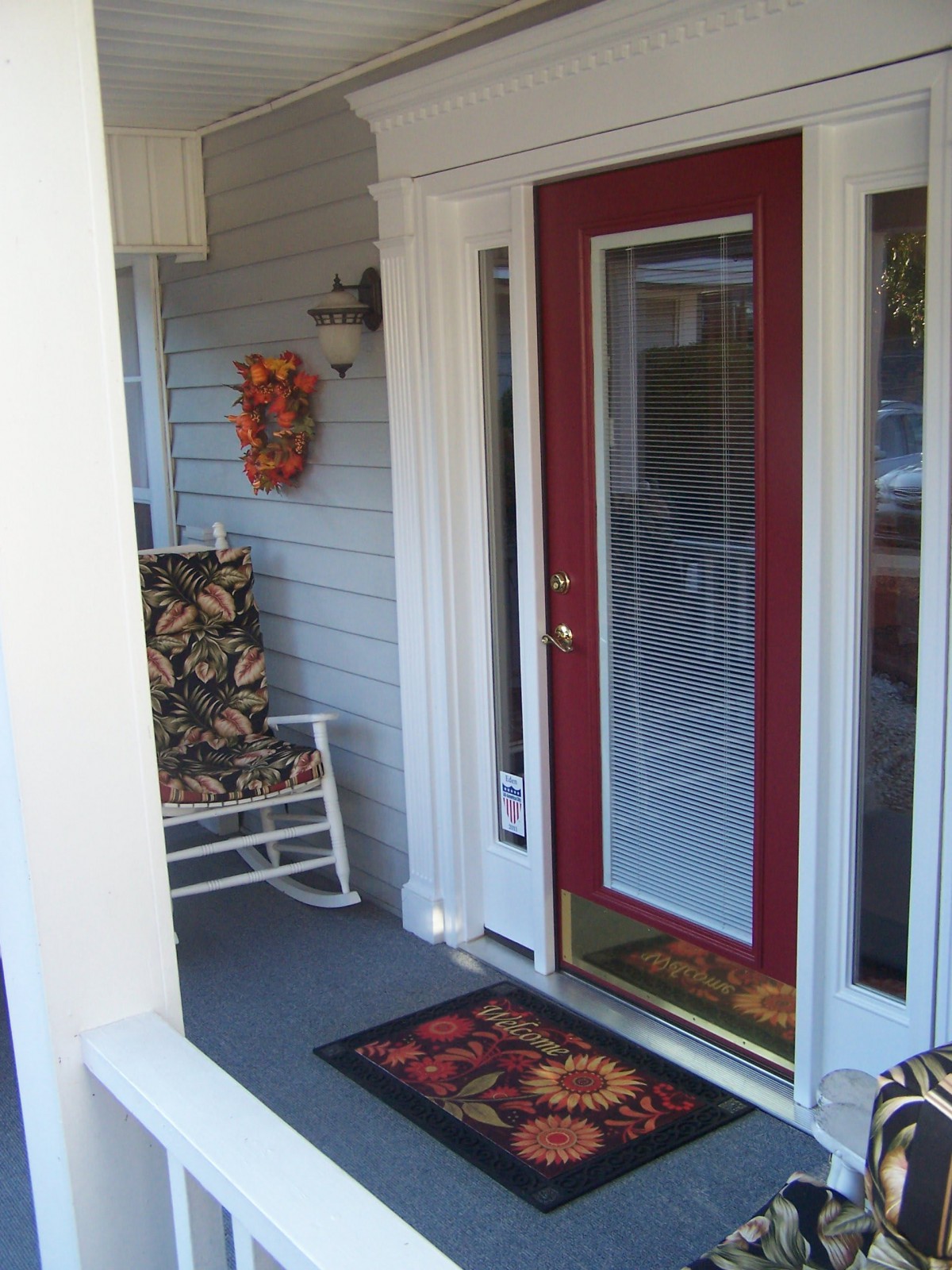

511 Carolyn Ct, Eden, NC 27288
To contact a resident: (336) 623-5743
For more information about senior living options: (866) 208-4318
Bayberry Retirement Inn Costs & Pricing
Bayberry Retirement Inn offers an appealing cost structure for seniors seeking comfortable living arrangements, with studio accommodations priced at $2,310 per month. This is notably lower than the average monthly costs in Rockingham County, which stand at $3,714, and even more so compared to the state average of $4,020 for similar services in North Carolina. These competitive rates make Bayberry Retirement Inn an attractive option for families looking to provide quality care without stretching their budget too thinly. The difference in pricing not only underscores Bayberry's focus on affordability but also highlights its commitment to delivering value without compromising on the quality of life for its residents.
| Floor plans | Bayberry Retirement Inn | Rockingham County | North Carolina |
|---|---|---|---|
| Studio | $2,310 | $3,714 | $4,020 |
Independent Living communities with a similar price nearby
-
from +$285 / mo

Commonwealth Senior Living at Stratford House
$2,595 to $4,104 / month22.0 miles away -
from -$295 / mo

Commonwealth Senior Living At Stratford House
$2,015 to $3,775 / month20.4 miles away -
from +$115 / mo

Carolina Estates Gracious Retirement Living
$2,425 to $4,095 / month24.9 miles away -
from -$454 / mo
Countryside Village Retirement Community
$1,856 to $2,821 / month21.0 miles away -
from +$290 / mo
North Pointe of Mayodan
$2,600 to $4,000 / month11.8 miles away
Overall Review of Bayberry Retirement Inn
Pros
 Bayberry Retirement Inn is kept very clean and presents a nice appearance.
- The staff are friendly, make an effort to communicate with residents and visitors, and greet people warmly.
- Bayberry is one of the cleanest places, with very friendly staff who take the time to get to know residents.
- The facility is really nice, well maintained, and offers a lot of activities for residents.
- The meals are very good, and staff are willing to adjust portions upon request.
- Bayberry is a great place, and residents are very happy there.
- The tour experience was pleasant, with helpful staff and a clean, well-maintained environment.
- The community is close, convenient, and has a lot to offer.
- The reviewer would recommend this community to others seeking a nice place to call home.
Cons
 Their menus are lacking.
- The dinner can be a little light.
- Vegetables are served only occasionally.
- The portion sizes are too small.
Review
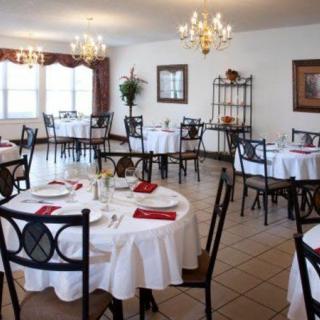
Bayberry Retirement Inn in Eden, North Carolina is best suited for seniors who want a clean, welcoming, and socially active community with reliable staff contact and a sense of home. It works well for residents who value easy family visitation, regular programming, and a management team that knows residents by name and responds to requests. The combination of tidy spaces, pleasant public areas, and predictable daily routines makes it a practical fit for couples or individuals seeking stability without heavy medical needs. In essence, it serves those who prioritize warmth, cleanliness, and everyday engagement over specialized or intensive care.
Alternatives may be worth considering for residents who require robust, meal-forward dining with guaranteed portions, or those needing stronger medical oversight, memory care, or a heavier care plan. The dining program, while capable and often good, can deliver lighter dinners with vegetables limited to certain days, and that variability may frustrate residents who prefer larger meals or richer vegetable options. For families with particular dietary expectations or fixed schedules, exploring options with more consistent menu choices and guaranteed portion sizes is prudent.
What stands out at Bayberry are cleanliness, friendly staff, and open communication with families. Residents and visitors can expect staff who greet and engage, and a management team that listens and adapts when concerns are raised. The living spaces and common areas are well kept, and there is a sense of pride in maintenance. Premium rooms are available for those seeking extra comfort. The community offers a broad slate of activities, contributing to social engagement and daily purpose. Meals are described as good by many, with some variation, but the overall food experience aligns with a solid assisted-living expectation.
The main drawbacks center on dietary intensity and consistency. Dinners can feel light, and vegetable servings don’t appear as frequently as some residents would like. Menu decisions appear flexible but may hinge on budget considerations or crowd dynamics, which can leave expectations unclear. A portion of residents reports small servings, though staff often respond by offering additional food upon request. These inconsistencies are notable but not crippling, and they tend to be mitigated by the director’s willingness to adjust and by the attentiveness of the dining staff when concerns are raised.
Despite these drawbacks, the positives offset the negatives in meaningful ways. Cleanliness and curb appeal set a welcoming tone from the moment one arrives, and staff familiarity with residents and families builds trust. The proactive director, especially regarding menu suggestions and special dietary needs, demonstrates adaptability that matters in daily life. A robust menu of activities supports social vitality and cognitive engagement, while premium rooms provide tangible comfort for those who value extra space and amenities. For families prioritizing reliability, accessibility, and open communication, Bayberry delivers a compelling value proposition.
For families prioritizing a warm, accessible, and well-maintained environment with active programming and responsive leadership, Bayberry stands up well. It suits residents who are reasonably independent day-to-day but want reassurance of attentive care and easy interaction with staff. Those with stringent dietary requirements, a need for heavy meals, or a plan requiring advanced medical oversight may want to compare with alternatives or schedule a direct menu discussion to gauge flexibility on portions and vegetables. A visit that includes meeting the director, sampling meals, and reviewing room options will clarify whether Bayberry aligns with specific care goals and budget.
 Independent Living
 Activities off-site
 Air-conditioning
 Bath tubs
 Beautician on-site
 Cable or satellite TV
 Devotional services on-site
 Ground floor units
 Handicap accessible
 Indoor common areas
 Outdoor common areas
 Respite or short term stays offered
 Wi-Fi/high-speed internet available
 Gluten-free
 BBQs or picnics
 Birthday parties
 Day trips and outings
 Live musical performances
 Trivia games
 Wii bowling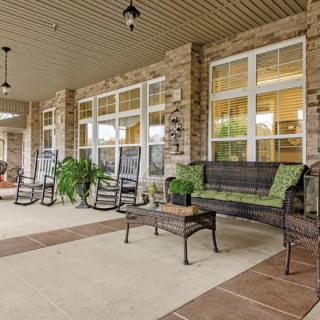




 Caregiver Exhaustion: Recognizing the Signs and Restoring Your Well-Being
 Understanding Hospice Care at Home: Comprehensive Services, Key Benefits, and Eligibility
 Understanding the Full Cost of 24/7 In-Home Care: A Detailed Overview