
480 Balltown Rd # 5, Schenectady, NY 12304
To contact a resident: (518) 393-4333
For more information about senior living options: (866) 208-4318
Overall Review of Glenn Eddy Retirement Life Ctr
Pros
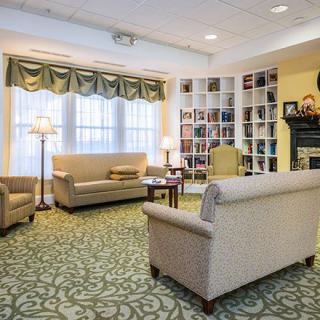
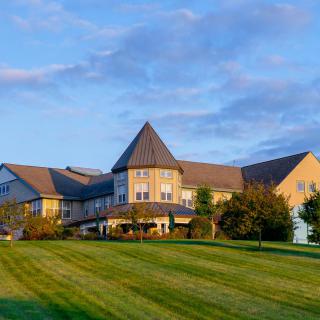
 Glen Eddy offers lovely, spacious cottages and a peaceful, beautiful campus with abundant wildlife.
- Residents are greeted with warmth and enthusiasm, creating a welcoming community.
- The activity program provides something for everyone, with a wide range of events and trips.
- Staff are friendly, helpful, and dedicated to keeping residents happy.
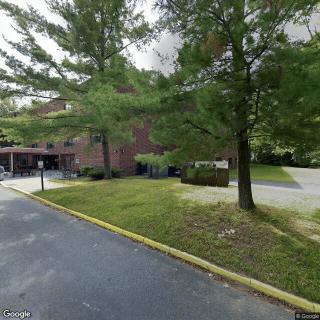
- The campus is beautiful, walkable, and surrounded by scenery and wildlife.
- New residents feel welcomed by both neighbors and staff from the start.
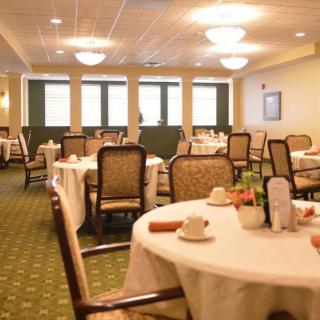
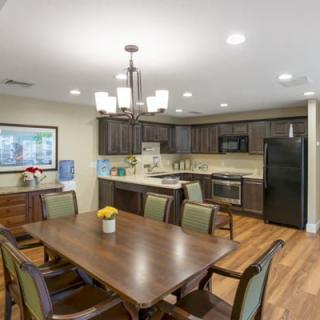
- The dining room is a great place to socialize, with good food and accommodating service.
- There are a variety of floor plans and many activities, promoting a vibrant social life.
Cons
 The grandfather’s family reports terrible staff and mistreatment at Glen Eddy.
- The staff are described as constantly disregarding him, and the food is terrible.
- He has lost a significant amount of weight due to the poor quality of the food and his reluctance to eat it.
- The reviewer warns that Glen Eddy is not the place to put loved ones.
Review
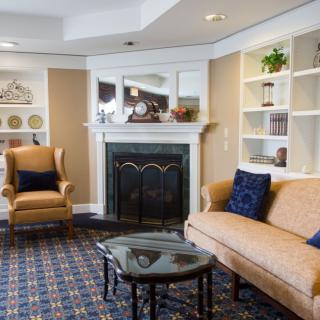
Glen Eddy Retirement Life Center in Schenectady is best suited for independent seniors who want a scenic, walkable campus, private cottages or apartment options, and a robust social calendar that keeps daily life active without sacrificing privacy. The setting appeals to those who prize a home-like atmosphere, ongoing activities, and a community that feels welcoming from day one. Residents routinely point to the beauty of the grounds, opportunities to view wildlife, and the ease of engaging in off‑campus trips and cultural outings. For many, the combination of tranquility, well‑maintained spaces, and a responsive staff creates a sense of belonging that makes the retirement transition smooth and sustainable.
However, Glen Eddy may not be the right fit for everyone. Individuals who anticipate needing substantial medical support, memory care, or high-touch personal supervision should consider alternatives or demand explicit assurances about care pathways. Several reviews surface variation in staff responsiveness and dining quality, and one family member described neglect and serious weight loss in a relative. When consistent caregiving, strict dietary oversight, or reliable daily assistance are non‑negotiables, it is prudent to explore options that promise more predictable care trajectories.
On the plus side, the campus delivers a compelling package for independent living. Cottage living is widely praised for space and privacy, while the grounds encourage easy walking and wildlife watching. The activity program spans exercise classes, clubs, social outings, and lectures, giving residents substantive reasons to engage and connect. Dining serves as a social anchor, with a welcoming dining room and staff willing to accommodate preferences. Administrative leadership is accessible and appears responsive in resident meetings, a feature that matters deeply to families seeking reassurance. In sum, the atmosphere tends to be welcoming, and many residents report a settled, satisfying experience with a strong sense of community that supports aging in place as health needs evolve.
Yet the narrative is not uniformly rosy. A particularly concerning review comes from a family member who cites ongoing staff lapses and subpar food quality that coincided with health decline. The implication is clear: while many residents enjoy friendly staff and solid programming, inconsistencies in caregiving and nutrition cannot be ignored. Other reviews hint at gaps in service levels during busy periods or with staff turnover, underscoring a reality that care quality can vary by shift and day. Prospective residents should plan a rigorous onsite assessment, sample meals, observe routine interactions, and probe the community’s track record for dependable care and consistent dietary standards.
When weighed against the strengths, the campus’s beauty, the private living options, an active social calendar, and generally responsive administration, the community remains a solid option for those prioritizing independence and sociability. The continuity offered as health declines within the Eddy system is a meaningful advantage for families seeking stability and gradual transitions. The main caveat is risk tolerance: if steady, uniform caregiving or impeccably managed meals are essential, the potential for inconsistency could count against Glen Eddy. In such cases, it pays to compare with other campuses that emphasize fixed routines, higher staff-to-resident ratios, or more stringent nutritional programs.
For families weighing Glen Eddy, disciplined due diligence will pay dividends. Schedule a comprehensive tour, dine in the dining room, and talk with several residents about their day‑to‑day experiences. Seek current staffing levels and turnover data, and ask how the community handles dietary restrictions and changes in care needs. Confirm what on‑site services can be scaled if health demands escalate and how transitions are managed within the Eddy network. With clear expectations and a candid assessment of care reliability and dining quality, Glen Eddy stands as a practical, well‑rounded choice for active seniors seeking sociability, beauty, and home‑like living, provided there is a transparent plan for care consistency and dietary standards.
 Independent Living
 Albany Cty (5 miles away)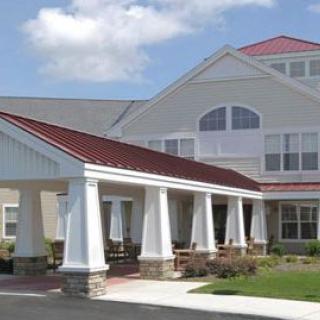

 Comprehensive Look at Senior Blood Pressure Charts: Normal and Elevated Levels by Age
 Top Canine Companions for Older Adults
 Comprehensive Guide to Blood Pressure Charts for Older Adults: Understanding Normal and High Readings by Age