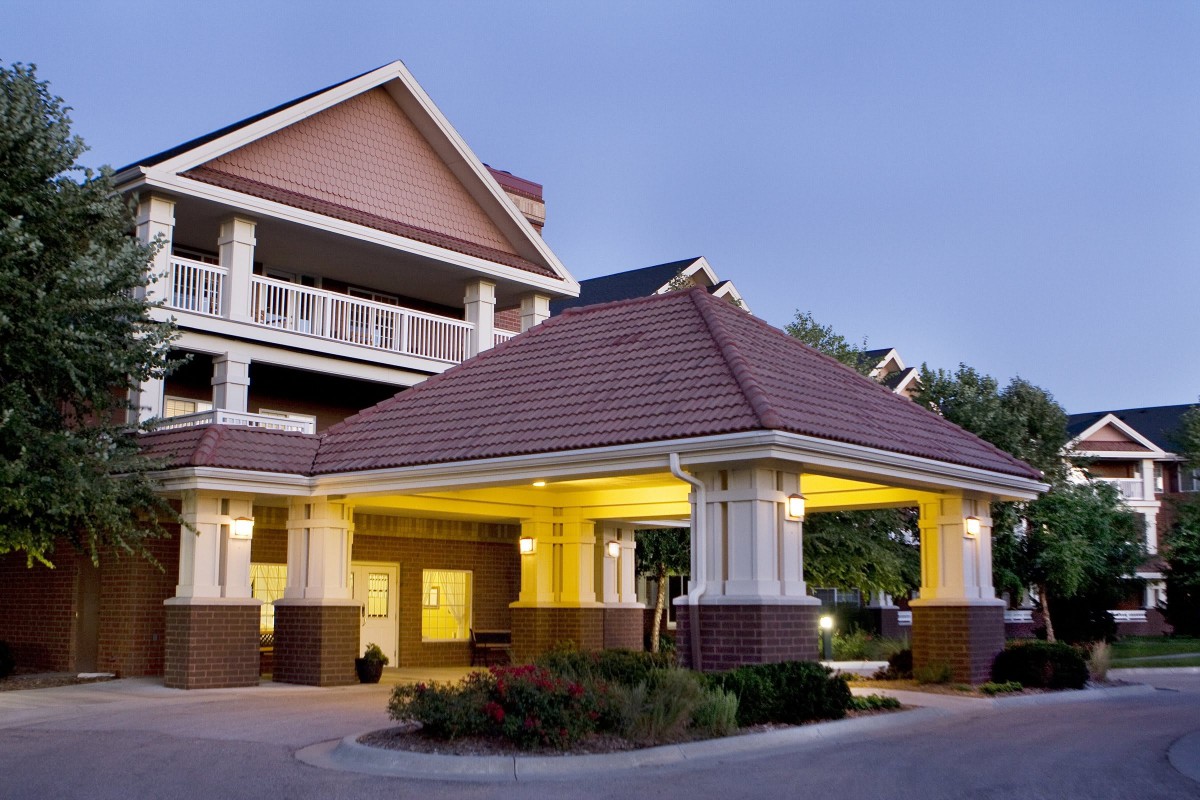
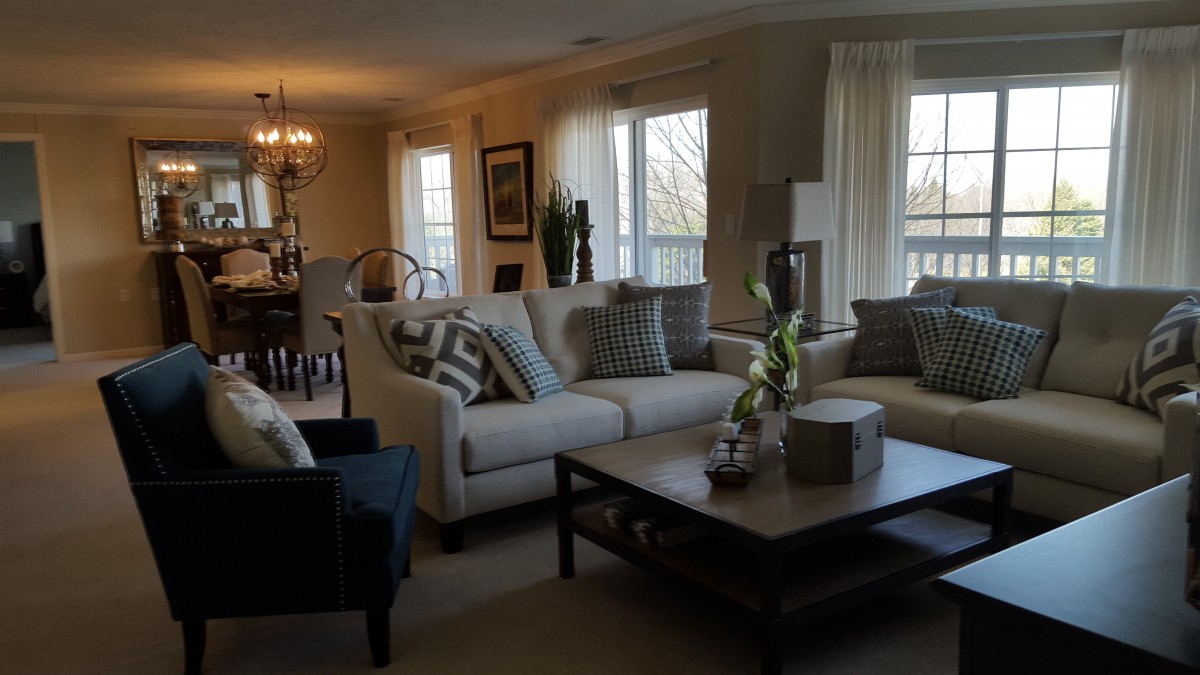
4400 S 80th St, Lincoln, NE 68516
To contact a resident: (402) 489-8505
For more information about senior living options: (866) 208-4318
The Grand Lodge at the Preserve a CCRC Costs & Pricing
The Grand Lodge at the Preserve, a Continuing Care Retirement Community (CCRC), offers competitive monthly rates that provide residents with access to various amenities and services designed for comfort and care. For instance, a one-bedroom unit is priced at $3,300, which is notably lower than the average cost in Lancaster County at $3,876, and slightly higher than the state average of $3,167. In contrast, the two-bedroom option stands out significantly; it is listed at $33,710 per month - this figure appears to be a typographical error as it starkly contrasts with typical market rates. A corrected understanding might reveal an attractive pricing strategy tailored for couples or those needing additional space. When compared to the surrounding county and state averages for similar accommodations - $5,979 in Lancaster County and $3,627 statewide - The Grand Lodge positions itself as an appealing choice for seniors seeking a vibrant living environment coupled with essential health care services.
| Floor plans | The Grand Lodge at the Preserve a CCRC | Lancaster County | Nebraska |
|---|---|---|---|
| 1 Bedroom | $3,300 | $3,876 | $3,167 |
| 2 Bedrooms | $33,710 | $5,979 | $3,627 |
Independent Living communities with a similar price nearby
-
from -$175 / mo
The Knolls
$3,125 to $3,800 / month4.4 miles away -
from -$400 / mo
Pemberly Place
$2,900 to $4,500 / month2.1 miles away -
from +$111 / mo
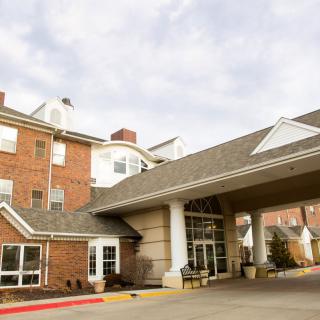
Savannah Pines Retirement Community
$3,411 to $4,010 / month3.4 miles away -
from +$300 / mo
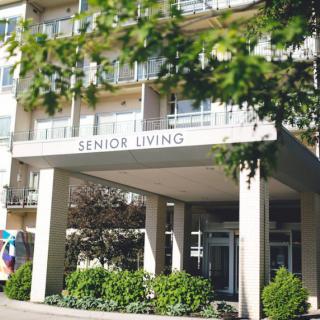
Gateway Vista
$3,600 to $5,880 / month3.7 miles away -
from -$163 / mo
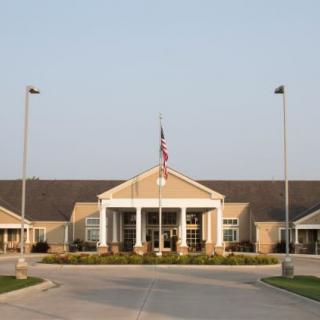
Yankee Hill Village
$3,137 to $6,236 / month4.4 miles away
Overall Review of The Grand Lodge at the Preserve a CCRC
Pros
 The staff are very helpful and genuinely care for residents.
- They regularly check in with families and assist residents with any issues.
- They quickly fix or adjust things, even simple tasks residents forget.
- They keep residents' apartments clean, including windows.
- During emergencies they check on residents to ensure they and their pets are safe.
- The administration is wonderful.
- Residents are very happy with GL.
- Families can stay in residents' apartments and use meal credits, with staff checking in regularly.
- Housekeepers are assigned to each resident and clean apartments every other week.
- They plan outings to grocery stores and malls, which are complimentary if enough residents sign up.
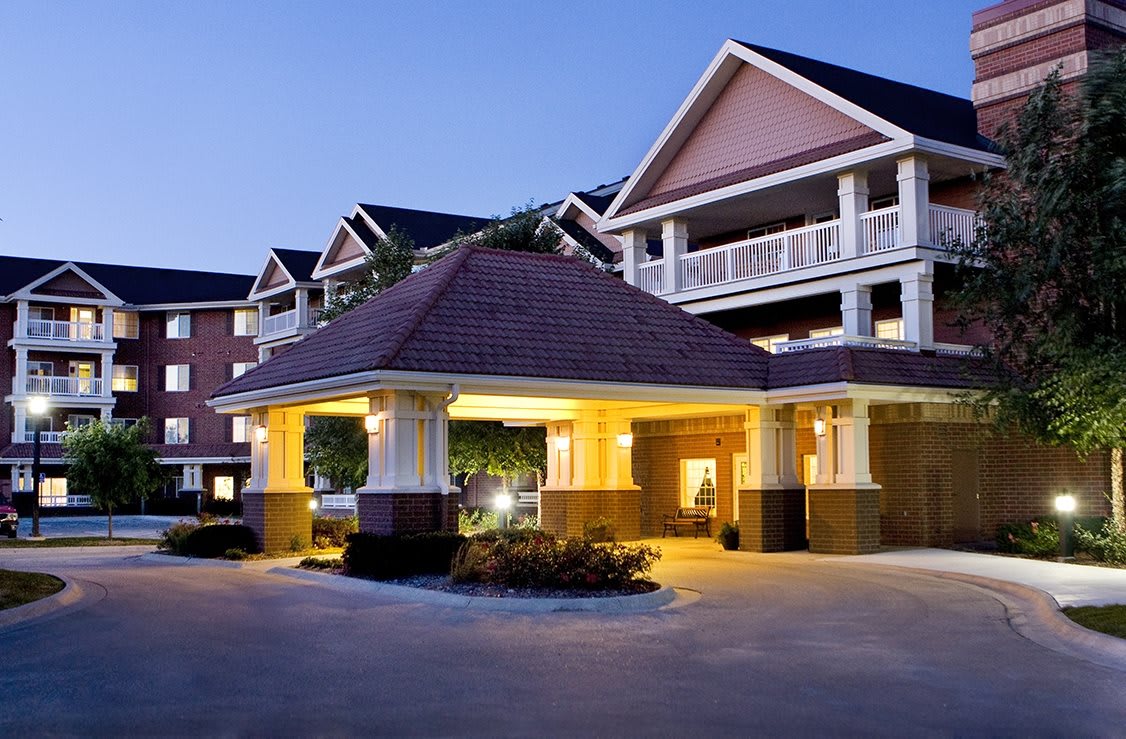
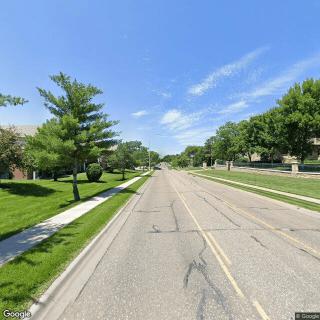
- Outdoor spaces and landscaping are kept up beautifully.
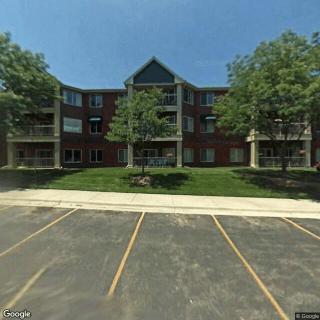
- Every apartment has a balcony.
- Residents would highly recommend The Grand Lodge to others.
- Residents have really enjoyed being there.
Cons
 Mom has not been real impressed with the current chef.
- Some of the meals lack flavor.
- The entry fee is expensive.
- If mom cannot continue to pay, the facility deducts from that amount.
- There are only ten Assisted Living apartments, so mom is already on a waiting list.
- There is a wish that all first-floor patio areas would be cleaned.
Review
The Grand Lodge at the Preserve is best suited for families seeking a high-touch, maintenance-free senior living environment where a resident can stay connected to a single campus as needs evolve, from independent living toward assisted living, without moving to a different community. This Lincoln, Nebraska campus functions as a true CCRC, with the vast majority of spaces allocated to Independent Living and a limited, tightly managed Assisted Living option. For households that prize proactive care coordination, strong staff accessibility, and a living environment that feels like a settled home, this community delivers with consistent warmth and responsiveness. The substantial entry-fee structure is a core element of the model, signaling long-term security and guaranteed housing as care needs change.
The strongest positives center on people and processes. Staff routinely demonstrate genuine care, with frequent check-ins and rapid attention to both small and larger issues. Family members consistently note that administration is approachable and that communication, through newsletters, calendars, and timely updates, keeps everyone in the loop. Housekeeping is attentive and resident-specific, with dedicated staff assigned to each apartment, delivering a clean, well-kept living space. The campus supports practical needs: free shuttle service to medical appointments and affordable transportation otherwise, prompt maintenance response, and a culture that welcomes a resident’s dog. Beyond daily living, there are planned outings and social activities that many residents embrace, reinforcing a sense of community and purpose.
A few operational and financial realities temper the otherwise sunny portrait. The entry fee is substantial, and while framed as “insurance” against future housing disruption, it represents a long-term financial commitment that can influence suitability for some families. Assisted Living capacity on campus is limited: roughly ten AL apartments versus a much larger Independent Living option, which means potential residents may face waiting lists if AL becomes necessary sooner than anticipated. Dining experiences show variability: a new chef has taken over and while the menu appears diverse, some residents note flavor gaps. The secondary dining venue, the Bistro, is undergoing renovations, and the impact of that transition can be felt. Not every amenity or space is perfectly polished, some residents mentioned patio upkeep as a shared responsibility, but these are relatively manageable friction points compared to the overall environment.
These pros offset the main cons most meaningfully when the priority is a trusted, resident-centered culture coupled with reliable, hands-on support. The combination of attentive caregivers, consistent family communication, and seamless operational responsiveness creates a true sense of security for residents and their families. The on-campus conveniences, transportation, housekeeping, maintenance, and accessible staff, reduce daily stress and help sustain independence longer. The limited AL inventory is a meaningful constraint only for those who need immediate assisted options; for others, the ability to stay on the campus as needs shift, rather than moving to a new community, remains a meaningful hedge against upheaval. The price tag and dining caveats are real, but they are balanced by the assurance of continuity, the care-forward ethos, and the feeling that this is a place residents and families can truly call home.
For decision-making, prioritize clarity around finances, availability, and alignment with lifestyle preferences. Prospective residents should verify current AL availability and expected wait times, ask for a detailed breakdown of the entry fee and what remains payable if ongoing payments pause, and confirm the exact scope of included services (transportation, housekeeping frequency, and care coordination). Tours should probe dining quality across venues, the strength and consistency of dining leadership, and the nature of activity programming to ensure it matches individual interests. Bring up practicalities such as pet policy, flexibility in family involvement, and the process for escalation if care needs accelerate. Importantly, pressure-test the communication cadence, how families are notified about any changes in care plans or facility operations, and assess whether the level of caregiver attentiveness matches expectations.
Ultimately, The Grand Lodge at the Preserve shines for families seeking a cohesive, caring campus where staff genuinely treat residents as part of a large, engaged family. It is especially compelling for those who value predictable routines, robust on-site services, and the comfort of staying in a single community as health needs evolve. Those with tighter budgets, urgent needs for dedicated Assisted Living spaces, or who require more diverse dining experiences may want to explore alternatives in Lincoln. Other Lincoln senior communities can offer different mixes of upfront costs, AL capacity, and culinary styles. The Grand Lodge is not a generic option; it is a deliberate choice for families prioritizing continuity, care quality, and a home-like atmosphere where staff and administrators work in concert with families to support the whole living experience.
 Independent Living
 Cats allowed
 Dogs allowed
 Activities off-site
 Air-conditioning
 Beautician on-site
 Cable or satellite TV
 Devotional services off-site
 Full kitchen
 Ground floor units
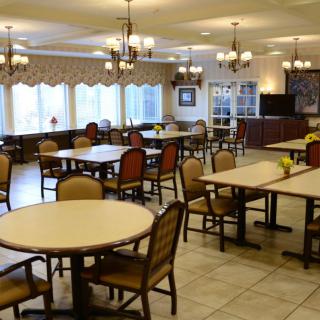
 Indoor common areas
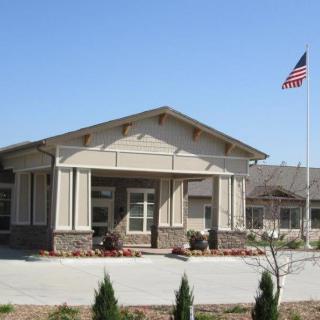
 Outdoor common areas
 Respite or short term stays offered
 Wi-Fi/high-speed internet available
 Lincoln Municipal (10 miles away)
 Ambulatory care
 Diabetic care
 Incontinence care
 Gluten-free
 Art classes
 Day trips and outings
 Educational speakers / life long learning
 Happy hour
 Live dance or theater performances
 Live musical performances
 Live well programs
 Visiting chaplain or priest
 Wine tasting
 Understanding the Nuances of Palliative Care and Hospice: A Comprehensive Exploration
 Fecal Incontinence in Older Adults: A Comprehensive Guide
 Nurturing Well-Being Through Gardening: A Detailed Guide for Senior Enthusiasts