
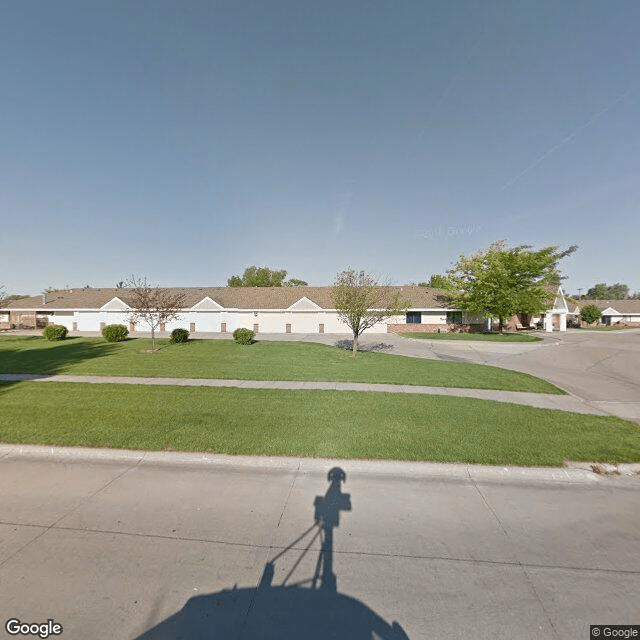
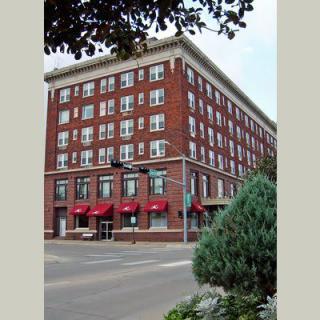
1235 N Laird Ave, Hastings, NE 68901
To contact a resident: (402) 461-4098
For more information about senior living options: (866) 208-4318
Regency Retirement Residence Costs & Pricing
Regency Retirement Residence offers a compelling value for senior living with its competitive pricing in comparison to both Clay County and the broader state of Nebraska. For a one-bedroom unit, residents enjoy an affordable monthly rate of $715, significantly lower than the county average of $3,458 and the state average of $3,167. Similarly, the two-bedroom option at Regency is priced at $810, which remains attractive when juxtaposed against the county's average of $2,383 and the state's higher average of $3,627. These rates reflect not only a commitment to accessible living options but also provide residents with an economical alternative while ensuring quality care and services in a welcoming environment.
| Floor plans | Regency Retirement Residence | Clay County | Nebraska |
|---|---|---|---|
| 1 Bedroom | $715 | $3,458 | $3,167 |
| 2 Bedrooms | $810 | $2,383 | $3,627 |
Overall Review of Regency Retirement Residence
Cons
 They couldn't give a true rating of the place.
Review
Best suited for seniors in Hastings who want a compact, home‑like retirement setting with light daily assistance and ample opportunities for social connection. Regency Retirement Residence appears to cater to residents who value a smaller community where staff can cultivate relationships and residents can stay engaged without entering a large campus environment. The posted figures show a modest overall score, 4 out of 5 from two reviews, with a mix of ratings (one five‑star, one three‑star). That small sample implies promise in certain experiences but also a need for caution; this is not a broad, data-rich verdict, and families should treat it as an invitation to dig deeper during tours and conversations with staff.
Those weighing alternatives should recognize this isn’t the best fit for someone requiring high‑acuity medical care, intensive nursing support, or memory‑care programming. If the priority centers on guaranteed access to a wide range of medical services on‑site, chronic disease management, or specialized dementia care, larger campuses with dedicated memory‑care wings and clearly documented clinical metrics will likely deliver more predictable coverage. For families with residents who have fluctuating care needs or who rely on aggressive care planning, a facility with a broader portfolio of services may be more reassuring.
The available feedback provides limited detail, so the pros and cons cannot be weighed with the precision that families deserve. The existence of a five‑star rating from one reviewer hints at positive experiences, perhaps in the atmosphere, the staff’s responsiveness, or the residents’ sense of community, but the absence of concrete notes makes those advantages feel provisional. Conversely, the other reviewer’s skepticism about rating veracity underscores an important caution: a small sample size plus vague commentary means practical conclusions require direct verification. This gap makes it essential to verify day‑to‑day reality through firsthand observation rather than rely on the published ratings alone.
To separate impression from reality, focus the upcoming visit on tangible cues: observe staff‑to‑resident interaction during quiet moments and peak activity periods; verify staffing levels on different shifts and the availability of a licensed nurse after hours; request a sample weekly menu, activity calendar, and transportation options; ask about incident reporting, emergency response times, and how care plans are updated as needs change. Ask to review sample room layouts and safety features (grab bars, call systems, fall precautions), and evaluate how meals accommodate dietary restrictions or cultural preferences. These observations will reveal whether the promised atmosphere translates into reliable daily support.
Financial clarity is indispensable. Request a transparent, no-surprises cost structure, including what is included in base rates versus what incurs additional charges (assistance with activities of daily living, medication administration, transportation, specialized therapies, or memory-care supervision). Obtain a current admissions agreement and a clear outline of fee increases over time, notice requirements if care levels need to escalate, and the policy on refunds or deposits if a move becomes necessary. Pair this with a comparison against alternatives in Hastings to determine whether Regency’s price point aligns with the level of service, predictability, and the resident profile sought.
The bottom line is practical and directional: Regency Retirement Residence can be a logical choice for Hastings families seeking a neighborly, low‑key setting where residents may enjoy companionship and straightforward daily routines. It appears to hold potential for those who value intimate, personalized attention within a manageable footprint. Yet for anyone prioritizing robust medical oversight, specialized memory care, or clearly documented care metrics, it is wise to broaden the search and schedule decisive visits to compare with other options. With two reviews providing only a snapshot, the best approach remains a disciplined, hands‑on assessment, talk to staff, residents, and families, and insist on seeing real‑world care in action before making a commitment.
 Independent Living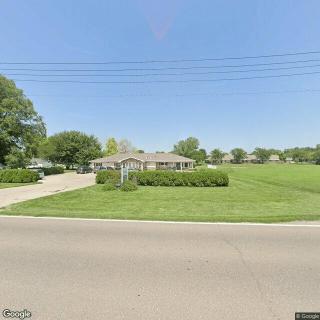
 Small, home-like community with personalized, name-by-name staff communication.



 Understanding Home Health Care: A Comprehensive Guide
 Home Health Care Demystified: A Comprehensive Guide for Families and Caregivers
 Seniors and Modern Transportation: Exploring Uber, Lyft, and Other Ride-Hailing Options