
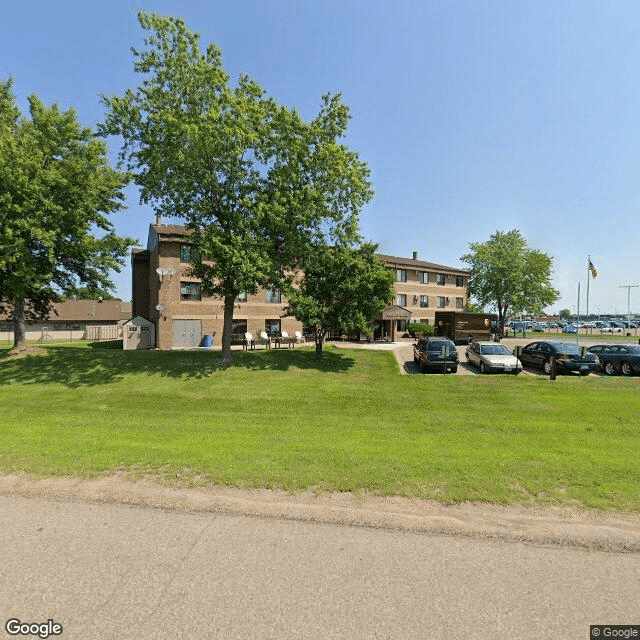
21001 John Milless Dr, Rogers, MN 55374
To contact a resident: (763) 428-4494
For more information about senior living options: (866) 208-4318
Overall Review of Pleasant Place Apartments
Pros
 The property has its ups and downs, but it is a safe environment.
Cons
 Three years later, the condition has worsened.
- Common Bond has decided not to employ a manager, leaving the property filthy.
- The laundry room is unusable.
- A building creep loiters in the hallway all day.
- One of the tenants has keys to much of the building and harasses most women who live there.
- Management lets him harass residents and insists he's just joking.
- Maintenance will bring him into residents' homes without permission.
Review
Pleasant Place Apartments in Rogers, MN is best suited for independent adults who foreground affordability and a basic living platform over polished management and guaranteed safety. The community tends to reward residents who can navigate a building with limited on-site oversight, who can handle their own maintenance needs, and who do not require staff to supervise daily routines or intervene in conflicts. It can work for someone who already has strong external supports, family or friends who can step in if conditions drift or issues arise, and who is comfortable with a hands-off approach to property management. In practical terms, this is a place where self-reliance, a willingness to tolerate variable upkeep, and a readiness to manage privacy and neighbor dynamics become a prerequisite.
Those who may want to consider alternatives are clear: anyone who needs dependable safety, responsive management, and consistently clean, well-maintained surroundings should look elsewhere. The reviews highlight a vulnerability not compatible with high-stakes needs, especially for women or other residents who require reliable security and clear boundaries. A tenant with keys to substantial parts of the building appears able to harass others, and management is described as permissive or absent at times. For families, elderly relatives, or individuals with health issues who expect proactive staff oversight, predictable maintenance, and a culture of accountability, this community raises red flags that more proactive properties would resolve.
The strongest, albeit narrow, pro referenced by some residents is the sense of a safe environment despite the ups and downs. That caveat exists alongside a troubling reality: safety cannot be taken for granted when management is scarce and when a dangerous dynamic between neighbors can play out openly. The mixed reviews suggest that while some tenants may feel secure at moments, the overall experience is marred by inconsistency in upkeep and by the potential for intimidation or intrusion. The variance among star ratings indicates that for a portion of residents, the environment does not rise to a level that justifies staying long-term, even if some days feel manageable.
The principal cons overwhelm any slender advantages. A building that has effectively ceased to employ a manager becomes a magnet for neglect, filth accumulates, the laundry room becomes unusable, and hallways can feel hostile or unmonitored. Harassment by a resident who has access to multiple parts of the building compounds risk, and reports suggest that management may not intervene decisively or appropriately. Privacy intrusions, such as maintenance personnel bringing someone into a private living space without corroborated consent, underscore a failure of basic protections. Changing a neighbor’s door lock in a hospital-related situation further exposes a troubling disregard for resident dignity and autonomy. In short, the safety and livability of the property hinge on factors that are inconsistently present, and the absence of robust management amplifies every risk.
For families evaluating options, the key questions are practical and concrete: Is there a full-time on-site manager with real authority to enforce rules, address complaints, and oversee maintenance? What is the policy on harassment, guest access, and privacy protections? How reliable is the cleaning schedule, and what steps are taken to resolve recurring maintenance failures (like a nonfunctional laundry room)? What is the process for reporting concerns, and how quickly does staff respond? Visiting at different times of day, speaking with several residents, and shadowing a typical day can reveal whether the touted “safe environment” is a genuine, consistent reality or a selective impression. A transparent, accountable operation that demonstrates prompt, respectful treatment of residents should be nonnegotiable.
In the end, Pleasant Place Apartments is not a sound match for households prioritizing safety, consistent maintenance, and proactive, resident-centered management. It may still be considered by individuals who are highly self-sufficient, comfortable with limited oversight, and able to tolerate a fluctuating level of cleanliness and security. For most families and for residents who require predictable safety, dignified treatment, and a well-supervised living environment, stronger options are worth pursuing. The prudent path is to seek communities with visible management presence, clear harassment policies, and demonstrable commitment to clean, secure, and respectful living, then pair that with direct visits, candid conversations with current residents, and a careful read of the house rules and enforcement history.
 Independent Living



 Understanding Home Health Care: A Comprehensive Guide
 Home Health Care Demystified: A Comprehensive Guide for Families and Caregivers
 Seniors and Modern Transportation: Exploring Uber, Lyft, and Other Ride-Hailing Options