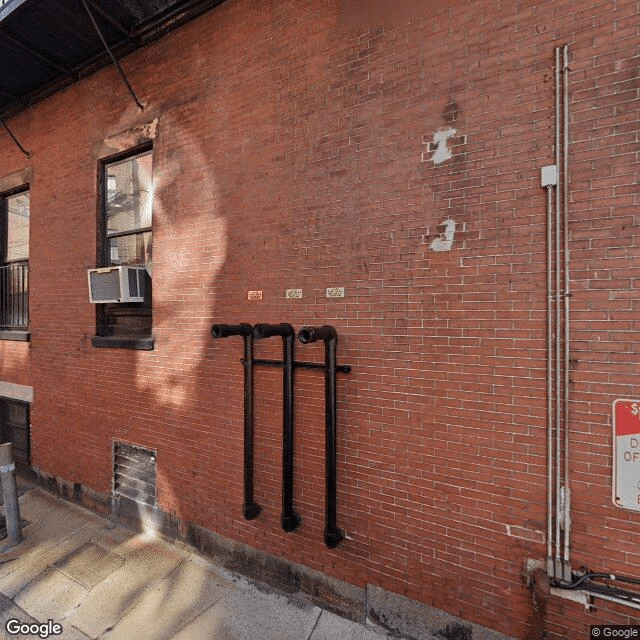
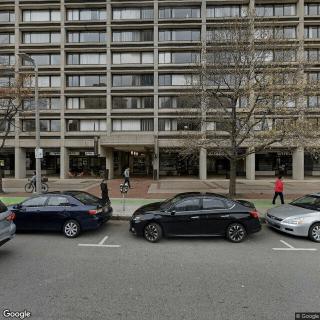
273 Clarendon St, Boston, MA 02116
To contact a resident: (617) 536-3726
For more information about senior living options: (866) 208-4318
Hale House Costs & Pricing
Hale House offers its studio accommodations at a monthly rate of $5,700, which positions it slightly above the average costs observed in Suffolk County, where similar studios are priced around $5,278, and within Massachusetts as a whole, where the average is approximately $5,312. While Hale House's rates may be higher than local and state averages, they reflect the unique amenities and services provided to residents. This pricing underscores the premium experience that Hale House strives to deliver, catering to those seeking an exceptional living environment.
| Floor plans | Hale House | Suffolk County | Massachusetts |
|---|---|---|---|
| Studio | $5,700 | $5,278 | $5,312 |
Independent Living communities with a similar price nearby
-
from -$400 / mo
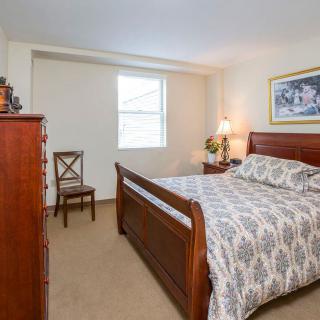
Cabot Park Village
$5,300 to $8,450 / month6.2 miles away -
from +$400 / mo
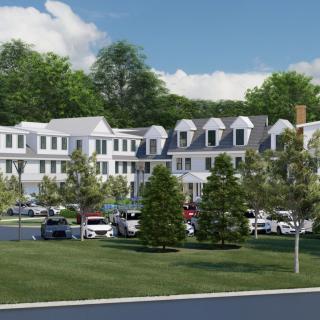
The Residence at Bedford
$6,100 to $8,800 / month13.1 miles away -
from -$955 / mo

Stone Hill At Andover
$4,745 to $9,295 / month21.6 miles away -
About the same
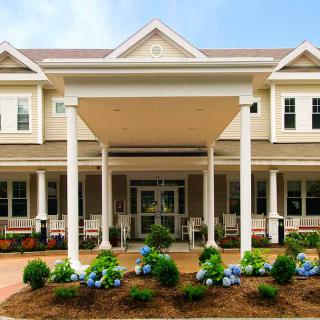
Atria Longmeadow Place
$5,595 to $8,995 / month11.4 miles away -
from +$1100 / mo

Allerton House Weymouth
$6,800 to $9,500 / month11.4 miles away
Overall Review of Hale House
Pros
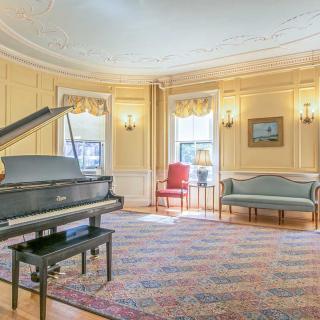
 Hale House is clean, well maintained, and run by caring and professional staff.
- Residents receive three hot meals a day in a beautiful dining room, monitored by a nurse to prevent choking incidents.
- The home offers regular activities for residents.
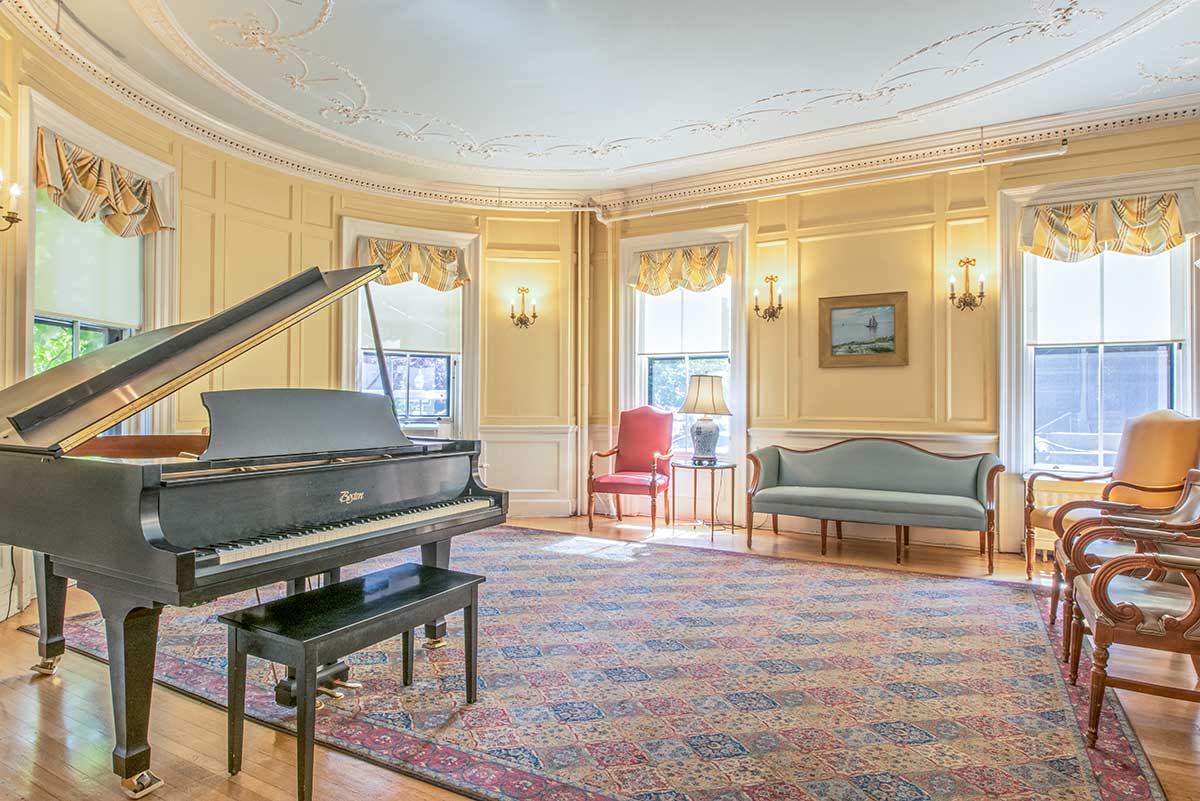
- The interior is stunning, and doctors and other medical professionals visit Hale House.
- It is described as the nicest rest home in MA—clean, comfortable, and well run.
- The location is beautiful and peaceful, within walking distance to many city amenities.
- Hale House is an excellent alternative to living independently, with 24/7 nursing staff.
Cons
 The only downside is that rooms are small and bathrooms and showers are shared.
- The reviewer thought the sharing of bath and shower would be an issue for their loved one.
Review
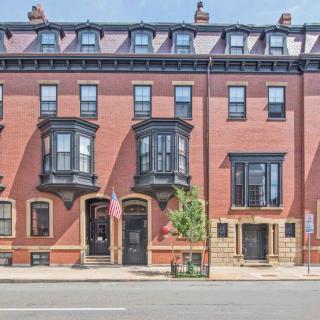
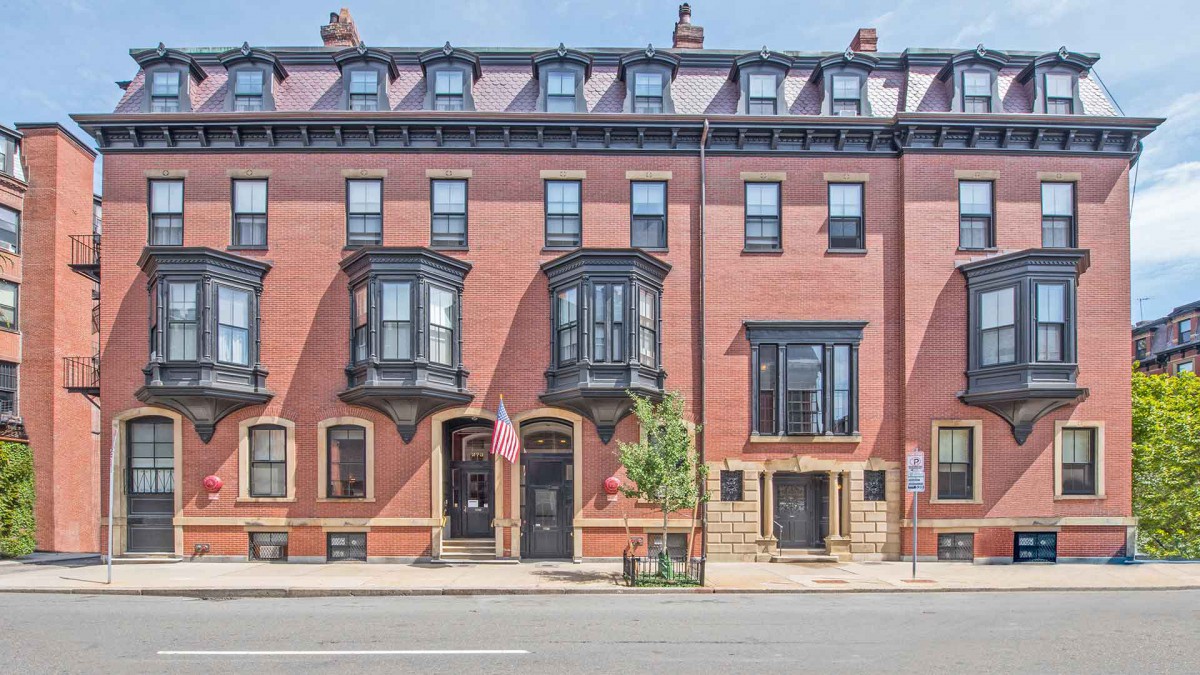
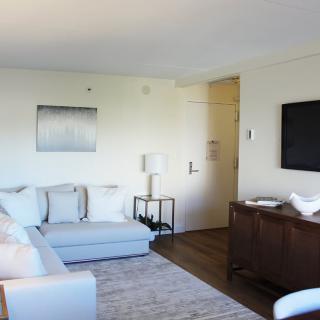
Hale House in Boston is best suited for seniors who want a steady, service-intensive environment in the Back Bay, a place where nursing oversight is a daily certainty and city life is within easy reach. The setting blends a home-like, town-house feeling with professional staff and reliable maintenance, delivering three hot meals a day in a dining room that carries a refined, non-institutional charm. A track record of six years with resident families speaks to continuity, predictability, and dependable routines. The core value lies in robust medical vigilance, daily meals, and social programming housed in an urban frame that keeps medical access and social engagement readily available.
Those who need private accommodations with larger rooms or en-suite baths, and those seeking a quieter, suburban pace without city bustle, may want to consider alternatives. The primary drawbacks are small rooms and shared bathrooms, a setup that can feel cramped for some residents over time. The building’s age and the “fine old rooming house” character mean that newer amenities may be missed by families prioritizing modern design or absolute privacy. For families seeking targeted memory-care or higher-level specialized care beyond regular nursing, other communities with dedicated wings or more explicit memory-care frameworks may fit better.
Yet the strongest positives intersect with the downsides in a favorable balance. The 24/7 nursing presence ensures immediate medical attention, and a steady slate of activities sustains engagement and social connection, mitigating isolation common in residential settings. Cleanliness and ongoing maintenance are reliable strengths, with on-site cleaning staff keeping common areas and corridors well kept. The dining experience, three hot meals daily in a beautifully appointed dining room, paired with attentive monitoring to prevent choking, creates a tangible sense of daily safety and routine. The urban location adds practical convenience for family visits and access to surrounding services, while the integration of visiting physicians and medical professionals makes care feel coordinated rather than episodic.
Residents consistently describe Hale House as well-run and welcoming, with an interior that balances the charm of an older building with practical, comfortable arrangements. The trade-off of smaller rooms and shared baths is reframed by staff attentiveness and the capacity to maintain medical and social support without pushing residents toward a more clinical or isolated environment. The 24/7 nursing presence offers reassurance and rapid responses to any shift in health, which can offset the physical constraints of space. The overall ambiance, calm, clean, and aesthetically pleasing for a Back Bay landmark, supports dignity, continuity, and a predictable daily rhythm that matters deeply for long-term satisfaction.
Practical decision-making should verify a few critical details before moving forward: exact room configurations, what qualifies as “private” versus “shared,” and whether future care needs can be met within the same community. Clarify the breadth of meal options and guest policies, transportation arrangements for medical appointments, and how activities are tailored to different mobility levels. Inquire about the process for introducing new residents to social programs and how coordination with external medical providers works in practice. Review licensing and inspection records, and seek candid impressions from current residents, to ensure the calm exterior aligns with day-to-day life.
In sum, Hale House stands out for families prioritizing a central Boston setting, dependable nursing oversight, and a lively program of meals and social activities wrapped in a well-maintained, inviting environment. The primary caveat is compact living space and shared bathing, realities that can be decisive for those who prize privacy or larger accommodations. For those seeking a modern, private-suite experience or a quieter, suburban atmosphere, alternatives with more expansive floor plans and specialized memory-care options may be preferable. The choice should hinge on personal priorities: medical visibility and social connectivity versus room size and privacy, with Hale House delivering on the former with notable strength.
 Independent Living
 Activities off-site
 Air-conditioning
 Beautician on-site
 Devotional services off-site
 Ground floor units
 Indoor common areas
 Outdoor common areas
 Wi-Fi/high-speed internet available
 Gen Edw L Logan International (4 miles away)
 Ambulatory care
 Diabetic care
 Medication management
 Guest meals
 Art classes
 Catholic services
 Day trips and outings
 Educational speakers / life long learning
 Karaoke
 Live musical performances
 Stretching classes





 Understanding the Sandwich Generation: Stress and Responsibilities for Multigenerational Caregivers
 8 Essential Assistive Devices for Older Adults
 Navigating the Financial Road to Nursing Home Care: In-Depth Guidance and Resources