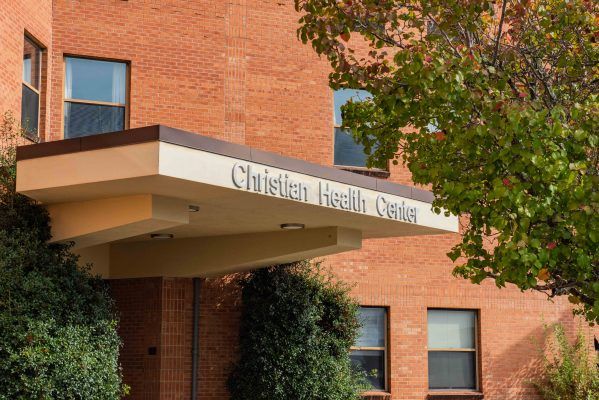



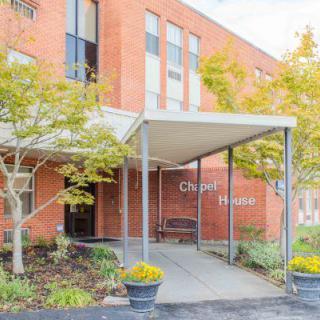

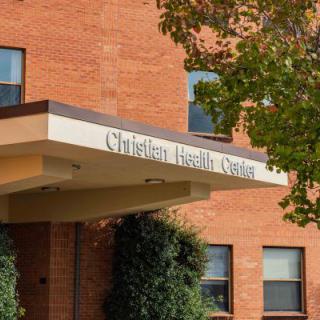
116 South Commonwealth Avenue, Corbin, KY 40701
For more information about senior living options: (866) 208-4318
Overall Review of Christian Health Center
Pros
 Some staff are really good.
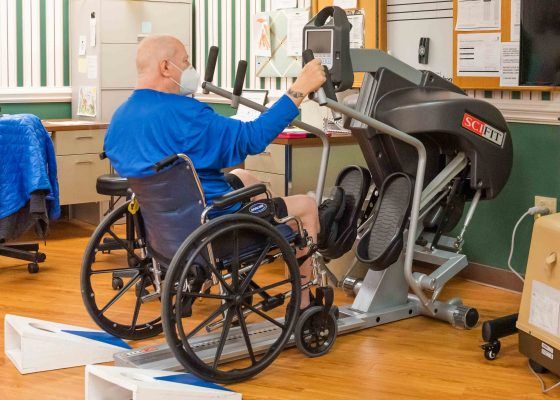
- The therapies and kitchen staff are excellent.
- They were welcomed with kindness.
- The staff is very nice.
- They cared for her like she was their only patient.
- They were treated with love and care.
- The kitchen complied without complaint.
Cons
 The facility is described as a depressing dump.
- Several staff members lack empathy or proper training.
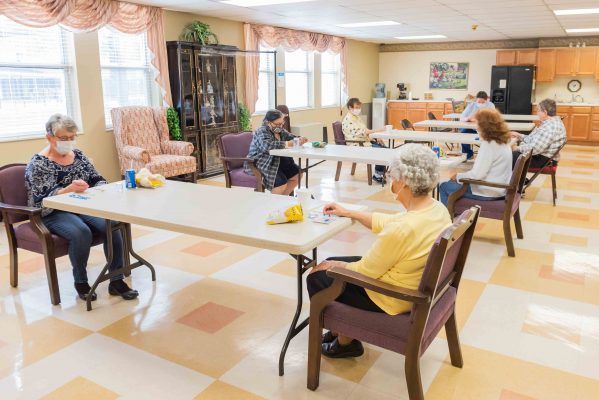
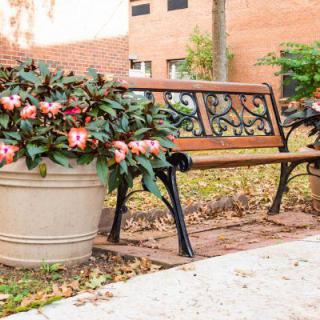
- The furniture is shameful.
- After several days, there was a lack of staff and a lazy attitude.
- Nettie Coldwell was badly mistreated at the facility.
- Staff screamed at her, stole her phones and clothes, and would not give her medications.
- Nursing staff talked down to her and treated her as if she were crazy.
- Management acted as if they never received voicemail messages when complaints were made.
Review
This community is best suited for families seeking a faith-based setting in Corbin where residents can transition from independent living into skilled nursing on the same campus, and where active family involvement can meaningfully shape day-to-day care. The campus structure, apartment living that can lead into nursing care, appeals to families who want a continuum of care without moving their loved one to a different facility. When staffing is solid and engagement from staff is strong, there are real positives: some residents receive attentive, personalized care, and the therapy program alongside the kitchen team can deliver meaningful daily support and good meals. In short, CHC tends to reward families who are prepared to monitor care and advocate for specific needs rather than passively rely on routine routines.
Those weighing alternatives should consider options if consistent, respectful day-to-day care is non-negotiable. Several red flags emerge in the mix of experiences: reports of understaffing, delays in addressing needs, and instances where staff were described as lacking empathy or failing to follow through on medications and requests. The most serious concerns center on perceived mistreatment and neglect, as well as questions about responsiveness from management. For families who cannot commit to vigilant oversight or who cannot tolerate the risk of inconsistent interactions, it is prudent to look at facilities with a demonstrably stronger track record on staffing stability, resident safety, and transparent governance.
On the positive side, the strongest pros often cited revolve around the therapy services and the kitchen team, which are praised as excellent. When staff are engaged and competent, residents benefit from effective rehabilitative care and dependable meal service, creating a sense of dignity and routine that many families value highly. Several accounts highlight staff members who treat residents with warmth and respect, and a few families report care that feels highly personalized, almost as if the resident were the only patient on a given shift. These bright spots demonstrate that the facility can deliver high-quality care when the staffing aligns with needs and leadership supports consistent service.
Yet the main cons tend to overshadow those occasional strengths. Understaffing translates into slower responses and missed cues, with some families feeling forced to intervene regularly to ensure basic needs are met. Furniture and surroundings are repeatedly described as outdated or unappealing, contributing to a sense of a facility that does not invest in the resident environment. Reports of abrupt or unempathetic treatment, medication inconsistencies, and management that appears hard to reach or slow to respond create a hesitancy for families who require predictability and reliable communication. In aggregate, these issues signal a safety and dignity risk that should not be dismissed.
For families actively evaluating a move, practical steps matter. Schedule multiple visits at different times, including unannounced ones, to observe how staff interact with residents and how quickly needs are addressed. Speak with current residents and several family members to gauge consistency and tone, and request a clear outline of staffing ratios, shift patterns, and the process for medication administration and incident reporting. Ask to review the resident care plan, the activity calendar, and any recent quality improvement actions taken by management. If possible, request a trial period or contingency plans that outline what success looks like and how problems will be escalated and resolved.
In the end, CHC presents a workable option for a subset of families, those who prize a faith-infused environment, a continuum of care, and a willingness to stay engaged in daily oversight to leverage the facility’s strengths in therapy and kitchen operations. For others, particularly those prioritizing consistently high staffing levels, modern, well-maintained surroundings, and unwavering, transparent management, alternatives may deliver greater peace of mind. The decision hinges on the ability and readiness to supervise care actively and to prioritize safety, dignity, and timely responsiveness over having a broad continuum of care under one roof.
 104 resident community capacity
 Independent Living
 Air-conditioning
 Beauty salon
 Cable or satellite TV
 Computer center
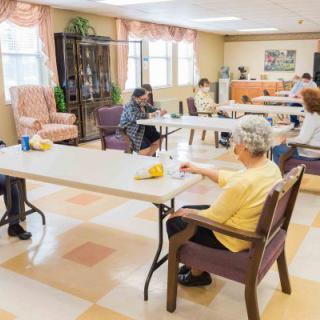
 Dining room
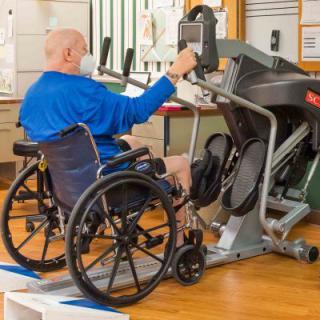
 Fitness room
 Fully furnished
 Gaming room
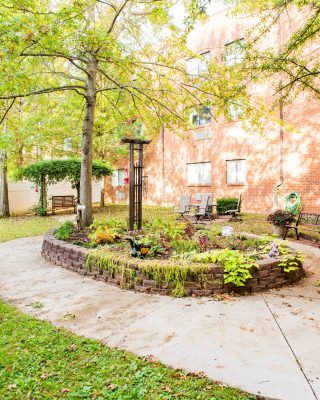
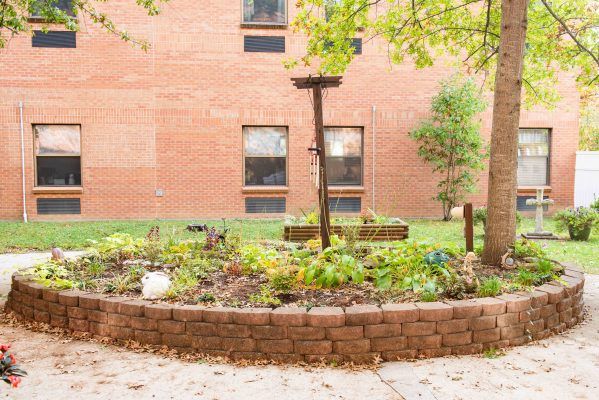
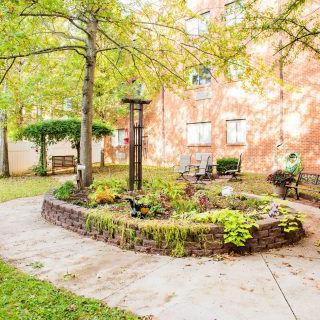
 Garden
 Housekeeping services
 Kitchenette
 Move-in coordination
 Outdoor space
 Private bathrooms
 Restaurant-style dining
 Small library
 Telephone
 Wellness center
 Wi-Fi/high-speed internet available
 Community operated transportation
 12-16 hour nursing
 24-hour call system
 Assistance with dressing
 Medication management
 Mental wellness program
 Diabetes diet
 Special dietary restrictions
 Community-sponsored activities
 Concierge services
 Planned day trips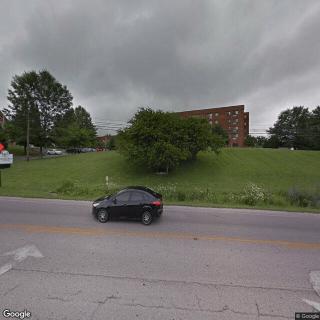



 A Comprehensive Exploration of Common Misunderstandings about Powers of Attorney
 Senior Move Management: Understanding the Role, Value, and Associated Costs
 Weight Training for Seniors: Building Strength and Vitality