
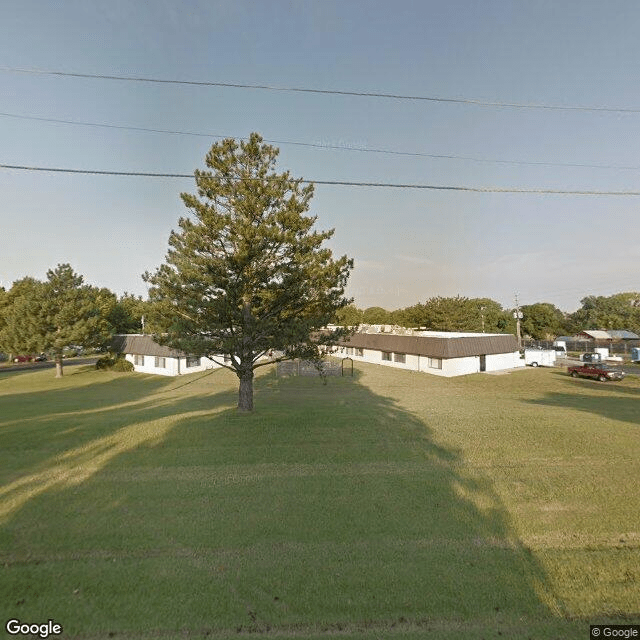
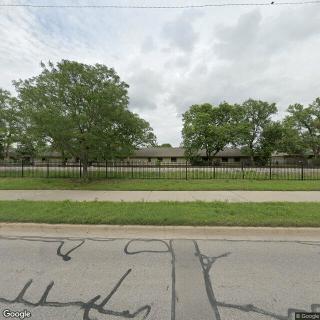
1319 Seville St, Wichita, KS 67209
To contact a resident: (316) 722-6916
For more information about senior living options: (866) 208-4318
The Residence at Rolling Hills Costs & Pricing
The Residence at Rolling Hills offers an attractive monthly cost for a one-bedroom unit at $1,550, significantly lower than the average rates observed in Sedgwick County, which stand at approximately $3,868, and even more so compared to the broader state average of around $3,859. This competitive pricing illustrates The Residence's commitment to providing quality housing options that are not only accessible but also appealing to those looking for comfort and community without facing financial strain. Residents can enjoy a commendable standard of living while benefiting from the amenities and services offered by this welcoming facility.
| Floor plans | The Residence at Rolling Hills | Sedgwick County | Kansas |
|---|---|---|---|
| 1 Bedroom | $1,550 | $3,868 | $3,859 |
Overall Review of The Residence at Rolling Hills
Pros
 The facility is very clean.
- The staff are very friendly.
- The scores are decent in terms of patient care.
- The facility is making a concerted effort to improve its presence by utilizing the state-recommended, person-centered model.
- Good changes are taking place.
Cons
 Not the most inviting of nursing facilties.
Review
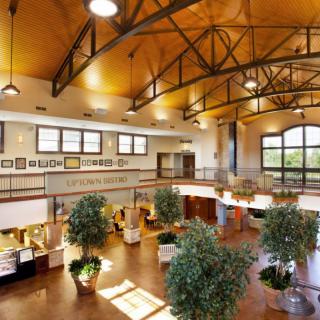
The Residence at Rolling Hills in Wichita is best suited for seniors who prioritize a clean, comfortable environment with consistently friendly staff and a care approach that is clearly moving toward person-centered principles. Families seeking a trustworthy setting where daily operations feel stable and predictable will find this community comforting. The north-central location keeps it convenient for nearby family members to visit, and the emphasis on a clean, odor-free atmosphere provides an immediate sense of safety and hygiene that matters for ongoing health and peace of mind. It’s a practical choice for residents who value reliability and steady improvement over glamorous presentation.
Those who may want to consider alternatives include families looking for a more immediately inviting or luxurious ambiance, a broader social calendar, or a facility with a long-standing, highly polished reputation. The reviews acknowledge the facility is “not the most inviting,” which can translate to a tougher first impression for some residents and families. In addition, there is limited evidence in the shared notes about expansive programming or specialized memory care offerings. If a resident requires a livelier community life, more expansive activities, or a setting that exudes a stronger “wow” factor, exploring other options could be prudent.
The strongest pros center on cleanliness and approachable staff. A toured facility that was “very clean” with no lingering odors signals sound housekeeping and infection-control practices, which matter deeply for health and comfort. The friendly staff comment reinforces a sense of dependable day-to-day support, responsiveness, and warmth, key factors when choosing a place where daily routines and personal needs are tended to with care. Most importantly, the care quality scores described as “pretty decent” indicate that residents receive solid medical and personal attention, not just a basic custodial service. When coupled with the stated adoption of a person-centered model, these strengths offer a pathway to meaningful, individualized care.
On the con side, the atmosphere can feel clinical or unwelcoming to some visitors and potential residents. That downside matters because social engagement and a welcoming environment are important components of long-term satisfaction. The reviews also hint at a broader question mark about the facility’s overall ambience and the robustness of social programming, elements that can influence mood, resident retention, and family comfort. In contexts where family members want a vibrant, home-like feel and abundant daily activities, this is a legitimate reason to pause and compare with alternatives that emphasize ambience as well as care outcomes.
Despite the potential drawbacks, the pros offset the cons in a practical, meaningful way for many families. Cleanliness and friendly, consistent staffing establish a reliable daily experience that reduces common worries about infections, neglect, or miscommunication. The ongoing commitment to a person-centered model, described as a deliberate strategic shift supported by state recommendations, signals leadership that is not resting on past performance but actively pursuing better alignment with resident needs. Those improvements have real, tangible value: better resident satisfaction over time, clearer care plans, and more individualized attention as the team hones its approach.
For families weighing next steps, the recommendation is clear: schedule a thorough tour and ask pointed questions about staffing levels, care planning, and how the person-centered model is implemented in daily practice. Verify how social activities are structured today and what changes are planned to enhance liveliness and resident engagement. If the priority is dependable care quality, clean environments, and a staff-driven culture of improvement, The Residence at Rolling Hills stands up well. If, however, a high-priority need is a warmer social atmosphere or more expansive programming from day one, it may be worth expanding the search to communities with stronger reputations in ambiance and activity offerings.
 Independent Living
 Cats allowed
 Dogs allowed
 Air-conditioning
 Bath tubs
 Beautician on-site
 Full kitchen
 Ground floor units
 Outdoor common areas
 Wichita Mid-Continent (2 miles away)
 Guest meals

 Understanding the Nuances of Palliative Care and Hospice: A Comprehensive Exploration
 Is In-Home Healthcare Tax Deductible? Your Comprehensive Guide
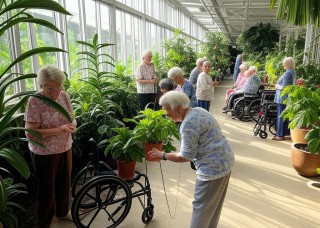 Nurturing Well-Being Through Gardening: A Detailed Guide for Senior Enthusiasts