













2724 W Reservoir Blvd, Peoria, IL 61615
To contact a resident: (309) 685-6580
For more information about senior living options: (866) 208-4318
Proctor Place, a CCRC Costs & Pricing
Proctor Place, a Continuing Care Retirement Community (CCRC), offers competitive pricing for its residents when compared to both Peoria County and the wider Illinois region. The cost of a studio apartment at Proctor Place is $1,500 per month, which is significantly lower than the county average of $3,057 and the state average of $4,028. Similarly, one-bedroom units are priced at $2,000 per month - again substantially more affordable than Peoria County's $3,055 and Illinois's $3,527 averages. For those seeking more space, the two-bedroom option at Proctor Place comes in at $2,500 per month, favorably against Peoria County's rate of $4,115 and Illinois's average of $4,208. These rates position Proctor Place as an attractive choice for seniors looking for quality care without the financial burden often associated with similar facilities in the area.
| Floor plans | Proctor Place, a CCRC | Peoria County | Illinois |
|---|---|---|---|
| Studio | $1,500 | $3,057 | $4,028 |
| 1 Bedroom | $2,000 | $3,055 | $3,527 |
| 2 Bedrooms | $2,500 | $4,115 | $4,208 |
Independent Living communities with a similar price nearby
-
from -$205 / mo

Brandon Wood Retirement Center
$1,295 to $2,445 / month11.8 miles away -
from -$100 / mo

Hopedale Commons
$1,400 to $2,900 / month24.6 miles away
Overall Review of Proctor Place, a CCRC
Pros
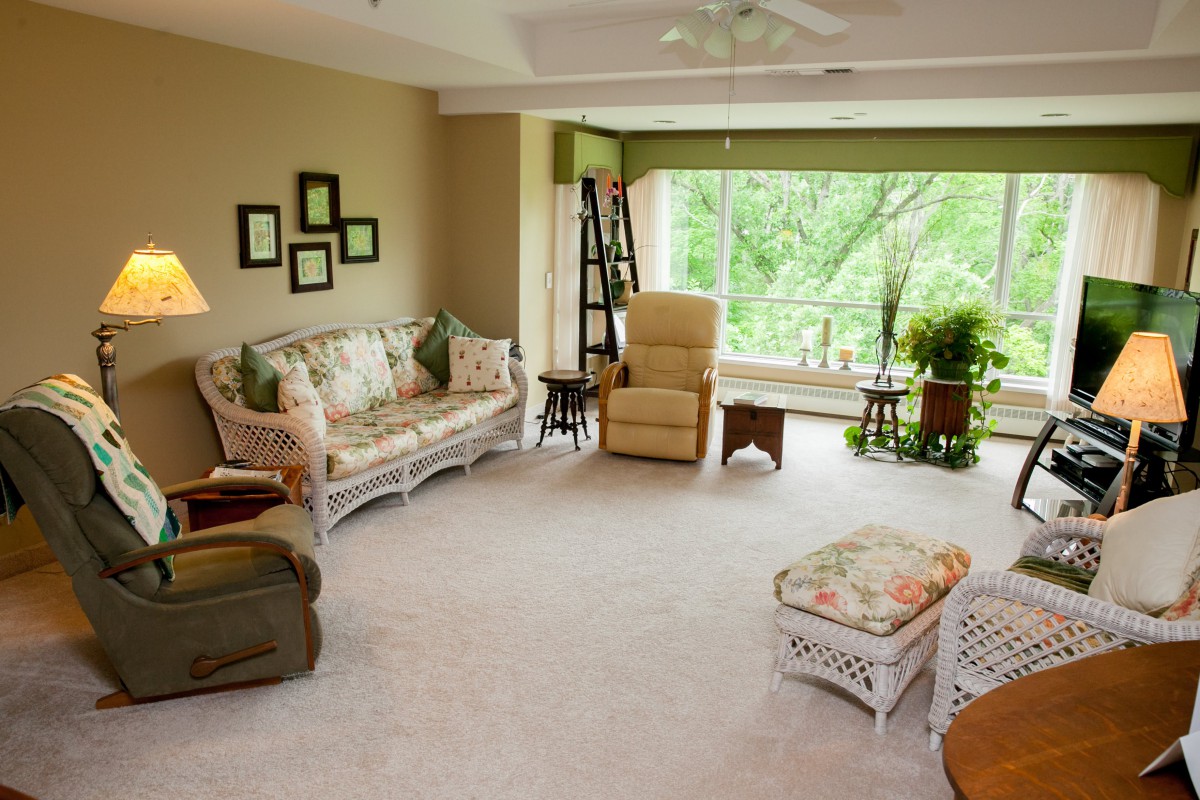
 The staff are absolutely wonderful, providing peace of mind that a loved one is cared for so well, and the facility is beautiful.
- The staff are consistently nice.
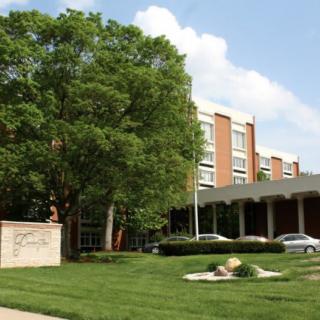
- The facility is beautiful and run by friendly folks.
- A loved one has lived there for over a decade, enjoying the people, activities and food, and receiving the utmost respect and care.
- The treasures at Proctor Place are the people, with residents who are diverse and outstanding in acceptance, geniality and camaraderie.
- The staff are unsung heroes who ensure residents' comfort, health and safety across all roles, from wait staff to compassionate nurses and CNAs.
- The health care is reportedly excellent.
Cons
 The caregivers are underpaid compared to entry-level positions at other employers, risking turnover and lower quality of care.
- The pay levels are insufficient to retain good staff.
- The facility is way overpriced and only accessible to rich people.
- The initial sales pitch is misleading.
- There are problems with insurance on medications that disadvantages the clients.
- The amenities are limited.
Review
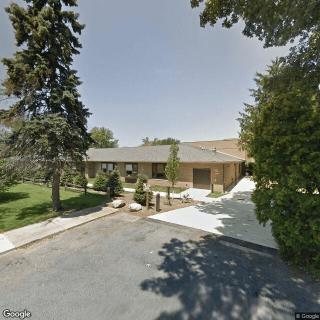
Proctor Place in Peoria, IL, is best suited for seniors and families who prize a warm, people-centered continuum-of-care community and can absorb a higher price for a stable, long-running campus atmosphere. The strongest fit is for those who want relationships to form across roles, nurses, CNAs, cooks, housekeepers, and maintenance, alongside a resident body that is diverse and welcoming. The tone across experiences is one of belonging: a beautiful facility, a culture of care, and staff who deliver comfort, safety, and consistent attention. For families seeking peace of mind that care will evolve with changing needs without moving a loved one to a different campus, Proctor Place offers a linked living continuum that can simplify transitions as requirements grow.
Those weighing alternatives will clearly see where Proctor Place may not fit. The price tag is repeatedly called out as a significant drawback, with observers describing the community as expensive and effectively out of reach for many budget-constrained families. That financial reality narrows options for seniors on fixed incomes or those comparing value across CCRCs. In addition, some reviews note only moderate dining quality and a more limited set of included amenities, suggesting that expectations for high-end dining rooms or expansive activity programs may not be met. A few accounts raise concerns about how medications and insurance are handled, hinting at potential friction points between sales impressions and ongoing experience. For households seeking greater affordability, richer amenities, or a more streamlined healthcare administration, alternatives deserve careful consideration.
On the positive side, the staff consistently earns high praise for kindness, attentiveness, and reliability. The consensus across multiple accounts is that the team, from front-line CNAs to dietary workers and maintenance crews, offers generous time and a genuine focus on residents’ comfort, health, and safety. The social climate is described as lively and accepting, with diverse residents who quickly form camaraderie. For relatives, the daily reassurance that a loved one is cared for by a stable, familiar team translates into real peace of mind. Long-tenure anecdotes reinforce this: residents who have aged in place report respectful treatment, personal attention, and a sense that the community endures as needs evolve.
Yet these strengths can be undermined if turnover rises or expectations aren’t consistently met. The recurring concern about staff pay signals a potential vulnerability: if wages do not keep pace with comparable local facilities, turnover may fragment the continuity that underpins the experience. The price point compounds this risk, making budgeting a critical framing point for families. Another caveat is a perceived mismatch between the initial sales pitch and daily realities, especially around amenities and some aspects of healthcare administration. While the healthcare quality attributes are strong, the combination of higher costs, variable dining quality, and publicly acknowledged limits on amenities can erode overall value for those seeking a more expansive package.
For decision-makers who prize a community with real heart and a proven, supportive staff, Proctor Place offers substantial offset to the price through tangible daily benefits: a palpable sense of belonging, solid care across varying levels of need, and a campus that makes transitions less disruptive. The continuum-of-care model matters when plans shift from independent living to assisted living or memory care, because residents can stay in the same environment as needs evolve. However, those same decision-makers should be candid about the trade-offs: cost, potential limits on upscale amenities, and how medication management plays out in practice. If the objective centers on financial predictability, top-tier dining options, or a broad amenity suite, pursuing alternatives may be prudent.
Bottom line: Proctor Place suits families seeking a compassionate, sociable, continuity-first community where staff warmth and resident interaction dominate daily life, and where the cost is defensible for long-term care stability. It does not align as readily with budgets demanding aggressive cost containment, nor with expectations of extensive dining programs or a broad array of included amenities. For households prioritizing affordability, more expansive dining choices, or highly transparent medication administration, exploring other CCRCs or senior living options is advisable. Prospective residents should schedule visits focused on real-time staff-resident interactions, tour dining facilities, review the current care-cost structure, and confirm how care levels evolve and are priced. With that diligence, Proctor Place earns a confident recommendation for the right fit: a warm, committed community that places people at the center of every day.
 Independent Living
 Activities off-site
 Air-conditioning
 Beautician on-site
 Devotional services off-site
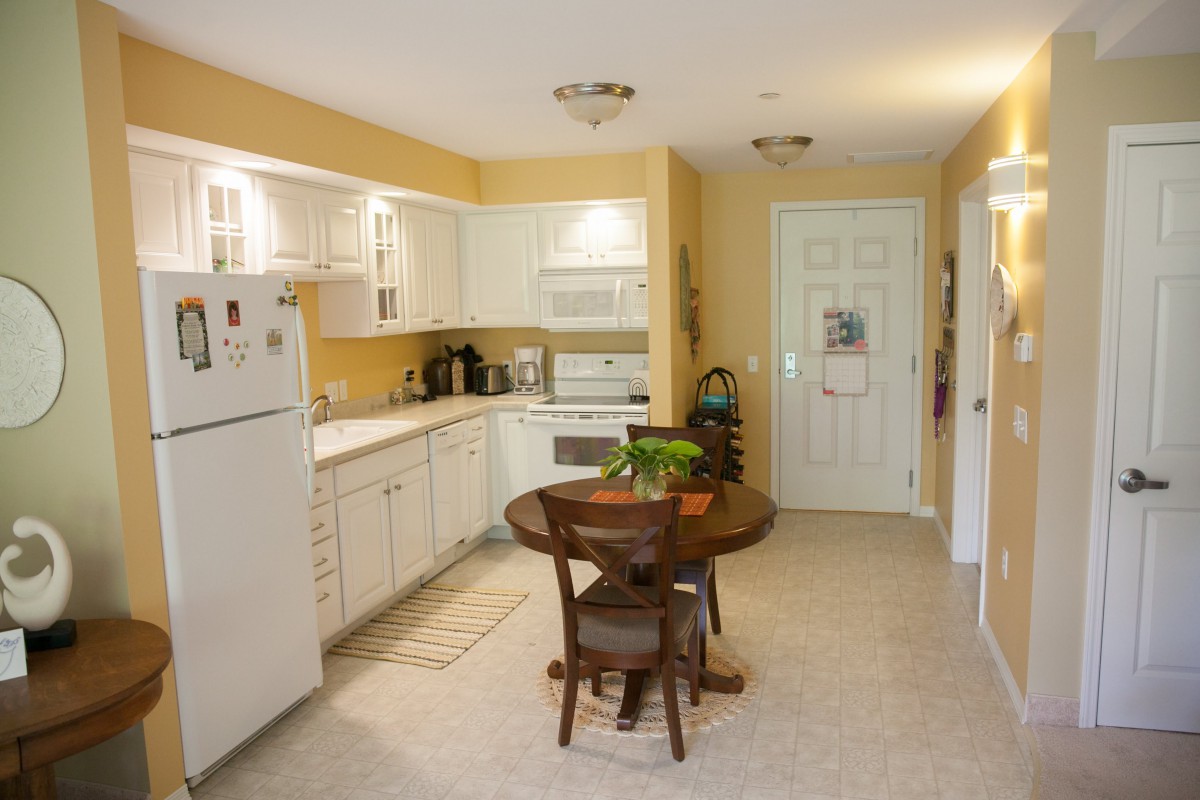
 Full kitchen
 Ground floor units
 Handicap accessible
 Indoor common areas
 Outdoor common areas
 Respite or short term stays offered
 Wi-Fi/high-speed internet available
 Greater Peoria Regional (6 miles away)
 Medication management
 Gluten-free
 Catholic services
 Day trips and outings
 Educational speakers / life long learning
 Happy hour
 Live dance or theater performances
 Live musical performances
 Live well programs





 9 Stimulating Memory Activities for Seniors: Puzzles, Cards, and Much More
 Managing Nursing Home Expenses After Medicare Coverage Ends
 Is a Geriatric Care Manager the Right Choice for Your Family?