
1047 N Emily Pl, Peoria, IL 61604
To contact a resident: (309) 673-0917
For more information about senior living options: (866) 208-4318
Overall Review of Cedars of Lebanon Apartments
Pros
 The unsung heroes are Angela and Theresa; both are fantastic at their jobs.
- It seems like a fantastic place to live.
- People are friendly and the grounds are kept up.
- There is not a lot of noise activity.
- It is a beautiful place to live.
- Clean community, nice spaces for the residents, and spacious living arrangements.
- Helped with a 4th of July party here; gorgeous place.
- Well kept and super clean.
- Excellent senior living.
- The place feels safe and secure.
- It is well maintained and professionally managed.
Cons
 With the new management, it went downhill.
- There is a broken front entrance door handle that was fixed with duct tape.
- They locked the kitchen last year, and residents have to pay to use it.
- They do bare minimum maintenance.
- The decor is 1980s, dingy with poor lighting.
- It is like a prison.
- They want residents to stay in their apartments 24-7.
- People are moving out and the place can’t attract new residents.
Review
Cedars of Lebanon Apartments in Peoria is best suited for independent seniors who want a tidy, quiet campus with dependable front-line staff and a secure, low-drama atmosphere. It serves residents who can tolerate limited on-site social programming and who do not rely on easy, open access to shared amenities like a kitchen or communal activities. For families prioritizing active engagement, transparent finances, and predictable maintenance, alternatives should be on the short list. The key decision hinges on whether a serene, well-kept setting with solid staff can compensate for restricted amenities and some governance concerns.
On the upside, the property earns value through cleanliness and upkeep. Residents repeatedly describe the grounds as well maintained, with clean common spaces and surprisingly spacious apartments, attributes that matter when daily life centers around tranquility and safety. The social texture is generally positive among neighbors, and several reviews highlight low noise, polite interactions, and a calm pace that supports independent living. Front-line staff, notably Angela and Theresa, receive consistent praise for competence and approachability, and there are mentions of practical improvements like a deck and better air flow. That combination of a neat environment and reliable staff creates a solid baseline for comfort.
Yet the downsides are not minor. Management quality appears uneven across experiences, with some residents voicing frustration over responsiveness and decision-making. Critical amenities have been curtailed or made financially exclusive, most notably the communal kitchen, which has been locked and turned into a paid-use resource, along with curtailed social programming such as coffee hours. Maintenance is described by some as reactive rather than proactive, and there are strong concerns about safety and behavior patterns in the building, including reports of drug activity and long-standing disputes over deposits and refunds. The décor and overall atmosphere can feel dated and institutional, with mentions of dingy lighting and a “prison-like” vibe that erodes the sense of home for some residents.
Those positives can offset the negatives, but only for a specific type of resident. For individuals who prize safety, quiet living, and reliable on-site staff, Cedars delivers a dependable home base with well-kept grounds and a calm day-to-day rhythm. The presence of caring staff members who are willing to engage in resident life can soften the impact of restricted communal spaces. However, for someone who depends on open kitchen access for social meals, frequent, transparent financial handling, or proactive maintenance to resolve issues quickly, the drawbacks are substantial enough to merit considering other options. The decision hinges on whether the value of a peaceful setting outweighs the erosion of communal conveniences.
When evaluating visits, prospective residents should press for clarity on several points. Inquire about maintenance response times and what constitutes an emergency. Confirm access to shared spaces and any fees tied to their use, especially the kitchen and dining areas, and ask for a recent schedule of planned improvements. Review deposit and refund processes, current financial transparency, and who oversees financial decisions. Investigate safety measures, pest control, and how complaints are tracked and resolved. Most importantly, speak with current residents about consistency of management, responsiveness to needs, and the reality of daily life beyond the brochure. A candid set of questions will illuminate whether the community’s calm environment is real for the long term or if it masks underlying governance and amenity gaps.
In the end, Cedars of Lebanon presents a pragmatic choice for independent seniors who value cleanliness, quiet, and solid staff, and who can live with paid access to some shared spaces and sporadic management responsiveness. For those who require robust social programming, transparent operations, and unfettered access to communal facilities, alternatives should be explored. The decision should weigh the comfort of a well-kept, safe setting against the cost of reduced amenities and the risk of inconsistent governance, a balance that will be right for some retirees and not for others.
 Independent Living
 Greater Peoria Regional (3 miles away)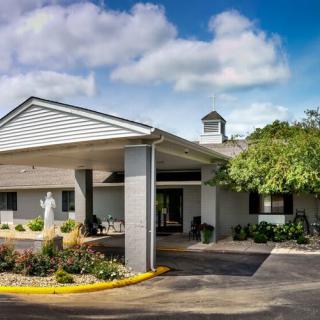




 Understanding the Nuances of Palliative Care and Hospice: A Comprehensive Exploration
 Is In-Home Healthcare Tax Deductible? Your Comprehensive Guide
 Nurturing Well-Being Through Gardening: A Detailed Guide for Senior Enthusiasts