For more information about senior living options: (866) 208-4318
4.2 from 34 reviews
5 stars
21
4 stars
6
3 stars
3
2 stars
0
1 stars
4
Red Hills Village Retirement Resort Costs & Pricing
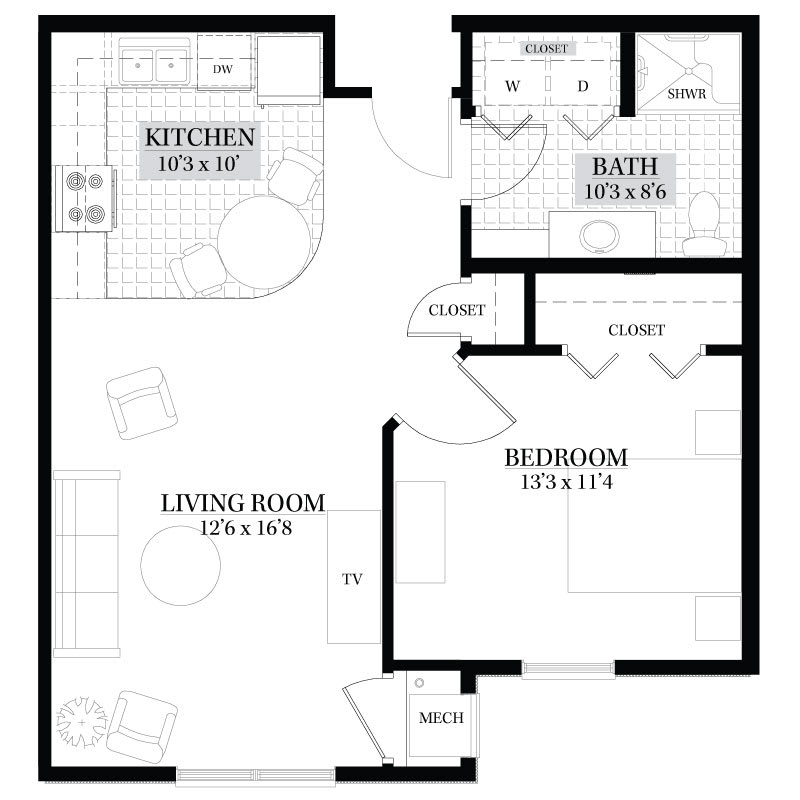
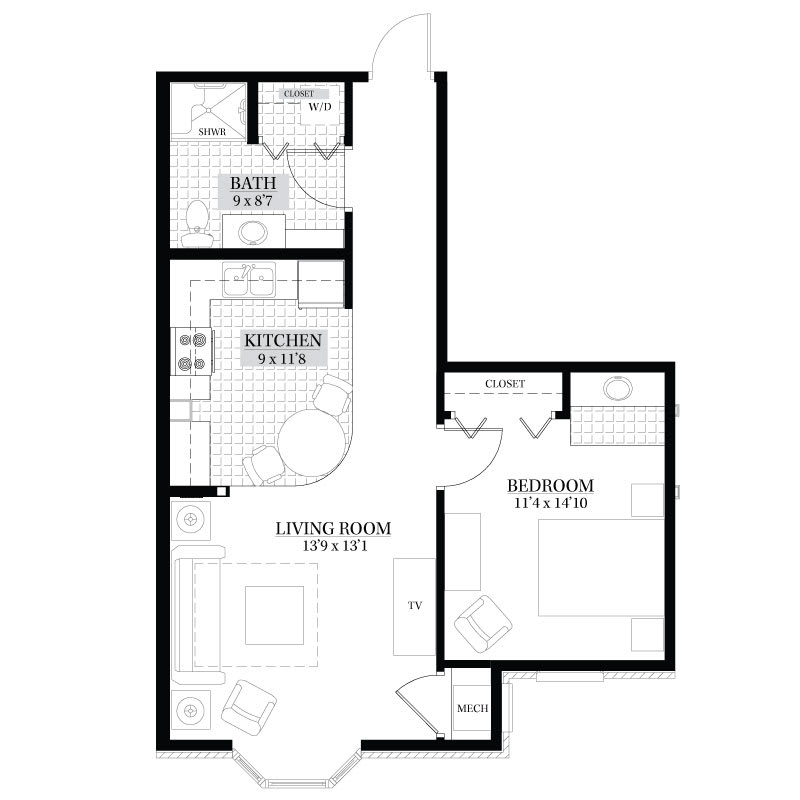
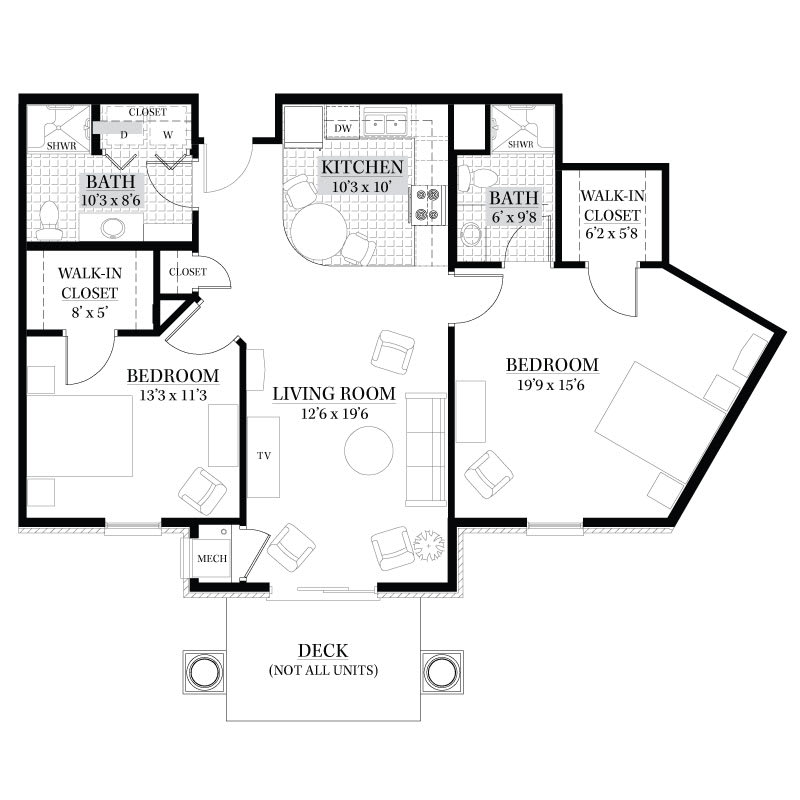
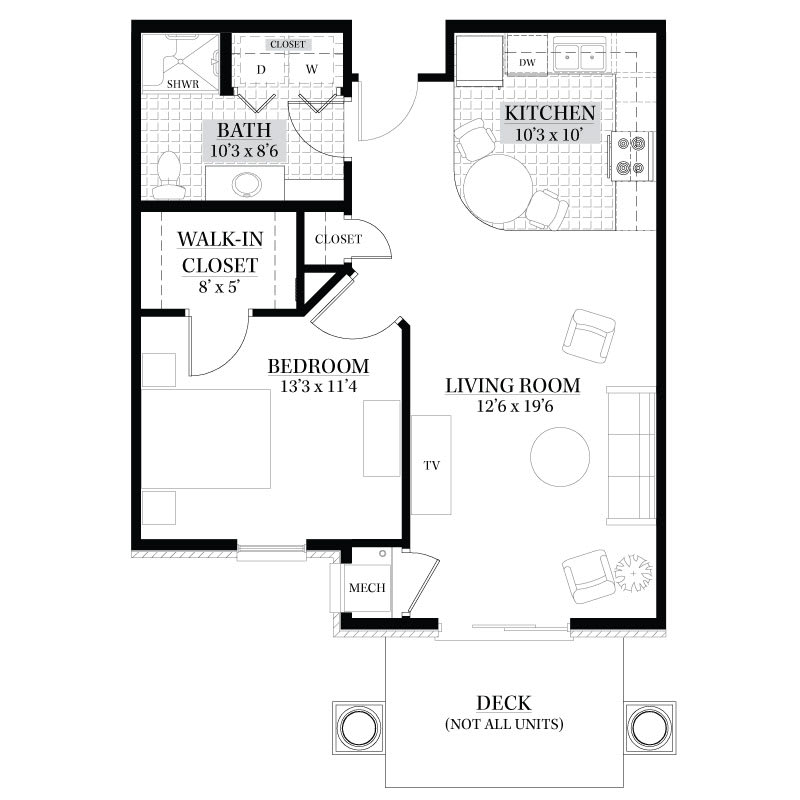
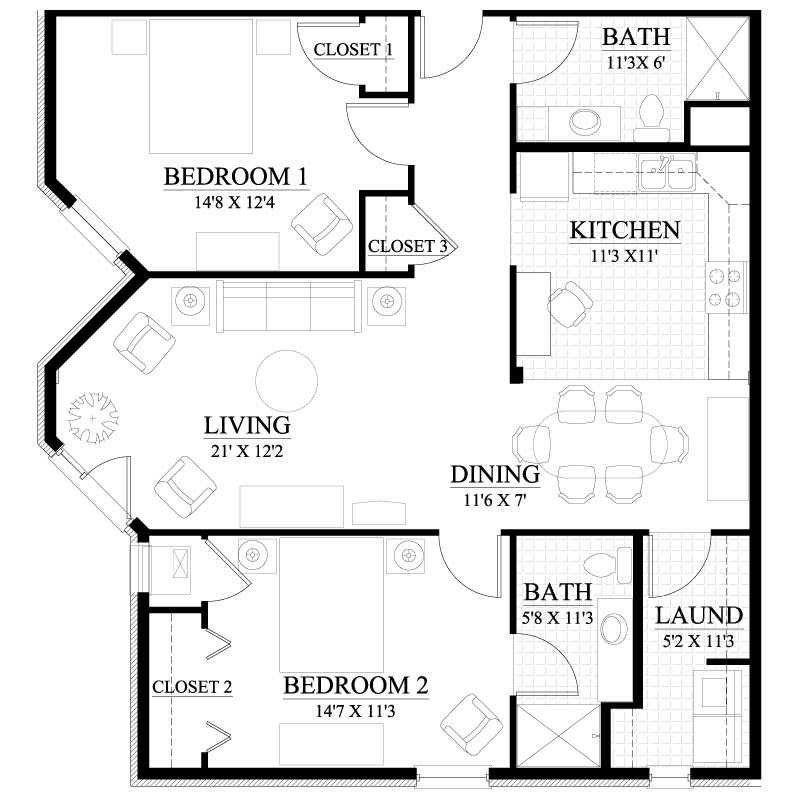
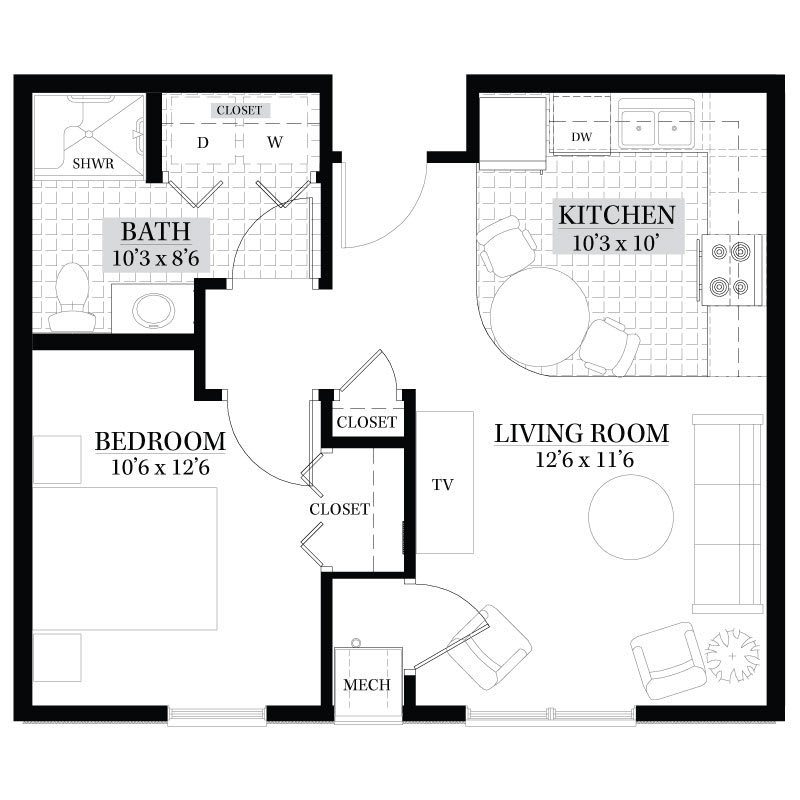
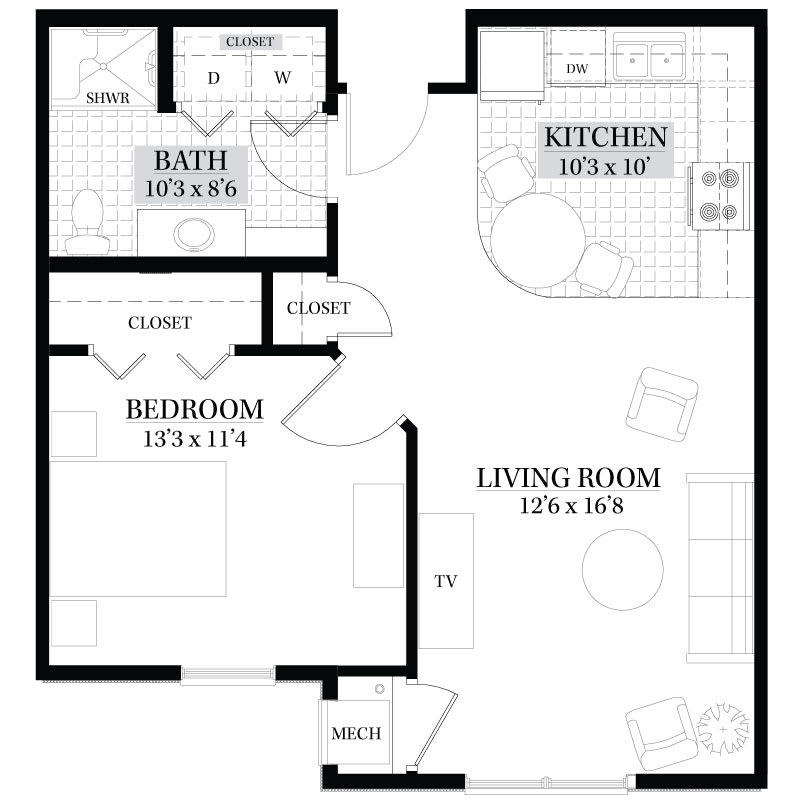
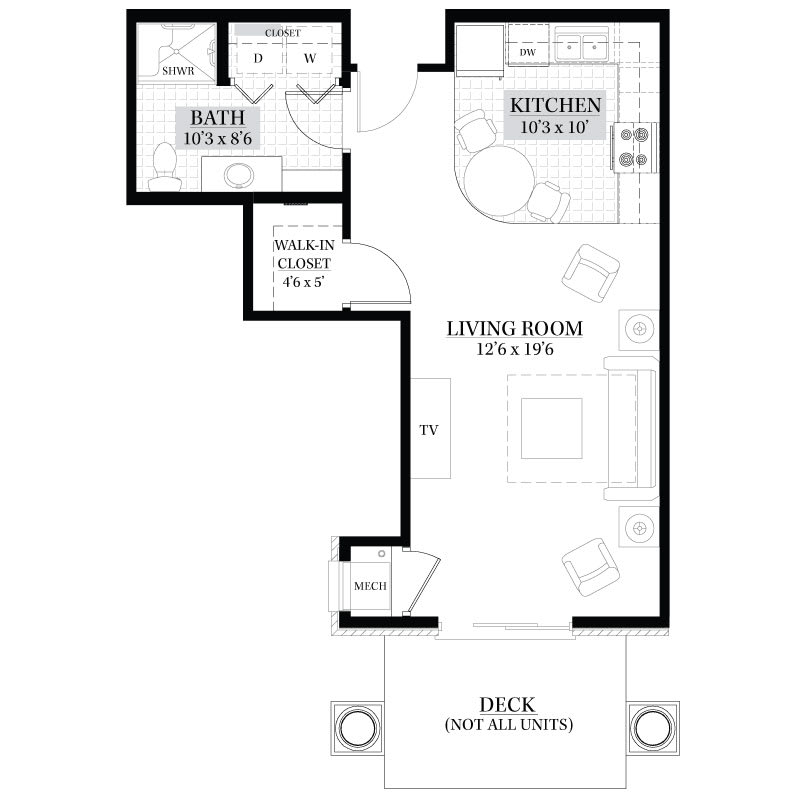
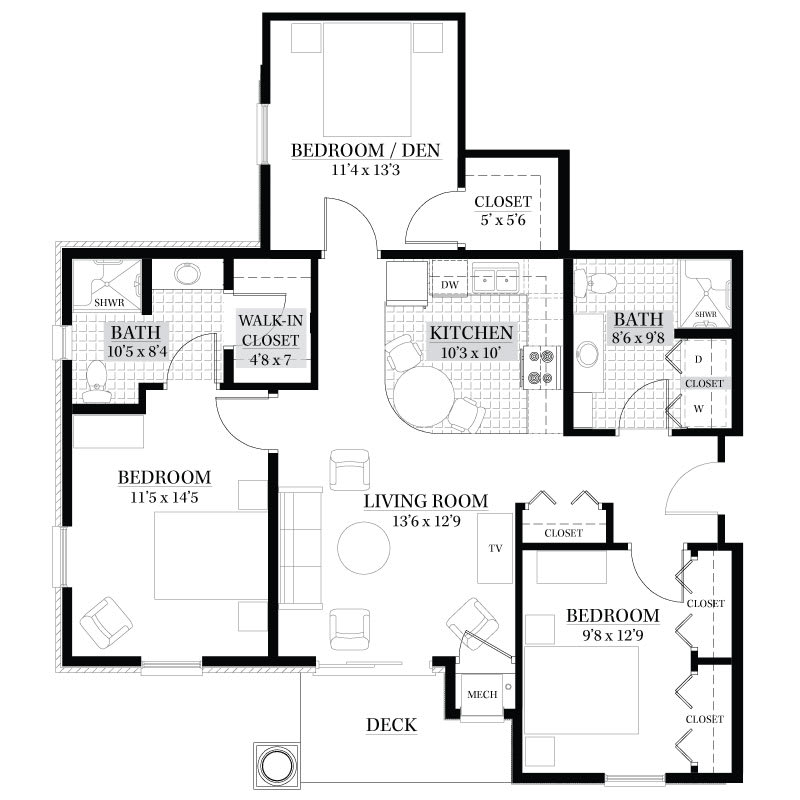
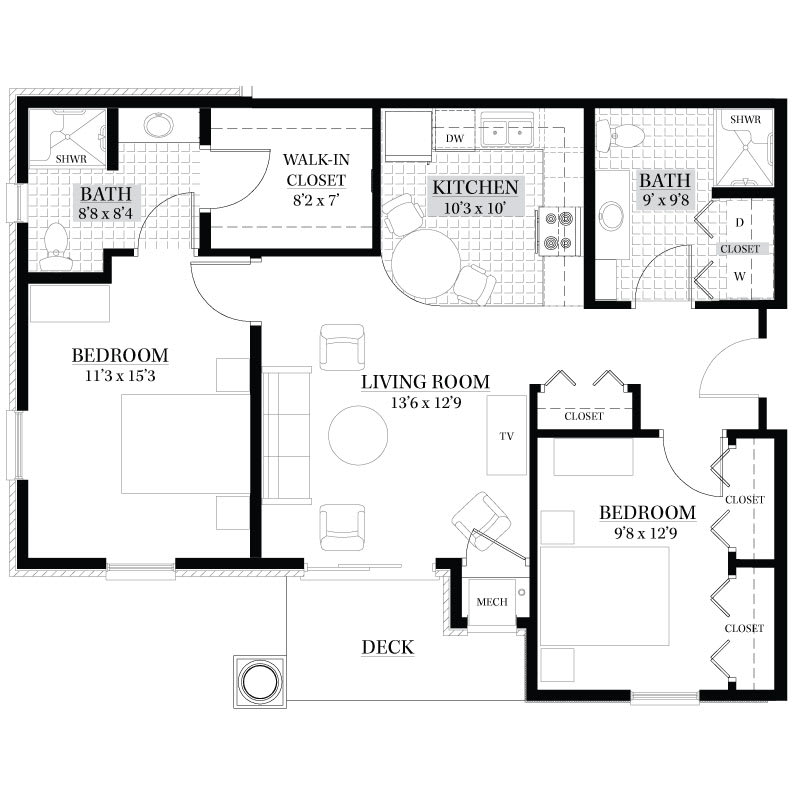
Red Hills Village Retirement Resort offers competitive pricing for its residents, especially when compared to Leon County and the broader state of Florida. Monthly rates at the resort for a studio apartment start at $3,581, which is notably lower than the county average of $4,014 and slightly below the state average of $3,823. For a one-bedroom unit, residents can expect to pay $3,665, again positioning Red Hills favorably against both the Leon County rate of $3,853 and the state's average of $3,864. The two-bedroom option is priced at $4,880; while this is higher than the county average of $4,215 and slightly above the state's figure of $4,711, it reflects the premium amenities and services provided by the resort. Overall, Red Hills Village offers attractive options for retirees looking for quality living arrangements that balance cost with comfort and care.
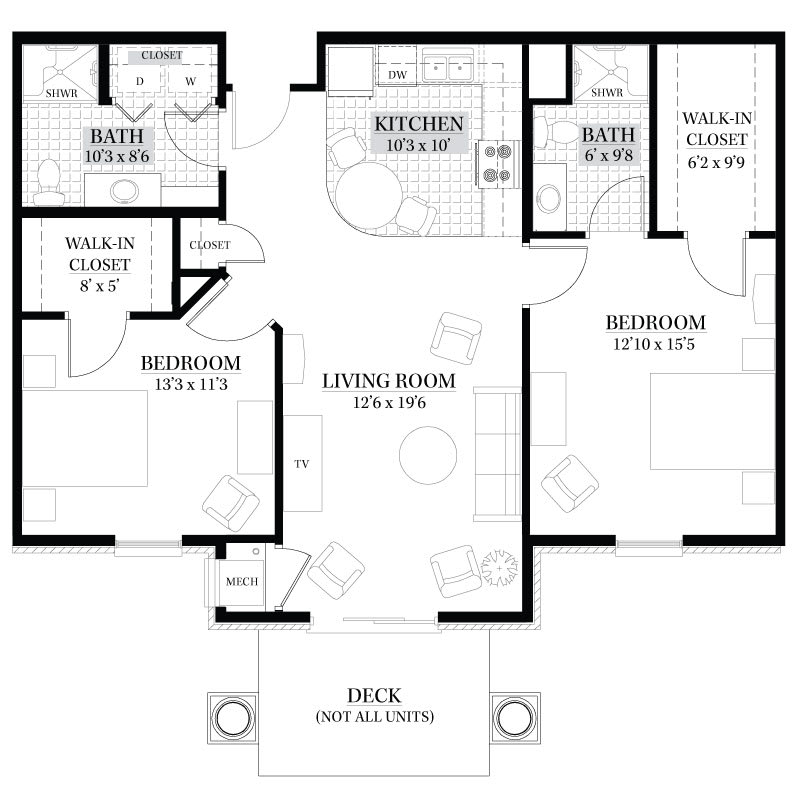
Floor plans
Red Hills Village Retirement Resort
Leon County
Florida
Studio
$3,581
$4,014
$3,823
1 Bedroom
$3,665
$3,853
$3,864
2 Bedrooms
$4,880
$4,215
$4,711
Independent Living communities with a similar price nearby
Overall Review of Red Hills Village Retirement Resort
differentiator16 reviews mention this
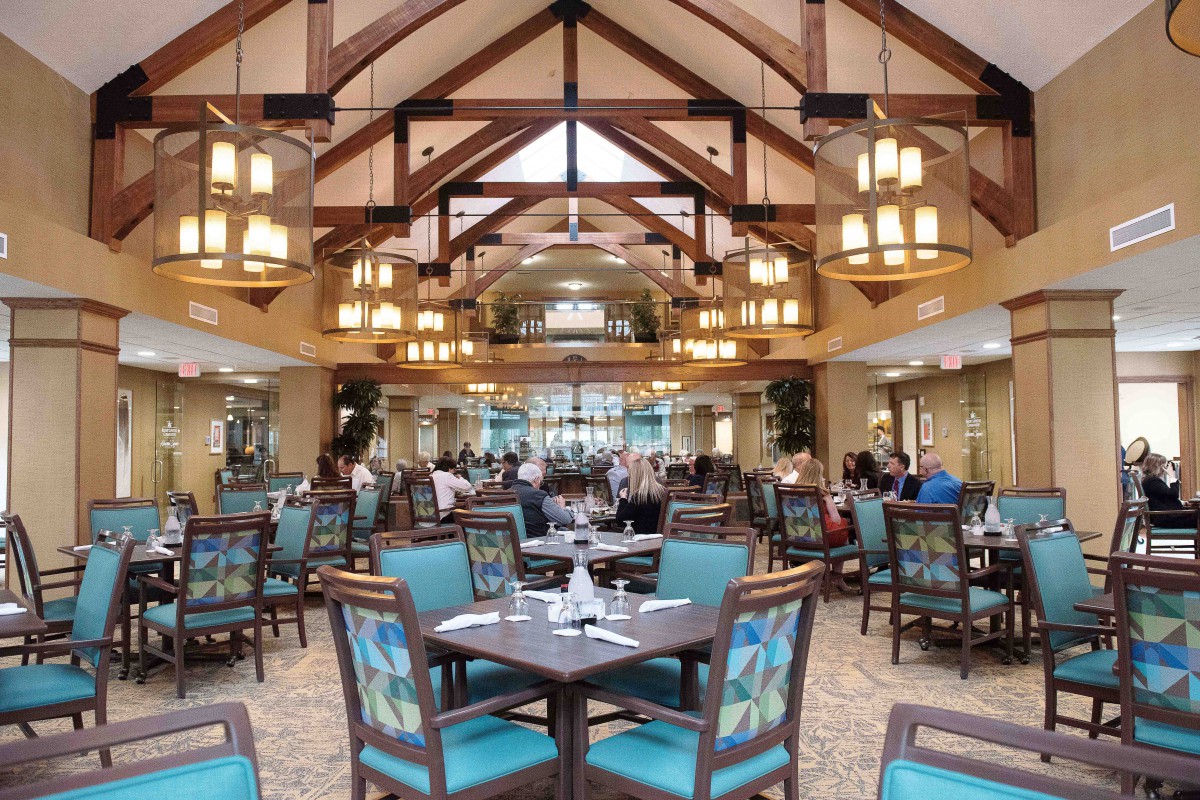
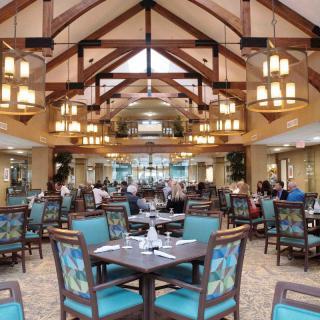
Dining and flexible meal hours
Dining gets consistently strong praise, with flexible options residents can fit around their day.
Residents repeatedly describe the meals as a standout, mentioning top-notch food, variety, and a convenient way to eat without sticking to rigid schedules. Several also specifically like flexible dining hours and room-meal options, including on-demand coffee and ice cream described as available at any time. A few reviewers contrast this by mentioning that service or dining quality has slipped at times, pointing to staffing or management changes.
differentiator12 reviews mention this
Activities and entertainment on-site
A packed activity calendar and entertainment spaces keep residents busy.
Many reviews highlight lots of activities happening throughout the day, plus live performances and scheduled events. Residents also point to amenities like a movie theater and other common spaces for entertainment, and they mention outings such as transportation to shopping and local restaurants. A few caveat that during periods like COVID-19, fewer activities were available, or that the outdoor activity options could be expanded.
common15 reviews mention this
Friendly, helpful staff presence
Residents frequently describe staff as friendly and genuinely helpful.
Across many reviews, residents and families mention that workers are warm, friendly, and easy to approach, and that help is available when needed. Some reviewers also highlight managers and dining staff as being involved and supportive, and they describe smooth move-in experiences. The main downsides that appear in reviews are aimed more at management responsiveness and repair timeliness than at day-to-day staff warmth.
caveat6 reviews mention this
Repair responsiveness concerns
Several reviews raise concerns about repairs and environment upkeep.
Some residents describe longer repair timelines and issues not being resolved in a timely way, including maintenance problems related to water intrusion and apartment moisture. There are also mentions of environmental comfort problems like hallways and public areas running cold. On the operational side, at least one reviewer ties problems to management decisions and reduced staffing for dining or maintenance coverage.
caveat8 reviews mention this
Cost increases and value questions
Reviews are mixed on affordability, with some noting rising costs.
A few reviewers question whether the community is affordable, including comments about comparing prices on tours and studying whether they can afford it. At the same time, some residents appreciate the way bills are handled, describing utilities and certain expenses as included, and others mention a fair price for what they get. One long negative review also claims living costs go up every year, which adds to the concerns about value even where the overall rent structure is described as easier to manage.
How we summarize
Counts show how many written reviews mention each theme; a review can touch several themes, and only frequently mentioned themes are displayed.
Features
Types of Care
Independent Living
Pets
Cats allowed
Dogs allowed
Amenities
Activities off-site
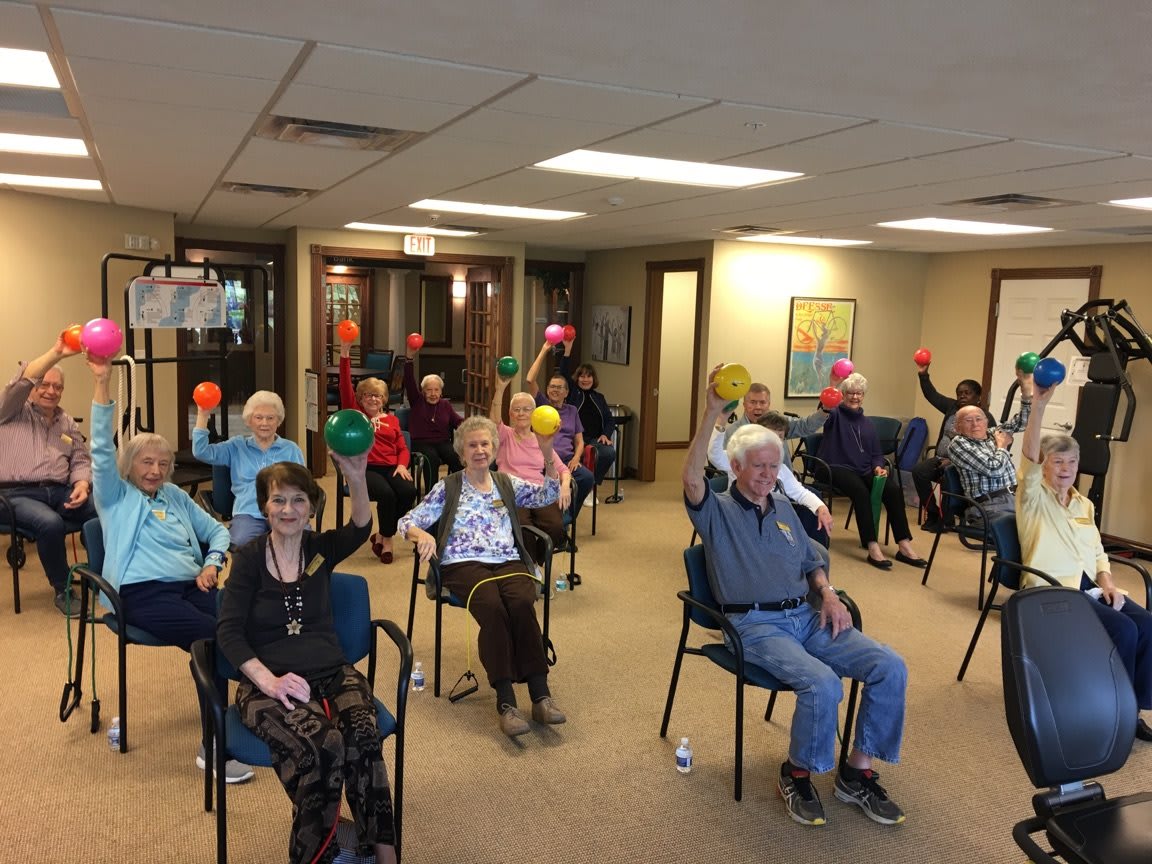
Activities on-site
Air-conditioning
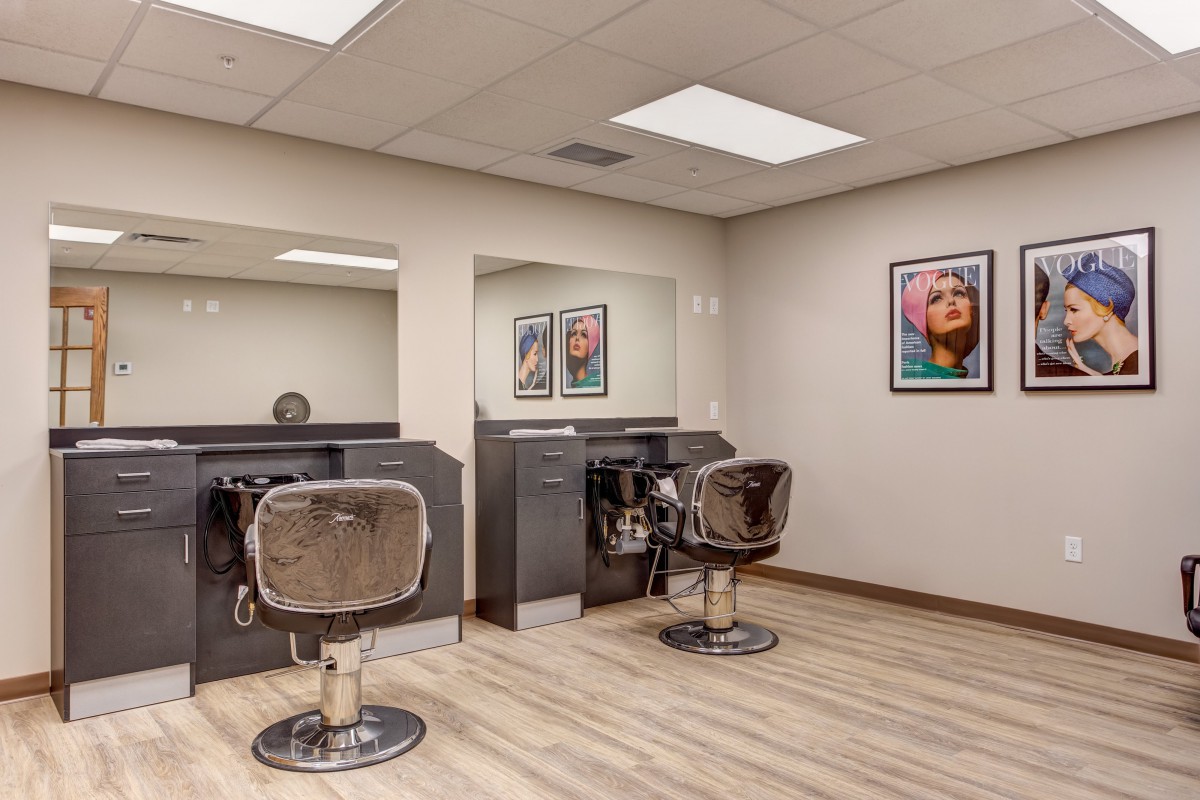
Beautician on-site
Cable or satellite TV
Devotional services on-site
Full kitchen
Ground floor units
Handicap accessible
Indoor common areas
Outdoor common areas
Wi-Fi/high-speed internet available
Transportation
Tallahassee Regional (12 miles away)
Dining
Anytime dining
Guest meals
Low / no sodium
Meals provided
No Sugar
Professional chef
Restaurant style dining
Room service
Vegan
Activities
Art classes
Day trips and outings
Devotional activities on-site
Educational speakers / life long learning
Happy hour
Live dance or theater performances
Live musical performances
Live well programs
Stretching classes
Tai Chi
Wine tasting
Yoga / chair yoga
Nearby Places of Interest
This area of Tallahassee, Florida offers a convenient location with easy access to several hospitals, pharmacies, cafes, restaurants, physicians, parks, and places of worship. The proximity of medical facilities such as Tallahassee Community Hospital and Capital Medical Oncology Unit ensures that seniors have access to quality healthcare services. Additionally, there are various dining options nearby including El Jalisco Restaurant and Red Elephant Pizza & Grill for those who enjoy dining out. The presence of parks like Killarney Park provides opportunities for outdoor recreation and relaxation. Places of worship like Celebration Baptist Church and Wildwood Church Pca offer spiritual support and community engagement. Overall, this area combines essential amenities with a comfortable living environment for seniors looking for a well-rounded lifestyle.
Hospitals
Ann Mullins Washburn (0.3 miles)
Apalachee Center (3.6 miles)
DaVita (3.9 miles)
Tallahassee Community Hospital (4.4 miles)
Tallahassee Medical Center (4.4 miles)
Capital Medical Oncology Unit (4.4 miles)
Cafes
Starbucks (0.4 miles)
Panera Bread (2.2 miles)
Starbucks (2.6 miles)
Restaurants
El Jalisco Restaurant (0.5 miles)
Red Elephant Pizza & Grill (0.6 miles)
Zaxby's (1.7 miles)
Chick-Fil-A (1.8 miles)
Wendy's (1.8 miles)
McGowan's Hops and Grapes (1.9 miles)
Dao Restaurant (1.9 miles)
Pharmacies
Walmart Pharmacy (0.6 miles)
Walgreens (1.8 miles)
Walgreens (2.1 miles)
CVS Pharmacy (2.4 miles)
Pharmacy Providers Service Corporation (2.9 miles)
Drug Test Resources (3.4 miles)
CVS Pharmacy (4.8 miles)
Physicians
Victoria L Smith, MD (0.6 miles)
Capital Regional Medical Care (1.8 miles)
North Florida Pediatrics (2.2 miles)
MyEyeDr (2.6 miles)
The Prenatal Experience (2.7 miles)
ASK Pediatric Services (2.8 miles)
Oral & Facial Surgery Center of Tallahassee (2.9 miles)
Red Hills Village Retirement Resort offers competitive pricing for its residents, especially when compared to Leon County and the broader state of Florida. Monthly rates at the resort for a studio apartment start at $3,581, which is notably lower than the county average of $4,014 and slightly below the state average of $3,823. For a one-bedroom unit, residents can expect to pay $3,665, again positioning Red Hills favorably against both the Leon County rate of $3,853 and the state's average of $3,864. The two-bedroom option is priced at $4,880; while this is higher than the county average of $4,215 and slightly above the state's figure of $4,711, it reflects the premium amenities and services provided by the resort. Overall, Red Hills Village offers attractive options for retirees looking for quality living arrangements that balance cost with comfort and care.
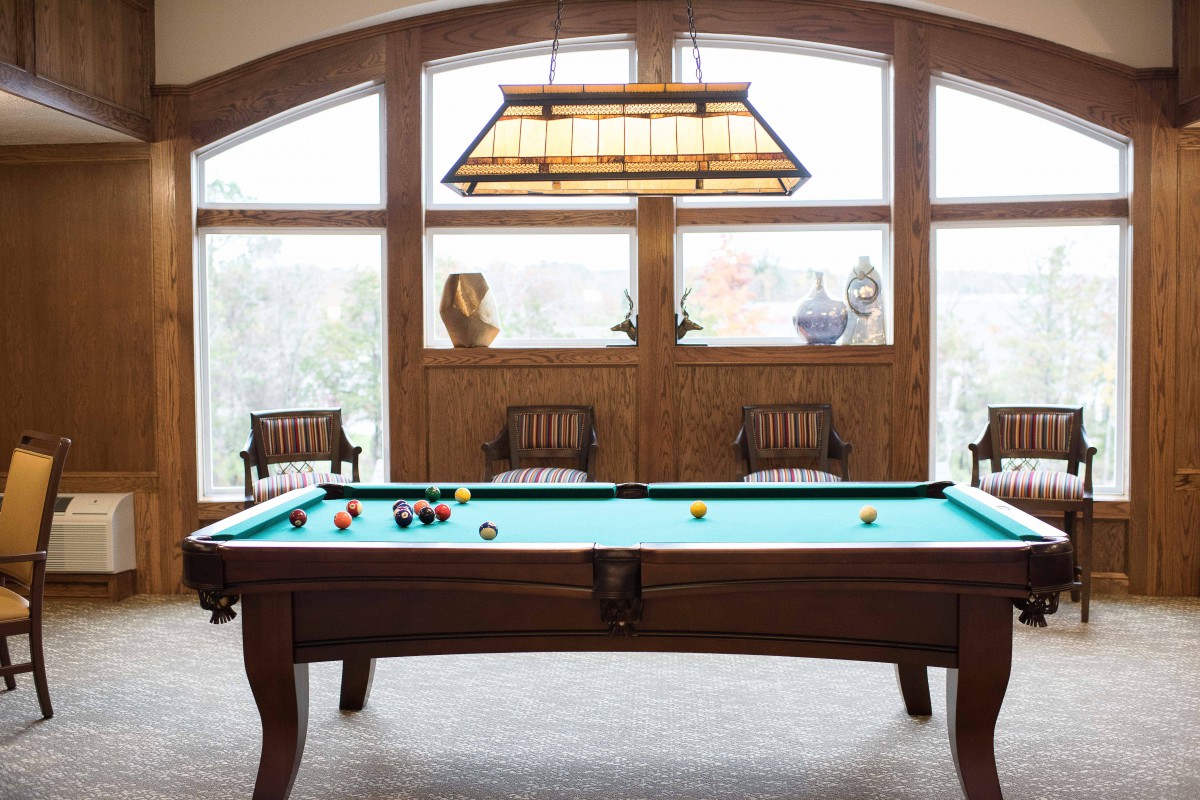
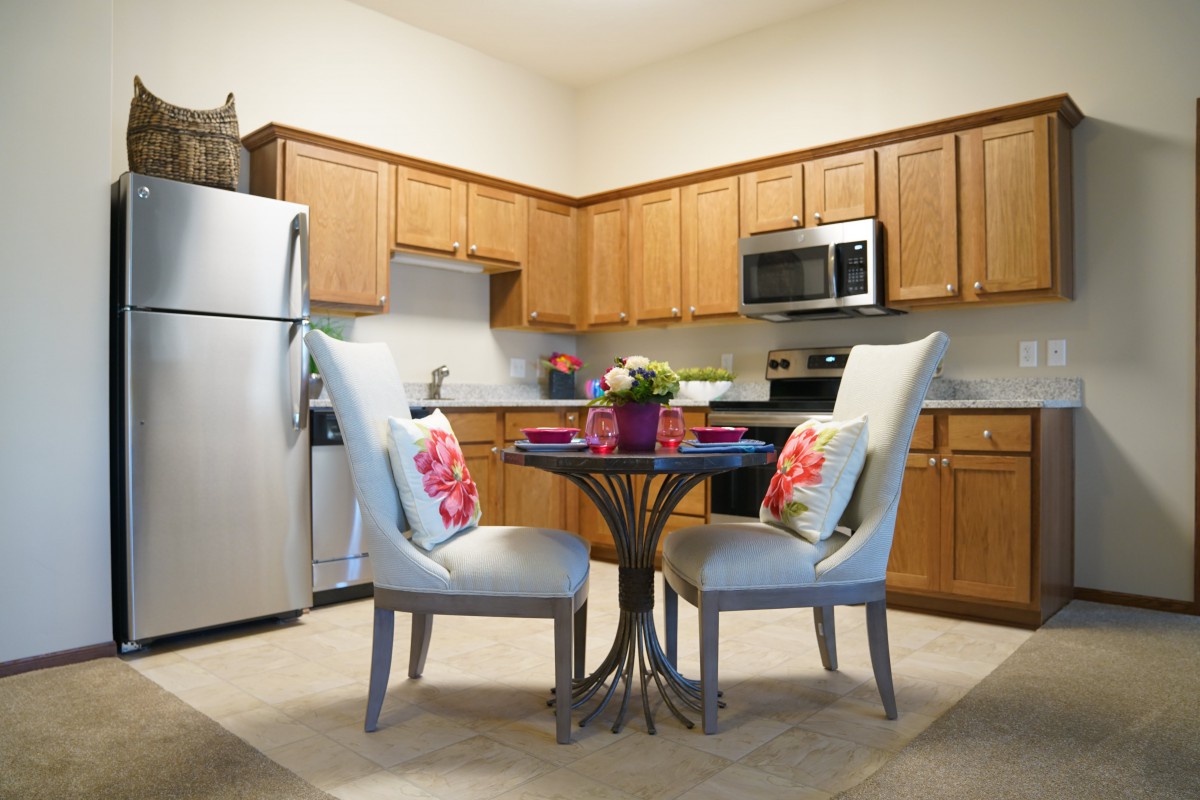
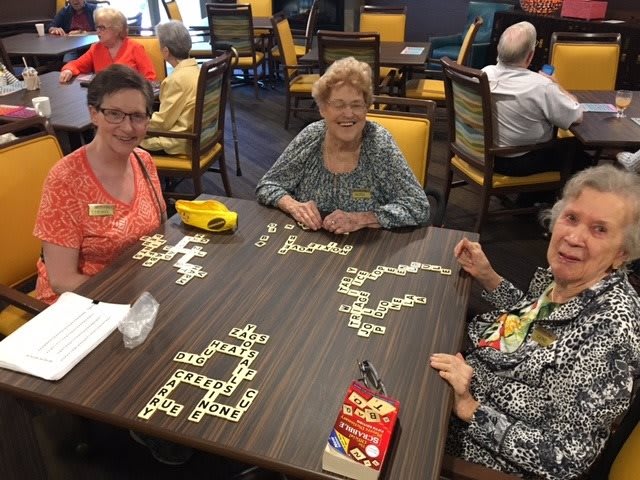
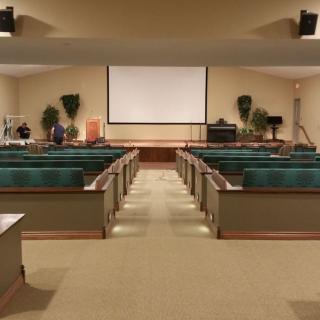
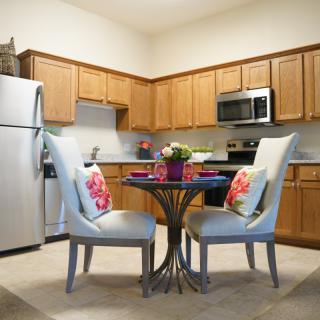
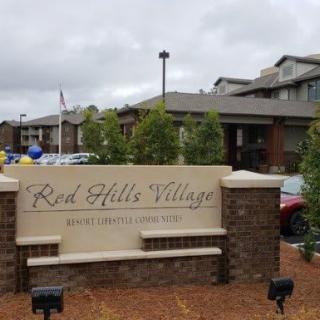
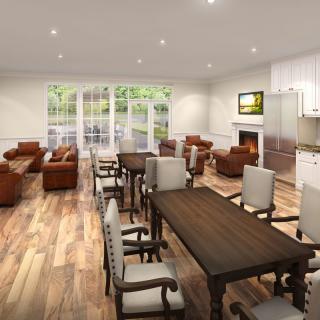
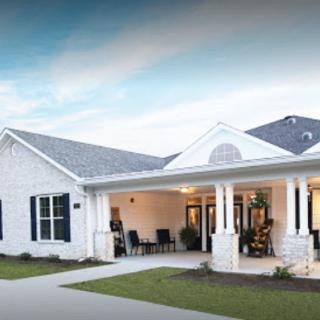
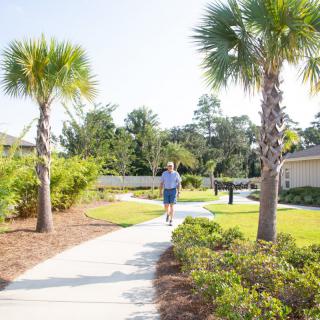
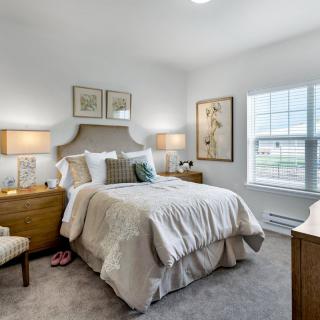
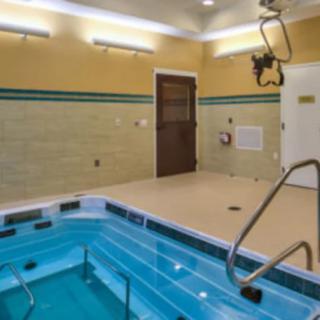
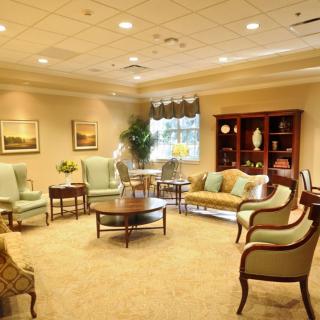
Red Hills Village Retirement Resort on seniors.fyi includes 22 photos including images showing floor plan, interior, kitchen, living room, bathroom, architecture, bedroom, dining, and more.
Nearby Communities
Azalea Gardens Memory Care & Transitional Assisted Living
Tallahassee, FL
4.7 from 19 reviews
Specialized memory care with 24/7 supervision and dementia-focused programming; extensive on-site amenities (salon, fitness, spa, library) and restaurant-style dining; transportation coordination for medical visits.
Allegro
Tallahassee, FL
4.6 from 45 reviews
$3,895 to $6,830 / month
Beautiful grounds, spacious apartments, outstanding management, and diverse dining.
Allegro Tallahassee
Tallahassee, FL
4.6 from 20 reviews
Extensive amenities and 24/7 care support
Villas at Killearn Lakes
Tallahassee, FL
4.7 from 78 reviews
$4,195 to $5,495 / month
Warm, caring staff in a home-like, small-villa setting with engaging activities and strong family communication.
Azalea Gardens Transitional Assisted Living and Memory Care
Tallahassee, FL
4.7 from 41 reviews
$5,900 to $7,900 / month
Warm, welcoming community with compassionate staff and engaging activities.
Sodalis Tallahassee Memory Care
Tallahassee, FL
2.5 from 2 reviews
Calm atmosphere with seemingly caring staff and a convenient location for visitors.
Mulligan Park Gracious Retirement Living
Tallahassee, FL
4.7 from 68 reviews
Beautiful, well-maintained community with spacious apartments and varied activities.
Centre Pointe Health And Rehab Center
Tallahassee, FL
3.3 from 124 reviews
Caring therapists and updated environment with private rooms.
Westminster Oaks
Tallahassee, FL
4.5 from 137 reviews
$1,737 to $3,342 / month
Friendly, attentive staff; clean facilities; multiple living options and on-site amenities.
The article highlights the importance of empathy and open communication when comforting someone who is grieving, noting that grief is unique to each individual and emphasizing the need for sincere expressions of condolence, active listening, and ongoing support. It also addresses cultural differences in mourning practices and encourages tailored approaches to provide effective comfort.
Home health care aides provide vital medical and non-medical support to individuals at home, assisting with daily living activities and promoting emotional well-being, while the demand for these services increases due to an aging population. Families benefit from in-home care's flexibility and cost-effectiveness but face challenges like scheduling consistency and caregiver turnover.
Older adults with urinary tract infections (UTIs) often present atypical symptoms, complicating diagnosis due to factors like incomplete bladder emptying and chronic health conditions that increase their susceptibility. Effective management involves prompt treatment with antibiotics, hydration, and preventive strategies while minimizing antibiotic resistance and focusing on holistic care approaches.
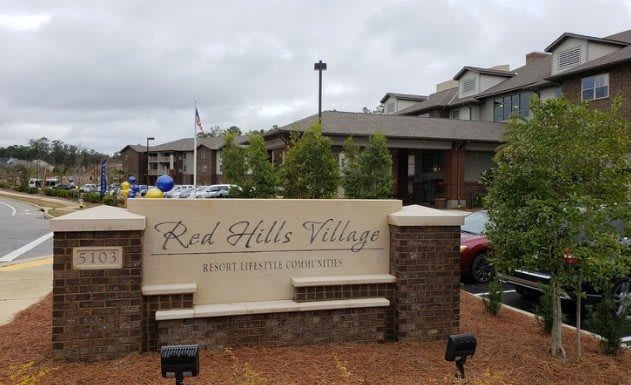
Landscaping, Building, Outdoor, and Apartment Complex
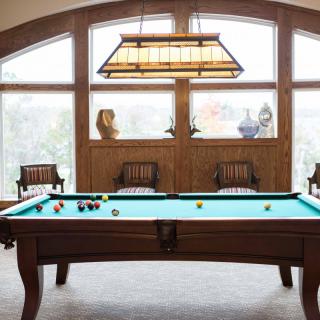
Windows, Lighting, Billiards, and Game Room
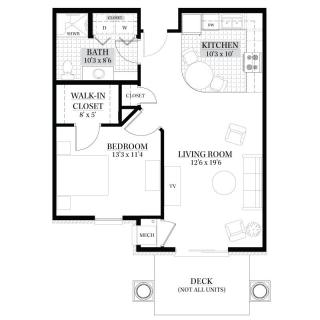
Floor Plan
Architecture
Bathroom
Kitchen
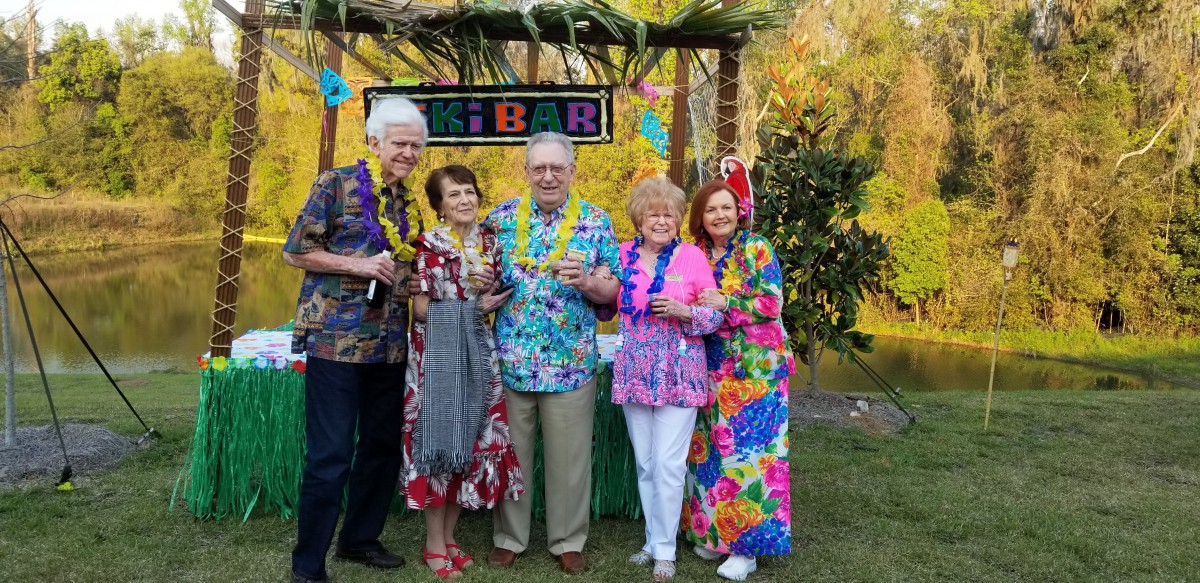
Outdoors
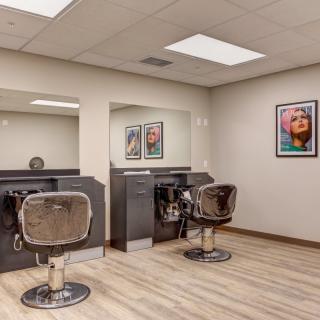
Salon, Wall Art, and Mirrors
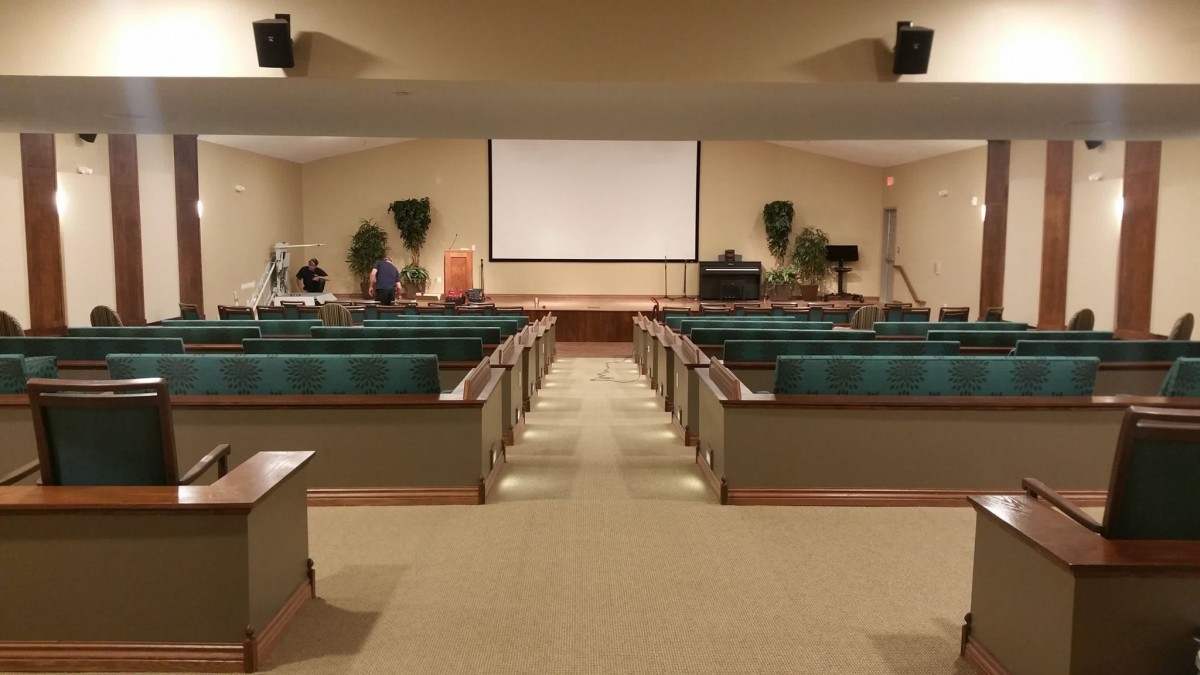
Seating, Conference Room, Church, and Projector Screen
Studio Apartment
Spacious and Lighting Fixtures
Closet
Home Design and Room Layout
Architectural Drawing
Deck
Laundry Room
Two-bedroom
Additional Photos
Get PricingAsk A QuestionSchedule A TourContact Senior Advisor
By clicking submit, you agree to our Partner's Terms of Use. You
also consent to receive calls and texts, which may be autodialed, from our Partner. Your consent is not a condition to
using our Partner's service. Please visit our Partner's Privacy Policy for information about their privacy practices.


 Independent Living
 Cats allowed
 Dogs allowed
 Activities off-site
 Air-conditioning
 Beautician on-site
 Cable or satellite TV
 Devotional services on-site
 Full kitchen
 Ground floor units
 Handicap accessible
 Indoor common areas
 Outdoor common areas
 Wi-Fi/high-speed internet available
 Tallahassee Regional (12 miles away)
 Anytime dining
 Art classes
 Day trips and outings
 Educational speakers / life long learning
 Happy hour
 Live dance or theater performances
 Live musical performances
 Live well programs
 Wine tasting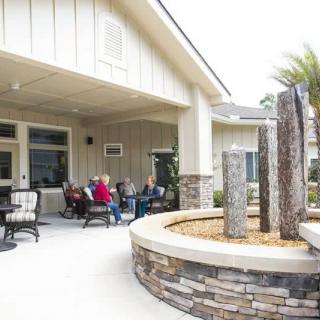
 Specialized memory care with 24/7 supervision and dementia-focused programming; extensive on-site amenities (salon, fitness, spa, library) and restaurant-style dining; transportation coordination for medical visits.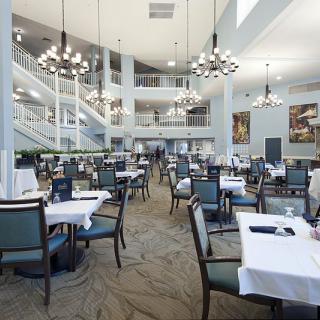

 Compassionate Conversations: How to Comfort Someone Who Is Grieving
 Home Health Care Aides: Understanding Their Role and Supporting Your Family
 Urinary Tract Infections in Older Adults: Comprehensive Insights on Symptoms, Treatment, and Prevention