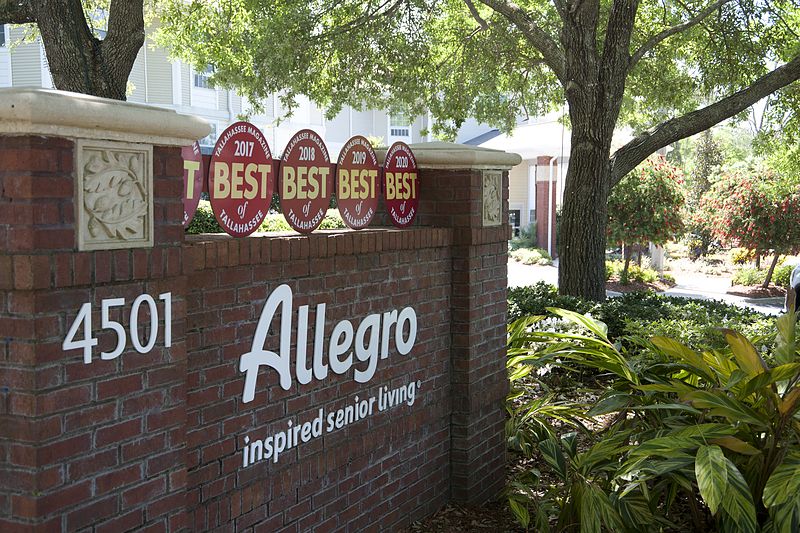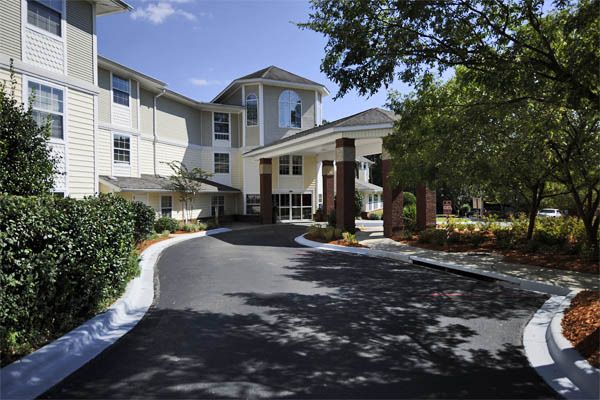




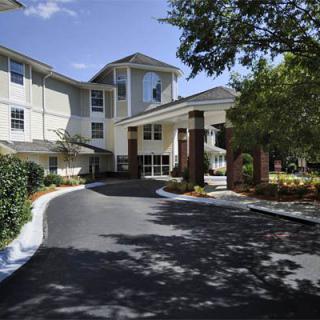



4501 West Shannon Lakes Drive, Tallahassee, FL 32309
For more information about senior living options: (866) 208-4318
Overall Review of Allegro Tallahassee
Pros
 Allegro in Tallahassee is awesome.
- The administrative and healthcare staff are kind, helpful, and patient.
- Laurie and Ashley in administration keep everything running smoothly.
- Ashley and Jean in nursing are very knowledgeable.
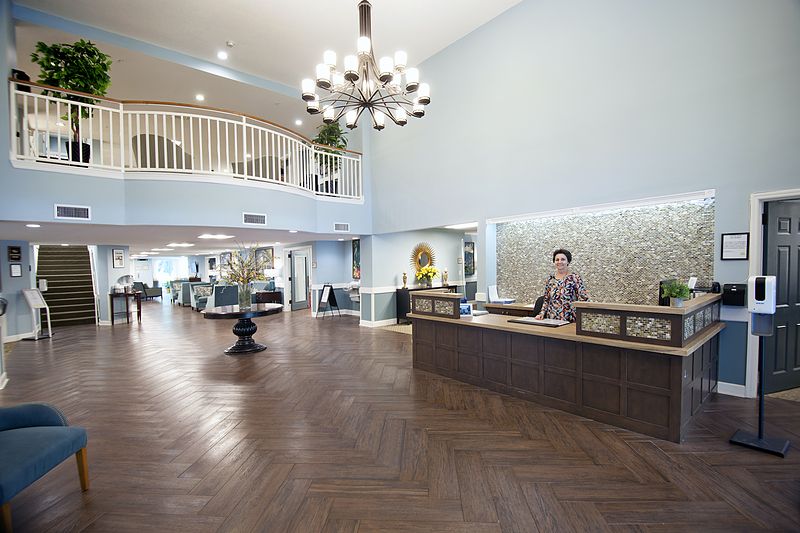
- The front desk staff and the dining room staff are lovely and fun.
- Rebecca and Perri in activities ensure residents are included.
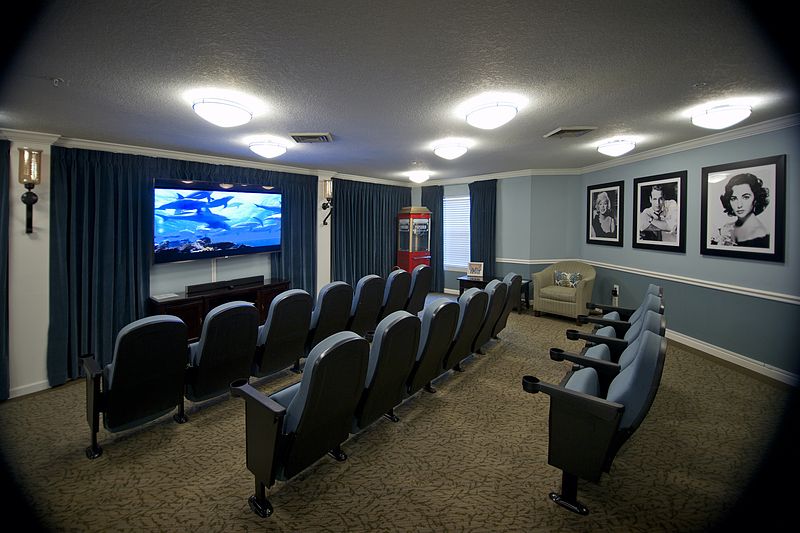
- Allegro offers a great activities program with many choices.
- The mac and cheese at Allegro is awesome.
- Allegro provides a safe and welcoming environment with friendly people.
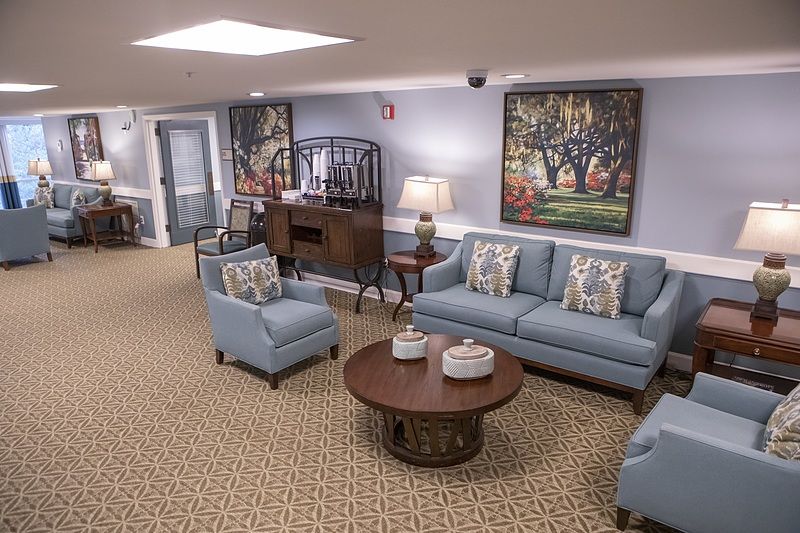
- Allegro feels like a neighborhood and a wonderful home for residents.
Cons
 Very poor service.
- The regional director is judgmental and small-minded and does not have the residents’ and their families’ best interests at heart.
- The regional director ties the hands of the on-site staff from advocating for the residents.
- There were kinks and schedules to work out in the first two weeks.
Review
Allegro Tallahassee is best suited for families seeking a warm, community-driven environment that blends strong social programming with attentive memory-supportive care. The clearest signal from the reviews is that residents are treated as individuals within a lively campus, where administration, nursing, dining, and activities crews collaborate to keep daily life engaging. The standout story is the ability to care for younger seniors facing cognitive challenges, including early-onset dementia, without stripping them of social purpose or independence. For families prioritizing a sense of belonging, regular activities, and a home-like atmosphere, complete with exercise classes, outings, and on-site dining, Allegro delivers a convincing, practical fit.
That said, some families should consider alternatives if governance and sustained advocacy are non-negotiable. A subset of reviewers flag concerns about leadership style at the regional level, describing a judgmental posture that allegedly limits frontline staff in advocating for residents. While the on-site teams are praised for kindness and competence, this tension between local care teams and higher-level administration can create a perception that resident voices may not always be fully amplified. For families who insist on a tightly controlled, consistently proactive oversight structure, or who want a facility with a reputation for uniform advocacy from leadership, it is prudent to compare options and meet with both campus and regional leaders before committing.
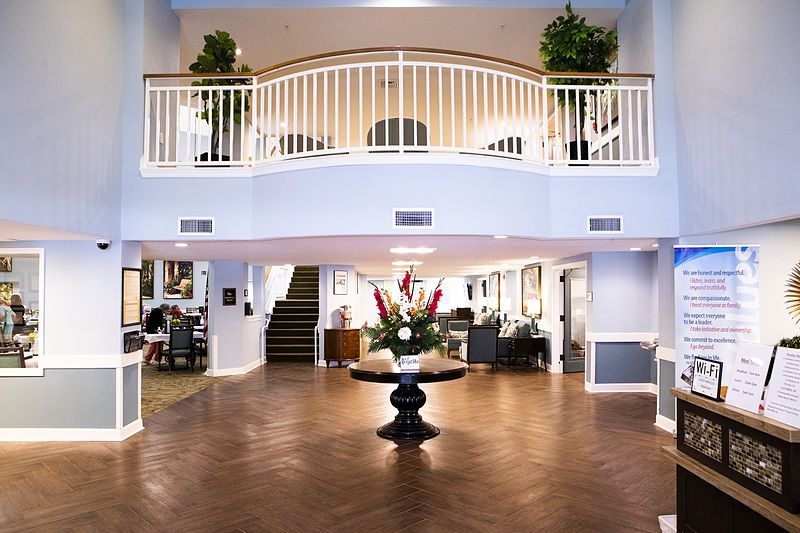
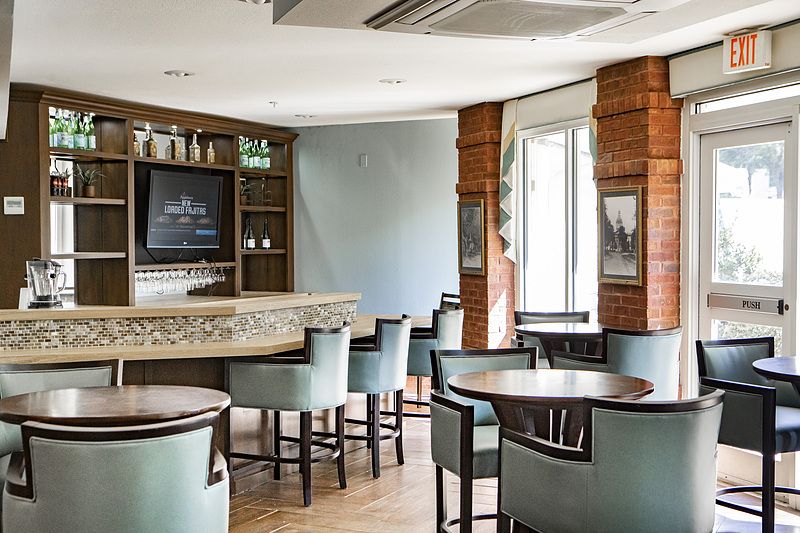
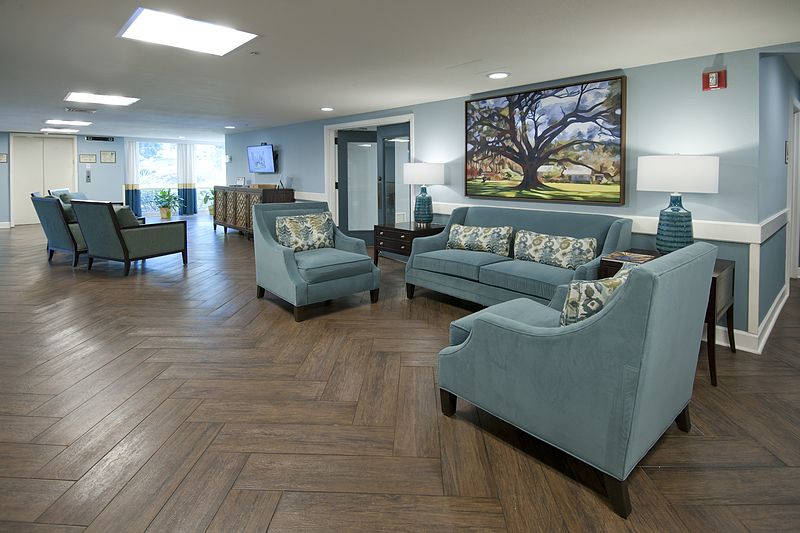
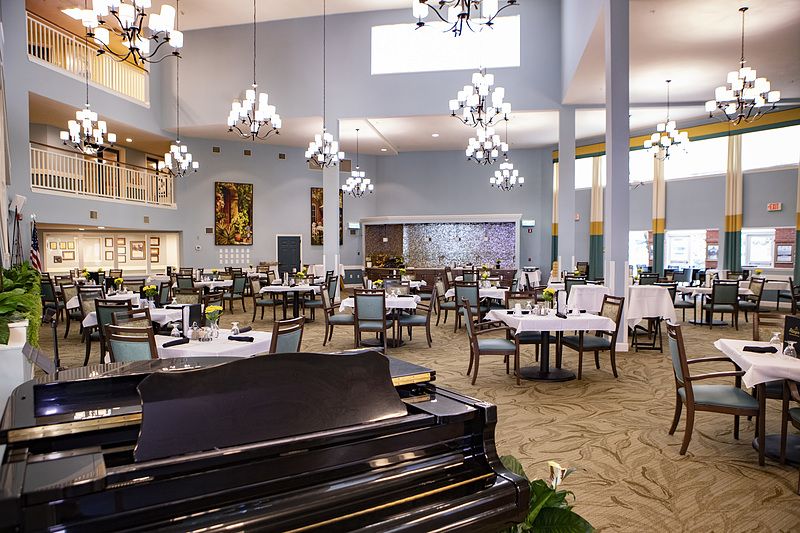
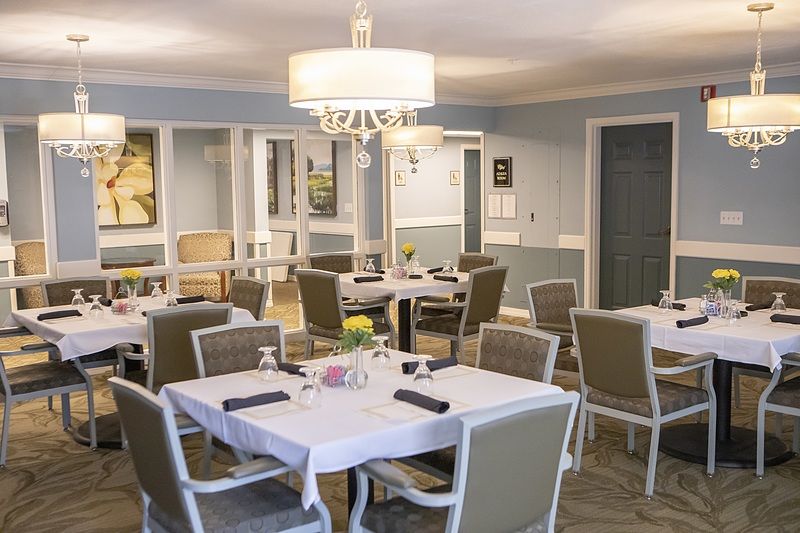
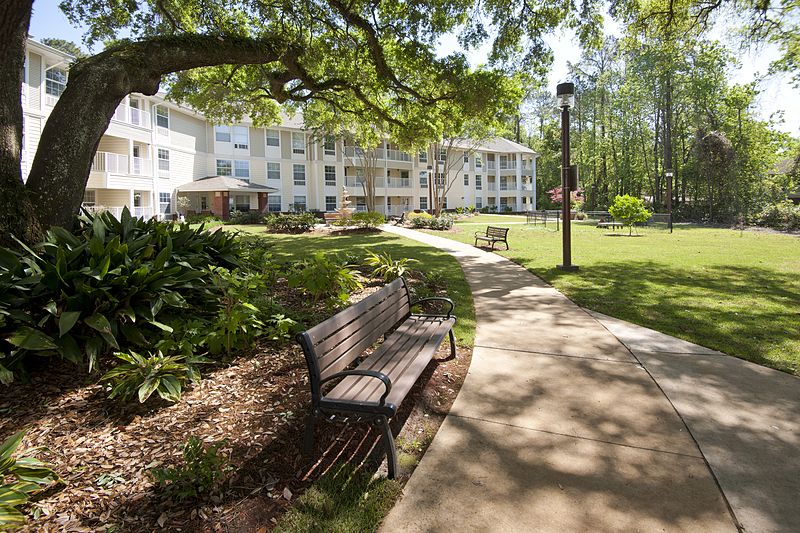
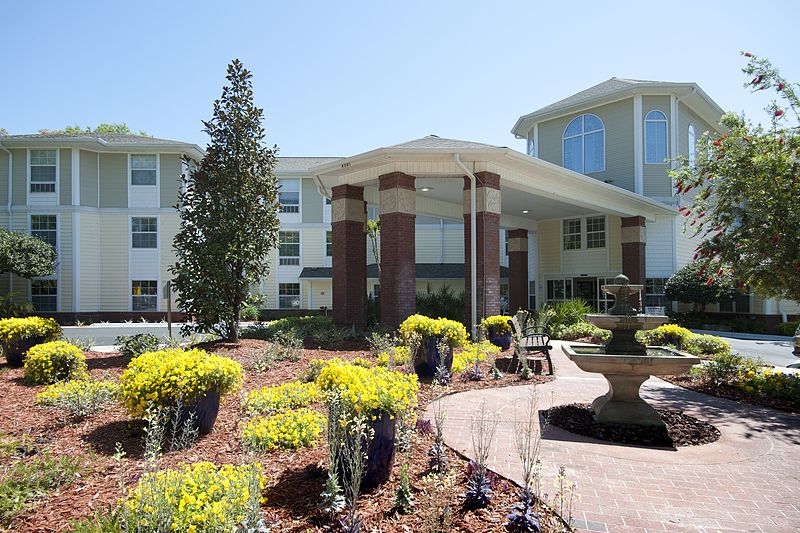
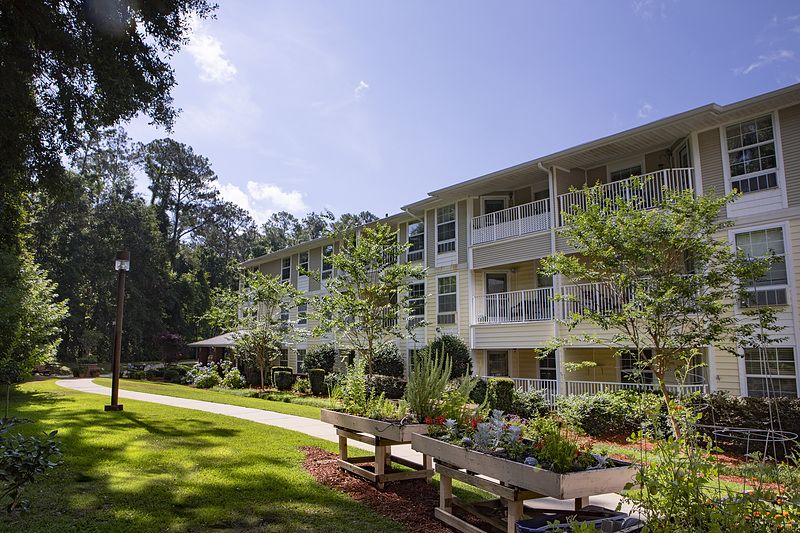
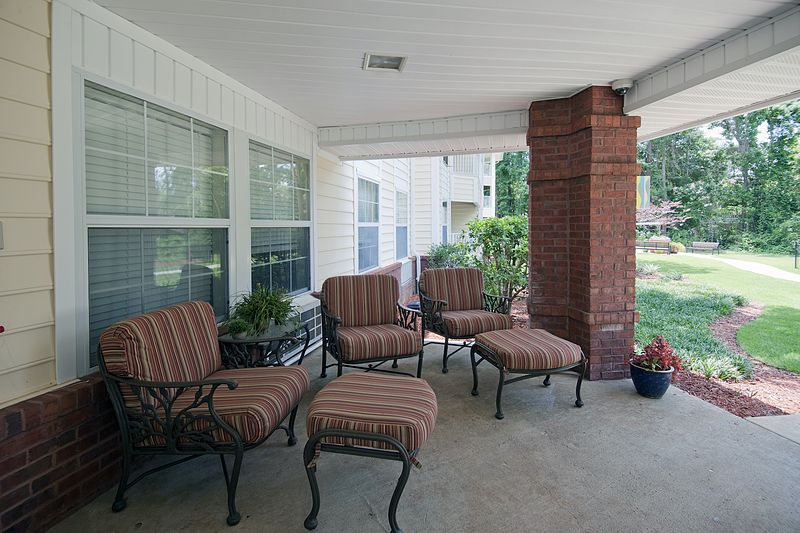
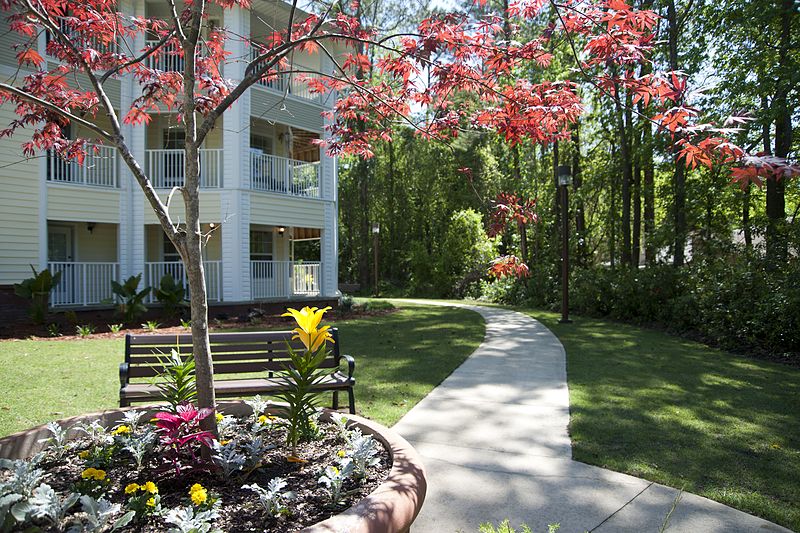
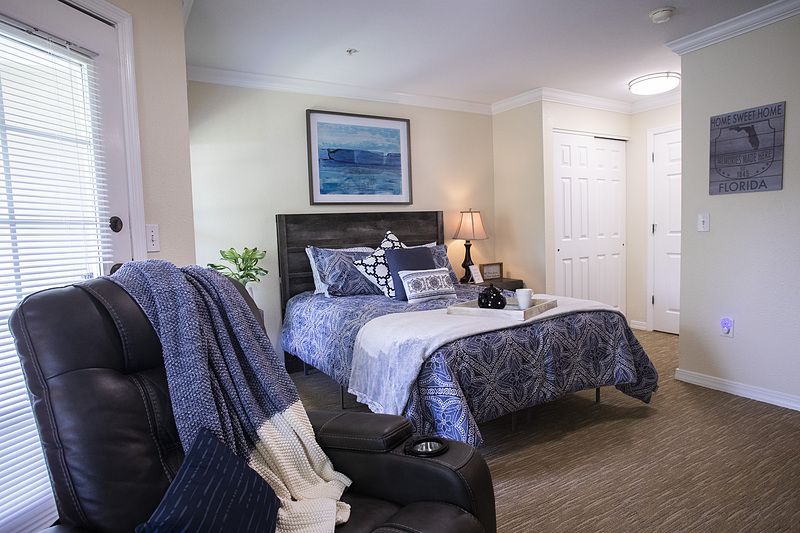
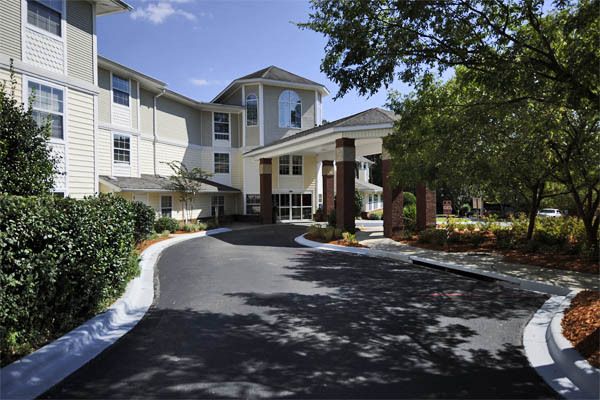
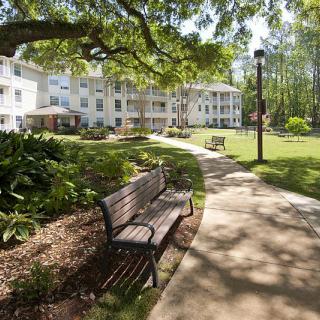
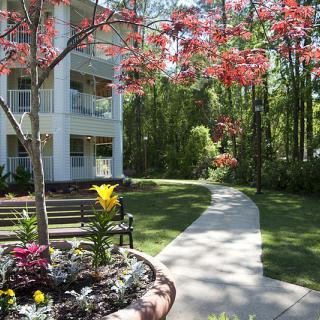
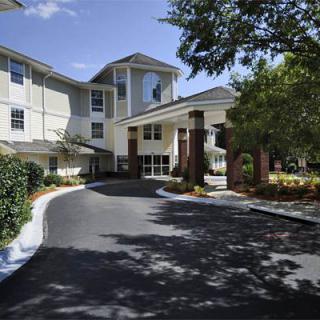
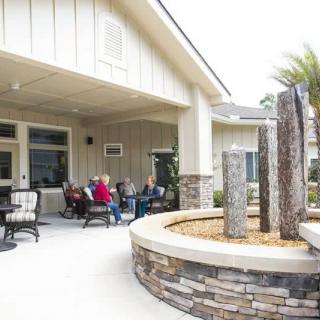
The strongest positives are deeply practical and continually reinforced by families. On the front lines, staff members are described as patient, knowledgeable, and genuinely invested in residents’ well-being. Administration, nursing, dining, and activities coordinators are repeatedly named for reliability and approachability. The activities program is robust, with a particular emphasis on exercise, social events, and inclusive outings, details that matter for cognitive and physical engagement. The facility itself reads as meticulously maintained, with a pet-friendly policy that reinforces a neighborhood feel. The dining experience is frequently praised as restaurant-like, contributing to an overall sense of daily normalcy and pleasure that supports mood and motivation.
Those strengths, however, are tested by the documented cons. The most credible concerns center on perceived barriers from regional leadership and occasional reports of subpar service moments tied to systemic issues rather than direct care. The reviews do not depict a facility slide into neglect or danger; rather, they describe a potential mismatch between frontline compassion and higher-level policy. For a family weighing Allegro, this means acknowledging that while caregivers may excel in daily interactions and programming, questions about advocacy consistency and administrative responsiveness warrant direct conversations with both campus leadership and, if possible, regional reps before deciding.
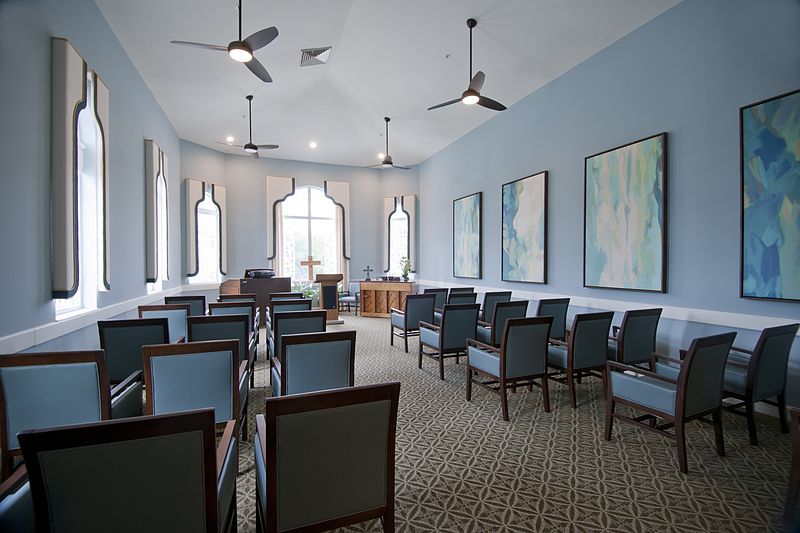
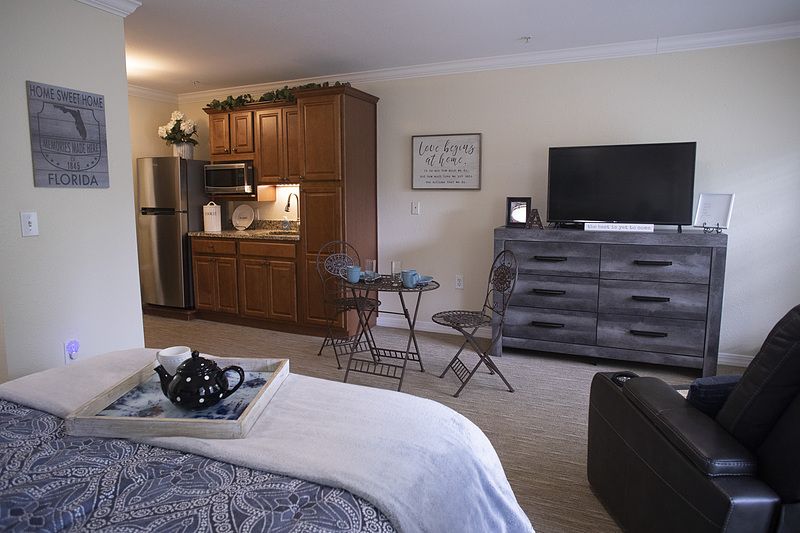
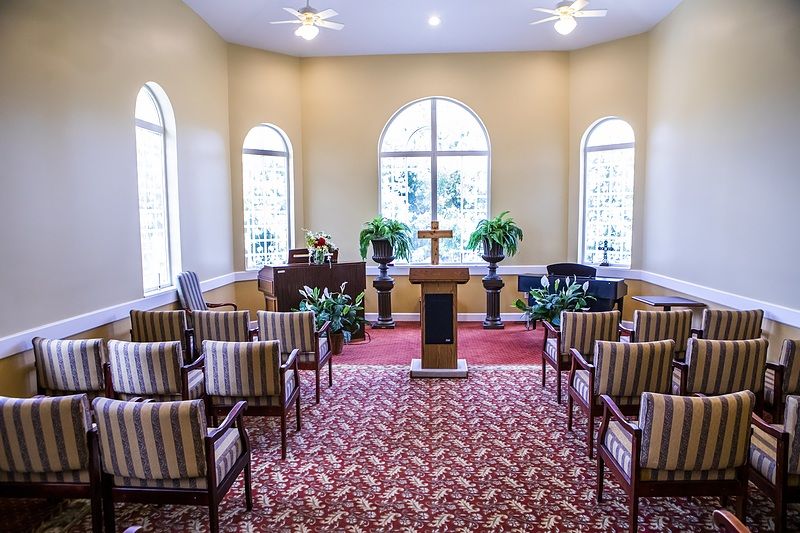
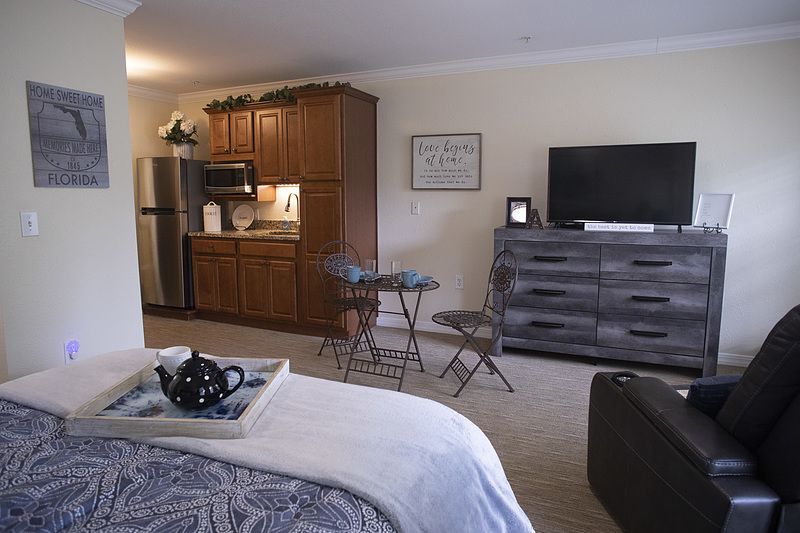
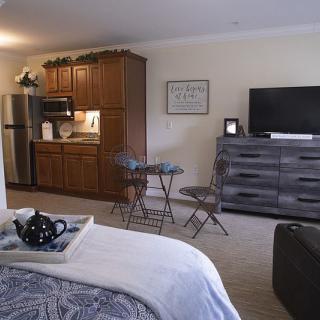
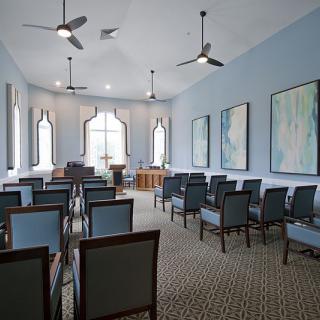
Nevertheless, the pros substantially offset the cons for families who value a resident-centered, activity-rich setting that also supports memory care needs. Allegro’s environment fosters safety through attentive staff, predictable routines, and proactive engagement, elements that matter most when memory challenges are part of daily life. The possibility to upgrade to larger, more home-like apartments and the presence of chapel services and a tight-knit community further reinforce the sense of belonging many families seek. For younger residents or those with similar cognitive considerations to the highlighted cases, Allegro operates as a practical, emotionally supportive home base rather than a clinical dojo.
In the end, Allegro Tallahassee stands out as a strong recommendation for families prioritizing warmth, social vitality, and a holistic approach to memory care within a well-kept, community-forward setting. The most decisive questions to ask during tours should center on leadership alignment and advocacy, how frontline staff are supported by regional governance, and what mechanisms exist to ensure resident concerns are promptly heard and acted upon. If these conversations yield confidence, Allegro offers a compelling blend of personalized care, engaging programming, and a genuine neighborhood atmosphere. If not, alternatives with a clearer, more uniform governance track may better fit the family’s expectations.
 60 resident community capacity
 Assisted Living
 Independent Living
 Air-conditioning
 Beauty salon
 Cable or satellite TV
 Computer center
 Dining room
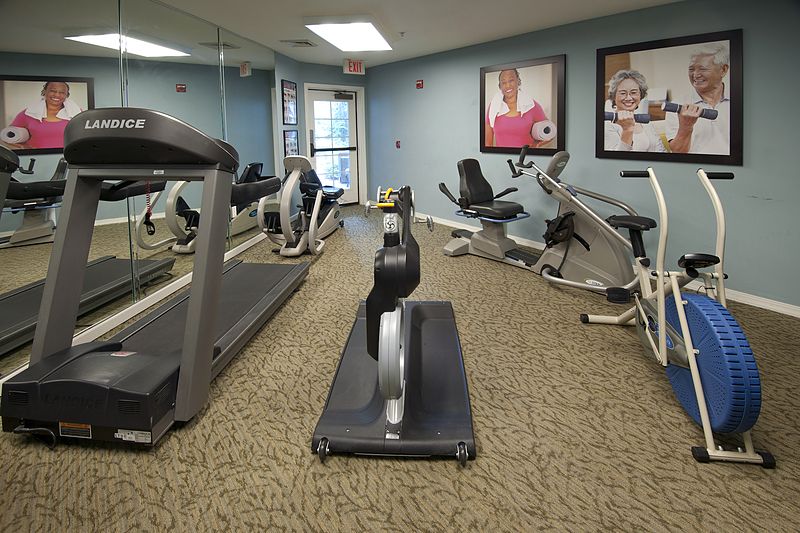
 Fitness room
 Fully furnished
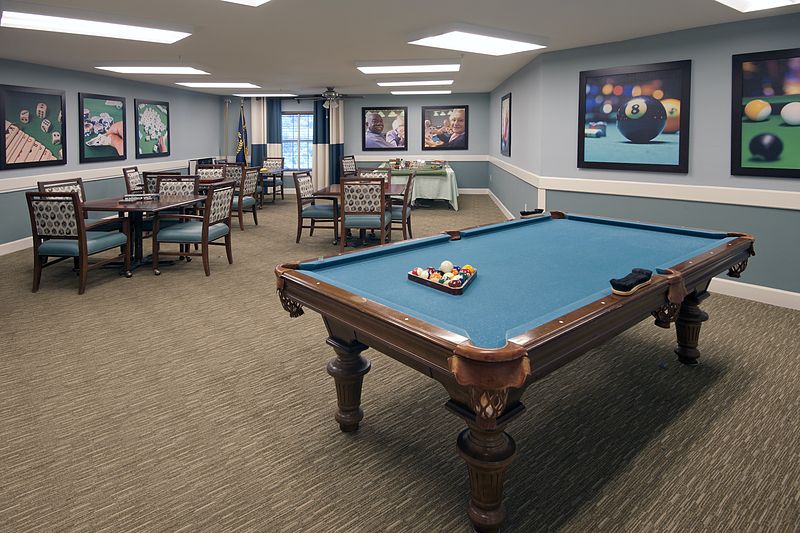
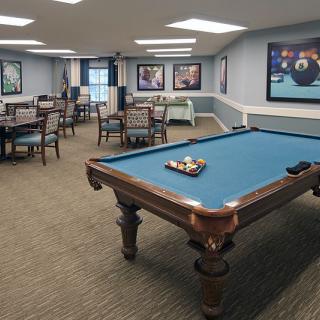
 Gaming room
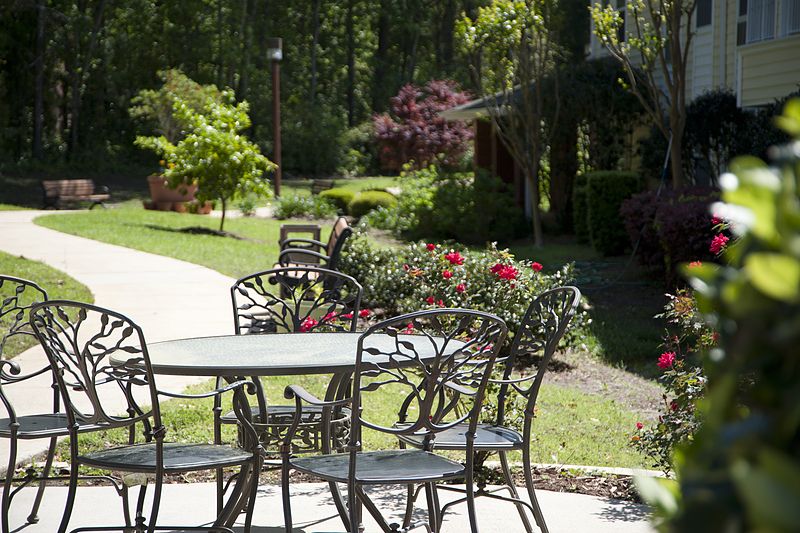
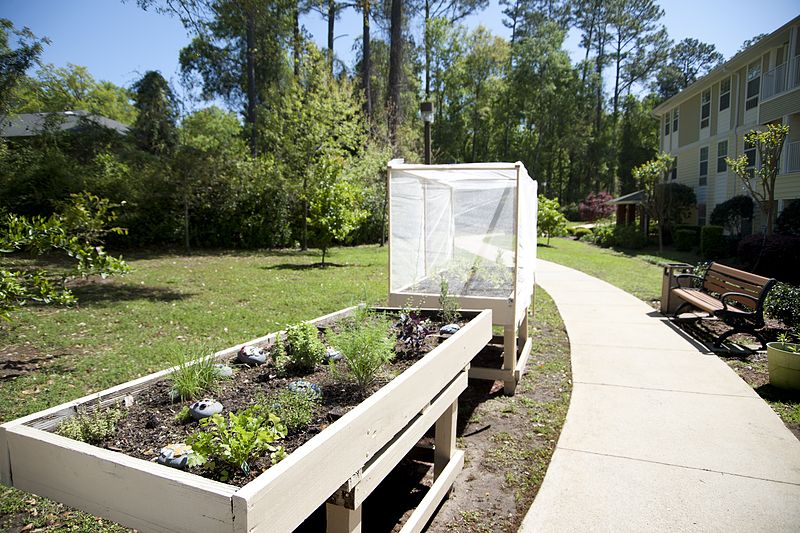
 Garden
 Housekeeping services
 Kitchenette
 Move-in coordination
 Outdoor space
 Private bathrooms
 Restaurant-style dining
 Small library
 Telephone
 Wellness center
 Wi-Fi/high-speed internet available
 Tallahassee Regional (13 miles away)
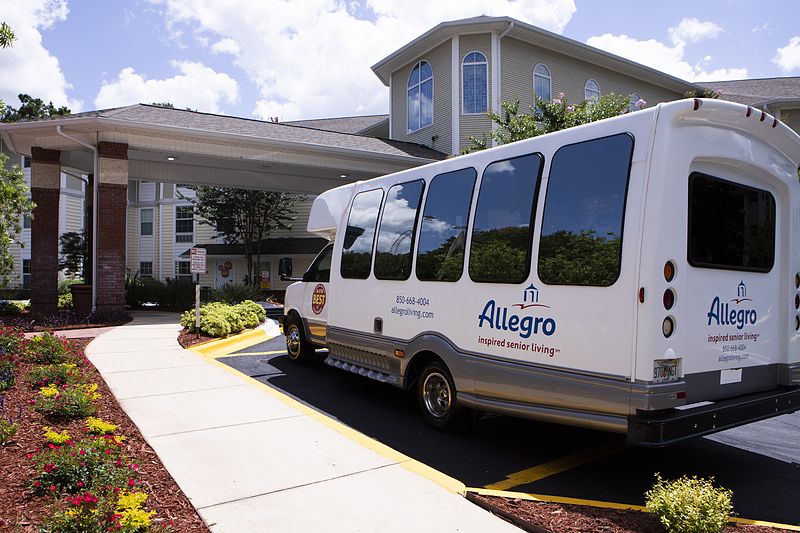
 Community operated transportation
 12-16 hour nursing
 24-hour call system
 Activities of daily living assistance
 Assistance with bathing
 Assistance with dressing
 Assistance with transfers
 Diabetes diet
 Hospice waiver
 Medication management
 Mental wellness program
 Special dietary restrictions
 Transportation arrangement (medical)
 Concierge services
 Planned day trips





 How and When Medicaid May Cover Assisted Living Costs
 A Detailed Exploration of Assisted Living Medicaid Waivers Across the United States
 Comprehensive Residential Support and Assisted Living Solutions for Individuals with Disabilities