Azalea Gardens Transitional Assisted Living and Memory Care Costs & Pricing
Azalea Gardens Transitional Assisted Living and Memory Care offers a range of pricing that reflects the quality of care and services provided. For a semi-private room, residents can expect to pay $5,900 per month, which is notably higher than the average rates in Leon County at $3,837 and even more so compared to the state average of $3,009. Residents opting for a studio will find themselves investing $7,900 monthly, again exceeding local and state averages - Leon County's average stands at $4,014 while Florida's overall average is $3,823. These costs underscore Azalea Gardens' commitment to delivering exceptional care tailored to individual needs within a supportive environment.
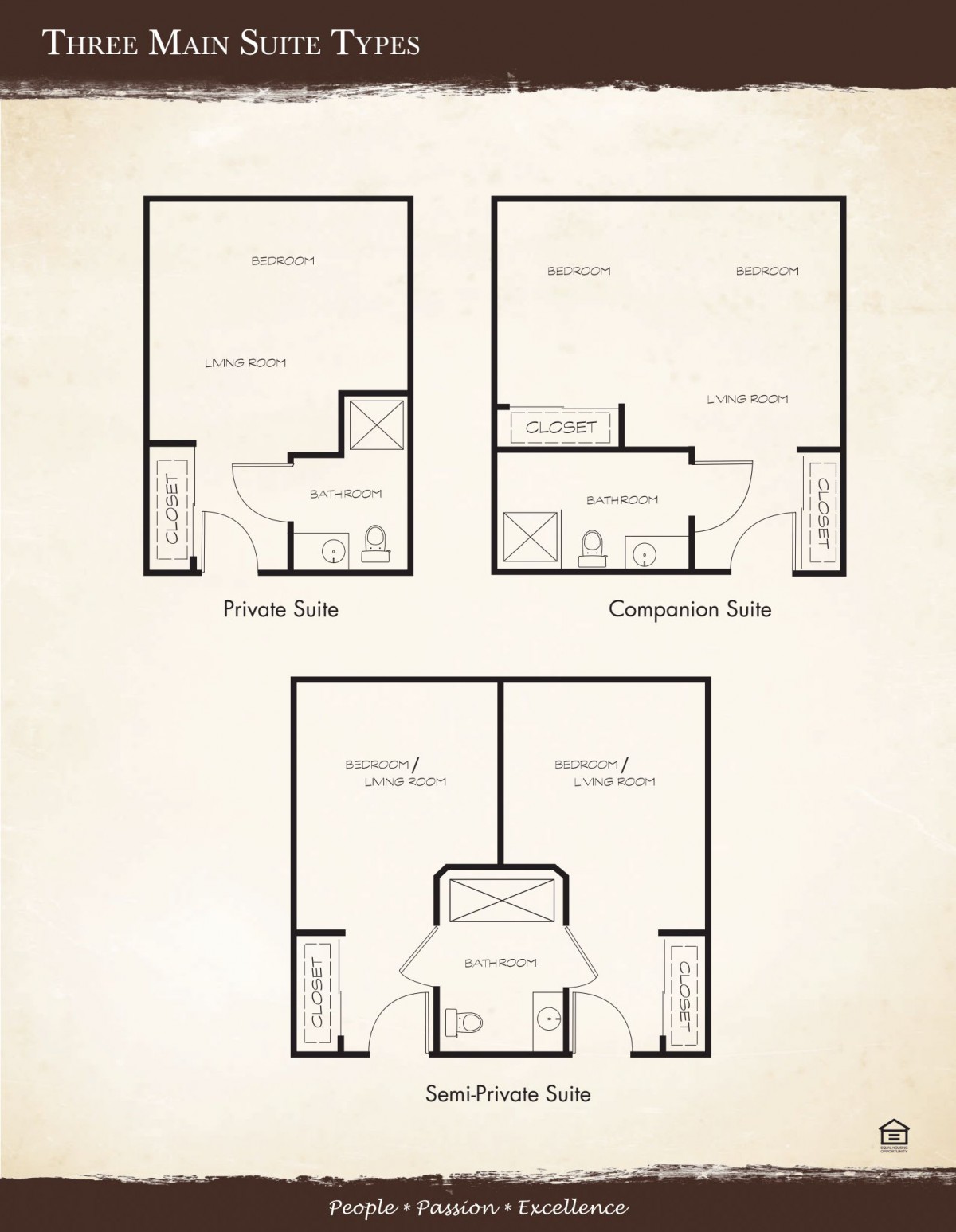
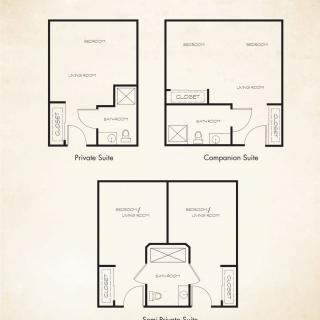
Floor plans
Azalea Gardens Transitional Assisted Living and Memory Care
Leon County
Florida
Semi-Private
$5,900
$3,837
$3,009
Studio
$7,900
$4,014
$3,823
Memory care communities with a similar price nearby
Overall Review of Azalea Gardens Transitional Assisted Living and Memory Care
common32 reviews mention this
Caring, personalized staff presence
Residents and families consistently describe staff who know people personally and follow through on care.
Many reviewers describe staff as compassionate and attentive, often noting that caregivers learn residents’ names, likes/dislikes, and personal habits. Several reviews also mention responsiveness to changing needs and comfort during visits, including continued personal attention. Even in critical reviews, staff are described as nice and caring—while the main concern becomes whether staffing levels can keep up.
differentiator11 reviews mention this
Memory care support stands out
Memory care feels built for changing cognition, including Alzheimer’s-specific support and training.
Reviewers selecting Azalea for memory care describe a smoother transition into assisted living and a focus on quality of life after moving in. Multiple families mention Alzheimer’s or dementia-specific expertise, including training and care for different levels of need. One review specifically references an Alzheimer’s special care center, and another emphasizes caution around staffing for Lewy Body Dementia while still describing staff as sensitive to the condition.
common13 reviews mention this
Activities and outings fill the day
Residents have structured activities that reviewers say keep people engaged throughout the day.
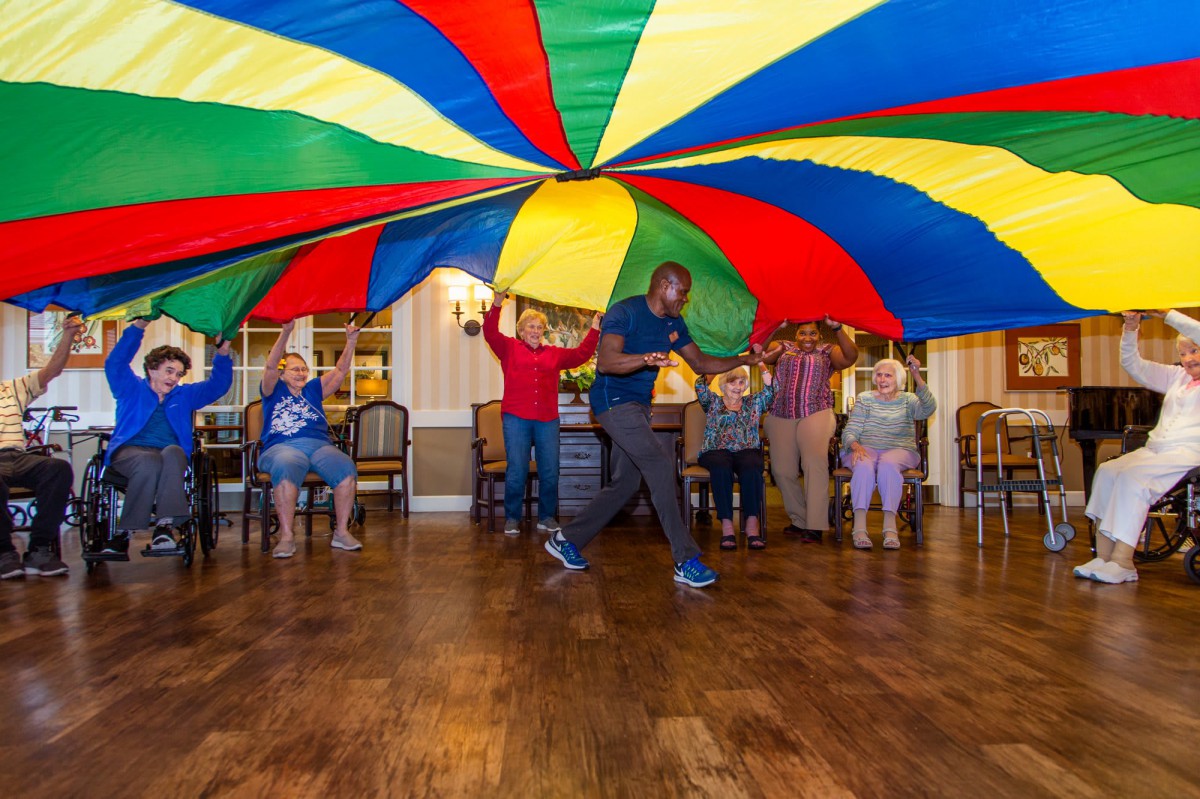
Across reviews, families describe activities that support daily engagement, from crafts and gardening to social outings and scheduled entertainment. At least one reviewer frames the programming as cognitively beneficial, and others mention residents participating eagerly. The community’s offerings also align with the kinds of daily events people describe, including classes, clubs, and music or performance-style entertainment.
common4 reviews mention this
Food receives frequent praise
Reviews highlight meals prepared by the chef staff as something residents look forward to.
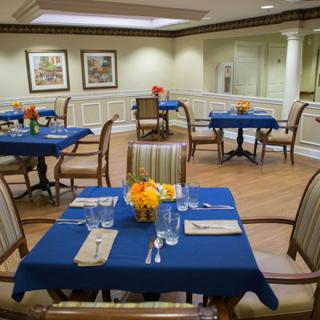
Some reviewers specifically call out meal quality, including a chef and staff that prepare food residents enjoy. Others describe the food as delicious and visually appealing. These comments match the community’s stated dining approach, including restaurant-style dining and special dining options for different dietary needs.
common10 reviews mention this
Clean, comfortable, and homey feel
Several reviewers describe the building as clean and comfortable, with a warm atmosphere.
Multiple families describe the community as clean and comfortable, and a few note it feels more like home than a clinical setting. Reviewers also mention cleanliness as something they can see during visits and during the day-to-day experience. One review goes further and describes it as the cleanest option they observed, while also mentioning features like cameras.
caveat3 reviews mention this
Staffing ratio concerns affect confidence
Some reviews question staffing levels, citing turnover and care gaps for higher-needs dementia.
A recurring concern in critical reviews is staffing ratio, with one reviewer describing turnover, an overworked feeling, and not enough help for the level of care needed. Another reviewer recommends caution about the staffing ratio specifically for Lewy Body Dementia and describes an incident where a fall went unnoticed for a period. These concerns also connect to price, where the community is priced at a level that can leave families comparing what they pay to what staffing can reliably deliver.
How we summarize
Counts show how many written reviews mention each theme; a review can touch several themes, and only frequently mentioned themes are displayed.
Features
Types of Care
Assisted Living
Memory Care
Amenities
Activities on-site
Air-conditioning
Beautician on-site
Cable or satellite TV
Devotional services off-site
Ground floor units
Indoor common areas
Outdoor common areas
Private bathrooms
Respite or short term stays offered
Wheelchair accessible showers
Wi-Fi/high-speed internet available
Transportation
Tallahassee Regional (11 miles away)
Care Services
Ambulatory care
Diabetic care
Incontinence care
Medication management
Dining
Anytime dining
Guest meals
Low / no sodium
Meals provided
No Sugar
Professional chef
Restaurant style dining
Special dining programs
Vegetarian
Activities
Art classes
Cooking classes
Day trips and outings
Devotional activities offsite
Gardening club
Happy hour
Karaoke
Live dance or theater performances
Live musical performances
Stretching classes
Trivia games
Visiting Rabbi
Visiting chaplain or priest
Videos
Nearby Places of Interest
This area of Tallahassee, Florida, offers a variety of amenities and services that may be beneficial for seniors looking to relocate. With multiple physicians, hospitals, pharmacies, and cafes within a few miles, access to healthcare and daily necessities is convenient. Additionally, nearby parks like Killarney Park provide opportunities for leisurely strolls or outdoor activities. There are also places of worship in the vicinity, such as Wildwood Church Pca and Celebration Baptist Church, for those who seek spiritual fulfillment. For entertainment options, the AMC Tallahassee Mall 20 theater is just a short drive away. Overall, this area provides a well-rounded environment with essential services and recreational opportunities for seniors to enjoy in their retirement years.
Azalea Gardens Transitional Assisted Living and Memory Care offers a range of pricing that reflects the quality of care and services provided. For a semi-private room, residents can expect to pay $5,900 per month, which is notably higher than the average rates in Leon County at $3,837 and even more so compared to the state average of $3,009. Residents opting for a studio will find themselves investing $7,900 monthly, again exceeding local and state averages - Leon County's average stands at $4,014 while Florida's overall average is $3,823. These costs underscore Azalea Gardens' commitment to delivering exceptional care tailored to individual needs within a supportive environment.
Medication management at Azalea Gardens ensures that residents receive their prescribed medications on time and in the correct dosages, minimizing the risk of missed or incorrect doses that can exacerbate confusion and other symptoms associated with dementia or Alzheimer's disease. This structured approach not only enhances the overall health of residents but also alleviates stress for families concerned about their loved one's well-being. Additionally, incontinence care is meticulously handled to promote dignity and comfort among residents. By providing sensitive and respectful assistance, staff members help prevent potential embarrassment while allowing individuals to maintain as much independence as possible within a safe and supportive environment. Together, these features create a comprehensive care experience tailored to meet the unique needs of those living with cognitive impairments.
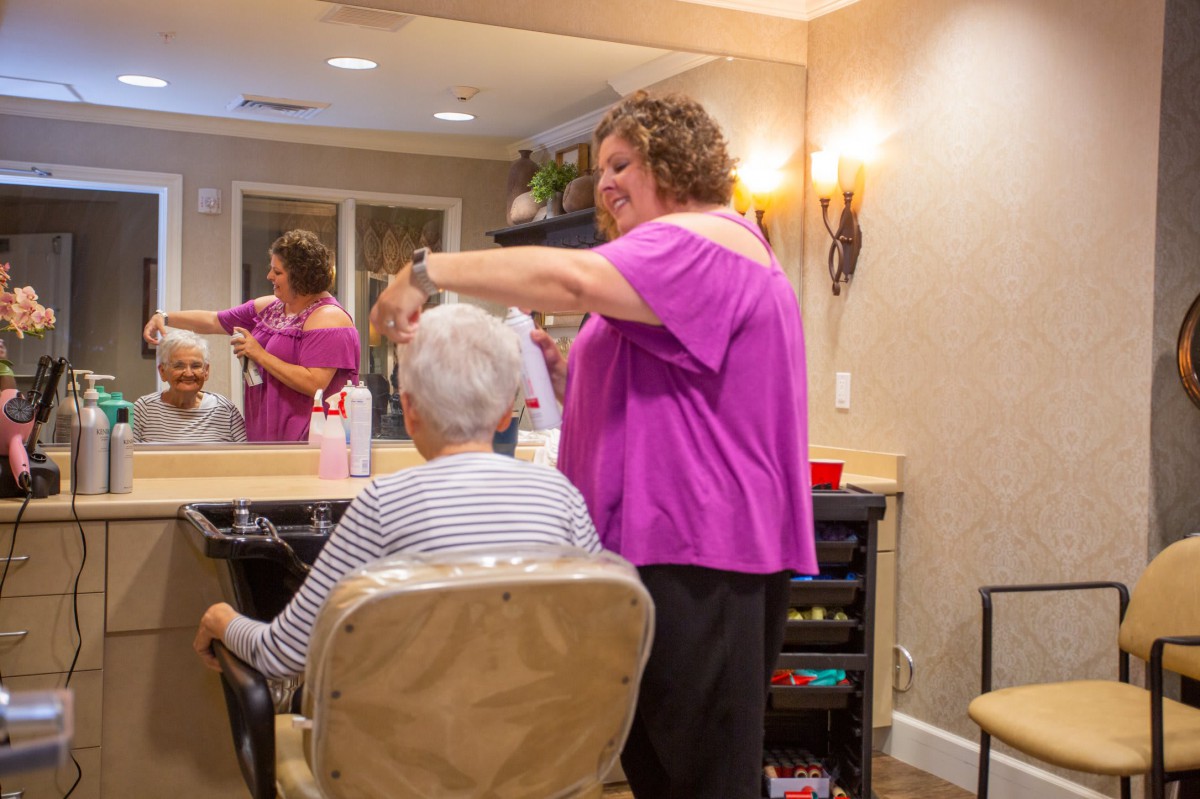
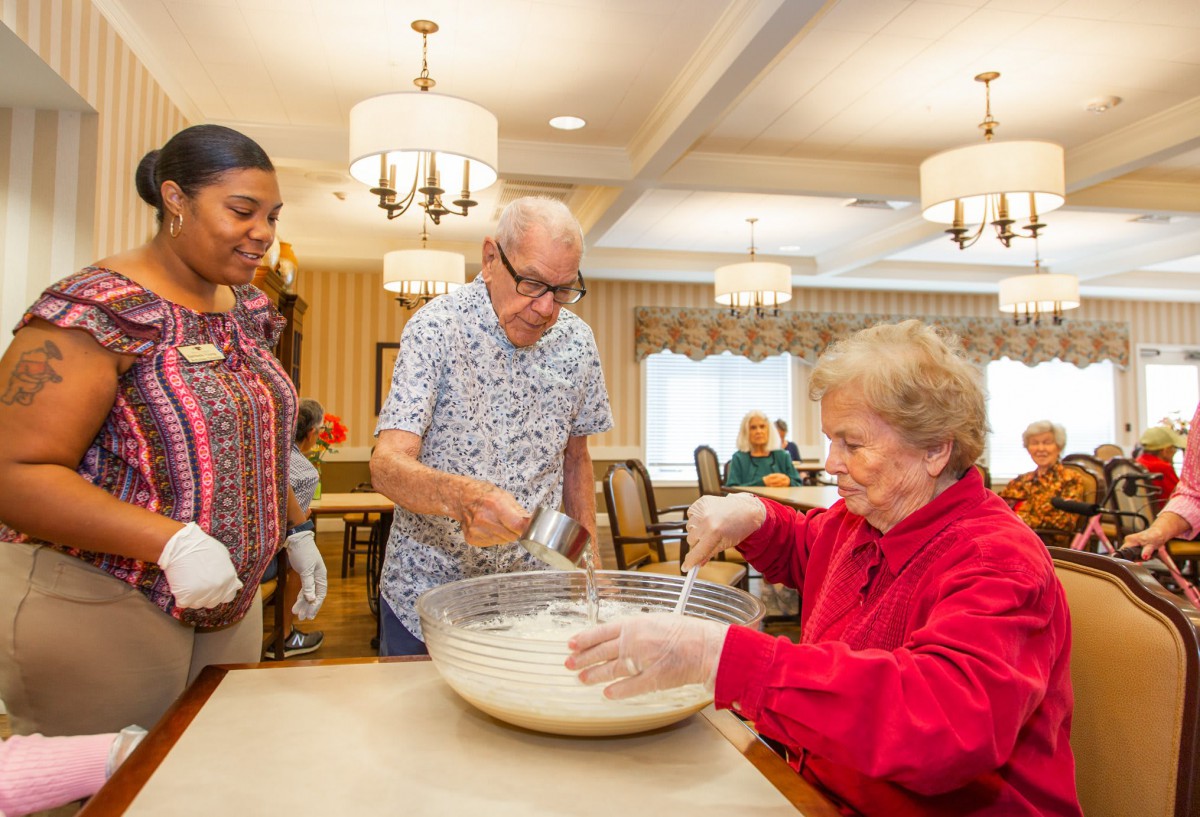
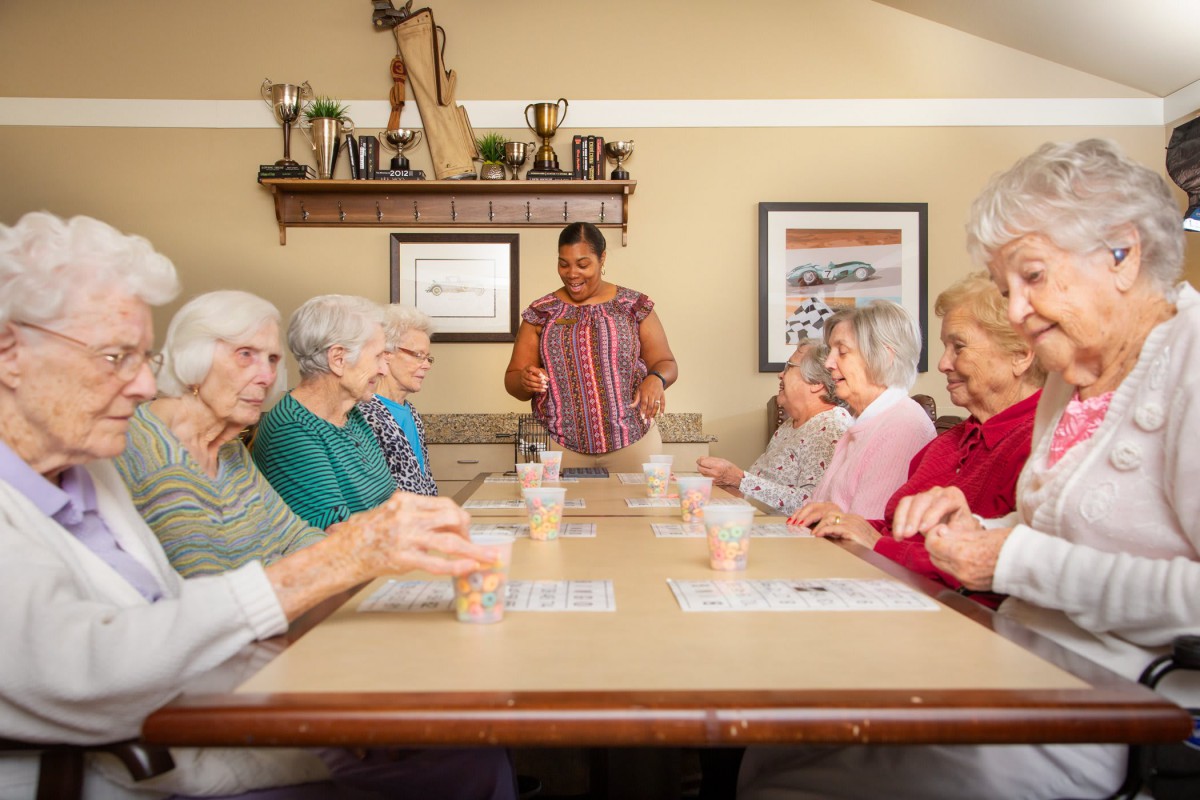
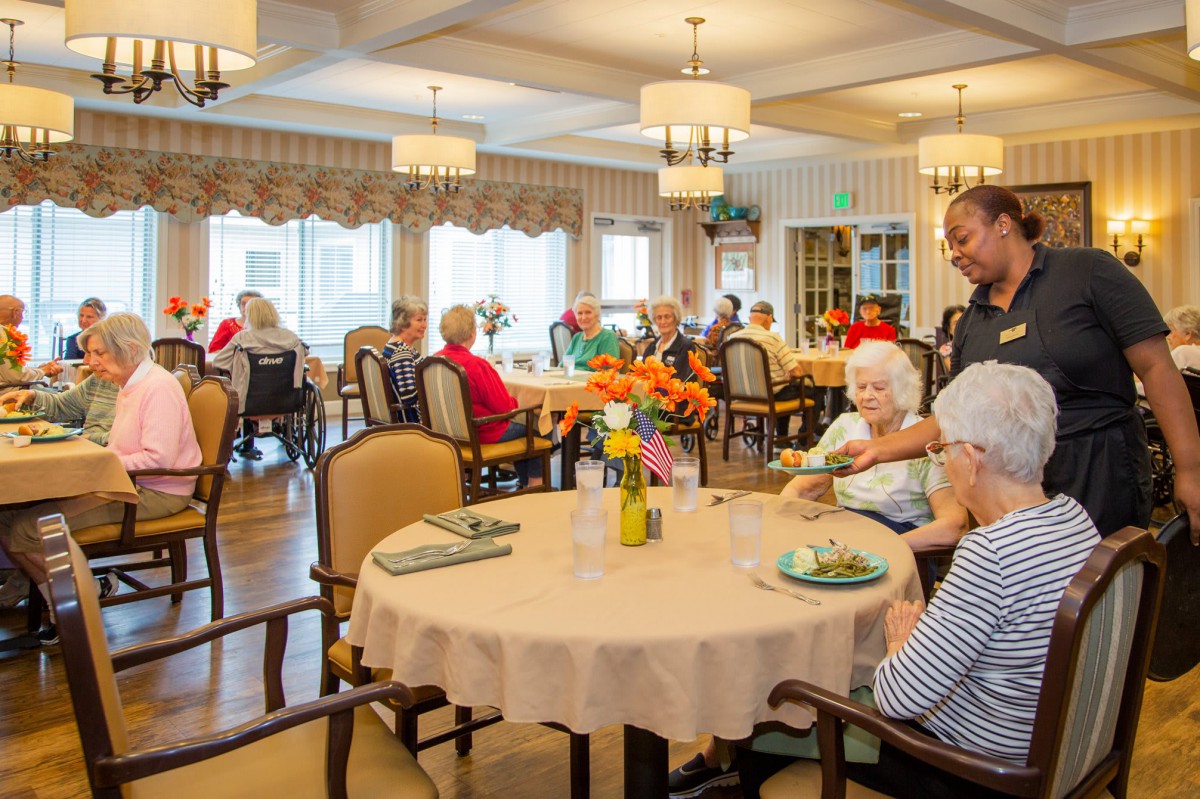
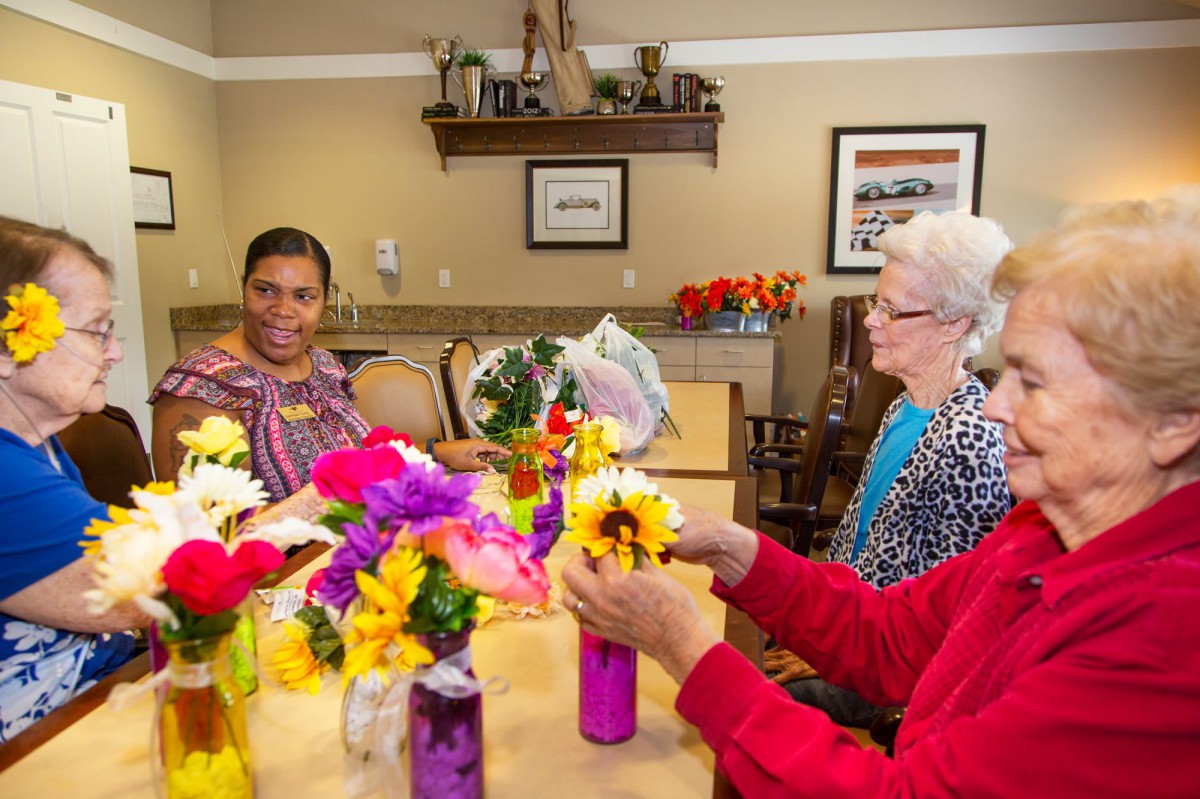
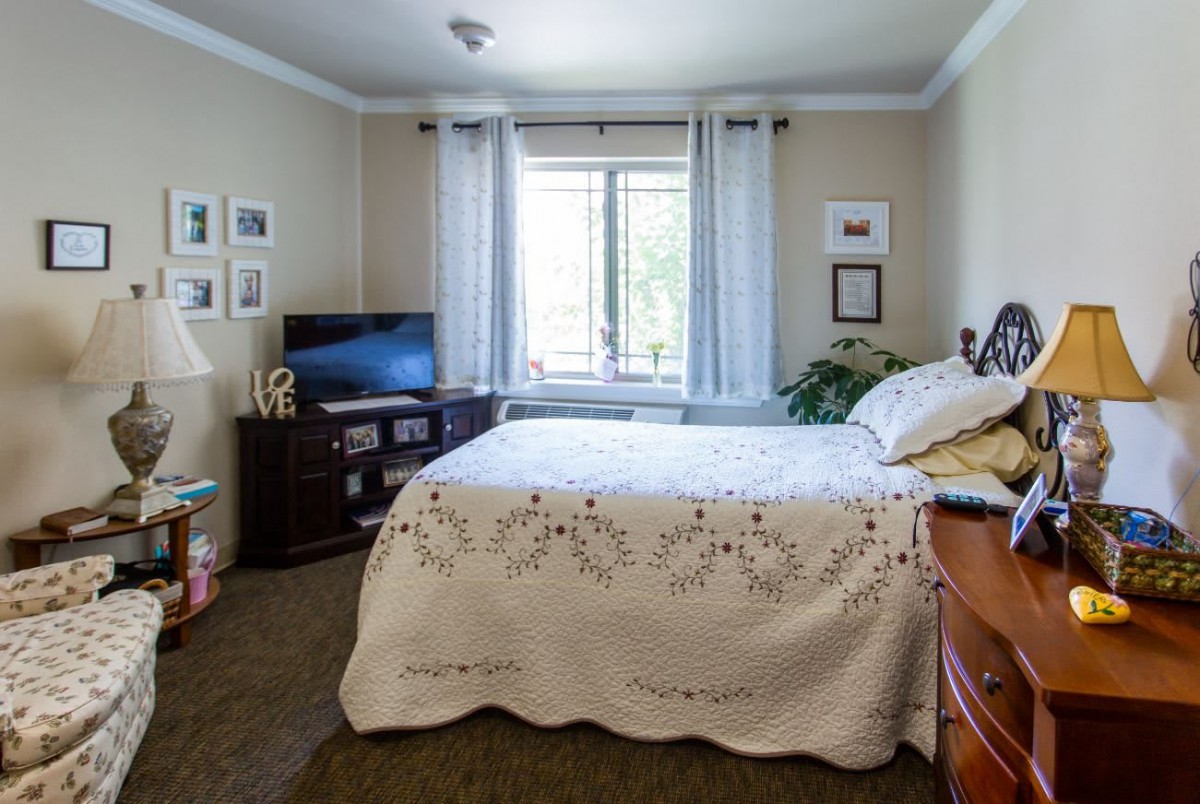
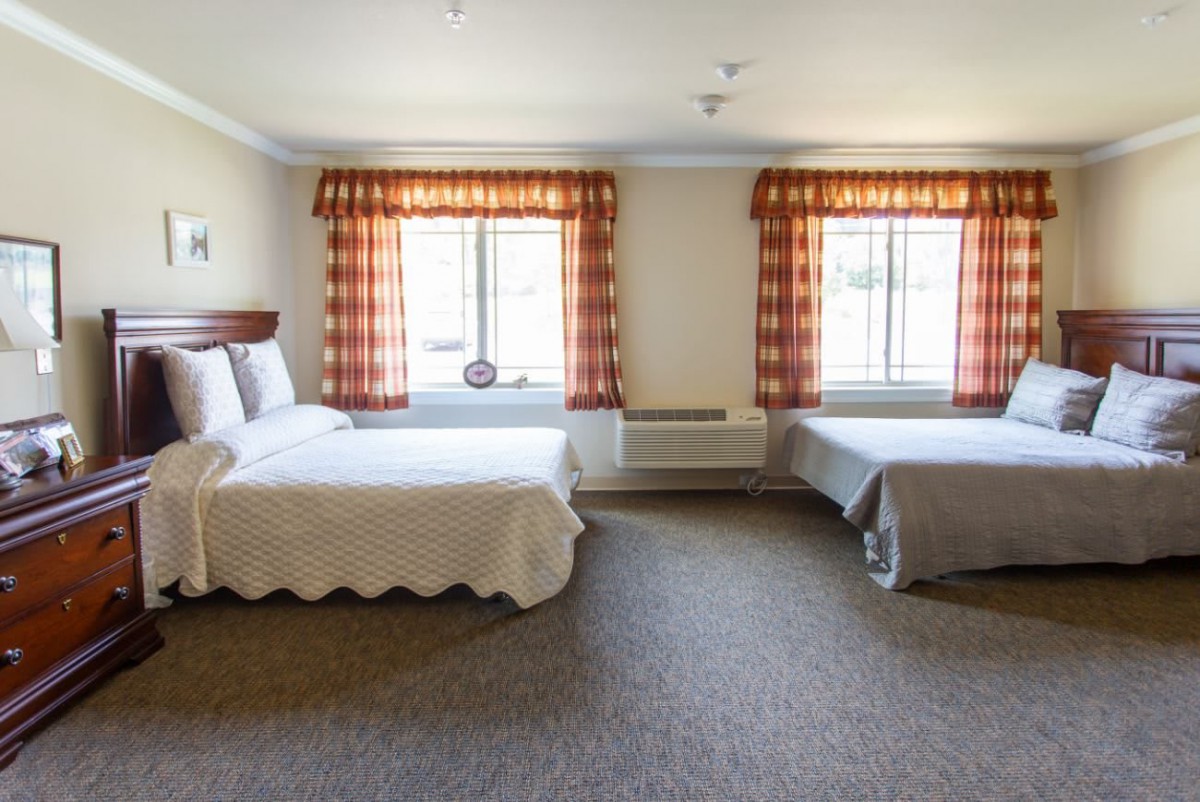
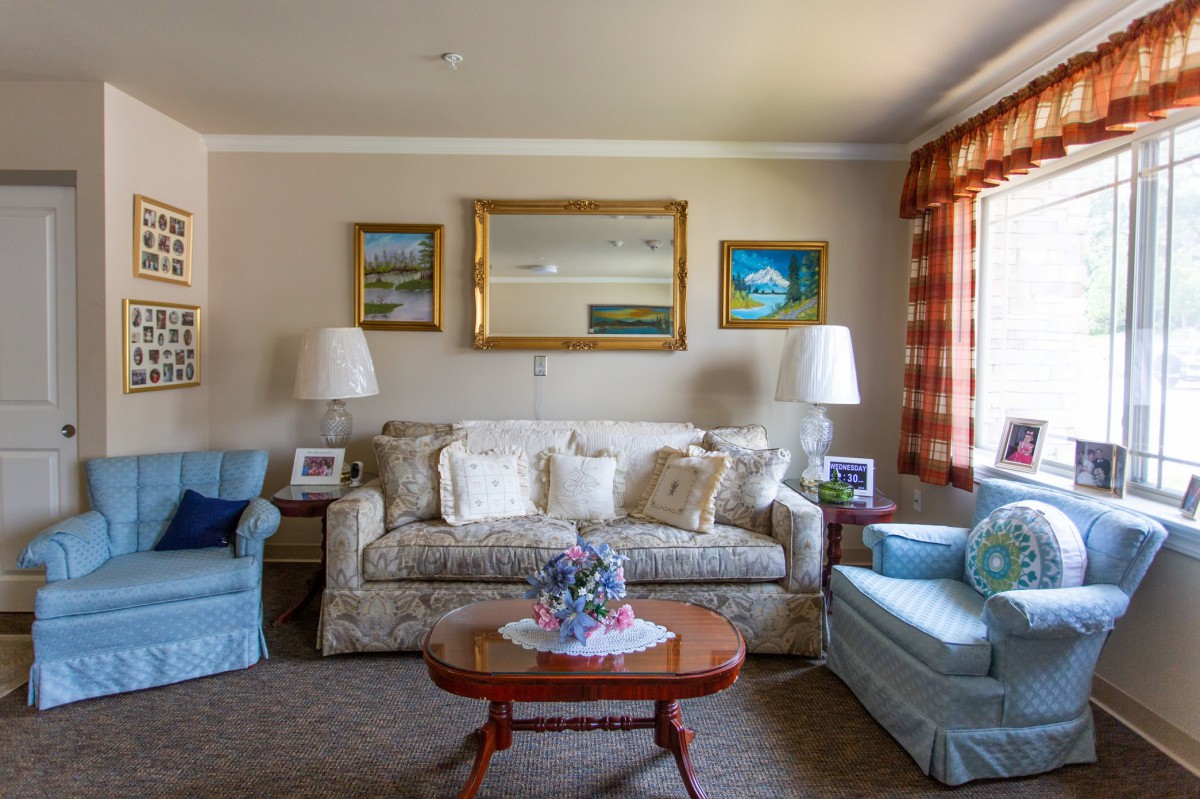
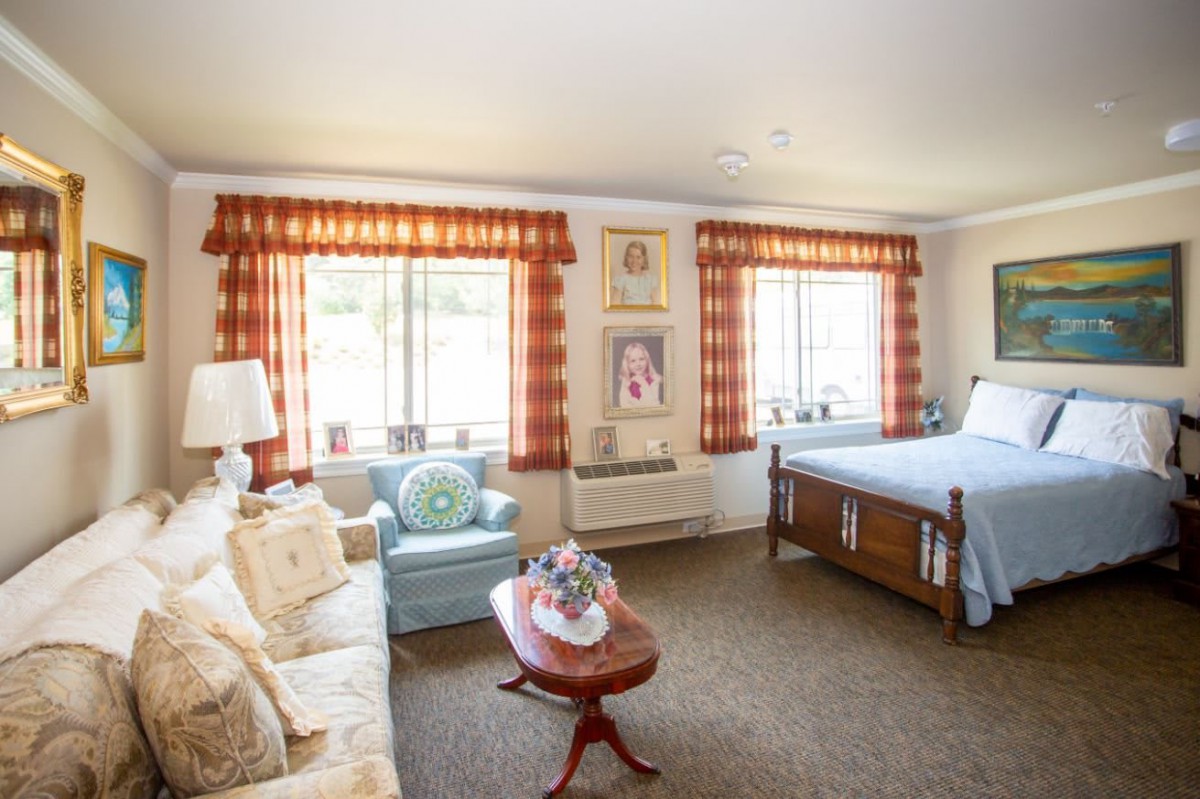
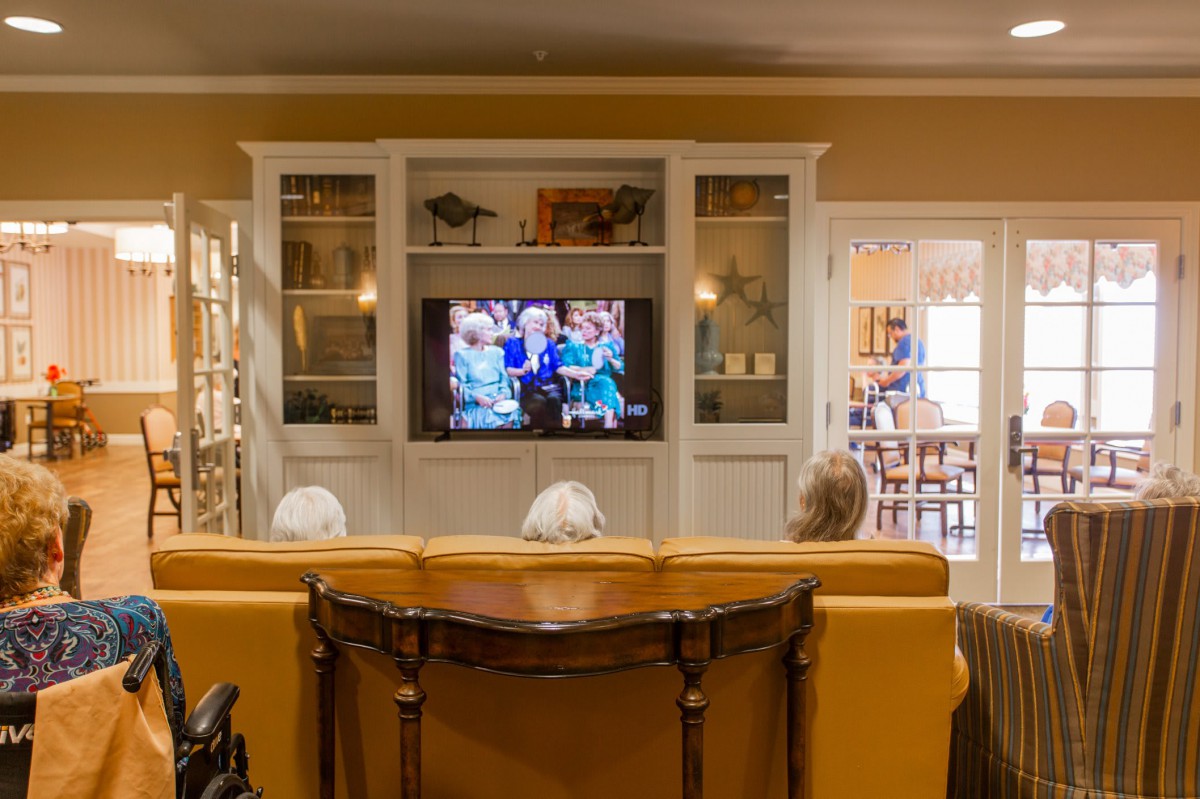
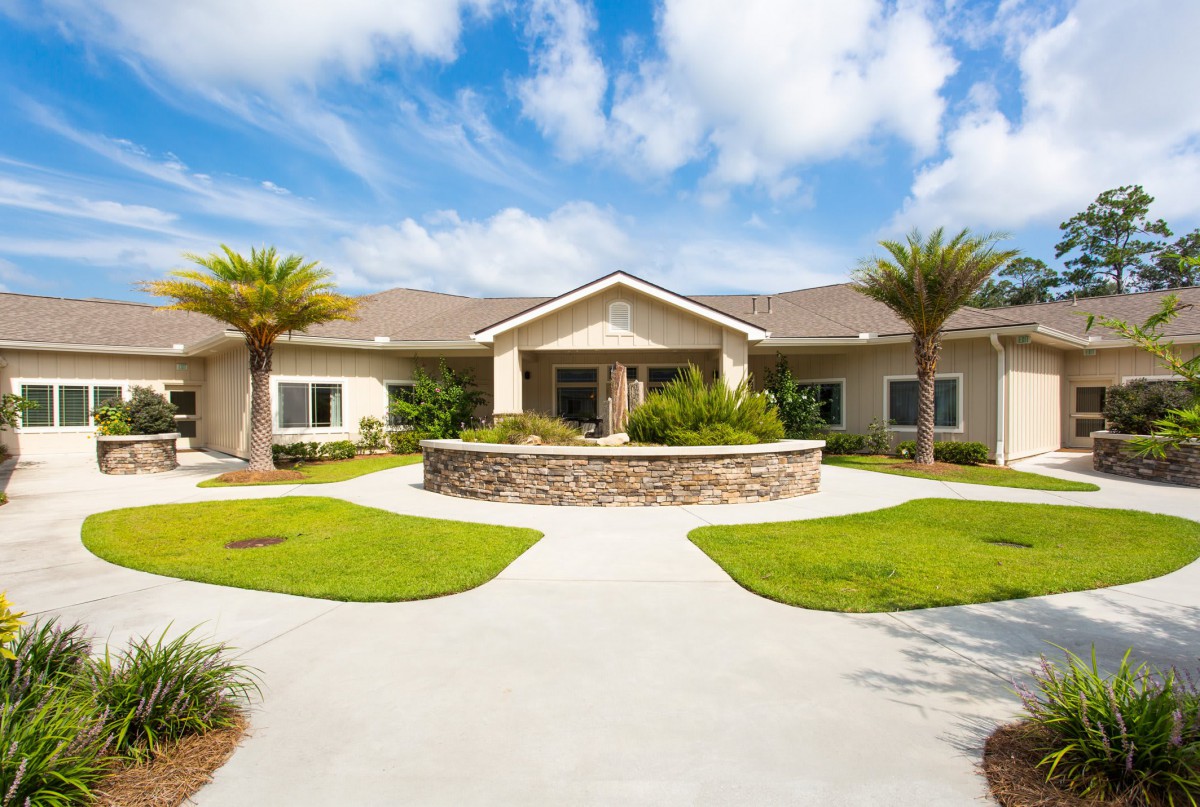
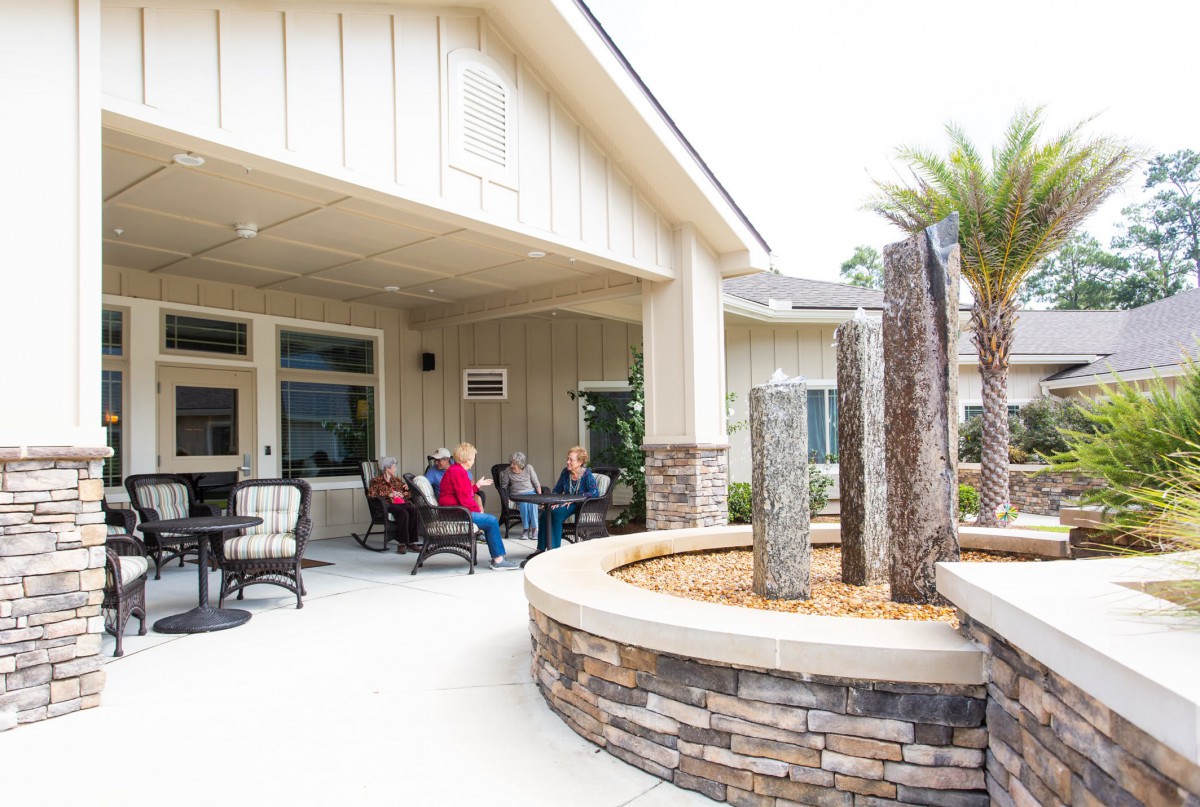
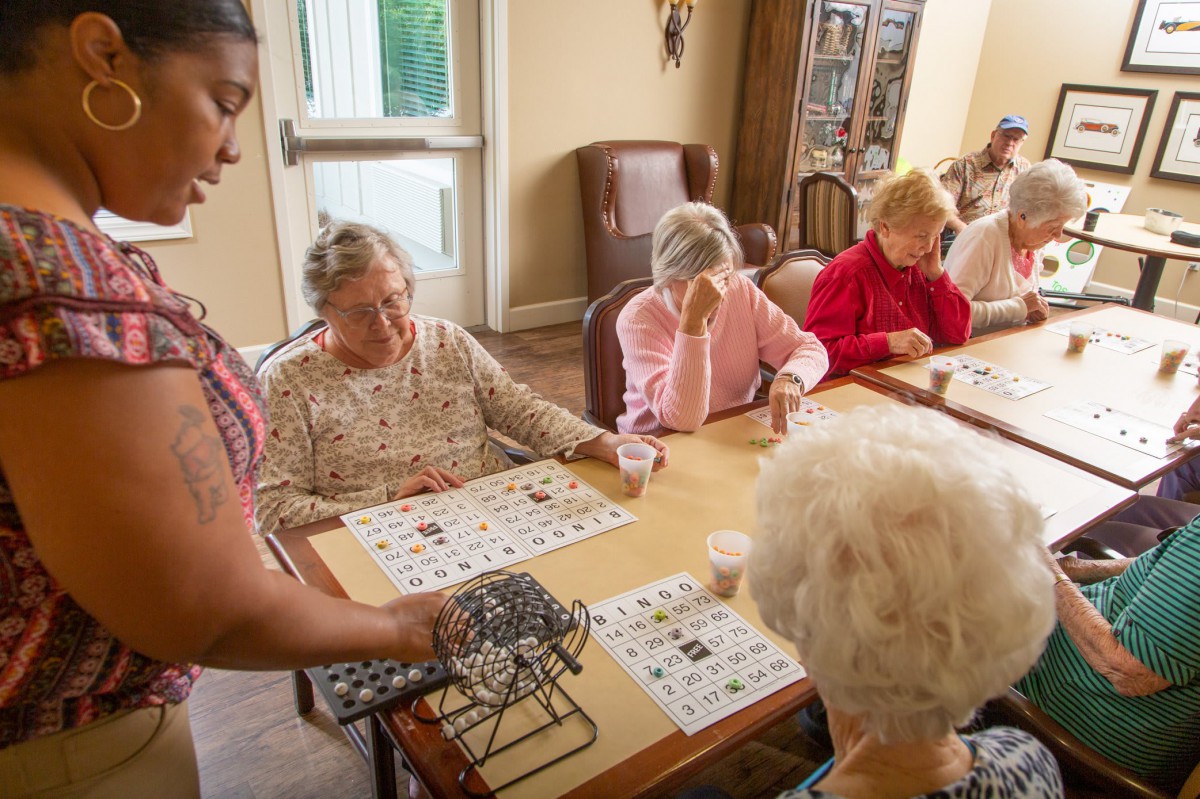
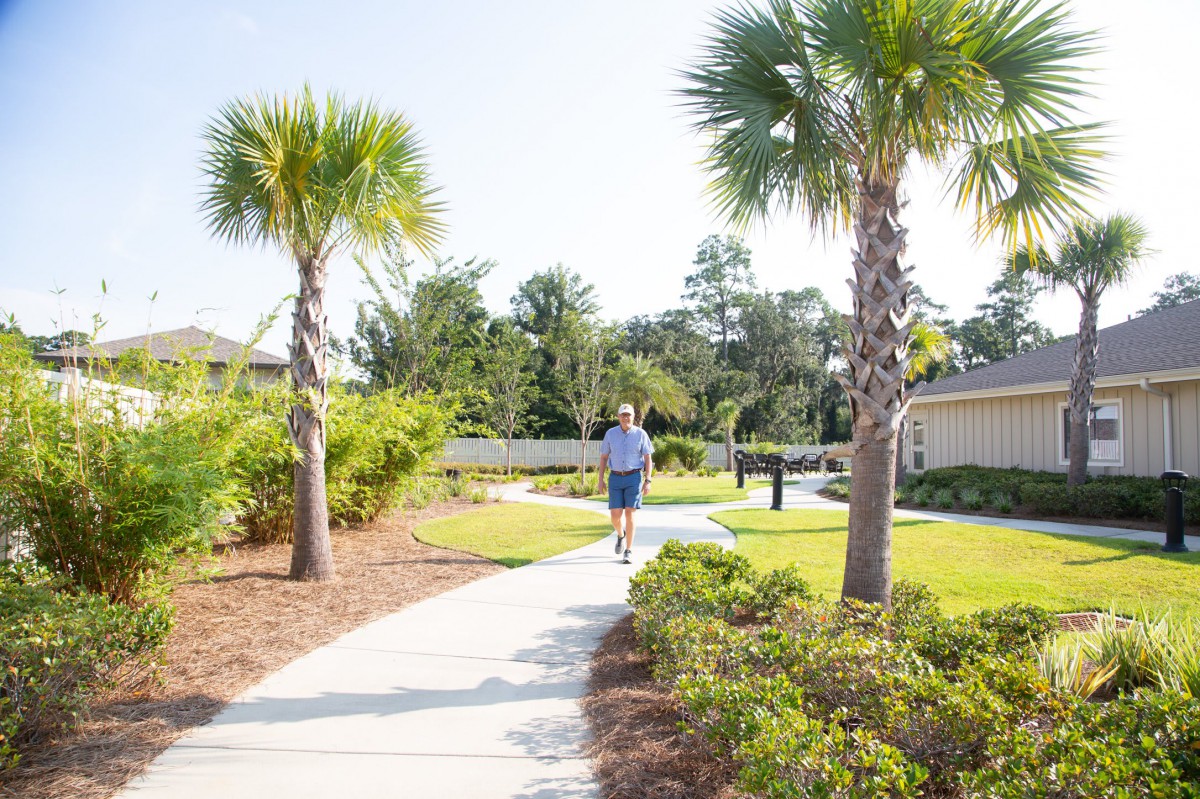
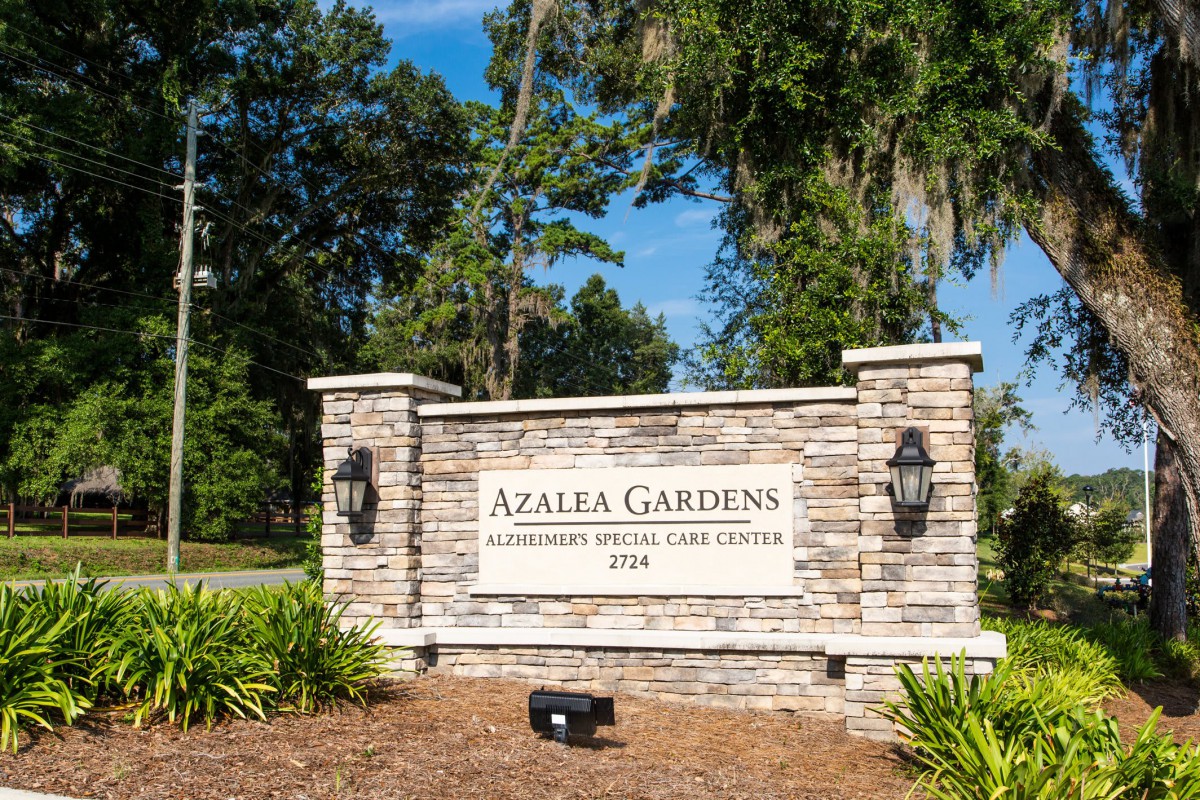
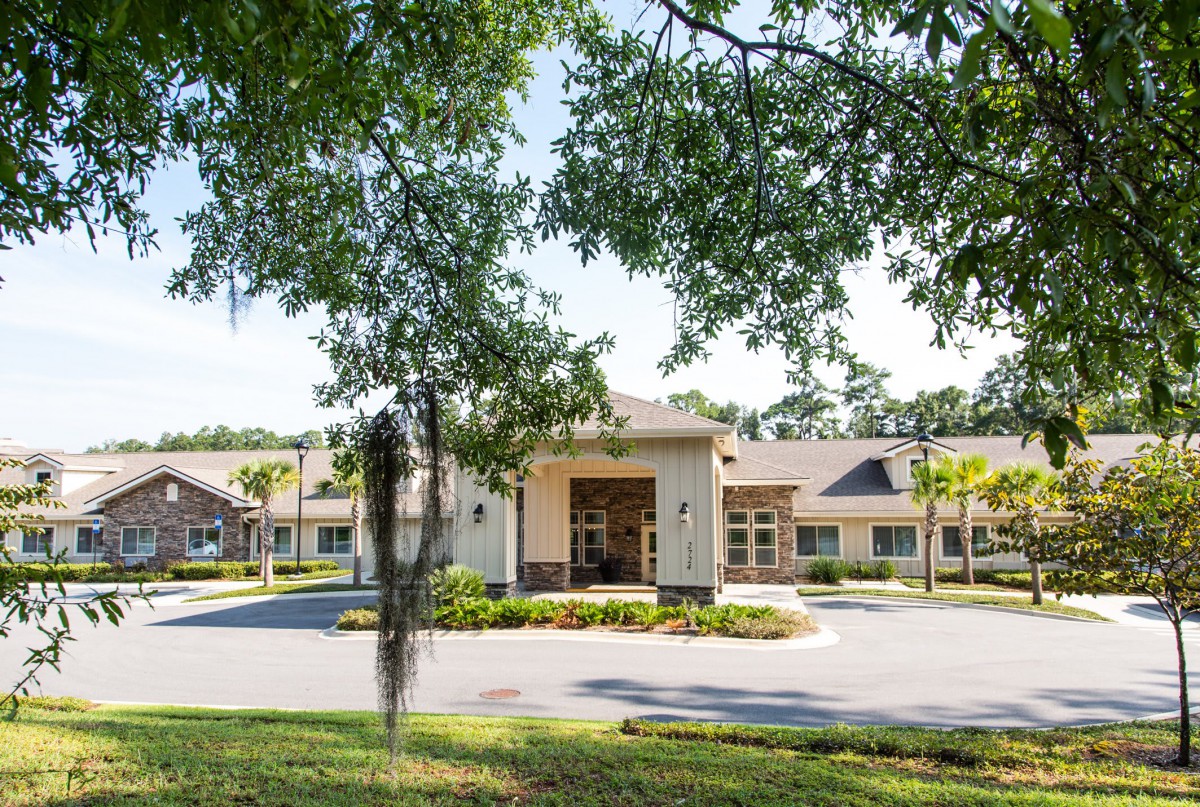
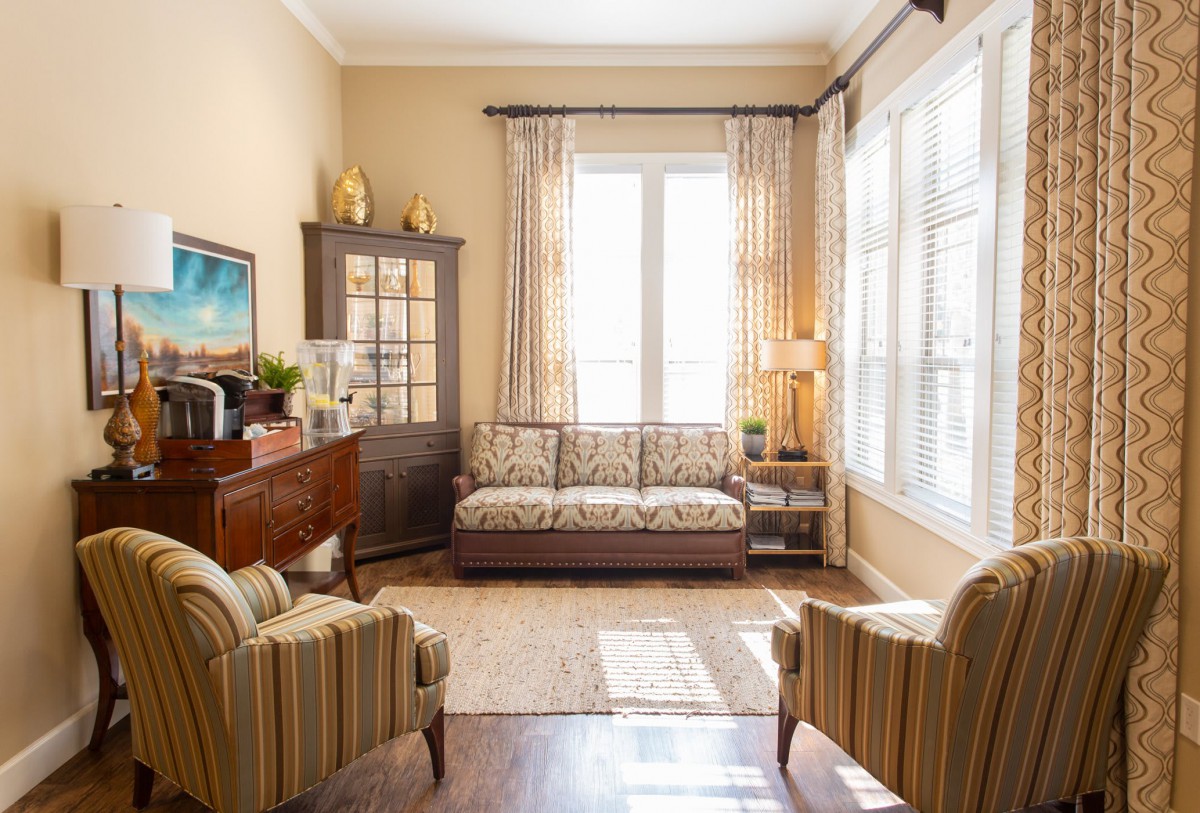
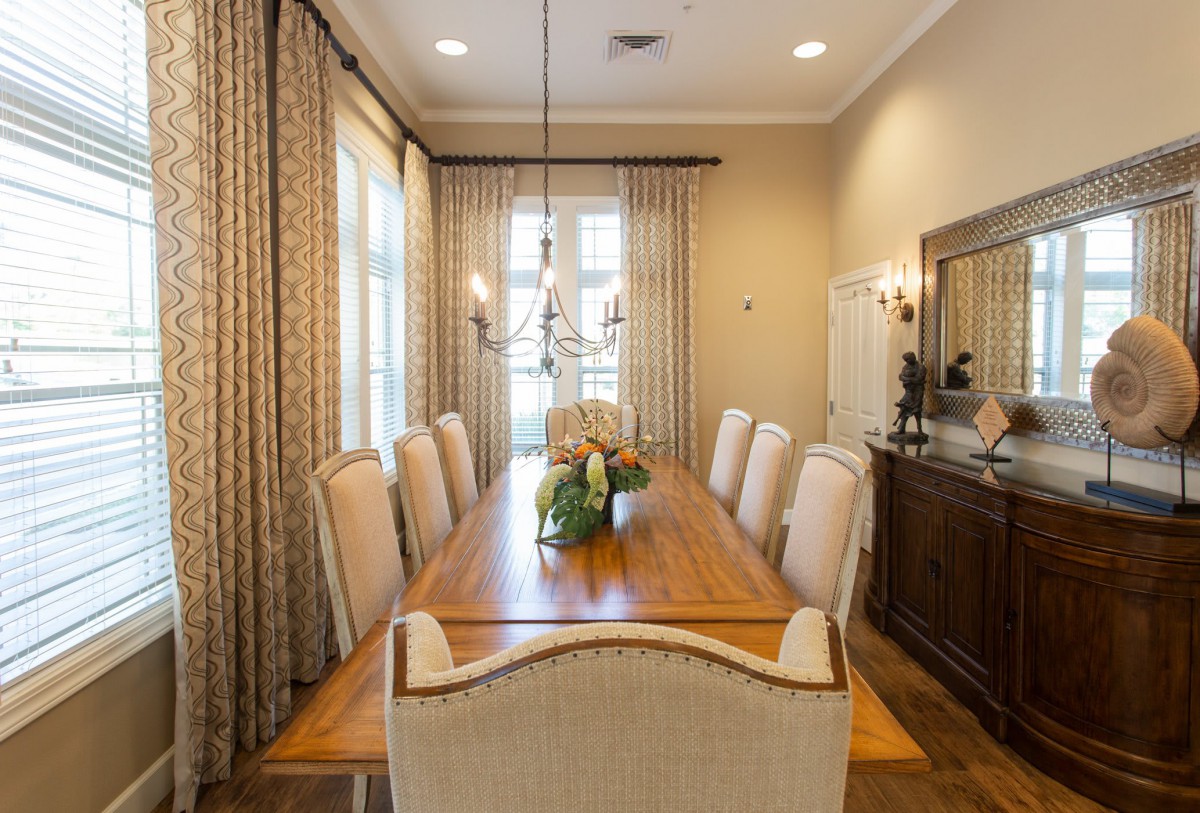
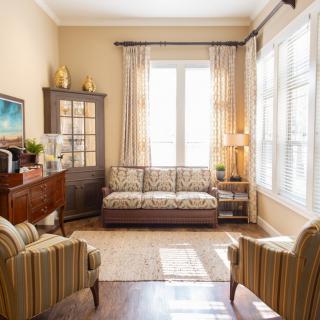
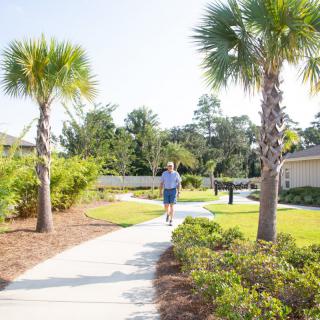
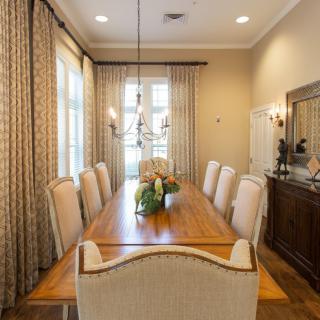
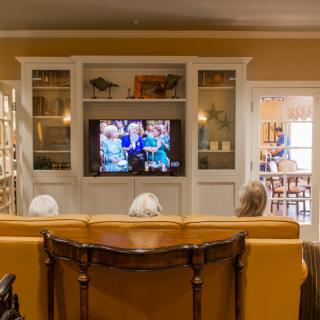
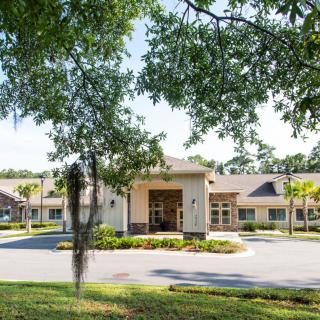
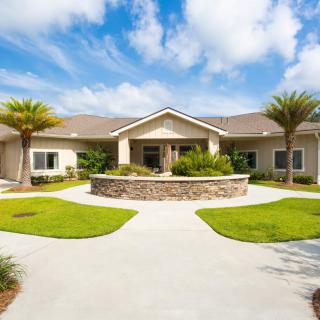
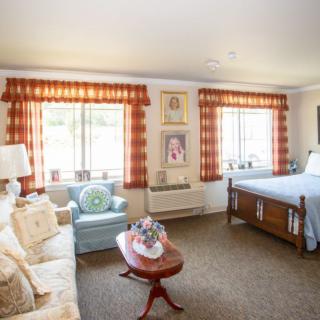
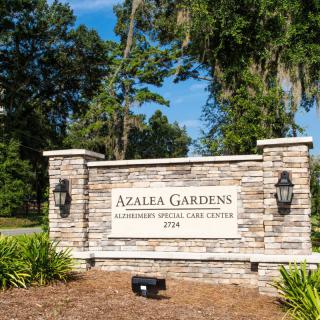
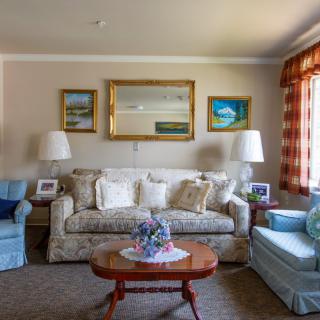
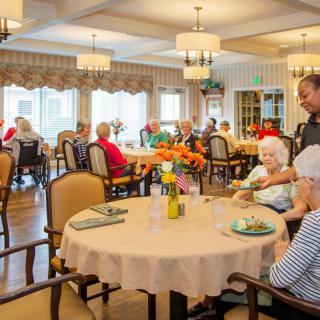
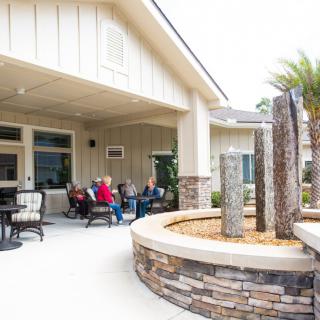
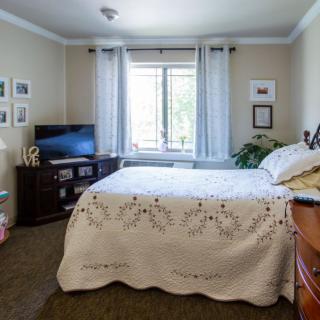
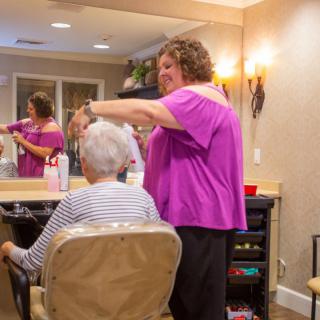
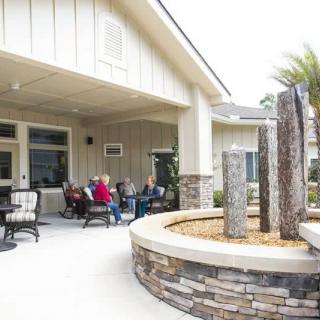
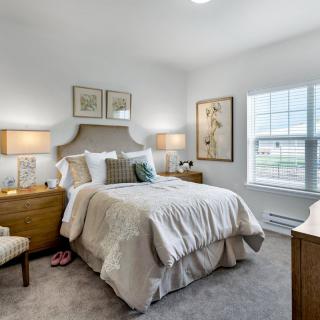
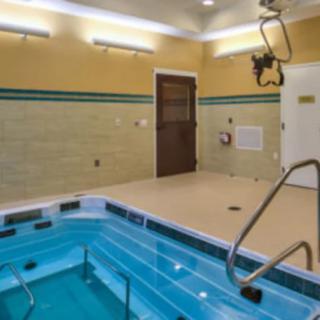
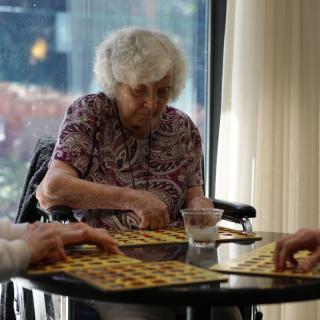
Azalea Gardens Transitional Assisted Living and Memory Care on seniors.fyi includes 21 photos including images showing interior, landscaping, windows, decor, bedroom, architecture, living room, dining, and more.
Nearby Communities
Villas at Killearn Lakes
Tallahassee, FL
4.7 from 78 reviews
$4,195 to $5,495 / month
Warm, caring staff in a home-like, small-villa setting with engaging activities and strong family communication.
Red Hills Village Retirement Resort
Tallahassee, FL
4.2 from 34 reviews
$3,581 to $4,880 / month
Friendly, welcoming staff with strong dining options and abundant on-site activities.
Azalea Gardens Memory Care & Transitional Assisted Living
Tallahassee, FL
4.7 from 19 reviews
Specialized memory care with 24/7 supervision and dementia-focused programming; extensive on-site amenities (salon, fitness, spa, library) and restaurant-style dining; transportation coordination for medical visits.
Maxim Healthcare
Tallahassee, FL
4.7 from 13 reviews
Nearby healthcare, pharmacies, parks, and dining.
Interim Healthcare
Tallahassee, FL
3.9 from 8 reviews
Excellent access to nearby healthcare and amenities.
Sodalis Tallahassee Memory Care
Tallahassee, FL
2.5 from 2 reviews
Calm atmosphere with seemingly caring staff and a convenient location for visitors.
Mulligan Park Gracious Retirement Living
Tallahassee, FL
4.7 from 68 reviews
Beautiful, well-maintained community with spacious apartments and varied activities.
Centre Pointe Health And Rehab Center
Tallahassee, FL
3.3 from 124 reviews
Caring therapists and updated environment with private rooms.
Tapestry Senior Living Lakeshore
Tallahassee, FL
4.5 from 110 reviews
$3,240 to $4,650 / month
Welcoming, active community with engaging staff and on-site amenities.
Vibrant Senior Living emphasizes active senior living communities that promote independence and engagement through diverse amenities and activities, fostering wellness and social interaction among older adults. These communities range from independent to assisted living, with a focus on personal growth, family involvement, financial planning, and leveraging technology to enhance residents' experiences.
Assisted living provides moderate support for seniors seeking independence, while memory care offers specialized support for individuals with dementia or cognitive impairments through structured routines and trained staff. Key differences include care approaches, environment security measures, staff training levels, activity types, and cost considerations.
Choosing between assisted living and nursing homes involves evaluating emotional and financial factors, with assisted living offering independence and support for daily activities at a lower cost, while nursing homes provide intensive medical care for individuals with significant health needs. The decision is influenced by personal preferences, health status, cognitive function, and varying Medicaid coverage across states.
Azalea Gardens Transitional Assisted Living and Memory Care photos
×
Interior
Outdoors
Decor
Living Room
Building
Architecture
Bedroom
Trees
Windows
Dining
Landscaping
Floor Plan
Television
Salon
Interior
Decor
Bedroom
Dining
Living Room
Landscaping
Windows
Floor Plan and Room Design
Building
Architecture
Trees
Lighting
Television
Outdoor, Patio, and Fountain
Entrance
Outdoors
Pathway
Salon
Natural Light
Nature
Palm Trees
Paintings
Home Interior
Caregiver
Assistance and Cooking
Bingo
Get PricingAsk A QuestionSchedule A TourContact Senior Advisor
By clicking submit, you agree to our Partner's Terms of Use. You
also consent to receive calls and texts, which may be autodialed, from our Partner. Your consent is not a condition to
using our Partner's service. Please visit our Partner's Privacy Policy for information about their privacy practices.

 Assisted Living
 Memory Care
 Activities on-site
 Air-conditioning
 Beautician on-site
 Cable or satellite TV
 Devotional services off-site
 Ground floor units
 Indoor common areas
 Outdoor common areas
 Private bathrooms
 Respite or short term stays offered
 Wheelchair accessible showers
 Wi-Fi/high-speed internet available
 Tallahassee Regional (11 miles away)
 Ambulatory care
 Diabetic care
 Incontinence care
 Medication management
 Anytime dining
 Art classes
 Cooking classes
 Day trips and outings
 Gardening club
 Happy hour
 Karaoke
 Live dance or theater performances
 Live musical performances
 Stretching classes
 Trivia games
 Visiting Rabbi
 Visiting chaplain or priest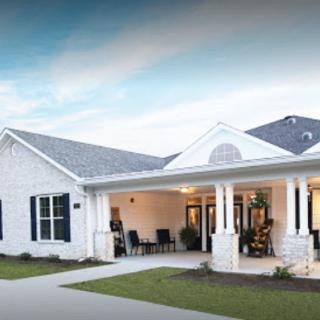
 Warm, caring staff in a home-like, small-villa setting with engaging activities and strong family communication.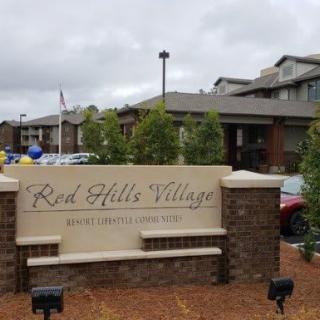


 Vibrant Senior Living: A Comprehensive Guide for Active Older Adults
 Assisted Living and Memory Care: Understanding Their Core Differences
 Choosing the Right Senior Care: A Detailed Exploration of Assisted Living and Nursing Homes