
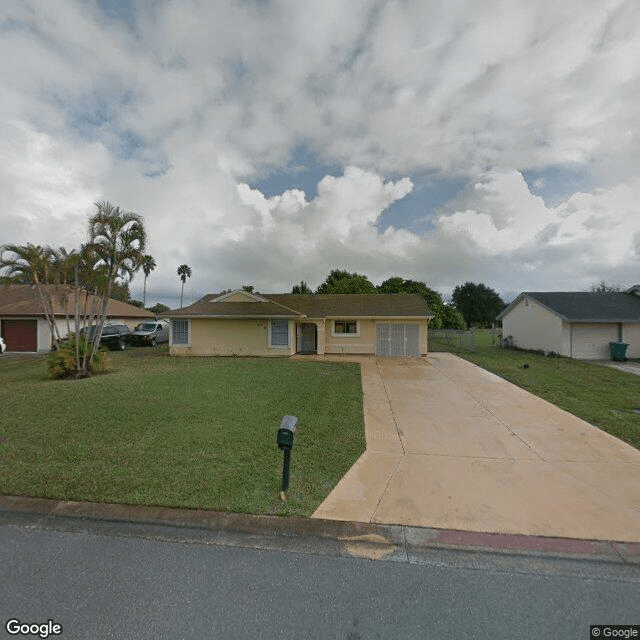
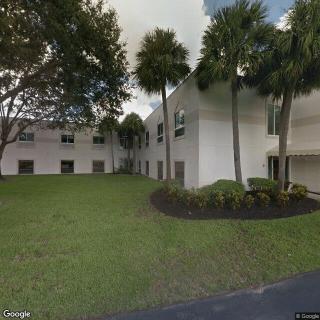
2073 SE Rainier Rd, Port St. Lucie, FL 34952
To contact a resident: (561) 398-9132
For more information about senior living options: (866) 208-4318
Overall Review of Cornerstone ACLF
Pros
 The church is small but powerful with God's word.
- The ladies are a tight-knit group and extremely welcoming.
- Pastor Rick is knowledgeable, discerning, caring, and approachable.
- Pastor Rick makes time after services to acknowledge people and answer questions.
- His sermons reflect a deep knowledge of the Word of God.
- The congregation feels like family and radiates the love of Jesus Christ.
Cons
 The reviewer felt the pastor focused on their son and suggested they sit at the back, making them feel like a misfit.
- The reviewer was utterly disgusted by the pastor's behavior toward a child in the congregation.
- The reviewer believed the pastor could not speak to them directly and had a family member relay the concern.
- The reviewer concluded the pastor's conduct did not reflect Christian-like behavior and reflected poorly on the church.
- The reviewer was appalled by the pastor's actions and warned others to think twice before following such behavior from a pastor.
- The reviewer attributed the church's small size to this behavior and felt that church leaders have forgotten the true meaning and purpose of church.
Review
Cornerstone ACLF in Port St. Lucie, Florida is best suited for seniors who want a small, faith-centered living environment with direct access to pastoral leadership and a family-like social network. The community shines when residents seek steady spiritual engagement, regular Bible teaching, and uncomplicated social connections in a setting that feels intimate rather than institutional. Reviews consistently highlight a pastor who is knowledgeable, approachable, and deeply invested in the congregation’s welfare, along with a welcoming, non-judgmental atmosphere. The combination of a tight-knit group, friendly newcomers, and a praise-oriented worship experience makes this ACLF feel less like a facility and more like a home where faith is a daily anchor rather than an afterthought.
Those considering alternatives should weigh the needs for medical oversight, programmed activities, and non-religious surroundings. For seniors who require robust clinical support or highly structured care plans, Cornerstone may not provide the breadth of services found in larger, clinically oriented communities. The same is true for families seeking a more secular environment or a setting with a broader array of amenities and activities beyond worship and Bible study. A cautionary note arises from one strongly worded review describing discomfort with how a pastor engaged with a family that has a child with special needs; this signals that alignment on inclusivity and sensitivity to diverse family circumstances should be clarified before moving in or committing long-term.
On the upside, the strongest pros are the immediacy of connection and the sense that residents are known by name. The small congregation fosters friendships quickly, with praise music and sermons described as Bible-based and thoughtfully delivered. Newcomers report warmth, open arms, and genuine care from leadership and fellow members, which can translate into meaningful social supports for seniors who risk isolation. Pastoral accessibility is a standout: leaders are willing to talk after services, address questions, and be present in daily life. That approach can offset the lack of big-ticket programming, because residents gain access to a trusted advisor and a ready-made support network that can ease concerns about aging, loneliness, and purpose.
Another tangible benefit is family friendliness and intergenerational engagement. The church notes children’s programs, with anecdotes about well-behaved youngsters and welcoming families, suggesting a living environment that feels inclusive to extended family visits. For seniors whose loved ones wish to participate, the ability to attend services, attend Sunday school or family-oriented gatherings without feeling segregated can be a powerful quality-of-life factor. The presence of a capable worship team, steady sermons, and a friendly, forgiving vibe helps cultivate a sense of belonging that often declines in larger, more impersonal settings. Yet the very intimacy that makes belonging possible can also mean less privacy and fewer specialized supports unless clearly arranged with leadership.
To evaluate suitability, hold a focused visit and conversations. Observe how guests are treated, how questions are answered, and whether staff or volunteers recognize residents by name. Ask explicitly about accommodations for memory care, mobility, and those with special needs, and whether the community can coordinate with external care partners. Inquire about the balance between spiritual programming and practical daily living supports, and whether the environment remains accepting of diverse beliefs within the faith tradition. Decide whether the resident’s independence will be supported or constrained by the small-scale setting. If medical or cognitive care needs are a priority, prepare a plan for supplementary services or consider a larger facility with a broader care continuum.
Overall, Cornerstone ACLF delivers a warm, faith-forward living option that emphasizes close relationships, spiritual nourishment, and a sense of belonging. It is especially well-suited for seniors who prioritize a tight-knit community, accessible pastoral care, and ongoing religious life as a central feature of daily living. Those seeking a highly medicalized environment, secular programming, or more expansive amenities should weigh alternatives carefully. With a candid assessment of needs, a visit will reveal whether this small, devout congregation can be a secure, comforting home where faith, friendship, and daily purpose sustain aging well.
 Independent Living
 Home Health Care Demystified: A Comprehensive Guide for Families and Caregivers
 Seniors and Modern Transportation: Exploring Uber, Lyft, and Other Ride-Hailing Options
 Comprehensive Guide to Qualifying for Home Health Care Services