
73 Oenoke Ridge, New Canaan, CT 06840
To contact a resident: (203) 594-5450
For more information about senior living options: (866) 208-4318
New Canaan Inn Costs & Pricing
New Canaan Inn offers competitive pricing for its accommodations, particularly when compared to the broader market in Fairfield County and the state of Connecticut. For a studio room, guests can expect to pay $4,650 per month, which is significantly lower than the county average of $6,159 and the state average of $5,919. Similarly, the one-bedroom option at New Canaan Inn is priced at $6,100, closely aligning with Fairfield County's average of $6,418 and slightly exceeding Connecticut's overall average of $6,383. These figures suggest that New Canaan Inn provides appealing options for residents and short-term visitors looking for quality lodging without straining their budgets excessively in comparison to surrounding areas.
| Floor plans | New Canaan Inn | Fairfield County | Connecticut |
|---|---|---|---|
| Studio | $4,650 | $6,159 | $5,919 |
| 1 Bedroom | $6,100 | $6,418 | $6,383 |
Independent Living communities with a similar price nearby
-
from +$550 / mo

Crosby Commons
$5,200 to $5,880 / month22.6 miles away -
from +$245 / mo

Atria Stamford
$4,895 to $10,095 / month6.4 miles away -
from -$150 / mo
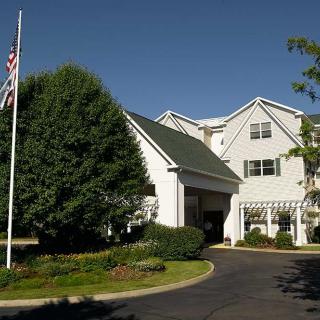
Spring Village Stratford
$4,500 to $8,000 / month21.5 miles away -
About the same
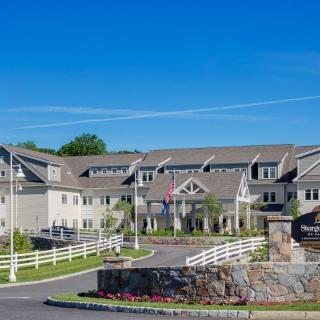
Sturges Ridge of Fairfield
$4,575 to $10,100 / month12.0 miles away -
from +$750 / mo

Edgehill Senior Living Community Stamford
$5,400 to $11,000 / month7.4 miles away
Overall Review of New Canaan Inn
Pros
 The staff’s care and attention create a home-like environment at The Inn.
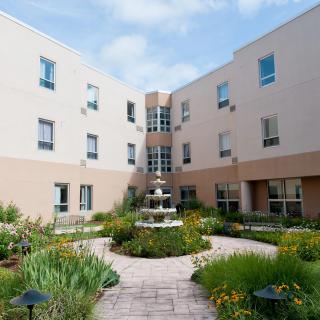
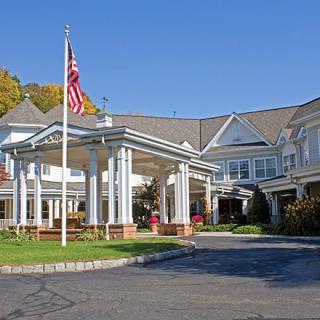
- The Inn features a beautiful facility and a very welcoming atmosphere.
- Trecia is awesome and makes residents feel welcome.
- The Inn is a great place to ensure the well-being of loved ones.
- The Inn is a small independent care facility with a pleasant location and good organization.
Review
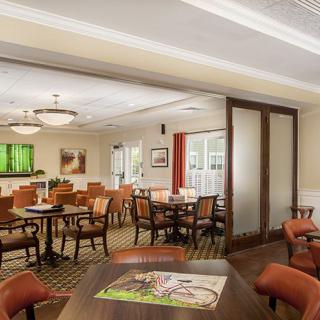
New Canaan Inn in New Canaan, Connecticut, is best suited for families seeking a small, home-like assisted living experience where daily life centers on attentive caregiving and meaningful relationships. The setting appeals to residents who value a warm, neighborly atmosphere and predictable routines over the institutional feel of larger campuses. It serves those who want consistent, hands-on staff engagement and a facility that emphasizes comfort and everyday well-being rather than flashy amenities. Reviews consistently describe a human-scale operation, where caregivers know residents by name, respond quickly to requests, and cultivate a sense of belonging in a pleasant, quiet neighborhood. This combination creates a compelling match for seniors who prize security, dignity, and personal connection.
Alternatives may be preferable for residents needing more intensive medical oversight, specialized therapies, or a broader activity calendar. For families evaluating memory care, complex nursing needs, or programs designed around a larger resident population, a larger community with on-site nursing around the clock and dedicated programs could be a better fit. In short, the Inn excels at warmth and consistent care, but its small, independent model naturally faces limits that matter to those with higher acuity or a demand for expansive amenities.
Key strengths lie in the staff and the home-like environment. Caregivers’ attentiveness translates into emotional security and practical safety, while the welcoming culture helps residents adjust quickly and settle into routines. The intimate setting supports clear communication between families and caregivers and often yields a level of personalized attention that is hard to match in bigger facilities. The small size also means less bureaucratic friction, smoother scheduling, and a more predictable day-to-day experience. Those advantages offset the natural trade-off of not having the breadth of resources a larger campus can offer, delivering substantial value for residents who prioritize steady, person-centered care.
Third-party praise highlights specific staff excellence, illustrating a broader pattern of high-quality interactions that come to define daily life here. Organization and resident-focused routines appear to underpin reliable meal service, activity planning, and daily care, contributing to consistent quality and peace of mind for families. The location adds a practical benefit: a pleasant, accessible neighborhood with convenient family visits and a reassuring sense of proximity to familiar surroundings. Taken together, these factors create a trustworthy home environment where well-being is the central mission and daily life feels orderly, respectful, and comforting.
Practically, decision-makers should visit at different times to observe how staff engage with residents, review care plans, and verify staffing levels during peak hours. Clarify what services are included in the base rate and what costs might apply for additional assistance, transportation, or activities. Inquire about respite care options, transition support, and the level of family involvement in care planning. If social engagement, out-of-room activities, and resident-led programs matter, request an up-to-date activity calendar and ask how programming adapts to individual preferences and abilities. These steps reveal how the Inn translates its strengths into a sustainable daily routine.
For families balancing safety, warmth, and predictable daily life, New Canaan Inn stands out as a practical, trustworthy choice. Its proven strengths, attentive staff, a home-like vibe, and solid organization, align with goals of dignified aging in place and steady well-being. The primary caveat is suitability for higher-acuity needs or expansive programming; in such cases, exploring alternatives with broader medical resources and memory-care capabilities is prudent. When the priority is intimate, person-centered care delivered with genuine caring, this community delivers with conviction.
 Independent Living
 Respite or short term stays offered
 Westchester Cty (12 miles away)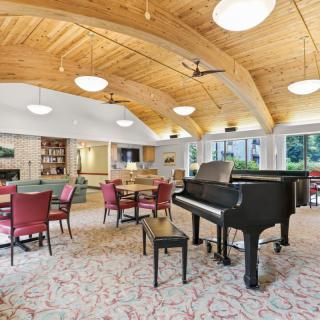



 Supportive Employee Benefits That Help Caregivers Attain Better Work-Life Harmony
 Top Cars for Senior Drivers and Essential Safety Innovations
 A Closer Look at Private Pay Home Care