
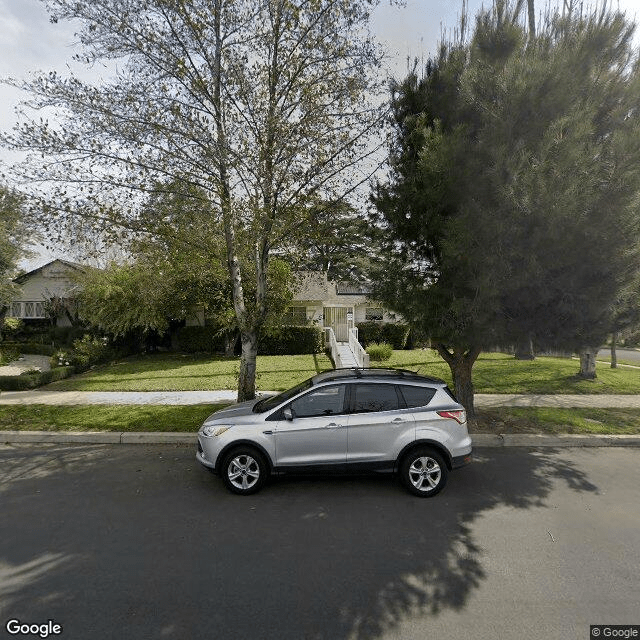
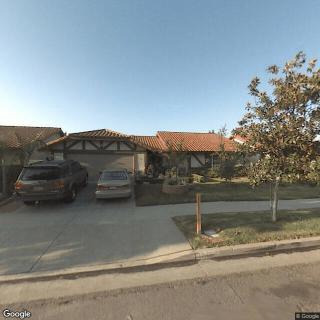
8736 Delco Ave., Winnetka, CA 91306
To contact a resident: (818) 585-7956
For more information about senior living options: (866) 208-4318
Aundrey's Independent Living III Costs & Pricing
Aundrey's Independent Living III offers an attractive option for those seeking a studio living arrangement, with a monthly cost of just $950. This is significantly lower than the average costs in Los Angeles County, where similar accommodations can run upward of $4,172, and even above the state average of $4,145. The affordability of Aundrey's facility not only positions it as an economical choice but also enhances its appeal to individuals looking for independent living solutions without compromising on quality or comfort.
| Floor plans | Aundrey's Independent Living III | Los Angeles County | California |
|---|---|---|---|
| Studio | $950 | $4,172 | $4,145 |
Independent Living communities with a similar price nearby
-
from +$43 / mo

Centinela Assisted Living Centre
$993 to $1,261 / month23.4 miles away -
from +$50 / mo

Valley View Retirement Center
$1,000 to $1,500 / month8.6 miles away -
from +$150 / mo

Brentwood Manor
$1,100 to $3,000 / month14.6 miles away -
About the same

Beverly Hills Terrace
$950 to $2,000 / month16.5 miles away
Overall Review of Aundrey's Independent Living III
Pros
 They found the house amazing and the staff were kind and respectful.
- The service is very good.
- They would recommend this place to anyone seeking a comfortable place to call home.
- They received excellent care for their mother; she was always smiling and happy to be there.
- The service is great, and the staff are friendly.
Review
Aundrey's Independent Living III in Winnetka, CA is best suited for families seeking a warm, home-like setting where an aging relative can receive consistent, respectful care. The community gets ears from those touring and living there for offering an environment that feels amazing in its simplicity: kind, attentive staff, and a daily rhythm that reads as comfortable rather than clinical. For seniors who prize personal connection, predictable routines, and a space that functions more like a welcoming home than a sterile facility, this is a place that tends to deliver with steady reliability. The emotional tone in reflectors’ descriptions points to a resident experience centered on dignity, smiles, and the reassurance of being well cared for.
Explicitly, those with more intensive medical needs should consider alternatives. The reviews speak to an appealing, people-centered atmosphere, but they do not demonstrate high levels of medical oversight or specialized care wings. Prospective families should verify exactly what level of care is offered on-site, whether 24-hour oversight, medication management, or rapid access to higher levels of care, and whether the setting easily accommodates transitions if care needs rise. For families weighing memory care, skilled nursing, or larger campuses with explicit dementia programs, other options may be more suitable. In short, alignment hinges on current and anticipated care requirements rather than solely on warmth and service.
The strongest pros lie in the day-to-day experience created by staff and the environment. Descriptions consistently highlight staff kindness and respect, paired with very good service across tasks and routines. The atmosphere comes across as comfortable and home-centered, where residents appear content and engaged, with caregivers who foster a sense of belonging rather than detachment. When care feels like a natural extension of daily life, where assistance meets the moment and residents aren’t made to feel like a task, the overall quality of life improves. For families, this translates into less worry about daily interactions and more confidence in the emotional wellbeing of a loved one.
Those advantages offset potential drawbacks by addressing the most common stressors families observe: loneliness, mood fluctuations, and routine disruption. The absence of negative feedback in these reviews suggests that the core strengths, kind staff, respectful treatment, and a homey setting, are sufficiently robust to counterbalance the absence of clearly stated cons. Still, the prudent buyer should approach with a questions-first mindset: confirm the care scope, daily schedules, and what happens if medical needs evolve. Without documented limitations, the burden shifts to proactive due diligence to ensure the fit remains sound as circumstances change.
Practical next steps for families are straightforward. Schedule a second visit that centers on direct interaction with current residents and the care team, and request a written breakdown of daily routines, meals, activities, and any potential variability in service levels. Ask for concrete details on staff-to-resident ratios, emergency response protocols, and how transportation or mobility assistance is managed. Collect specifics on medication support, bathing assistance, and any mobility accommodations. Above all, evaluate whether the pace, tone, and social opportunities align with the loved one’s preferences, whether they seek quiet companionship, structured engagement, or a balanced mix of both.
Bottom line: for families who prize a genuinely warm, respectful, and home-centered atmosphere, Aundrey's Independent Living III stands out as a strong, practical choice in Winnetka. The primary caveat is ensuring that the level of care matches current and anticipated needs, particularly if medical oversight or specialized memory care becomes a factor. The decisive move is a candid conversation with the administrator to confirm care capabilities, obtain pricing transparency, and observe the daily experience on a second visit. When the alignment is right, this community offers a dependable path to safer, happier days for a loved one, backed by a staff that acts as a true support system rather than distant supervision.
 Independent Living
 Activities off-site
 Bath tubs
 Indoor common areas
 Outdoor common areas
 Burbank-Glendale-Pasadena (13 miles away)
 Meals provided


 Comprehensive Exploration of Living Wills and Other Advance Directives
 A Detailed Exploration of Living Wills and Advance Directives
 Comprehensive Guide to Medicare Coverage for Hospice Care