
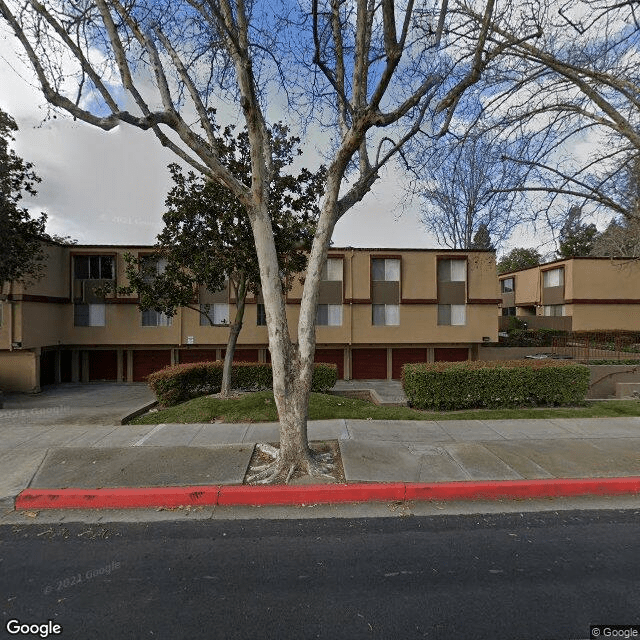
2323 Santa Rita Rd, Pleasanton, CA 94566
To contact a resident: (925) 462-5850
For more information about senior living options: (866) 208-4318
Overall Review of Santa Maria Apartments
Pros
 The property manager, Sara, is exceptional—efficient, easy to work with, and keeps the property clean with prompt issue resolution.
- The apartments feel comfortable, are very clean and quiet, contributing to a safe and pleasant living environment.
- The complex is consistently well maintained, with timely maintenance and on-top-of-it management.
- Sara is friendly, kind, and professional, enhancing residents' overall experience.
- The community is regarded as one of the best, with long-term residents planning to stay.
Cons
 The manager changed the approval process and told them they no longer qualified.
- They heard from other residents that management constantly micromanages the tenants.
- Inflatables are not allowed in the pool.
- People should stay away from this place.
Review
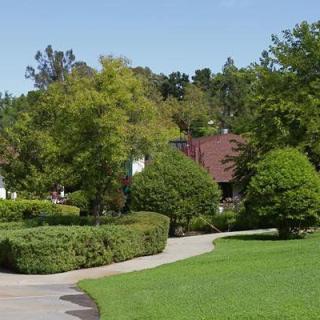
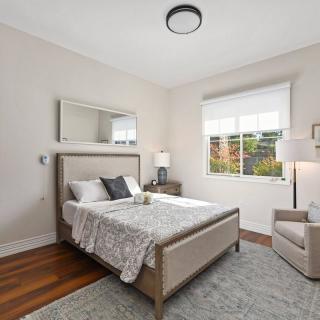
Santa Maria Apartments in Pleasanton is best suited for independent seniors who want a clean, quiet, and well-managed rental environment rather than a care-centric setting. This community rewards self-sufficiency with a steady hand at the helm: Sara, the property manager, earns consistent praise for getting things done efficiently, communicating clearly, and keeping the property in prime condition. Residents repeatedly note the combination of a spotless, orderly campus and prompt maintenance as a defining strength. The complex feels safe, the on-site laundry area is dependable, and the overall atmosphere is calm enough to support a long habit of residence. For seniors who want to stay in Pleasanton and avoid the complications of care services, Santa Maria offers a practical, unfussy home base. Its long-tenured residents underscore a sense of stability that can be hard to find in markets with frequent turnover.
Those who should consider alternatives are primarily those who require daily living assistance or on-site care. This is not an assisted living or memory-care community; it functions as a rental complex focused on independent living. Anyone expecting proactive care coordination, structured social programming, meals, or regular health oversight should look elsewhere. A single negative review notes a dramatic shift in move-in qualification and characterizes management as micromanaging, alongside a strict pool policy that prohibits inflatables. That kind of policy rigidity and perceived inconsistency can be a deal-breaker for families hoping for predictable guidelines and a more hands-off management style. For seniors who anticipate needing mobility support, daily reminders, or on-site care, options in licensed assisted living, or continuing-care communities with formal care plans, will align better with long-term needs.
The strongest pro line hinges on management and upkeep. Sara is repeatedly singled out as the linchpin: a responsive, professional leader who keeps the property clean, secure, and well maintained, with issues resolved promptly. Cleanliness and quietude are constant themes, contributing to a low-stress living environment that supports independence. The stability of maintenance rhythms means fewer headaches for residents who value predictability and efficiency. The sense of safety, quantified by the ability to move around the complex, use amenities, and complete routine tasks without friction, further strengthens the case for Santa Maria as a practical choice for budget-minded seniors who still expect a higher standard of living. Yet these advantages sit alongside the caveat that management is not uniformly perceived across all tenants, and that policy decisions can tilt toward rigidity rather than flexibility.
From a practical decision-making standpoint, prospective residents should approach Santa Maria with a clear evaluative checklist. The on-site model works best for those who prize quick repairs, consistently clean surroundings, and a manager who can arbitrate day-to-day concerns with confidence. Visitors should request candid conversations with multiple residents to gauge whether Sara’s leadership is the prevailing experience or if recent transitions have produced uneven service. Tours should probe for specifics: how fast maintenance requests are fulfilled, what the exact rules are around guest access and amenities, and whether any upcoming policy changes could alter living patterns. Because the community’s strongest asset is its reputation for reliability, understanding whether that reliability extends beyond a single manager is essential. For families, a visit with resident neighbors can reveal the texture of daily life that a brochure cannot capture.
In weighing Santa Maria against assisted living options, a clear line emerges. For seniors who require no daily care and desire autonomy, Santa Maria delivers a value proposition grounded in cleanliness, quiet, and dependable maintenance under strong leadership. The flip side is equally true: residents who anticipate needing on-site care, structured programming, or more flexible policy interpretation should weigh Alternatives that embed care services and broader social supports. The single cautionary note about governance, perceived micromanagement and sudden qualification changes, serves as a reminder that stability is contingent on consistent leadership and policy transparency. Families should press for clarity on any upcoming rule shifts, and verify how policies are communicated and enforced across times and staff changes.
The bottom line is practical and decisive: Santa Maria stands out as a compelling option for independent seniors who want a well-run, clean, and quiet living environment with a responsive manager and minimal daily frictions. It is not, however, a substitute for on-site caregiving or memory-support services. Those weighing options should pursue a disciplined tour and conversation plan: meet Sara, talk with a cross-section of residents, and confirm current policies in writing, including any guest or amenity rules. If independence without daily care is the priority, Santa Maria’s demonstrated strengths in upkeep, safety, and staff reliability often outweigh the potential downsides. If care needs or policy flexibility are at the forefront, a careful comparison with licensed assisted living facilities will likely steer families toward a different path.
 Independent Living
 Metropolitan Oakland International (19 miles away)



 Urinary Tract Infections in Older Adults: Comprehensive Insights on Symptoms, Treatment, and Prevention
 California's Form 602A: An In-Depth Examination of Senior Care Assessment
 Comprehensive Look at Senior Blood Pressure Charts: Normal and Elevated Levels by Age