

3600 Old Santa Rita Rd CLOSED, Pleasanton, CA 94588
To contact a resident: (925) 461-8577
For more information about senior living options: (866) 208-4318
Overall Review of Brigton Gardens
Pros
 Residents are warmly welcomed by staff whose kindness and professionalism stand out.
- The team is described as compassionate, patient, and extraordinarily kind.
- The community is well-maintained, clean, safe, and inviting.
- Leadership and staff demonstrate dedication and pride in the community.
- Dining is restaurant-quality with accommodating options and a focus on residents’ preferences.
- Outdoor spaces are beautiful, featuring rose gardens, lavender, and a private park for walks.
- The environment feels like home, providing emotional support and a genuine sense of family.
Cons
 The facility is not transparent, understaffed, and inconsistent in the care it provides to residents.
- The staff are described as very irresponsible and unprofessional.
- Gina and Kathy have been unavailable to respond to requests and inquiries about the resident in hospice care.
- There were unwitnessed falls that left the resident with a broken femur and created unsafe conditions.
- The care provided did not meet promised standards, such as not supplying bed rails or a fall mat as stated.
- Sunrise Pleasanton showed poor responsiveness, with volunteer inquiries going unanswered for days.
Review
Brigton Gardens in Pleasanton is best suited for families seeking a warm, hospitality-driven setting with a clear emphasis on person-centered memory care and assisted living for seniors who value a high-end, home-like atmosphere. This community excels when leadership is visibly engaged and the move-in experience feels personalized, with staff who treat residents as individuals. It is particularly appealing to families who want daily life that mirrors a well-run home, well-maintained spaces, restaurant-quality meals, and meaningful activities that foster connection. For seniors who prize dignity, social engagement, and a sense of belonging, Brigton Gardens presents a compelling alignment of atmosphere and care philosophy.
Those considering Brigton Gardens should also be clear about when alternatives might be preferable. If a resident requires a deeper, more clinical oversight or a higher staff-to-resident ratio around the clock, a smaller, highly regulated memory-care environment may feel safer. If budget constraints are a primary driver, or if strict speed and specificity of medical interventions are non-negotiable, some families may prefer facilities with a more medicalized model or different pricing structures. In markets like Pleasanton, it pays to compare Brigton Gardens against other providers that emphasize continuous, highly transparent staffing, documented incident reporting, and well-established hospice partnerships.
The strongest positives reflected in nearby experiences point to leadership accessibility, robust family communication, and a culture of genuine care. Tours and admissions staff who clearly care about the resident’s story set a welcoming tone, and executives who take pride in the community tend to translate into consistently compassionate care. The environment itself often earns praise: palm-framed gardens, well-appointed common rooms, and spaces that feel more like a high-end hotel than a clinical facility. A hotel-like ambience, combined with attentive dining and engaging programming, can reduce anxiety for families and enhance quality of life for residents, creating daily momentum toward independence and joy.
On the risk side, the most cautions-worthy signals revolve around staffing consistency and safety. A less favorable pattern in some local experiences notes gaps in responsiveness and questions about accountability when incidents occur. Families should anticipate the need for robust, transparent reporting, easily accessible care plans, and immediate escalation pathways. While most staff members come across as warm and capable, the reality in any senior housing setting is that coverage, turnover, and shift-management can influence how quickly concerns are addressed and how proactively potential risks are mitigated.
When the favorable factors are strong, leadership visibility, a genuinely caring staff, and a thoughtfully designed living environment, these advantages can offset the potential drawbacks. A well-connected community director, coupled with a responsive care team and open lines of communication with families, creates a system where concerns are addressed promptly and adjustments are made to meet evolving needs. A vibrant activity calendar, high-quality meals, and secure, pleasant outdoor spaces contribute to residents’ sense of purpose and belonging, which in turn supports safer, more engaged days and reduces risk factors associated with isolation or depression.
For families weighing Brigton Gardens, the practical path is clear: visit with a plan to assess day-to-day operations as much as the glossy amenities. Ask for recent resident care plans and how changes are communicated to families; request to meet the direct caregivers on the floor and observe care routines during peak activity times. Clarify staffing ratios by shift, request incident and safety logs, and confirm partnerships with local hospice or specialty memory-care providers. If those elements align with a desired balance of warmth, dignity, and responsive governance, Brigton Gardens stands out as a strong choice for a loved one who thrives in a community where people matter as much as the property does.
 Assisted Living
 Activities on-site
 Devotional services off-site
 Indoor common areas
 Metropolitan Oakland International (19 miles away)
 Ambulatory care
 Diabetic care
 Meals provided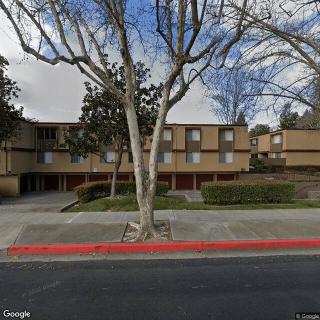







 Understanding Medicaid Coverage for Assisted Living: A Comprehensive Guide
 How and When Medicaid May Cover Assisted Living Costs
 A Detailed Exploration of Assisted Living Medicaid Waivers Across the United States