
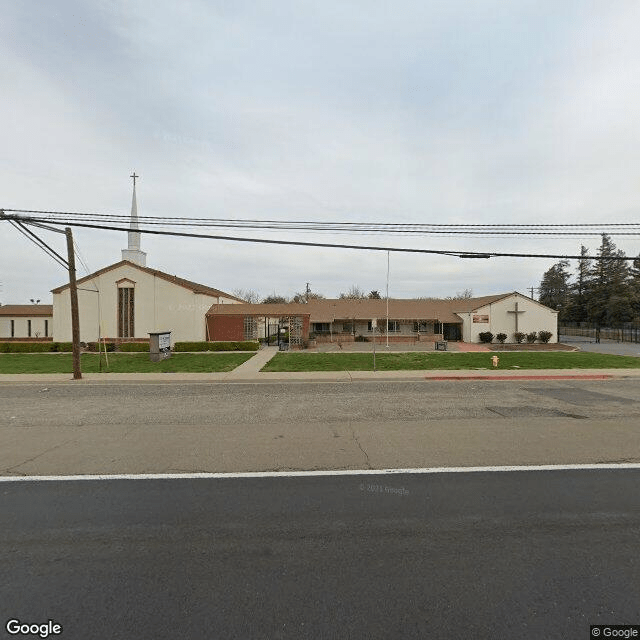
733 Maze Blvd, Modesto, CA 95351
To contact a resident: (209) 524-4901
For more information about senior living options: (866) 208-4318
Overall Review of Sherwood Manor Apartments
Pros
 The complex is great.
- It is a beautiful place.
- It is a nice place.
Cons
 The property management sucks.
- There is an ongoing problem here.
- The place is not recommended until new managers are in place.
- The reviewer had their car towed from the site at their own expense.
- Volunteers were met with hostility and negative reactions.
- Potential volunteers are treated poorly, causing fear for the residents.
Review
Sherwood Manor Apartments in Modesto is best suited for independent seniors who prize curb appeal, a well-maintained campus feel, and a convenient location, and who can tolerate a mismatch between aesthetics and administrative reliability. The complex earns its appeal from its visual polish and current-looking photos, offering an inviting first impression that can help residents feel settled quickly. For a person who wants a beautiful, walkable setting, solid grounds, and a sense of community in a retirement-adjacent environment, Sherwood Manor delivers that immediate, liveable atmosphere.
Those considering alternatives should take seriously the question of consistent management and responsive operations. The reviews reveal a core tension: the beauty of the place does not automatically translate into dependable daily support or reliable administrative follow-through. Prospective residents who depend on smooth property management, timely maintenance, and clear communication about rules and processes should look elsewhere or plan for a strong on-site advocate. In short, this option lacks the operational predictability often necessary for long-term peace of mind.
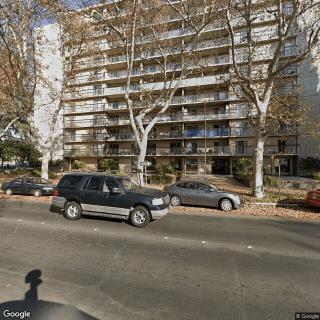
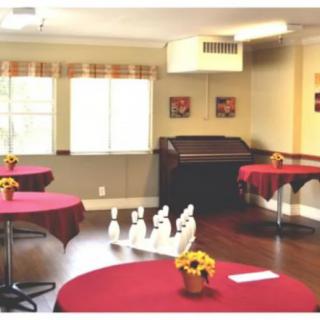
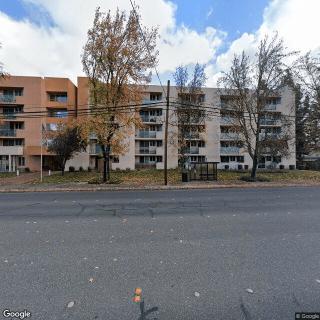
On the upside, the physical environment remains a clear draw. The complex is described as beautiful, with current photos underscoring the appealing exterior and interior finishes. For some, that aesthetic and the surrounding grounds may translate into a comfortable living experience, particularly for individuals who value a tasteful, uncluttered setting that allows easy navigation and a sense of pride in where one resides. The strong visual package can compensate, to an extent, for a slower or less reliable management footprint when residents already have robust outside support or are adept at advocating for their own needs.
Nevertheless, the principal drawbacks bite more deeply than the cosmetic appeal can soften. The prevailing critique centers on property management, characterized as ongoing and problematic, with editors indicating that significant improvements hinge on new managers taking the helm. A cloudy, inconsistent approach to maintenance requests, lease questions, and day-to-day operations creates a risk of frustration and miscommunication for residents and their families. The experience of a resident whose car was towed at personal expense is a concrete reminder of how administrative lapses can disrupt budgets and trust. When such incidents occur, they cast a shadow over otherwise attractive living spaces and can undermine willingness to recommend the community.
The tone toward volunteers also signals a broader cultural pattern around resident welfare and engagement. A prospective volunteer offering services faced hostility and negative reactions, raising red flags about the reception of well-meaning community contributors and, by extension, the receiving atmosphere for residents. For families, this suggests potential challenges in coordinating outside help, visitor policies, or volunteer-led activities that enrich daily life. It is essential to probe how resident input is handled, what avenues exist for complaints, and whether staff responsiveness aligns with care and safety expectations.
For families actively screening assisted-living or transition-focused options, the practical next steps are clear. Arrange candid conversations with the current property management team to outline maintenance response times, communicate expectations for guest and volunteer programs, and request a transparent process for handling disputes, vehicle issues, and rule enforcement. Seek firsthand input from current residents about reliability, communication quality, and what a typical week looks like in terms of service and support. Verify the stability of ownership or management leadership and ask about any upcoming changes, ensuring there is a concrete plan to address the highlighted concerns before a final commitment.
In the end, Sherwood Manor Apartments deliver a compelling visual and environmental appeal that can be meaningful for independent seniors who can navigate management gaps without compromising safety or daily life. For those relying on predictable staff oversight, consistent programming, and a strong culture of resident-centered service, alternatives offer a safer, more cohesive experience. This is a place where beauty must be weighed carefully against operational risk, and where the decision should hinge on the ability to secure reliable management, steady maintenance, and a welcoming environment for volunteers and residents alike.
 Independent Living
 Modesto City-County-Harry Sham (4 miles away)

 Weight Training for Seniors: Building Strength and Vitality
 Understanding the Sandwich Generation: Stress and Responsibilities for Multigenerational Caregivers
 8 Essential Assistive Devices for Older Adults