
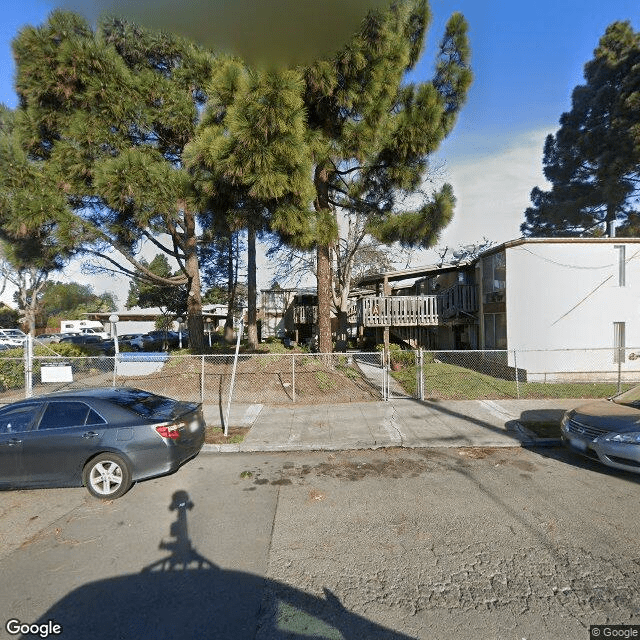
1425 Oregon St, Berkeley, CA 94702
To contact a resident: (510) 848-8554
For more information about senior living options: (866) 208-4318
Overall Review of Oregon Park Apartments
Pros
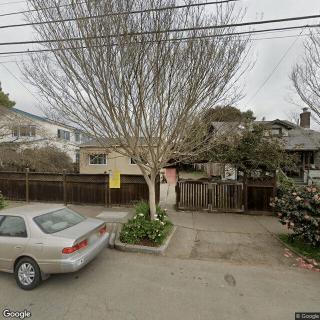
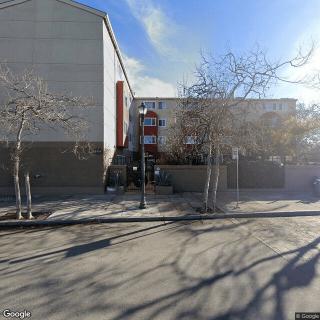
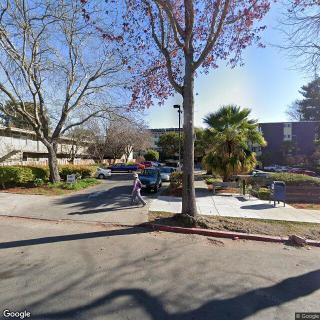
 The exterior complex updates, including new roofs and improved parking lot asphalt, are positive developments.
- The ongoing renovations reflect a commitment to improving the property.
- The improvements indicate progress in facilities for residents.
Cons
 They paid for their application, waited to be placed on the list, and were passed over without any explanation.
- They were never told anything after being on the list, leaving them confused during a hardship.
- They don't understand why the decision of eligibility is left to others.
- They are homeless and have 35 years of work experience, yet they weren't notified and lack a plate.
- They observe that people are being moved in steadily all the time, implying an unfair process.
- They mention buckled cement in the exterior updates that needs correction.
Review
Oregon Park Apartments in Berkeley is best suited for renters who prize affordability in a convenient Bay Area location and can tolerate a slower, less transparent move-in process along with ongoing property improvements. It reads as a practical option for those who want access to Berkeley-area housing without paying top-market rents, provided patience with administrative rhythms is acceptable and the emphasis is on long-term stability rather than rapid relocation. In short, this is a move-in decision for budget-conscious households that prioritize value and location over flawless onboarding and lightning-fast confirmations.
Those whose priority is a consistently clear application flow and guaranteed notification should seriously consider alternatives. The reviews reveal a pattern of communication gaps and opaque qualification decisions that can leave applicants feeling overlooked or misinformed. For families or individuals who cannot risk long, uncertain waits or opaque eligibility judgments, a community with a more transparent process and reliable move-in timelines will likely deliver a less stressful experience. Additionally, anyone seeking on-site care, a formal assisted-living framework, or highly structured support should look beyond a property where care levels are not explicitly part of the offering.
On the upside, the property’s exterior upgrades stand out as a meaningful asset. Reports of updates to the roofs, parking lot asphalt, and corrected buckled cement signal management’s commitment to structural upkeep and safety. These improvements can translate into a more pleasant living environment, reduced deferred maintenance, and better long-term value. For residents who end up moving in, the visible capital investments can improve curb appeal and neighborhood perception, which matters for comfort, pride of place, and potential resale or relocation leverage down the line. The presence of these improvements helps offset some of the operational drawbacks by signaling a future-oriented management approach.
The most persistent drawbacks come from the administrative and communication side. A reviewer recounts being placed on a waiting list, then passed over without explanation, despite a long tenure in the workforce and a hardship situation. That kind of experience raises real concerns about how decisions are made, who qualifies, and how applicants are notified. While renovations are a positive signal, the lack of timely, direct communication around eligibility and status undermines trust and can waste time for households that already face housing stress. These operational gaps are not minor frictions; they can be decisive for families juggling health, finances, and care considerations.
When the positive attributes and the drawbacks are weighed, the pros partially offset the cons for a subset of residents. The ongoing capital improvements create a foundation for better long-term livability and maintenance predictability, which matters as building conditions age. The sentiment from the higher-rated reviews suggests that, once past the onboarding and qualification hurdles, some residents experience quality living that justifies the trade-offs. For these tenants, the combination of location value and property upkeep can deliver a reasonable overall experience, especially if move-in timing is flexible and administrative expectations are managed with clarity.
Practical questions to anchor a decision include: What is the current availability and expected timeline for a move-in? What exactly are the qualification criteria, and how are decisions communicated to applicants? Is there a resident liaison or property manager who can provide written timelines and updates? How extensive are the on-site services, if any, and do they align with current or anticipated care needs? Confirm parking arrangements, accessibility features, and proximity to groceries, healthcare, and public transit. If reliable onboarding, transparent communication, and predictable move-in are non-negotiables, this community may not be the best fit; if affordability, Berkeley access, and visible improvements align with priorities and patience is available, Oregon Park warrants a careful, grounded evaluation.
 Independent Living
 Metropolitan Oakland International (10 miles away)



 Understanding the Nuances of Palliative Care and Hospice: A Comprehensive Exploration
 Is In-Home Healthcare Tax Deductible? Your Comprehensive Guide
 Nurturing Well-Being Through Gardening: A Detailed Guide for Senior Enthusiasts