
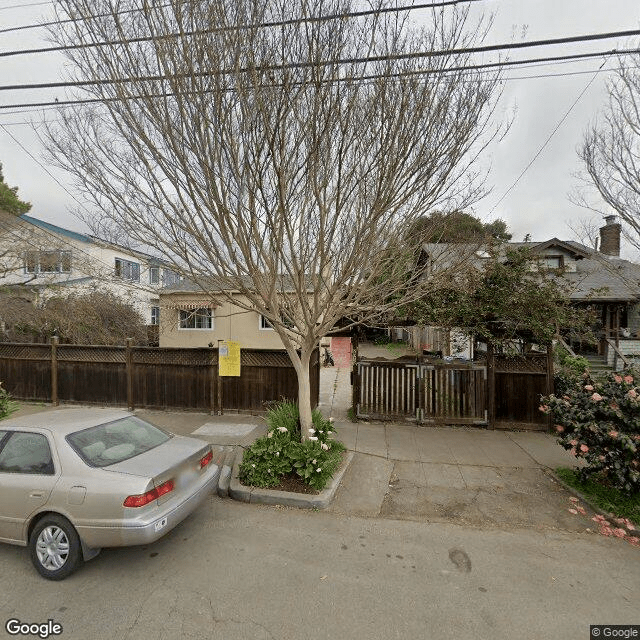
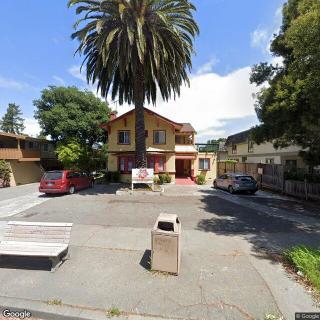
2325 McGee Avenue, Berkeley, CA 94703
To contact a resident: (510) 548-0849
For more information about senior living options: (866) 208-4318
Bella Casa Home Costs & Pricing
Bella Casa Home offers competitive pricing for its accommodations compared to both Alameda County and the broader California market. For a semi-private room, residents at Bella Casa will pay $2,200 per month, which is significantly lower than the county average of $3,273 and the state average of $3,333. This represents a noteworthy cost-saving opportunity for families seeking quality care. For those interested in private rooms, Bella Casa's monthly rate stands at $3,500, again more economical than the county average of $3,748 and the state average of $3,939. These rates reflect Bella Casa Home's commitment to providing accessible and affordable living options while maintaining high standards of care.
| Floor plans | Bella Casa Home | Alameda County | California |
|---|---|---|---|
| Semi-Private | $2,200 | $3,273 | $3,333 |
| Private | $3,500 | $3,748 | $3,939 |
Senior living communities with a similar price nearby
-
from +$300 / mo
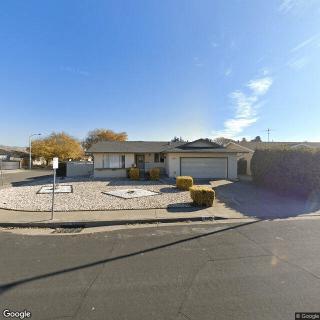
Ava Bella Care Home
$2,500 to $3,000 / month21.8 miles away -
from +$300 / mo

San Carlos Elms
$2,500 to $5,880 / month25.0 miles away -
from -$425 / mo
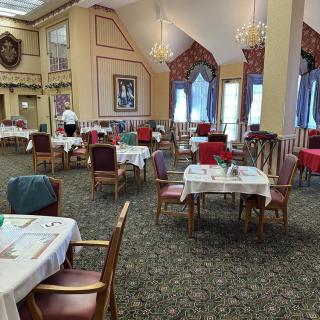
El Cerrito Royale
$1,775 to $3,775 / month4.2 miles away -
from +$300 / mo
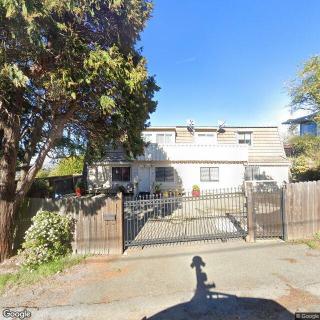
Rose Arbor Senior Care
$2,500 to $4,620 / month6.9 miles away -
from +$100 / mo
Jla Healthcare Services
$2,300 to $3,200 / month20.1 miles away
Overall Review of Bella Casa Home
Pros
 The place is great.
- It is a great place.
Cons
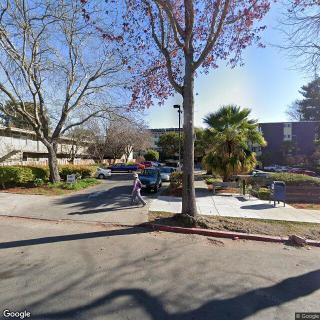
 The yard was unkempt.
- They found a younger woman, presumably the caregiver, asleep on the couch, which led them to flee.
Review
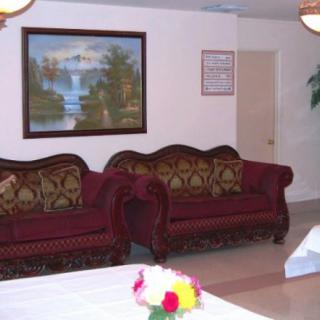
Bella Casa Home in Berkeley is best suited for families seeking a small, home-like assisted-living option where a warm, personable atmosphere can be a real asset. This community tends to appeal to those who value a less institutional vibe and the sense that staff and residents know one another. The caveat is clear: if a family requires consistently demonstrated safety oversight, meticulous grounds maintenance, and highly reliable staffing, this option may not meet those nonnegotiables and alternatives should be considered.
Two of the three reviews speak to a positive first impression, painting Bella Casa as a place that can feel welcoming and workable on a day-to-day basis. The repeated note of “great place” signals that, when things are going smoothly, residents and families experience a favorable, perhaps low-key, environment with approachable staff. Those endorsements are meaningful in smaller settings where personal relationships can drive daily satisfaction and a sense of belonging.
The lone negative review cannot be dismissed. It describes a yard that was unkempt and, more troubling, an open door with a younger caregiver asleep on the couch, prompting the reviewer to flee. That vignette highlights two serious questions closely tied to ongoing residential care: property upkeep and the reliability/ attentiveness of on-site staff. In a setting where safety, supervision, and consistent routine are central to well-being, these flags matter and merit careful scrutiny.
Taken together, the pros and cons create a clear trade-off. The favorable impressions imply potential for a warm, neighborly ambiance and personal attention in a small community. Yet the negative report underscores real risks around maintenance and staffing discipline that can undermine quality of life and safety. Pros can offset some concerns if the facility demonstrates strong daily operations, transparent caregiver scheduling, and visible property upkeep during a firsthand visit. Without those assurances, the cons cannot be safely outweighed by warmth alone.
Who should consider alternatives becomes the practical lens here. Families with residents who require tight supervision, extensive medical oversight, or highly structured routines, especially those vulnerable to wandering or behavioral changes, may find better alignment with larger, well-staffed facilities that publish clear staffing ratios and maintenance commitments. For seniors who prize consistency and a consistently tidy environment, and for those who want proven safety protocols and easy access to medical coordination, exploring other Berkeley options is a prudent step.
Before deciding, approach Bella Casa with a decision-scoping visit. Insist on a full tour of living spaces and grounds, seek a clear explanation of staff coverage across shifts, and request to meet the caregiving team, including daytime and overnight personnel. Ask for a detailed daily schedule, incident reporting practices, housekeeping standards, and a maintenance log you can review. Check references from current residents or families, inquire about response times to call bells, and verify how often groundskeeping and safety checks occur. If these elements are solid, the warmth of the community may be a strong fit; if not, move briskly to solid alternatives that deliver demonstrable reliability and a thoroughly maintained environment.
 Board and Care Home
 Indoor common areas
 Outdoor common areas
 Private
 Private bathrooms
 Respite or short term stays offered
 Wheelchair accessible showers
 Metropolitan Oakland International (10 miles away)
 Ambulatory care
 Diabetic care
 High acuity care
 Incontinence care
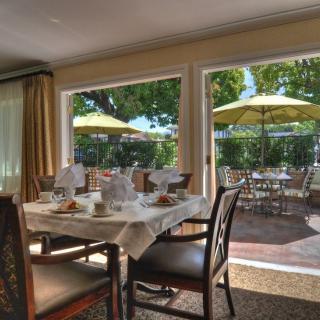
 Meals provided


 Fecal Incontinence in Older Adults: A Comprehensive Guide
 Recognizing the Journey: Understanding and Navigating Anticipatory Grief
 Encouraging Participation in Adult Day Care: A Guide to Supporting a Hesitant Parent