
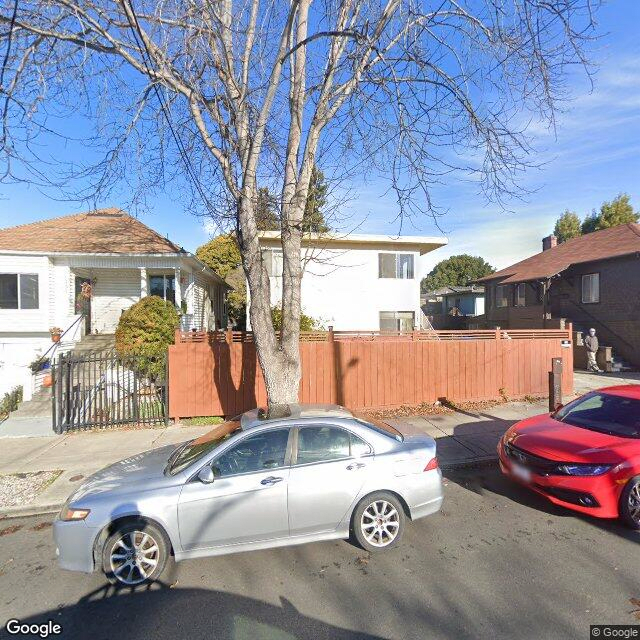
1741 Russell St, Berkeley, CA 94703
To contact a resident: (510) 845-0919
For more information about senior living options: (866) 208-4318
Overall Review of Mc Cray's Rest Home
Pros
 Ms J Brown is grateful for her input as a mentor.
- CIL is a very caring facility.
- CIL is one of the most productive and helpful centers.
- Leslie was understanding and very patient, helping with mobility issues.
- The computer lab at CIL is accommodating, with adjustable equipment to fit users' needs.
- CIL staff are working hard to help physically and mentally challenged people.
- The people who work at CIL really do care about people with disabilities.
- CIL has helped many people become more independent and take better care of themselves.
Cons
 The center is unorganized and under-resourced, functioning mostly as a referral center.
 - A CIL housing case manager forgot an important appointment and misled about hotel vouchers, leaving the client heartbroken.
- The organization is shady, and people are advised to stay away.
- There is constant resident drama and burdensome Covid-19 procedures in large units, with residents’ needs not prioritized.
- During the pandemic, costs for housing and basic necessities have skyrocketed.
- They never return calls.
- The receptionist showed a totally indifferent attitude toward disabled issues and would not let the client speak to anyone.
- Some longtime staff feel that CIL has gone astray from its mission.
Review
Mc Cray's Rest Home in Berkeley is best suited for seniors and mobility-impaired adults who want a small, personally attentive environment where frontline staff take a hands-on, problem-solving approach to daily needs. The community rewards loyalty with responsive, compassionate care and the sense that caregivers will advocate for practical solutions when external systems falter. It is not a polished, impersonal campus; rather, it operates more like a close-knit residence where relationships with caregivers can translate into faster access to services, a sharper focus on daily safety, and real-time help navigating housing and transport challenges. Families that prize personal contact and a can-do attitude over rigid processes will feel more at home here. Those seeking a perfectly predictable schedule, strict administrative clarity, or extensive, centralized resources should look elsewhere.
Alternatives to consider are larger, more structured operators with established care-coordination programs and transparent referral pipelines, or nonprofit centers that specialize in housing placement with formal case management. For residents who require consistent memory-care management, 24/7 supervision, or guaranteed availability of services, the Berkeley market offers options with stronger governance and standardized protocols. Anyone evaluating Mc Cray's should be aware that the strengths lie in personal attention and resourcefulness, not in scale, branding, or bureaucratic precision.
On the plus side, the reviews repeatedly highlight staff who are devoted, capable of making practical accommodations, and willing to go the extra mile. Independent-living skills and mobility support show up as concrete benefits when staff connect residents to tasks such as transportation navigation, basic self-care routines, or access to assistive technologies. In a setting that can feel fragmented, these tangible acts of assistance can meaningfully extend autonomy and reduce daily anxiety. When such support is consistent, it can counterbalance gaps in organization and delays in scheduling or funding, turning a potentially stressful process into manageable, incremental progress.
However, the main downsides are substantial. The community sometimes reads as unorganized with limited resources and a heavy reliance on intermediaries, which translates into missed appointments, unclear expectations, and slow or inconsistent follow-through. Several reports describe communication lapses, phone calls not returned, contradictory information from different staffers, and a perception that some referrals or entitlements were not honored or fully explained. There are persistent concerns about the reliability of housing and financial assistance processes, which can escalate stress for families already balancing tight budgets and care needs. For a family needing tight, predictable management of housing, transport, and care services, these gaps may outweigh the personal warmth on offer.
Still, the overarching thread is that residents and clients feel cared for by people who genuinely want to help. The facility is described as a resourceful hub that can connect disabled adults and seniors to practical supports and community services, sometimes changing a life for the better. The strongest endorsements come from those who have seen progress in independence and daily functioning thanks to targeted coaching and access to supportive programs. In short, strength of staff compassion and a willingness to mobilize limited resources can produce meaningful improvements, even when the administrative framework shows cracks.
Decision-making should hinge on alignment of priorities. If a family can tolerate occasional administrative friction in exchange for personalized advocacy, direct caregiver relationships, and a community that fights to find workable solutions, this Berkeley option warrants serious consideration. Before committing, demand a concrete care plan, a transparent schedule, and a named point of contact for housing and transportation. Talk to current residents or recent movers about how often they experience delays, and ask for alternatives with stronger governance and predictable operations if those issues loom large. In the right match, Mc Cray's Rest Home can deliver warmth and practical support; in a tighter, more procedure-driven environment, other options will likely serve better.
 Board and Care Home
 Metropolitan Oakland International (10 miles away)






 Comprehensive Guide to Blood Pressure Charts for Older Adults: Understanding Normal and High Readings by Age
 Financing Long-Term Nursing Home Care Through Social Security: A Thorough Exploration
 Essential Knowledge on Pneumonia in Older Adults