
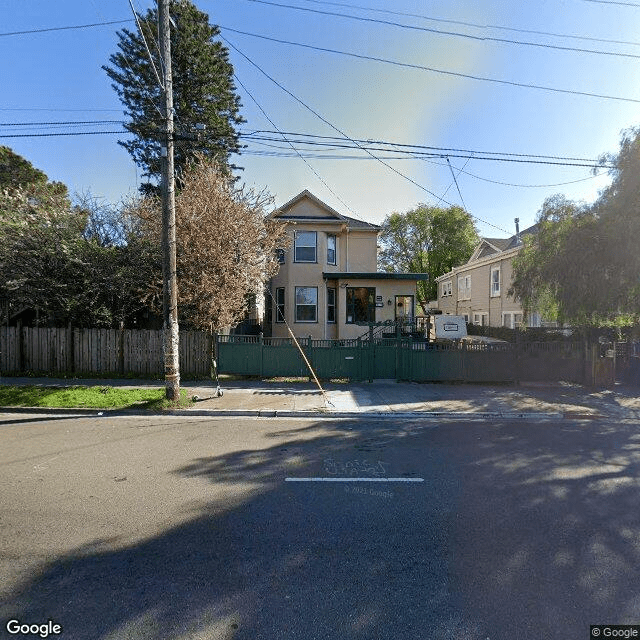
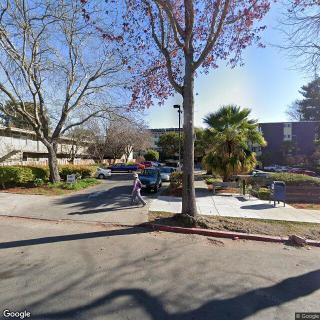
2124 Ashby Avenue, Berkeley, CA 94705
For more information about senior living options: (866) 208-4318
Angeleon Care Home Costs & Pricing
Angeleon Care Home offers competitive pricing for its services in comparison to both Alameda County and the broader California market. For those opting for a semi-private room, Angeleon Care Home charges $3,000 per month, which is notably lower than the county average of $3,273 and the state average of $3,333. Similarly, the private room rate at Angeleon stands at $4,000 per month, slightly higher than Alameda County's average of $3,748 but still below California's statewide average of $3,939. This pricing structure positions Angeleon as an appealing option for families seeking quality care within a financially manageable framework.
| Floor plans | Angeleon Care Home | Alameda County | California |
|---|---|---|---|
| Semi-Private | $3,000 | $3,273 | $3,333 |
| Private | $4,000 | $3,748 | $3,939 |
Assisted Living communities with a similar price nearby
-
About the same

Palm Garden Home Care
$3,000 to $4,000 / month14.6 miles away -
from -$500 / mo
Ava Bella Care Home
$2,500 to $3,000 / month20.9 miles away -
from +$195 / mo
Harbor Bay Assisted Living
$3,195 to $5,000 / month7.6 miles away -
from +$400 / mo

An Oak Grove Manor
$3,400 to $3,800 / month14.6 miles away -
About the same

Eden Assisted Living
$3,000 / month13.7 miles away
Overall Review of Angeleon Care Home
Pros
 They chose Angeleon Care Home for its proximity to BART.
- Angeleon Care Home seemed like a nice place.
- The staff were responsive to issues with the food service.
Cons
 Activities and improvements weren’t something the facility did, according to the reviewer.
- The reviewer believed it wouldn’t have been a great fit for their loved one.
- The facility was on the older side, and the interior appeared a little dim.
Review
Angeleon Care Home in Berkeley is best suited for families that prize easy, predictable visiting logistics and a straightforward, no-frills living environment for an elderly loved one who does not require a bustling activities calendar. The location edges toward practicality: proximity to BART makes drop-in visits and off-site appointments easier to manage, which matters when car-free or mobility-limited family members are part of the care plan. This community works best for residents who prefer a quieter setting over a highly programmed social scene and who are comfortable with a modest, functional atmosphere.
Two clear strengths emerge from the available observations. First, the transit-friendly location is genuinely convenient for family members who must balance caregiver duties with regular in-person check-ins. Second, meal service concerns appear to receive appropriate attention, with staff showing responsiveness to issues as they arise. Those elements matter day to day: reliable, responsive meals and predictable access for loved ones visiting or coordinating care plans can reduce friction in a care routine and contribute to a sense of stability, even if the setting isn’t expansive or flamboyantly modern.
However, the drawbacks are meaningful and should not be minimized. The facility reads as older and the interior feels dim, which can translate into a less uplifting resident experience and a reduced sense of hominess. The atmosphere may dampen spontaneous social interactions and overall engagement, particularly for a resident who thrives on light-filled common areas and varied programming. A notable demographic note, per observation, a resident community that skews toward male residents, can influence the ambiance and may be incongruent with the preferences or safety considerations of some families seeking a balanced, gender-diverse social life or a setting that aligns with a female loved one’s comfort level.
These cons do not vanish with proximity alone. The practical advantages, easy access for visitors and reliable meal-service responsiveness, address daily, concrete needs and can keep a resident comfortable in the short term. Yet they do not compensate for a limited activities program, a dated interior, and a social environment that may feel less inclusive or stimulating for some residents. For families evaluating long-term quality of life, the absence of robust enrichment opportunities risks boredom, withdrawal, or under-stimulation, which can ultimately affect mood, engagement, and even health outcomes.
Families weighing alternatives should prioritize communities that offer brighter interiors, more dynamic activity calendars, and a more balanced resident mix. Look for facilities with clearly posted activity schedules, regular live programming, and opportunities for off-site outings or intergenerational engagement. The presence of a comfortable, inviting common area and visible attention to dining variety can also signal a more resident-centered daily life. Price and value will matter, but so will the degree to which the community fosters social connections and ongoing personal growth alongside essential care.
In the end, Angeleon Care Home is a sensible option for those who prioritize transit access and straightforward care logistics, with meals handled efficiently and issues addressed promptly. For families seeking rich social engagement, modernized interiors, and a mixed or more diverse resident community, it is prudent to explore other Berkeley options first. A practical next step is to schedule visits that probe activity offerings at different times of day, speak candidly with dining staff about meals and preferences, and observe how residents interact in common spaces. Clarify staffing levels, ask about any planned renovations, and determine whether the facility can tailor programming to a resident’s interests. If those elements align, this community can be a solid fit; if not, there are clearly stronger alternatives in the same market.
 12 resident community capacity
 Assisted Living
 Board and Care Home
 Respite Care
 Activities on-site
 Cable or satellite TV
 Devotional services off-site
 Dining room
 Fully furnished
 Garden
 Housekeeping services
 Indoor common areas
 Move-in coordination
 Outdoor common areas
 Private
 Private bathrooms
 Telephone
 Wheelchair accessible showers
 Wi-Fi/high-speed internet available
 Metropolitan Oakland International (10 miles away)
 24-hour supervision
 Ambulatory care
 Assistance with bathing
 Assistance with dressing
 Assistance with transfers
 Diabetes diet
 Diabetic care
 Incontinence care
 Meal preparation and service
 Medication management
 Special dietary restrictions
 Transportation arrangement (medical)
 Transportation to doctors appointments


 Comprehensive Insights into Activities of Daily Living (ADLs) and Their Assessment
 Medicare Coverage for Assisted Living: An In-Depth Exploration
 Your Comprehensive Guide to Luxury Assisted Living: Elevated Facilities, Amenities, and Costs