

841 Broadway Street, 208, Sheridan, WY 82801
To contact a resident: (307) 274-3177
For more information about senior living options: (866) 208-4318
SYNERGY Home Care - Sheridan, WY Costs & Pricing
At SYNERGY Home Care in Sheridan, WY, the monthly cost for private home care services is approximately $3,597. This figure reflects a commitment to providing quality care tailored to individual needs, slightly above the average cost in Sheridan County, which stands at $3,427. When compared to the broader state average of $3,513 for Wyoming, SYNERGY's pricing positions it as a competitive option in the local market. Clients can expect personalized service and dedicated support that justifies this investment in their care and well-being.
| Floor plans | SYNERGY Home Care - Sheridan, WY | Sheridan County | Wyoming |
|---|---|---|---|
| Private | $3,597 | $3,427 | $3,513 |
Senior living communities with a similar price nearby
-
from +$283 / mo

Cascades of Sugarland Ridge
$3,880 to $5,395 / month1.5 miles away -
from -$322 / mo
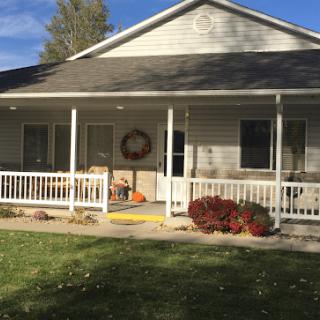
Willow Creek of Sheridan
$3,275 to $3,400 / month1.1 miles away
Overall Review of SYNERGY Home Care - Sheridan, WY
Pros
 The place is top tier in every way.
- The second caregiver was great, and the client's mother was very pleased with her.
- The professional staff at Synergy increased the hours and days to fit the wife's needs.
- The staff staying in the home provided comfort and peace of mind.
- Synergy went over and above expectations and needs.
Cons
 The job isn’t what it appears to be on Indeed.
- The roles sound more intriguing and promotional than they actually are.
- The company schedules workers on the days they say they can work.
- The positions amount to babysitting elderly clients, and that’s all they’ll get.
- The first caregiver was not very knowledgeable about some things.
Review
Synergy Home Care Sheridan is best suited for families seeking dependable in-home support for a loved one with dementia or chronic, progressive needs, especially when ongoing care coordination and the ability to adjust hours around hospital stays or transitions are critical. The service tends to shine for those who want hands-on, personalized caregivers who stay with a client over time, rather than a rotating roster. Strong evidence from clients shows that care can be scaled to increasing needs, with the option to extend or shorten schedules as conditions change. For families facing memory-care challenges or post-acute care planning, this agency offers a coherent path to maintaining home-based stability.
Those weighing alternatives should consider that Synergy may not be the best fit for everyone. Families seeking only sporadic, very light-touch assistance or the lowest-cost option may find other arrangements more suitable. The reviews include a critical note about the work environment from staff, suggesting potential inconsistency in staffing or management expectations that could translate into variable caregiver experiences. This signals a need for rigorous onboarding, clear expectations, and a solid continuity plan. For households prioritizing minimal caregiver overlap or highly rigid scheduling, exploring other providers or facility-based options may yield a tighter fit.
The core advantages are tangible and work to offset the potential drawbacks. Clients repeatedly describe caregivers as attentive and competent, with at least one particular caregiver delivering standout performance while another was less strong, underscoring the importance of careful caregiver matching. Most families report a high level of reliability and the ability to increase hours and days as dementia or other needs advance. The two-hour minimum visit, while potentially more than some families want, ensures meaningful engagement and comprehensive oversight, which matters when managing complex daily routines and safety concerns at home.
A standout strength is the agency’s willingness to intervene beyond routine caregiving. In one highly lauded case, Synergy provided eight months of in-home support for a spouse with Frontal Temporal Lobe Dementia, then coordinated a seamless transition when nursing home placement became necessary. The caregiver team remained involved, assisting with hospital care needs and even handling the logistics of moving the client to a nursing facility, including accompanying paperwork. This kind of continuity and proactive coordination mitigates family stress during crises and demonstrates a level of commitment that can be hard to find elsewhere.
Practical decisions become clearer when weighing the daily reality of the service. Families should verify how a lead caregiver is assigned and how back-fill is managed if a primary tends to be unavailable. Ask about the agency’s process for dementia-specific training, how care plans are documented and updated, and what happens during hospital admissions or transitions to higher levels of care. It’s essential to confirm that the two-hour minimum aligns with the loved one’s actual needs, and to establish expectations about caregiver consistency, backup coverage, and communication cadence with family members.
In the end, Synergy Home Care Sheridan represents a thoughtful, capable option for families navigating dementia care at home and coordinating complicated transitions. It is not the best choice for households seeking the most cost-efficient, ultra-flexible, or ultra-short visits, nor for those wary of potential staffing variability without diligent vetting. For families prioritizing continuity, compassionate in-home attention, and robust coordination during hospitalizations and nursing-home transitions, this agency warrants serious consideration. A formal care assessment, meeting multiple caregivers, and a clear plan for scheduling and backups will reveal whether the fit is strong enough to unlock lasting peace of mind.




 Skilled Nursing Facilities vs. Nursing Homes: Making Sense of the Differences
 A Detailed Examination of Nursing Home Costs Across the U.S.
 Exploring Nonmedical Home Care: Understanding Services, Costs, and Financial Approaches