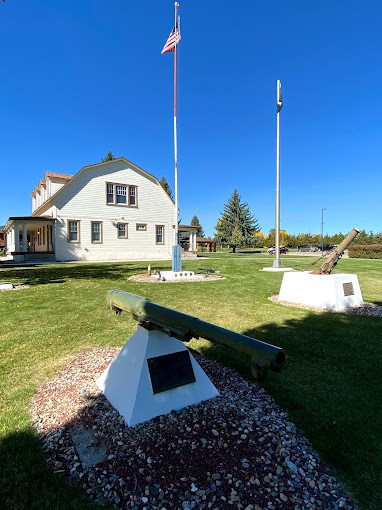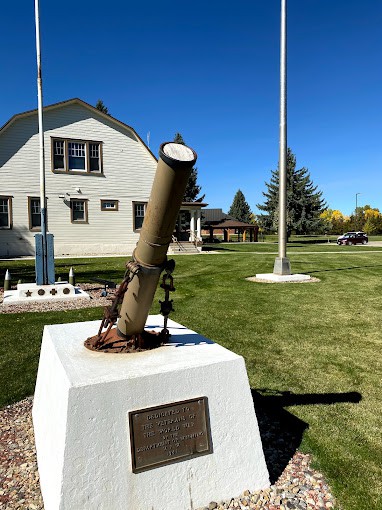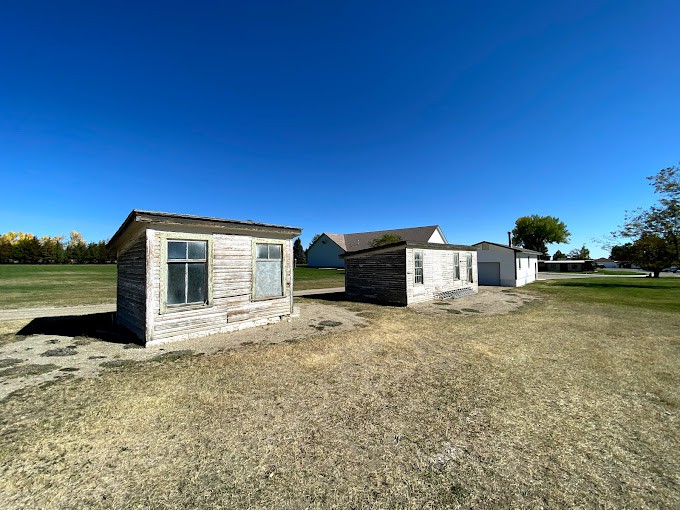
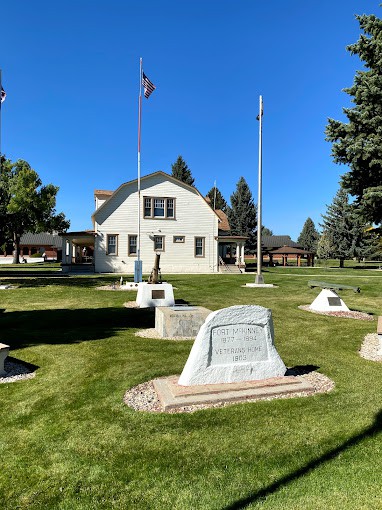
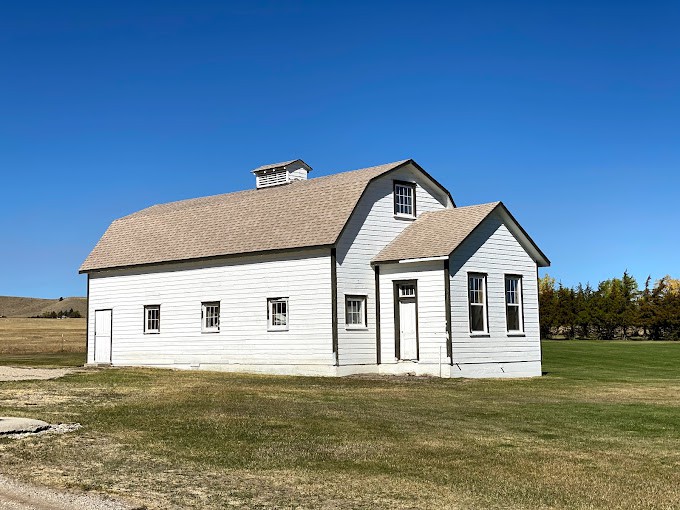
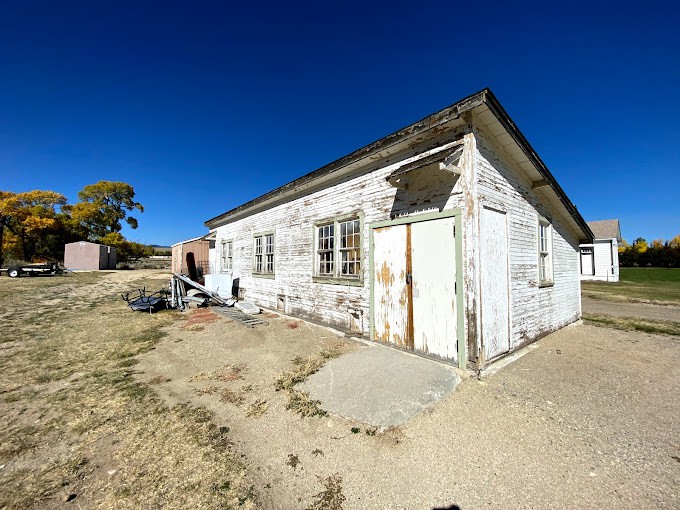
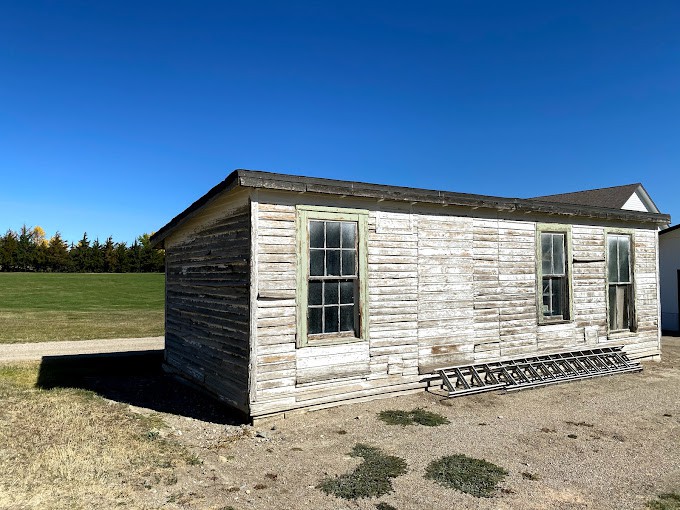
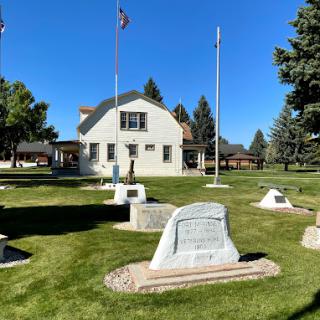
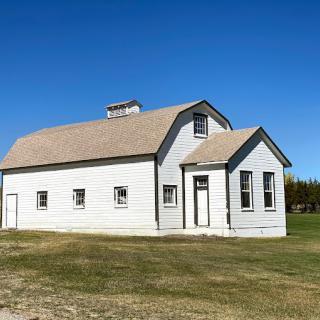
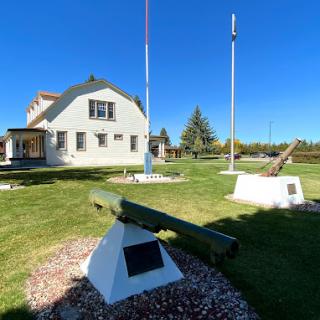
700 Veterans' Lane, Buffalo, WY 82834
For more information about senior living options: (866) 208-4318
Overall Review of Veterans' Home of Wyoming
Pros
 The place is great overall.
 - The facility serves those who have served us very well.
- The residence helped restore residents to a higher level of functioning.
- The Veterans Home of Wyoming continues a long tradition of caring for veterans.
- The facility and its staff are a blessing to residents and their families.
- The staff is very helpful and clearly cares about residents.
- The facility is awesome and highly recommended for loved ones.
Cons
 The medical care was subpar.
Review
This community is best suited for veterans who want a purpose-driven residence where care is grounded in a genuine commitment to those who wore the uniform. Buffalo’s Veterans’ Home of Wyoming serves residents with a clear mission: to honor service by providing a supportive, veteran-centered environment. The strong tribute to duty is palpable in the facility’s culture, and the staff’s attitude communicates that residents are valued for their sacrifices. For families seeking a home that foregrounds camaraderie, respect, and continuity of service, this is a compelling fit, especially for those who prize a long-standing tradition of caring that has endured across generations.
Those who should consider alternatives are families prioritizing high-level medical acuity and consistently rigorous clinical oversight. The reviews flag medical care as subpar overall, a warning sign for residents who require steady, advanced nursing support or robust, around-the-clock medical management. While the facility excels in presenting a warm, purpose-filled atmosphere, the clinical side does not consistently meet the standard demanded by residents with significant medical needs or complex rehab requirements. For families facing chronic or specialized conditions, it is prudent to compare options with stronger evidence of medical continuity and more expansive therapy programs.
The strongest pro, an unmistakable veteran-centric mission, does a lot of the heavy lifting in the decision. Staff who clearly care about residents and a culture steeped in honoring service create a reassuring, respectful living environment. The facility has a historical resonance of healing and rebuilding, illustrated by stories of residents who recovered meaningful function during extended stays and by the pride of caretaking that remains evident even as staffing has evolved. This mission provides stability and a sense of belonging that can translate into better daytime engagement, social connection, and a shared purpose among residents and families alike. When these intangible benefits align with a resident’s values, they can substantially offset some limits in medical care.
Yet the main downside, the uneven quality of medical services, cannot be dismissed. The rhetoric of compassionate staff and a veteran-first culture does not automatically compensate for gaps in clinical oversight or rehabilitation reach. The sense that “medical overall was very subpar” suggests variability in nursing responsiveness, careful monitoring, and timely interventions. Staffing shifts over the years further imply that care consistency may hinge on who is present and how the day-to-day team collaborates. For families, this means a necessary due diligence step: verify current medical leadership, confirm the availability of required therapies, and assess how care plans are coordinated with external physicians and hospitals.
Resident experiences paint a vivid portrait of the facility’s strengths and its limits. One reviewer describes rehabilitating from traumatic brain injury in the facility for years, highlighting a period when health improvements were achievable within this supportive setting. That narrative underscores the potential for meaningful recovery when the environment, culture, and staff align with a resident’s recovery goals. Another account notes attentive, practical help for a father-in-law, with the staff showing genuine care in how they interact with residents. The two threads, the healing potential within a veteran-focused framework and the real-time warmth of daily staff interactions, demonstrate that the home can deliver dignity, purpose, and comfort, even if such positives must be weighed against clinical gaps.
The practical takeaway is clear: approach this community with disciplined expectations about medical care and an explicit plan for supplementary clinical support. Prospective residents and families should schedule a candid tour focused on the current medical team, nursing ratios, and the availability of rehab professionals. If the goal is a living environment ordered around camaraderie, moral support, and veteran culture, this home stands out. If the priority is robust, consistently excellent medical management, it is wise to compare with facilities known for stronger clinical performance or to pair this option with strong external medical oversight. In the right match, notably where family involvement and veteran-centric values trump strict clinical acuity, Veterans’ Home of Wyoming can be a principled, meaningful choice.
 117 resident community capacity
 Assisted Living
 Activities on-site
 Air-conditioning
 Beauty salon
 Cable or satellite TV
 Computer center
 Devotional services off-site
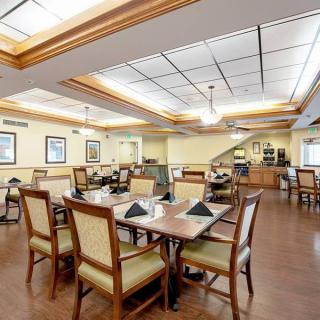
 Dining room
 Fitness room
 Fully furnished
 Gaming room
 Garden
 Housekeeping services
 Indoor common areas
 Kitchenette
 Move-in coordination
 Outdoor space
 Private bathrooms
 Restaurant-style dining
 Small library
 Telephone
 Wellness center
 Wi-Fi/high-speed internet available
 Community operated transportation
 24-hour call system
 Ambulatory care
 Assistance with bathing
 Assistance with dressing
 Assistance with transfers
 Diabetes diet
 Diabetic care
 Medication management
 Special dietary restrictions
 Concierge services
 Planned day trips
 Comprehensive Insights into Activities of Daily Living (ADLs) and Their Assessment
 Medicare Coverage for Assisted Living: An In-Depth Exploration
 Choosing the Right Senior Care: A Detailed Exploration of Assisted Living and Nursing Homes