For more information about senior living options: (866) 208-4318
4 from 27 reviews
5 stars
18
4 stars
2
3 stars
0
2 stars
3
1 stars
4
Overall Review of Johnson County Healthcare Center
differentiator2 reviews mention this
Around-the-clock medical access
Residents describe care that’s available through nights and weekends, matching the facility’s 24-hour supervision approach.
Multiple reviews mention seeking urgent help in the middle of the night and being treated promptly by a night nurse and physician team. The community’s care services also include 24-hour call and 24-hour supervision support, aligning with those resident experiences.
common16 reviews mention this
Staff compassion stands out
Many reviews highlight compassionate, attentive care from nurses and doctors throughout ER and clinic visits.
Across reviews, residents describe nurses and physicians as kind, friendly, and focused on patient comfort and understanding. Several families thank the staff for taking time to explain options, guide decisions, and make stressful visits feel more manageable. Others specifically call out knowledgeable, attentive clinicians and a “treats you like family” experience in the ER setting.
caveat4 reviews mention this
Billing and cost concerns recur
Some residents report billing surprises and high charges that undermined an otherwise serious medical visit.
A recurring complaint is cost: multiple reviews describe situations where they felt charged excessively for limited time or services, including reports of large ER bills. There are also concerns about billing department handling, including claims that insurance was not handled as expected and led to unexpected balances. Even where medical care is described positively, these reviews frequently frame the billing experience as the main problem.
common2 reviews mention this
Facility feels clean and welcoming
Several residents describe the building as clean and welcoming during their medical visits.
Some reviews specifically mention a clean environment and a welcoming feel. Others also describe the overall facility positively alongside the care team, reinforcing that the physical setting leaves a good impression for at least some visitors.
How we summarize
Counts show how many written reviews mention each theme; a review can touch several themes, and only frequently mentioned themes are displayed.
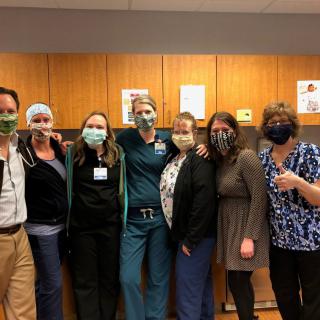
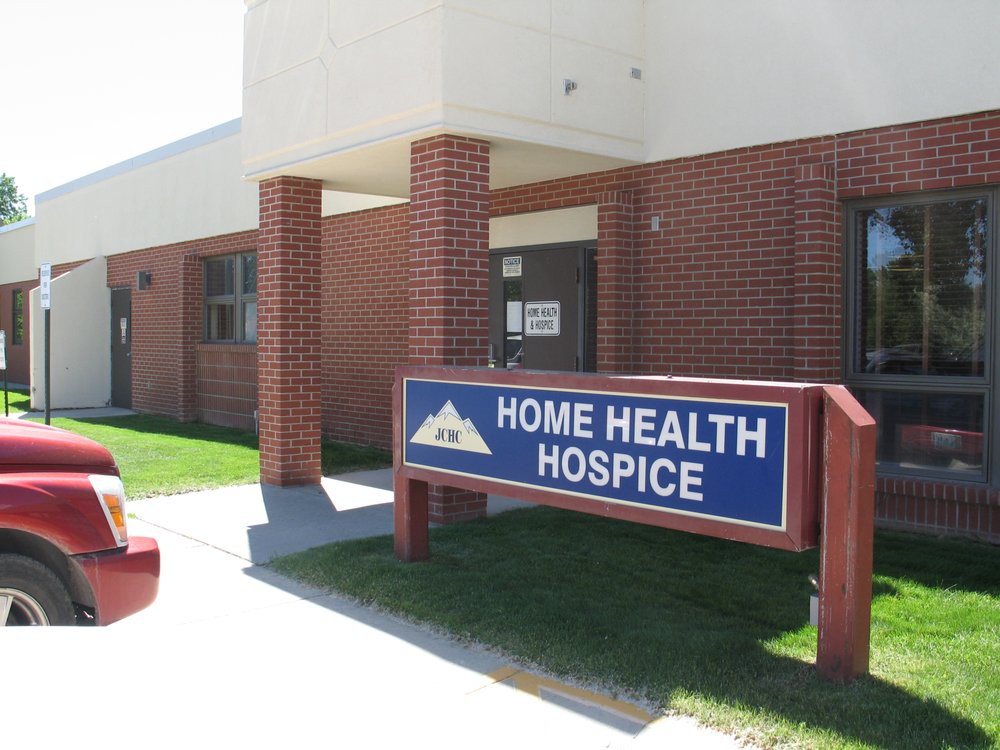
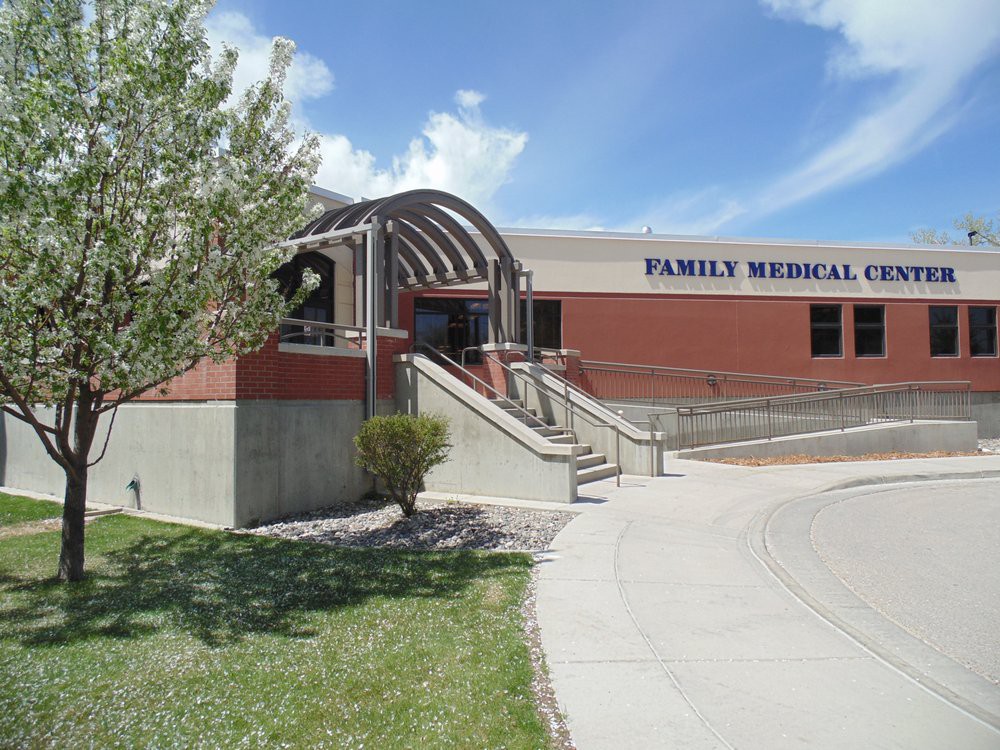
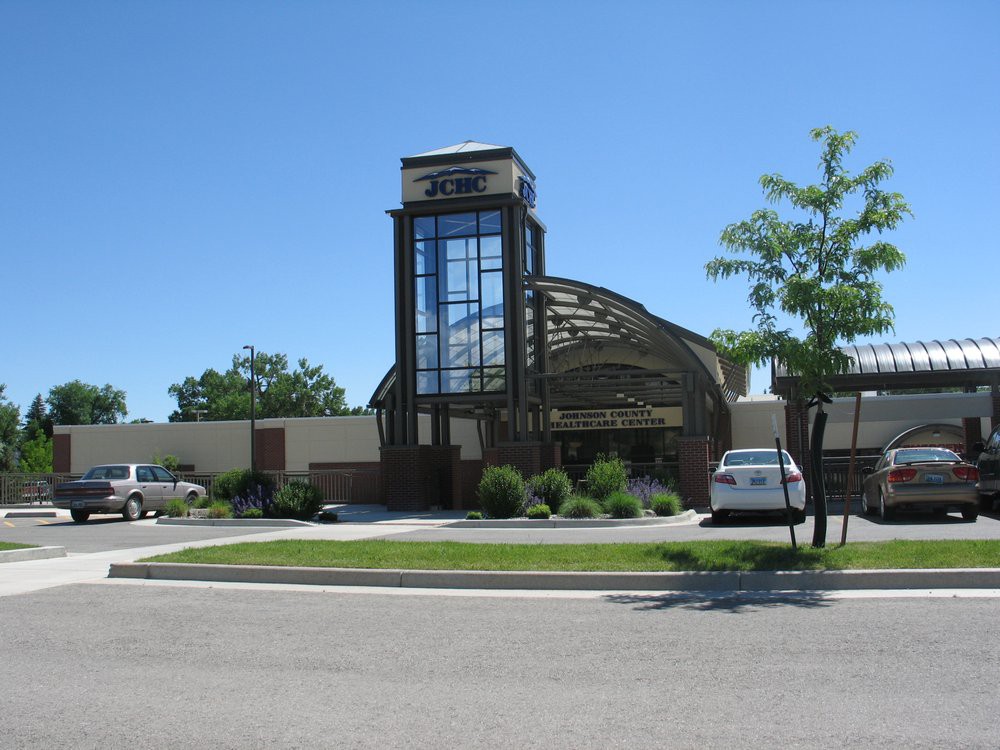
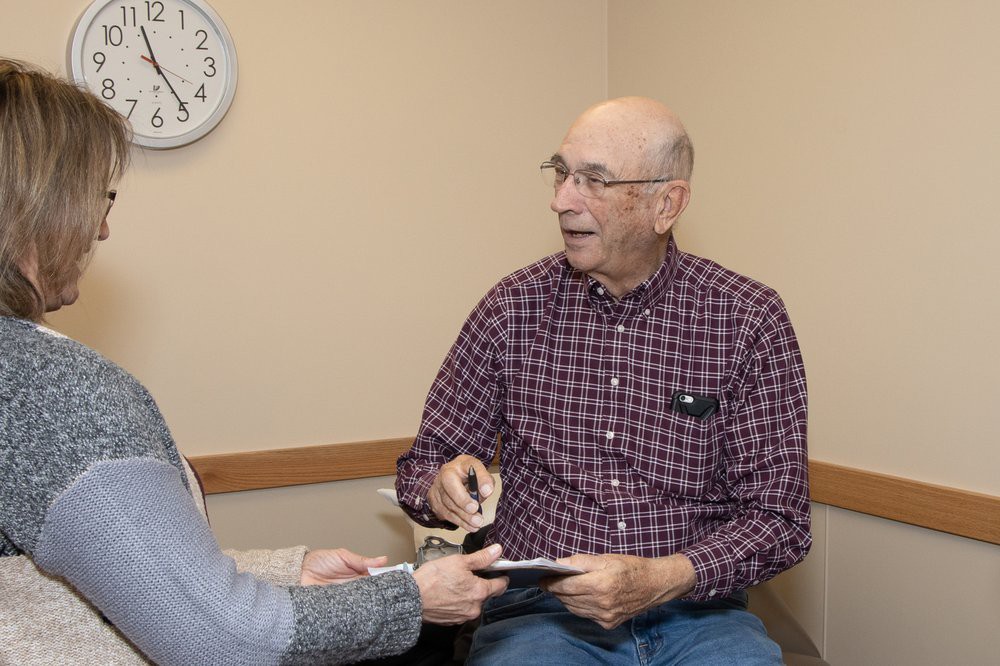
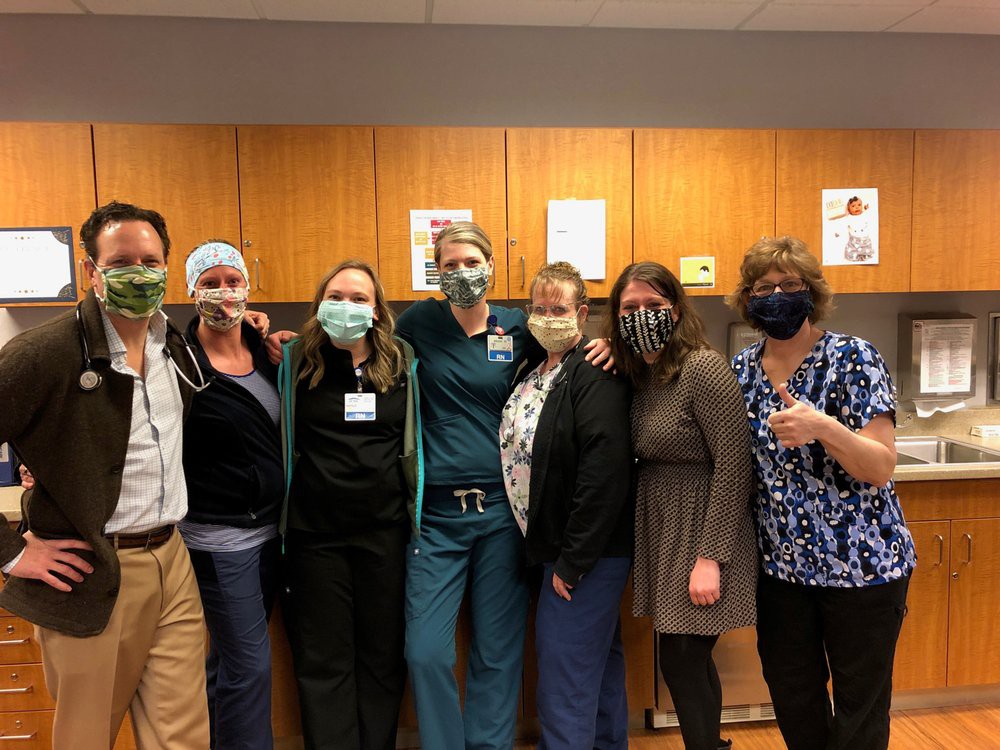
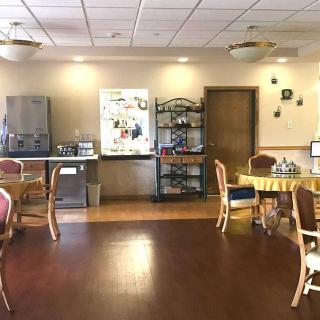
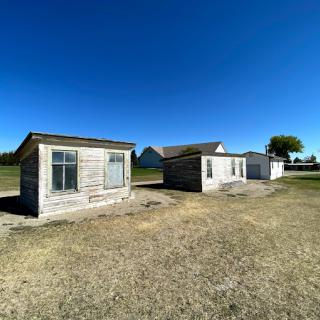
Johnson County Healthcare Center on seniors.fyi includes 9 photos including images showing building, healthcare, architecture, exterior, interior, grass, trees, modern architecture, and more.
Nearby Communities
Johnson County Healthcare Center Home Health Agency
Buffalo, WY
Small, intimate 21-bed community with 24/7 supervision and comprehensive care.
Willow Creek Homes of Buffalo
Buffalo, WY
4.5 from 2 reviews
$3,900 / month
Professional, caring staff with flexible dining options
Clear Creek Apartments
Buffalo, WY
Great access to nearby dining, healthcare, worship, and entertainment.
Sharon's Home Health Big Horn Division
Buffalo, WY
2.3 from 3 reviews
24-hour supervision with coordinated care and tailored meals.
Buffalo Senior Center
Buffalo, WY
4.6 from 20 reviews
24/7 supervision with ADL support and extensive on-site amenities.
Agape Manor
Buffalo, WY
$3,400 to $5,100 / month
Competitive Johnson County pricing with fully furnished independent living and ample activities.
Veterans' Home of Wyoming
Buffalo, WY
4.5 from 8 reviews
Veteran-focused assisted living with 24/7 supervision and on-site amenities.
Cascades of Sugarland Ridge
Sheridan, WY
4.7 from 15 reviews
$3,880 to $5,395 / month
Friendly staff in a warm, homey environment with good meals and engaging activities.
The guide outlines the complexities of Medicaid coverage for assisted living, highlighting significant state-to-state variations, limited coverage often restricted to personal care services, and the existence of specialized waivers for certain needs like memory care. It advises families to consult local Medicaid offices for options while emphasizing the importance of understanding state-specific regulations and facility policies.
Medicaid coverage for assisted living varies by state and is primarily available to low-income individuals, with eligibility dependent on strict income and asset limits. Some states offer HCBS waivers for specific services in assisted living, but families must generally cover room and board costs, and should verify facility acceptance of Medicaid while considering potential waiting lists.
Medicaid waivers for assisted living services provide vital support for seniors and individuals with disabilities in need of long-term care, with varying state-specific eligibility criteria and benefits. These waivers cover personal care and case management but often do not fully cover room and board, leading to waiting lists for many applicants.
Get PricingAsk A QuestionSchedule A TourContact Senior Advisor
By clicking submit, you agree to our Partner's Terms of Use. You
also consent to receive calls and texts, which may be autodialed, from our Partner. Your consent is not a condition to
using our Partner's service. Please visit our Partner's Privacy Policy for information about their privacy practices.



 44 resident community capacity
 Assisted Living
 Skilled Nursing Facility
 Beauty salon
 Cable or satellite TV
 Dining room
 Fully furnished
 Garden
 Housekeeping services
 Kitchenette
 Move-in coordination
 Outdoor space
 Telephone
 Wi-Fi/high-speed internet available
 24-hour call system
 Activities of daily living assistance
 Assistance with bathing
 Assistance with dressing
 Assistance with transfers
 Diabetes diet
 Meal preparation and service
 Medication management
 Mental wellness program
 Special dietary restrictions
 Transportation arrangement (medical)
 Transportation to doctors appointments
 Small, intimate 21-bed community with 24/7 supervision and comprehensive care.

 Understanding Medicaid Coverage for Assisted Living: A Comprehensive Guide
 How and When Medicaid May Cover Assisted Living Costs
 A Detailed Exploration of Assisted Living Medicaid Waivers Across the United States