



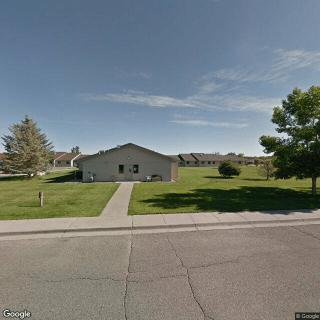
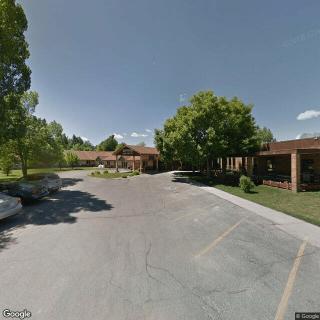
1002 Forest Drive, Riverton, WY 82501
For more information about senior living options: (866) 208-4318

Wind River Rehabilitation And Wellness Costs & Pricing
Wind River Rehabilitation and Wellness offers private room accommodations at a monthly cost of $4,300, aligning with the rates seen in Fremont County. This price reflects the local standard for similar facilities; however, it is notably higher than the statewide average in Wyoming, which is $3,513 for private rooms. This positioning suggests that while Wind River may provide exceptional care and amenities justifying their pricing, potential clients should consider the broader context of costs within both the county and state when evaluating their options for rehabilitation services.
| Floor plans | Wind River Rehabilitation And Wellness | Fremont County | Wyoming |
|---|---|---|---|
| Private | $4,300 | $4,300 | $3,513 |
Overall Review of Wind River Rehabilitation And Wellness
Pros
 The CNAs Chris, Cheyenne, Aspen, and Tori brighten the resident’s stay.
- Tori was very caring toward the resident.
- Nurse Brenda and Amber are greatly appreciated for their care.
- The facility is fantastic for rehab, with exceptional food, activities, and therapy.
- The staff are very friendly and consistently willing to help.
- The facility is close to home with kind, knowledgeable staff.
- The staff work well together to meet residents’ needs.
- It is the best nursing home in the county.
Cons
 A nurse was described as unprofessional, with the grandpa saying they were mean and poking him, suggesting biased care.
- Some staff are not pleasant or caring and they don’t answer phones or return calls.
- Belongings get lost or stolen, and those found sit on management’s desk.
- There is a severe lack of communication between nursing staff, management and the doctor.
- Pain medication protocols prescribed by the doctor were not followed.
- End-of-life care was described as inadequate, with the mother suffering and not receiving adequate pain relief.
- The assigned doctor (Dr Turner) was criticized for lacking care and compassion, with a claim she should change specialties and that she “doesn’t even get one star.”
- Management and staff were described as nonprofessional for publicly threatening someone on social media.
- The review states that the mother’s experience was overall pretty unhappy.
Review
Wind River Rehabilitation and Wellness in Riverton is best suited for families seeking a rehab-centric setting where skilled nursing and hands-on CNAs deliver practical, day-to-day support. This community shines for residents who need focused physical therapy, daily assistance, and a warm, home-like environment close to home. It is less ideal for those prioritizing flawless medical coordination, consistent physician oversight, and airtight communication between administration, nursing, and doctors. In short, the facility earns its value when rehab and personal attentiveness are the priority, not when seamless medical governance is the core expectation.
On the plus side, the standout strengths center on rehab quality and staffing dedication. Families report exceptional therapy, along with robust activity programming and dining that supports morale and engagement. The CNAs and nurses frequently appear committed, with numerous resident relationships highlighted as compassionate and attentive. The near-by location and the genuine warmth of the staff contribute to a sense of security for residents who thrive in a nurturing, hands-on environment. Positive testimonials about specific caregivers reinforce the sense that excellent, attentive care is possible and real.
However, the strong rehab and interpersonal warmth do not erase serious cautions. Several reviews flag inconsistent medical oversight, with complaints about the assigned doctor’s responsiveness and a lack of timely medical action. Pain management and timely PT referral emerge as persistent concerns in some accounts, including troubling narratives about weight loss and delayed interventions. Communication gaps between nursing, management, and physicians undermine the resident experience and can leave families feeling uncertain about a loved one’s care trajectory. Add to this the mixed behavior some staff exhibit and the reality that administrative and operational lapses (lost belongings, unreturned calls, and even public threats) can color the overall impression.
The key pro, excellent rehab services and genuine staff warmth, offsets only partially against the main cons. When therapy goals align and staff respond quickly to daily needs, residents can make meaningful progress and enjoy a more positive daily life. Yet the medical coordination gap remains a meaningful constraint: it can undercut rehab momentum if doctors hesitate to order necessary therapy or fail to follow through on pain control and evaluation. The strong point of near-continual warmth from many aides does soften the impact of some administrative friction, but it cannot fully compensate for a care plan that appears inconsistently executed at the medical level or for systemic communication failures that leave families feeling out of the loop.
For families evaluating options, this community is a strong fit for those who value rehab outcomes and personal, attentive caregiving and who can tolerate a degree of variability in medical oversight. Those who require unwavering, transparent medical governance, rapid response to phone calls, reliable pain management protocols, and consistently coordinated care should consider alternatives. If a loved one depends on steady physician involvement, predictable care decisions, and a therapy-driven approach with fewer administrative friction points, it may be prudent to explore other options that emphasize clinical governance and care coordination as a primary pillar.
Practical next steps for prospective residents and their families are clear. Schedule a tour focused on conversations with the director of therapy and the primary physician assignment to understand how changes in doctors are handled and how care plans get updated. Ask for a transparent timeline on weight, nutrition, and PT referrals, and request a dedicated family liaison who can monitor daily communication. Probe specifics on pain management protocols, post-therapy follow-up, and how staff notes are shared with families. Finally, insist on witnessing a care plan meeting that includes the resident’s goals and a clearly defined escalation path for concerns. When these elements align, Wind River can be a dependable, effective option for rehabilitation-driven living close to home.
 81 resident community capacity
 Assisted Living
 Memory Care
 Skilled Nursing Facility
 Air-conditioning
 Beauty salon
 Cable or satellite TV
 Computer center
 Dining room
 Fitness room
 Fully furnished
 Gaming room
 Garden
 Housekeeping services
 Kitchenette
 Move-in coordination
 Outdoor space
 Private
 Private bathrooms
 Restaurant-style dining
 Small library
 Telephone
 Wellness center
 Wi-Fi/high-speed internet available
 Community operated transportation
 24-hour call system
 Activities of daily living assistance
 Assistance with bathing
 Assistance with dressing
 Assistance with transfers
 Diabetes diet
 Medication management
 Special dietary restrictions
 Concierge services
 Planned day trips

 Nourishing the Mind: Essential Dietary Approaches for Dementia
 Understanding Dementia Behaviors: Practical Insights and Strategies for Caregivers
 When Dementia Sparks Anger and Aggression: Understanding the Connection and Ways to Cope