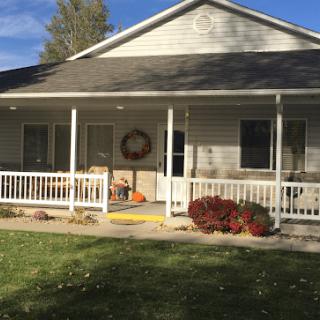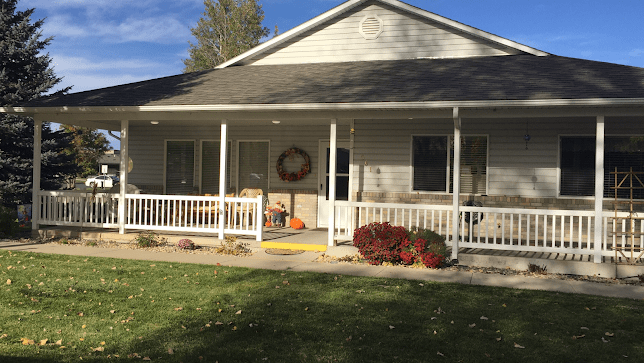
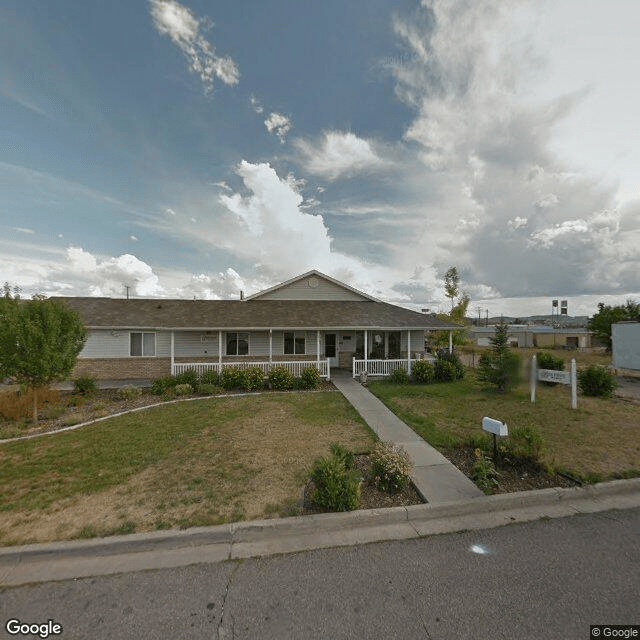
1949 West Uinta St, Evanston, WY 82930
To contact a resident: (307) 444-4483
For more information about senior living options: (866) 208-4318
Willow Creek of Evanston Costs & Pricing
Willow Creek of Evanston offers competitive pricing for its residential accommodations, with monthly costs reflecting both the local county and state averages. For a studio apartment, residents can expect to pay $3,900, which aligns with the overall rate in Uinta County but exceeds the average state cost of $3,322. Similarly, a 1-bedroom unit is priced at $4,150 - again matching Uinta County's rate while being higher than Wyoming's state average of $3,890. This pricing structure highlights Willow Creek as a premium option within the region, potentially reflecting enhanced amenities or services that differentiate it from other facilities in Wyoming.
| Floor plans | Willow Creek of Evanston | Uinta County | Wyoming |
|---|---|---|---|
| Studio | $3,900 | $3,900 | $3,322 |
| 1 Bedroom | $4,150 | $4,150 | $3,890 |
Overall Review of Willow Creek of Evanston
Pros
 It is described as a warm and caring home for its residents.
- The family that owns the home strives to be the best in the business.
- The staff and the new manager are amazing with the residents and meet all their needs.
- The facility has undergone a remarkable remodel, including improvements to the staff.
- Reviewers would definitely recommend Beehive of Evanston for loved ones in need.
Cons
 The facility is an absolute joke.
- The care provided is horrible.
- They kicked her out to live in a hotel, knowing she couldn't take care of herself.
- They don't take care of patients.
- They lose patients as well.
- The reviewer would not recommend this facility to family or friends.
- The reviewer gave it no stars.
Review
Willow Creek of Evanston in Evanston, Wyoming, is best suited for families seeking a small, family-owned, home-like assisted living option where staff know residents well and care is delivered with a personal touch. This community shines for residents who don’t require high-acuity medical management and who respond well to a warmly staffed environment where caregivers appear genuinely invested in daily quality of life. It’s a fit for families prioritizing warmth, continuity, and direct access to leadership that can be accountable to residents’ routines and preferences. Those seeking a clinical, high-acuity setting or highly specialized memory-care programs may want to look at larger operators with dedicated dementia units and more formalized medical protocols.
On the upside, Willow Creek has rebuilt much of its appeal around a refreshed team and a more hands-on leadership presence. Reviewers repeatedly note a remarkable remodel and an overhaul of staff that has brought a new manager who is described as amazing with residents and attentive to their needs. The sense of a family-owned business striving to do right by residents remains a driving force, and the sentiment among recent observers is that the facility has pivoted toward a higher standard of daily care. In practical terms, this translates into more consistent interactions, clearer communication, and visible caretaker engagement during routines like meals, activities, and personal care. Overall ratings reflect a positive trajectory, with multiple five-star endorsements and a credible sense that the operation is headed in a stronger direction.
Yet, risk is real, and a critical voice cannot be dismissed. One reviewer delivered a scathing account, alleging neglect and improper discharge when a parent with Huntington’s disease could not be self-supported. The report asserts that staff and management were aware of the disease’s progression at admission, yet the resident ended up displaced to a hotel and reportedly received inadequate care afterward. While this is a single, outlier voice in a slate of favorable comments, it cannot be ignored. It highlights the possibility that care quality may fluctuate and that high-needs conditions demand not only a caring staff but robust processes for crisis management, care planning, and appropriate placement. For families evaluating Willow Creek, this represents the most concrete caveat: the facility’s current strength is visible in tone and daily practice, but high-acuity needs warrant rigorous verification.
That tension between strong staff warmth and the risk of inconsistent outcomes in complex cases is precisely why the pros must offset the cons with deliberate diligence. The remodel and leadership change are meaningful, suggesting a renewed commitment to resident well-being and accountability. The intimate, owner-attended environment can translate into quicker responsiveness and deeper familiarity with each resident’s routines, preferences, and fallbacks. However, potential residents with Huntington’s or rapidly deteriorating dementia require evidence of steady, advanced dementia care protocols, stable caregiver-to-resident ratios, and clear escalation procedures. Families should seek concrete assurances: ask for current staffing levels by shift, review care plans, request examples of how they manage aggressive behaviors or sudden health changes, and request recent references from families with residents who have similar medical needs.
Alternatives deserve consideration for anyone prioritizing high-level medical stability or secure memory-care programming. If a resident requires a formalized memory-care unit, enhanced monitoring, or access to specialized dementia therapies, larger facilities with established memory units may offer more predictable operations. Likewise, for families whose loved one is transitioning from a hospitalized condition or needs consistent 24-hour nursing oversight, a community with a clearly defined medical model could reduce risk. Willow Creek’s value proposition rests on personal attention, a refreshed atmosphere, and accountable leadership; the decision hinges on whether that footprint aligns with the resident’s current and anticipated medical trajectory.
In the end, Willow Creek of Evanston stands out as a compelling option for families seeking a warm, operator-led, home-like setting that has recently addressed staffing and leadership gaps. It is less compelling for those whose loved one carries high-acuity needs or a progressive neurodegenerative condition requiring rigorous, specialized care. The prudent path is to conduct a thorough on-site evaluation, meet the manager, tour the entire community, and probe for evidence of stable staffing, detailed care plans, and proven crisis-management procedures. When those assurances exist and the resident’s care goals align with a personable, intimate setting, Willow Creek can deliver the kind of engaged, attentive daily experience families are after.
 Assisted Living
 Memory Care
 Activities on-site
 Cable or satellite TV
 Devotional services off-site
 Indoor common areas
 Respite or short term stays offered
 Wheelchair accessible showers
 Wi-Fi/high-speed internet available
 Ambulatory care
 Diabetic care
 Medication management
 Low / no sodium
 Brain fitness
 Forever fit
 Live dance or theater performances
 Live musical performances
 Stretching classes
 Trivia games
 Wii bowling


 Five Subtle Dementia Indicators to Observe: An In-Depth Guide to Understanding “Does My Mom Have Dementia?”
 Dementia, Paranoia, and Caregiver Guidance: Understanding the Connection
 Engaging Memory Care Activities That Enhance Quality of Life