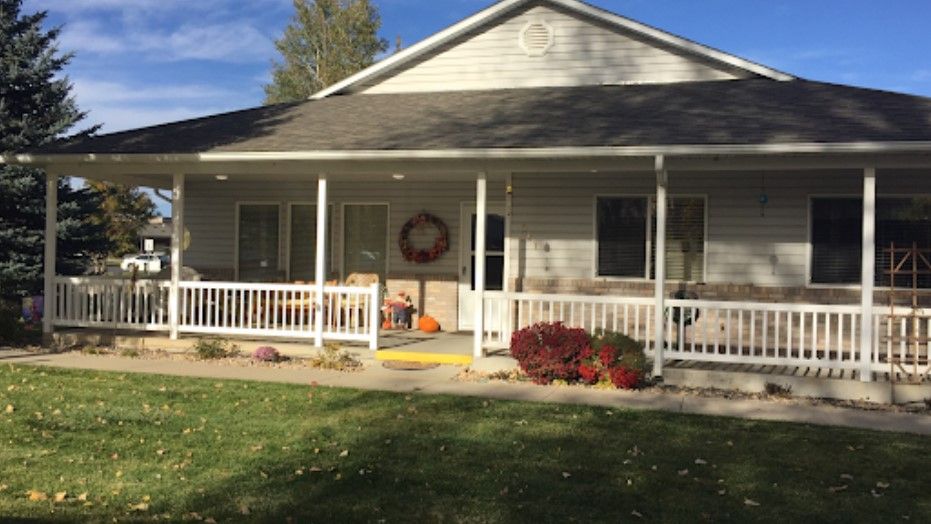
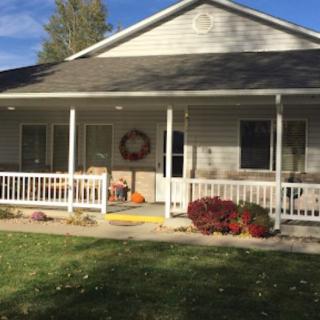
Willow Creek Homes of Evanston

Save
Willow Creek Homes of Evanston

Willow Creek Homes of Evanston

1949 West Uinta Street, Evanston, WY 82930

For more information about senior living options: (844) 490-3973

3.7 from 3 reviews
5 stars
2
4 stars
0
3 stars
0
2 stars
0
1 stars
1

Assisted Living

What level of care are you interested in?

Assisted Living

Memory Care

Independent Living

Skilled Nursing Facility

Continuing Care Retirement Community (CCRC)CCRC

Other


Request a tour at Willow Creek Homes of Evanston

    Overall Review of Willow Creek Homes of Evanston

    Pros

    • pro Beehive of Evanston has had a remarkable remodel of its staff.
    • pro The new manager is amazing with the residents and their needs.
    • pro The reviewer would definitely recommend Beehive of Evanston.

    Cons

    • pro The reviewer calls the facility "an absolute joke" and says the care is horrible.
    • pro They claim the staff knew she had Huntington's disease when she was admitted, and that the disease progresses quickly.
    • pro They state she was kicked out to live in a hotel despite being unable to care for herself.
    • pro They assert the facility does not take care of patients and even loses them.
    • pro They say they would not recommend this facility to family or friends and would give it zero stars.

    Review

    Beholden to a facility that has recently undergone a substantial transformation, Beehive of Evanston presents a case study in how care environments can polarize opinions even within a single community. On one hand, the recent remodel and the leadership choices appear to have reinvigorated the place in the eyes of some families. A reviewer notes a remarkable refresh of the staff and a new manager who seems to connect exceptionally well with residents. The emphasis is on a whole-team overhaul, suggesting that the changes touched every level of operation. For this observer, the effect is unequivocally positive: the improvements to staff performance and resident attention have altered the facility's reputation for the better, and the reviewer explicitly states that they would recommend Beehive of Evanston if their own parents or grandparents were in need of care. The tone here is hopeful, almost celebratory, focusing on the potential for quality care when leadership and staff bring renewed vigor to their roles.

    In this positive account, the new management is singled out as a key driver of better outcomes. The reviewer describes the manager as "amazing with the residents," a phrase that underscores not just competency but a valued relational skill in elder care. The implication is that strong leadership, coupled with a refreshed staff, translates into a more attentive, responsive, and respectful living environment for those who call the facility home. The praise extends to the overall staff overhaul, suggesting a culture shift that has made a tangible difference in daily life for residents. For families weighing options, this perspective offers a narrative of hope: with the right leadership and a committed team, a care facility can reinvent itself and earn trust back from its community.

    By contrast, another perspective at Beehive of Evanston presents a markedly harsher experience, rooted in a deeply personal confrontation with care standards. Corene Marie Cox provides a starkly negative view, labeling the place "an absolute joke." The specifics of her account center on her mother-in-law, who suffered from Huntington's disease and was in residence for more than a year. Cox asserts that the facility was aware of her relative's Huntington's upon admission and emphasizes that the disease is one that progresses quickly, adding a layer of urgency and vulnerability to the care needs involved. The accusation here is not merely that care was subpar, but that critical information about the patient's condition was acknowledged from the outset and yet not adequately addressed in practice.

    The most troubling element of Cox's narrative is the discharge decision. She claims that her mother-in-law was recently kicked out to live in a hotel, a step Cox describes as inappropriate given the patient's inability to care for herself. This action is framed as a grave misjudgment that reflects poorly on the facility's discharge policies and its recognition of residents' ongoing needs. The language used - calling the care "horrible," stating that they "lose" patients, and offering no stars - conveys a deep, emotional sense of betrayal and fear about safety, dignity, and the continuity of care. Cox's account closes with a firm verdict of not recommending the facility to others, underscoring how a single disheartening experience can eclipse prior positive impressions from different families or moments in time.

    Together, these two reviews sketch a complex portrait of Beehive of Evanston. They highlight how staff development, leadership, and systemic reform can yield bright spots in a community's experience, and equally illustrate how individual cases - especially those involving progressive, demanding conditions like Huntington's disease - can reveal serious gaps. The positive review speaks to the potential for transformation when a facility commits to strong management and comprehensive staff improvement, painting a hopeful scenario for families seeking quality, compassionate care. The negative review presents a counterpoint, portraying a scenario where information about a patient's condition was not translated into safe, appropriate care, culminating in a discharge decision that the reviewer finds reckless and unacceptable.

    What emerges from these perspectives is a nuanced message about navigating long-term care options. A facility can undergo meaningful changes that enhance resident well-being and confidence among some families, while simultaneously facing criticisms from others who encounter very different experiences - particularly when dealing with complex medical conditions that demand vigilant, personalized care. For prospective families, the takeaway is to seek out multiple sources of feedback, ask pointed questions about leadership, staff training, discharge protocols, and condition-specific care plans, and have candid discussions with the facility about how they would handle evolving needs. The stories here emphasize that care quality is not a static label; it is a lived experience that can vary widely across time, staff, and individual cases.

    In the end, Beehive of Evanston appears to offer aboarded slate of both promises and pitfalls. The facility's recent remodeling and refreshed leadership have the potential to elevate resident experience, at least in the eyes of some families who have noticed a tangible improvement. Yet, for others - particularly those facing the challenges of neurodegenerative diseases and the critical transitions that come with them - the care they received did not meet expectations, and the decision to discharge a vulnerable relative became a point of significant contention. This mixture of praise and grievance serves as a reminder that elder care is deeply personal and highly variable; what works well for one family may not work for another, and open, ongoing dialogue with care teams remains essential to aligning institutional capabilities with individual needs.

    Features

    Housing

    • 16 resident community capacity 16 resident community capacity

    Types of Care

    • Assisted Living Assisted LivingAssisted living facilities provide crucial support and care for seniors who may need help with daily tasks such as medication management, bathing, and meal preparation. These communities offer a safe and comfortable environment where seniors can maintain their independence while receiving the assistance they need to thrive in their golden years.

    Amenities

    • Cable or satellite TV Cable or satellite TVCable or satellite TV is important for seniors because it provides entertainment, news, and companionship, helping to combat loneliness and boredom. It also offers a wide range of programming options tailored to different interests and preferences.
    • Dining room Dining roomDining rooms are important for seniors as they provide a space for socialization, connection, and nutritious meals. They offer opportunities for residents to bond over shared meals, foster a sense of community, and promote healthy eating habits. Dining rooms also ensure that seniors have access to well-balanced meals tailored to their dietary needs and preferences.
    • Fully furnished Fully furnishedFully furnished senior living communities are important for seniors because they provide convenience, comfort, and a hassle-free moving experience. Seniors can easily settle into their new living space without the stress of having to buy and move furniture. This allows them to focus on enjoying their new home and community.
    • Garden GardenGardens are important for seniors as they provide a peaceful and therapeutic environment for relaxation, physical activity, and socialization. Being in nature has been shown to reduce stress, improve mood, and promote overall well-being. Gardens also offer opportunities for seniors to engage in gardening activities, which can improve mobility, flexibility, and cognitive function. Additionally, gardens create a sense of community and connection with others who share a passion for plants and outdoor spaces.
    • Housekeeping services Housekeeping servicesHousekeeping services are important for seniors because they help maintain a clean and safe living environment, promote independence, and reduce the risk of accidents or illnesses. Additionally, having assistance with household chores can alleviate physical strain and allow seniors to focus on other aspects of their well-being.
    • Move-in coordination Move-in coordinationMove-in coordination is important for seniors because it helps ease the transition into their new living environment. It ensures that all logistics, such as packing, organizing movers, and setting up utilities are taken care of, allowing seniors to focus on settling in and adjusting to their new home. Having a smooth move-in process can alleviate stress and anxiety, making the transition smoother and more enjoyable for seniors.
    • Outdoor space Outdoor spaceOutdoor spaces are important for seniors as they provide opportunities for physical activity, social interaction, exposure to natural light and fresh air, and a sense of connection to nature. Having access to outdoor spaces can improve overall well-being and quality of life for older adults living in senior communities.
    • Telephone TelephoneTelephones are important for seniors as they provide a lifeline for communication with loved ones, emergency services, and healthcare providers. They offer a sense of security and independence, enabling seniors to stay connected and access assistance when needed.
    • Wi-Fi/high-speed internet available Wi-Fi/high-speed internet availableWi-Fi/high-speed internet is important for seniors to stay connected with loved ones, access online resources, and participate in virtual activities to combat feelings of loneliness and isolation. It also allows them to easily manage healthcare needs, access entertainment, and engage in lifelong learning opportunities.

    Care Services

    • 24-hour supervision 24-hour supervision24-hour supervision is important for seniors to ensure their safety, well-being, and access to immediate assistance in case of emergencies or health issues. This constant support provides peace of mind for both seniors and their loved ones, allowing them to age in place with dignity and security.
    • Activities of daily living assistance Activities of daily living assistanceActivities of daily living assistance are important for seniors because they provide essential support with tasks such as eating, bathing, dressing, and mobility. This assistance helps seniors maintain their independence, dignity, and overall quality of life as they age.
    • Assistance with bathing Assistance with bathingAssistance with bathing is crucial for seniors as it helps maintain personal hygiene, prevents infections, and ensures their overall well-being and comfort. It also provides a sense of dignity and independence for seniors who may struggle with this task on their own.
    • Assistance with dressing Assistance with dressingAssistance with dressing is important for seniors because it helps maintain their independence, promotes personal hygiene, prevents accidents and injuries, and improves overall quality of life. This service ensures that seniors can continue to dress comfortably and confidently, despite any physical limitations they may have.
    • Assistance with transfers Assistance with transfersAssistance with transfers is crucial for seniors as it helps prevent falls and injuries, maintains their independence, and ensures they can safely navigate their living environment. It also provides peace of mind for both seniors and their loved ones.
    • Coordination with health care providers Coordination with health care providersCoordination with health care providers is crucial for seniors to ensure proper medical care, medication management, and overall well-being. This collaboration helps prevent overlapping treatments, track progress more effectively, and provide comprehensive support tailored to individual needs.
    • Diabetes diet Diabetes dietA diabetes diet is crucial for seniors as it helps manage blood sugar levels, reduce risks of complications, and improve overall health and well-being. By following a balanced and nutritious diet tailored to their specific needs, seniors can better control their diabetes and enhance their quality of life.
    • Meal preparation and service Meal preparation and serviceMeal preparation and service are crucial for seniors as they may have limited mobility or energy to cook nutritious meals. Having access to healthy and convenient food options can ensure they are getting the proper nutrition needed to maintain their overall health and well-being.
    • Medication management Medication managementMedication management is crucial for seniors to ensure they are taking the right medications at the correct dosages and times. This helps prevent adverse drug interactions, reduces the risk of medication errors, and promotes overall health and well-being. Proactive management also allows for adjustments as needed based on changing health conditions or new prescriptions.
    • Special dietary restrictions Special dietary restrictionsSpecial dietary restrictions are important for seniors because age-related changes in metabolism and health conditions can make it difficult for their bodies to process certain foods. By following a diet tailored to their specific needs, seniors can maintain their overall health and well-being, manage chronic conditions, and reduce the risk of complications such as malnutrition or food interactions with medications.
    • Transportation arrangement (medical) Transportation arrangement (medical)Transportation arrangements for medical purposes are essential for seniors as they may have difficulty driving themselves to appointments or accessing public transportation. Having reliable and safe transportation options ensures that seniors can receive timely medical care and maintain their health and well-being.
    • Transportation to doctors appointments Transportation to doctors appointmentsTransportation to doctors' appointments is crucial for seniors as it ensures they have access to necessary medical care and support for their health needs. Without reliable transportation, seniors may struggle to attend important appointments, leading to potential delays in treatment and health complications. Providing transportation services helps seniors maintain their overall well-being and quality of life.
    Dining

    • Diabetes diet Diabetes dietA diabetes diet is crucial for seniors as it helps manage blood sugar levels, reduce risks of complications, and improve overall health and well-being. By following a balanced and nutritious diet tailored to their specific needs, seniors can better control their diabetes and enhance their quality of life.
    • Special dietary restrictions Special dietary restrictionsSpecial dietary restrictions are important for seniors because age-related changes in metabolism and health conditions can make it difficult for their bodies to process certain foods. By following a diet tailored to their specific needs, seniors can maintain their overall health and well-being, manage chronic conditions, and reduce the risk of complications such as malnutrition or food interactions with medications.

    Activities

    • Community-sponsored activities Community-sponsored activitiesCommunity-sponsored activities are important for seniors as they provide opportunities for social interaction, mental stimulation, and physical activity. These activities can help improve overall well-being, combat loneliness and isolation, and promote a sense of belonging and purpose among older adults.
    • Scheduled daily activities Scheduled daily activitiesScheduled daily activities are important for seniors because they provide structure, socialization, mental stimulation, and physical activity. Engaging in regular activities can improve overall well-being and quality of life for seniors living in a community setting.

    Description

    Willow Creek Homes of Evanston in Evanston, WY is an assisted living community that offers a wide range of amenities and care services to ensure the comfort and well-being of its residents. The community features a dining room where residents can enjoy delicious meals prepared by professional chefs, and all accommodations are fully furnished for convenience.

    Residents can take advantage of the beautiful garden and outdoor spaces to relax and spend time outdoors. Housekeeping services are provided to maintain a clean and organized living environment, while move-in coordination is available to assist new residents with a smooth transition into their new home.

    Telephone and Wi-Fi/high-speed internet services are also provided, allowing residents to stay connected with loved ones and browse the internet at their convenience.

    Care services at Willow Creek Homes of Evanston include assistance with activities of daily living such as bathing, dressing, and transfers. The community also coordinates with health care providers to ensure that residents receive the appropriate medical attention when needed. Medication management is available to help residents stay on top of their medication schedules.

    Special dietary needs are accommodated, including diabetes diets and other dietary restrictions. The staff is committed to meal preparation and service to ensure that residents receive nutritious meals that meet their individual needs.

    Transportation arrangement for medical appointments as well as transportation to doctors' appointments is provided for convenience. Scheduled daily activities keep residents engaged and entertained, contributing to an active lifestyle within the community.

    The community benefits from its proximity to various facilities in the area. With 6 cafes, 5 parks, 3 pharmacies, 9 physicians, 11 restaurants, 3 transportation options, 14 places of worship nearby, as well as theaters and hospitals in close proximity, residents have easy access to a variety of amenities and services outside the community.

    Overall, Willow Creek Homes of Evanston offers a comfortable and supportive environment for seniors looking for assisted living options in Evanston, WY.

    Nearby Places of Interest

    Restaurants

    • Subway (0.1 miles)
    • Ichiban Japanese Steak (0.1 miles)
    • Lincoln Highway Tavern (0.2 miles)
    • Char Grill (0.3 miles)
    • Suds Brothers (0.6 miles)
    • Knights Inn Evanston & Cattle Company Steakhouse (0.7 miles)
    • R&R Station (0.7 miles)

    Cafes

    • Jilly Beanz Coffee and Soda Shop (0.1 miles)
    • Caffeinated Cowboy Coffee & Soda (0.1 miles)
    • Daylight Donuts (0.3 miles)
    • Ana's On Main St (0.6 miles)
    • For Petes Sake (0.7 miles)
    • Serendipity Coffee Shop (0.7 miles)

    Parks

    • Anderson Park (0.3 miles)
    • Evanston Skate Park (0.7 miles)
    • ottley Park (0.8 miles)
    • Centennial Park (0.9 miles)
    • Bear River Greenway (0.9 miles)

    Places of Worship

    • Church of Jesus Christ of Latter Day Saints (0.3 miles)
    • Church at the Roundhouse (0.5 miles)
    • Evanston Calvary (0.5 miles)
    • St Paul's Episcopal Church (0.5 miles)
    • St Mary Magdalen Catholic Church (0.6 miles)
    • Evanston Baptist Church (0.7 miles)
    • Aspen Groves Southern Baptist (0.8 miles)

    Theaters

    • Strand Theatre (0.6 miles)

    Pharmacies

    • City Drug (0.6 miles)
    • Smith's Food & Drug (0.8 miles)
    • Walmart Pharmacy (1.2 miles)

    Transportation

    • Union Pacific Evanston (0.7 miles)
    • U-Haul Neighborhood Dealer (1 miles)
    • Evanston Regional Hospital Heliport (1.6 miles)

    Physicians

    • Evanston Community Health Center (0.9 miles)
    • Premier Surgical Center (1.6 miles)
    • Rocky Mountain Surgical (1.6 miles)
    • Evanston Ob/Gyn (1.7 miles)
    • Byrke Beller, MD (1.7 miles)
    • Pediatric & Adolescent Clinic (1.7 miles)
    • Shewell David V MD Evanston Emergency Physicians (1.8 miles)

    Hospitals

    • Wyoming State Hospital (1.6 miles)
    • Evanston Regional Hospital (1.7 miles)
    • Evanston Regional Hospital Imaging Center (1.7 miles)

    Frequently Asked Questions

    Where is Willow Creek Homes of Evanston?

    Nearby Communities

    Related Resources

    • assisted living insuranceAssisted Living Expenses and Long-Term Care Insurance: A Comprehensive Exploration

      The article discusses assisted living expenses, the importance of long-term care insurance in covering these costs, and various financing options, highlighting the need for careful policy review and early planning to address potential needs. It also clarifies common misconceptions about Medicare and private health insurance limitations regarding long-term care coverage.

    • how to pay for assisted livingSecuring Financial Support for Assisted Living: A Comprehensive Overview

      Assisted living facilities offer crucial support for older adults needing help with daily activities but come with varying and significant costs, which can be financed through personal savings, government assistance programs, long-term care insurance, and home equity options. Professional guidance from experts can aid families in navigating these financial complexities to establish a sustainable budgeting approach for assisted living services.

    • assisted living for seniors on social securitySocial Security Benefits and Assisted Living: Navigating Options Across the U.S.
      Assisted living costs often exceed Social Security benefits, necessitating a combination of funding sources like state aid and Medicaid. Understanding the interaction between Social Security programs and available financial support is essential for affording such care.


    Get Pricing Ask A Question Schedule A Tour Contact Senior Advisor