1950 South Beverly Street, Casper, WY 82609
For more information about senior living options: (866) 208-4318
Garden Square of Casper Costs & Pricing
Garden Square of Casper offers a competitive pricing structure for its studio apartments, with a monthly cost of $3,670. This rate is slightly above the average in Natrona County, which stands at $3,498 per month, and significantly higher than the state average of $3,322 for similar accommodations across Wyoming. While Garden Square's costs may reflect an elevated standard of service or amenities that set it apart from other options in the region, they also highlight the premium associated with quality care and community living. Prospective residents should consider these factors when weighing their choices against both local and statewide offerings.
| Floor plans | Garden Square of Casper | Natrona County | Wyoming |
|---|---|---|---|
| Studio | $3,670 | $3,498 | $3,322 |
Assisted Living communities with a similar price nearby
-
About the same
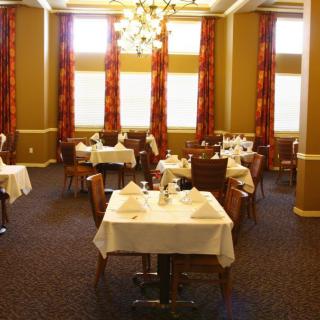
Mountain Plaza Assisted Living
$3,650 to $6,795 / month3.9 miles away -
from -$495 / mo
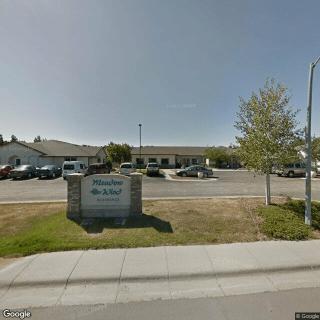
Meadow Wind Assisted Living
$3,175 to $3,655 / month1.3 miles away
Overall Review of Garden Square of Casper
Pros
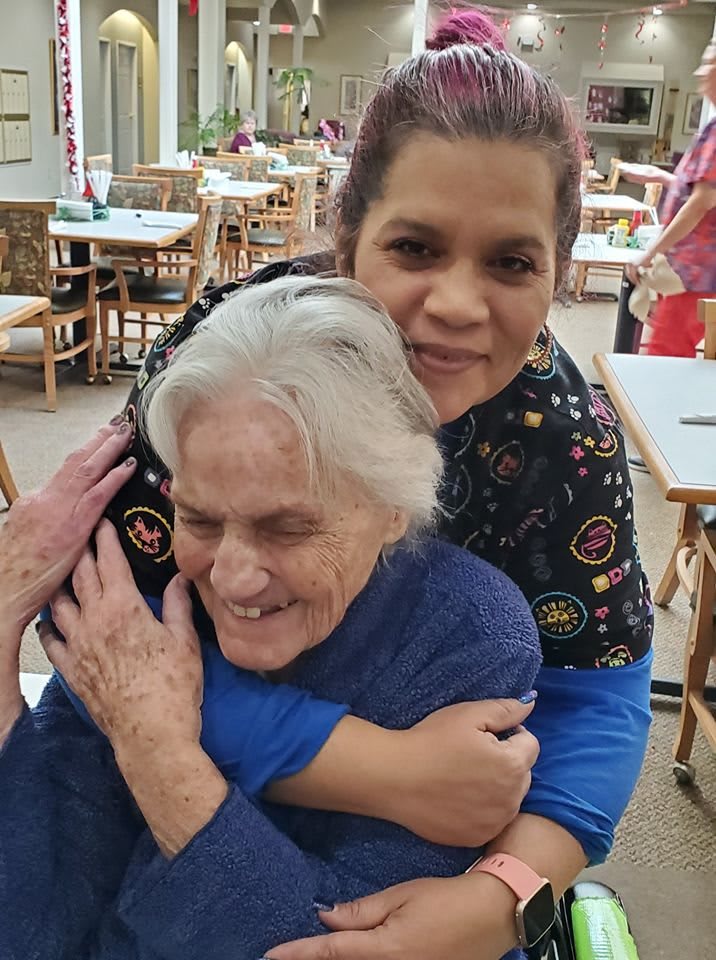
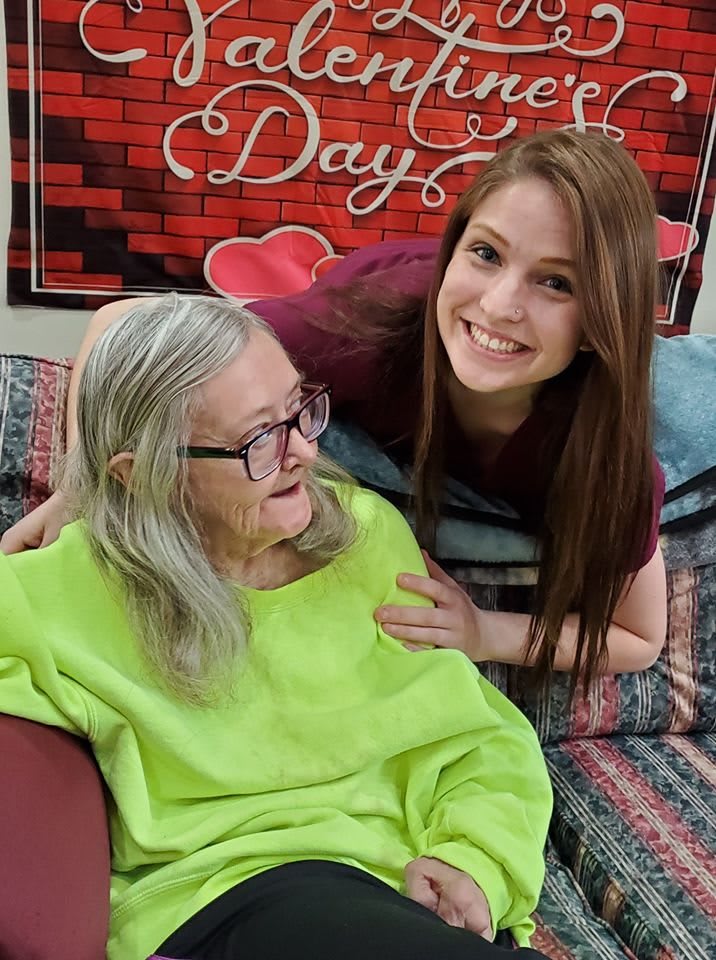
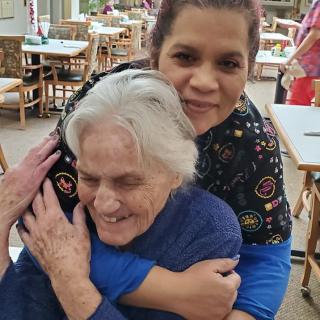
 The staff personalize care by getting to know each resident as an individual.
 - Garden Square feels like a family to residents and their loved ones.
- The facility is well-kept and offers a wide range of activities.
- The staff are friendly, helpful, and genuinely caring.
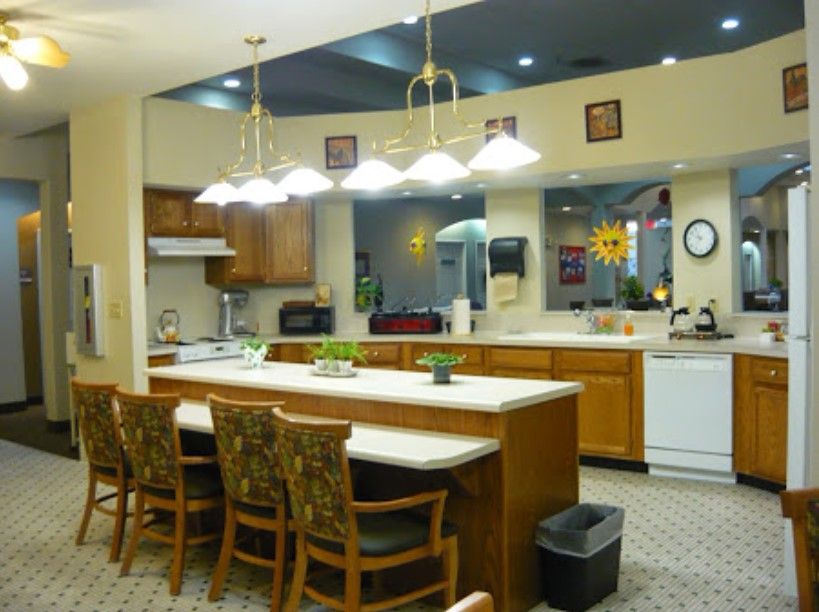
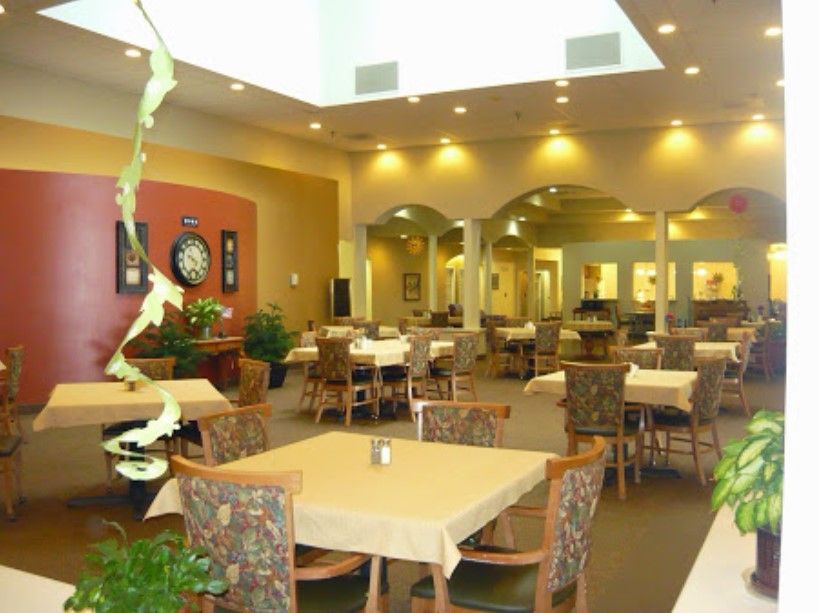
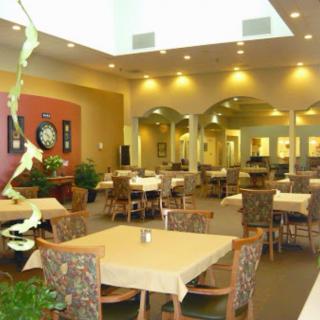
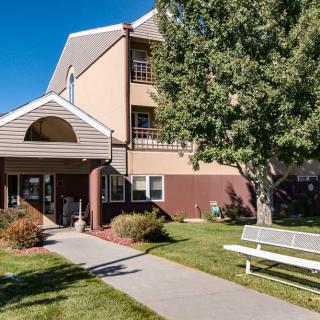
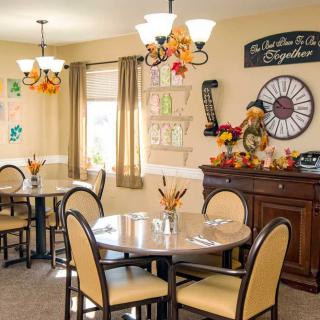
- The dining area and common spaces encourage socialization and community.
- The director and leadership are described as amazing and selfless.
- Family members are grateful and would recommend Garden Square to others.
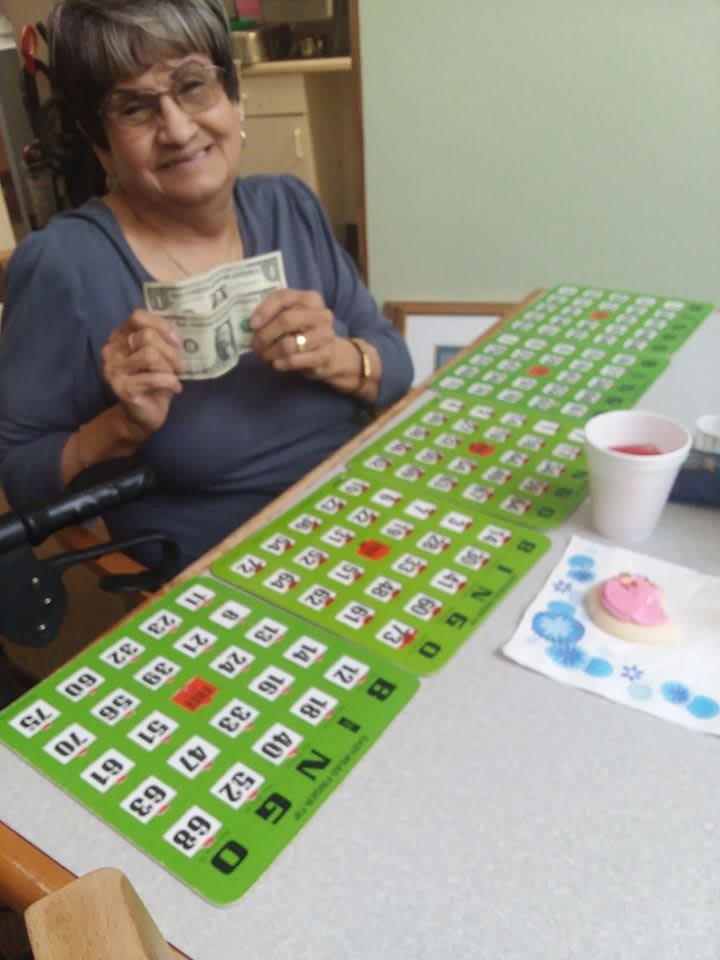
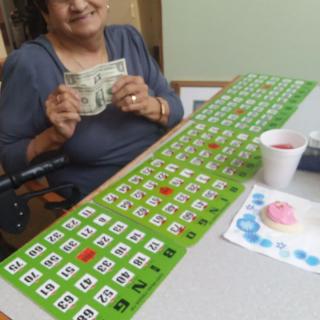
- Residents regularly participate in activities like bingo, bowling, puzzles, and outings.
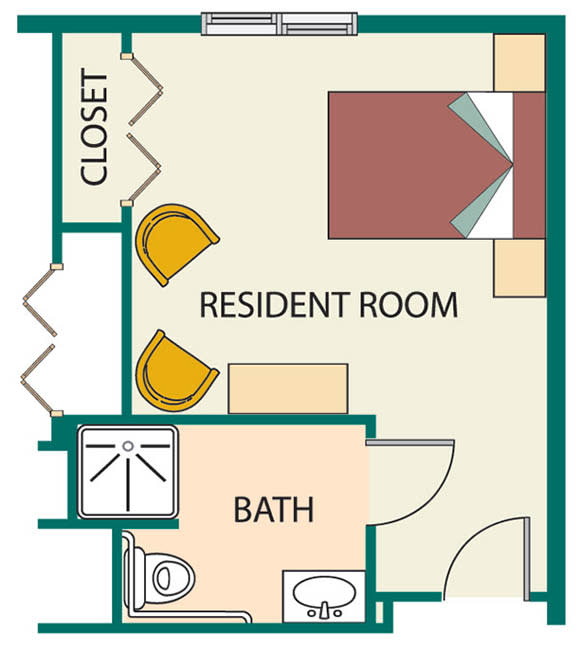
- The apartments offer practical features such as ample storage and accessible bathrooms.
Cons
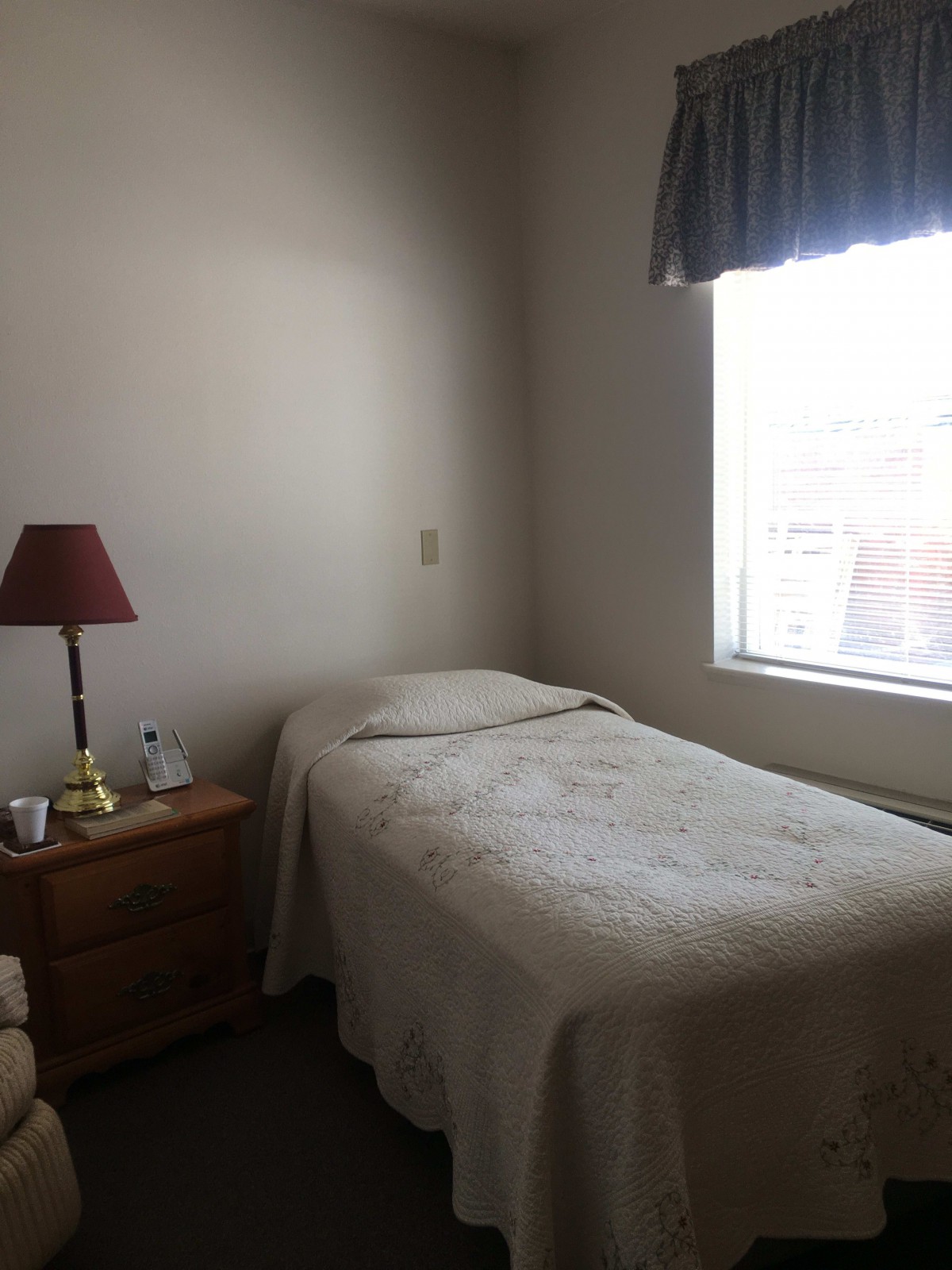
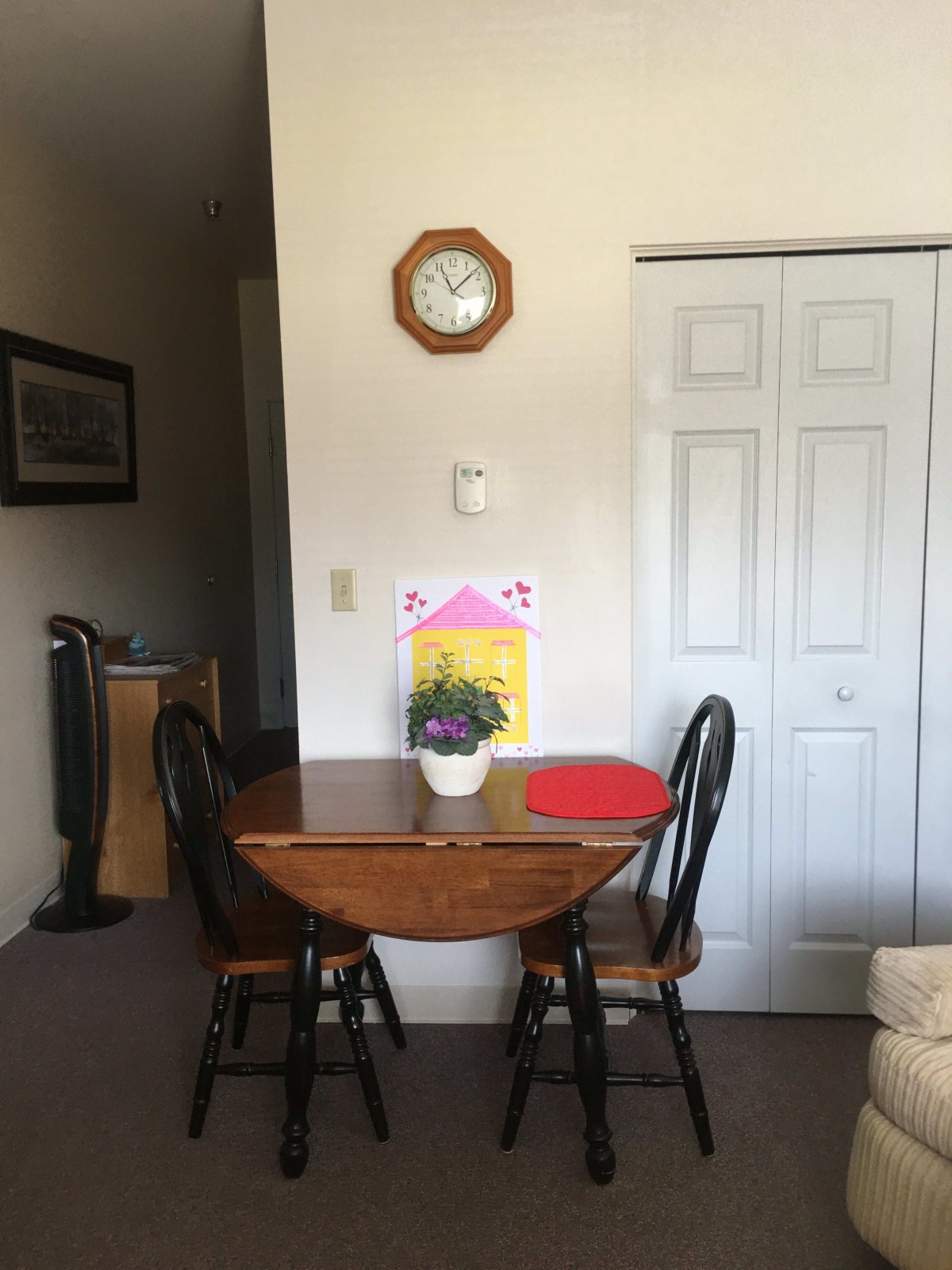
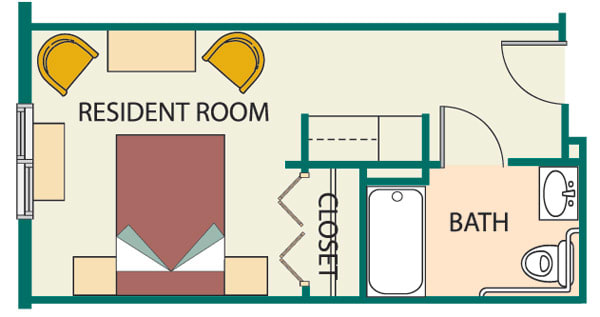
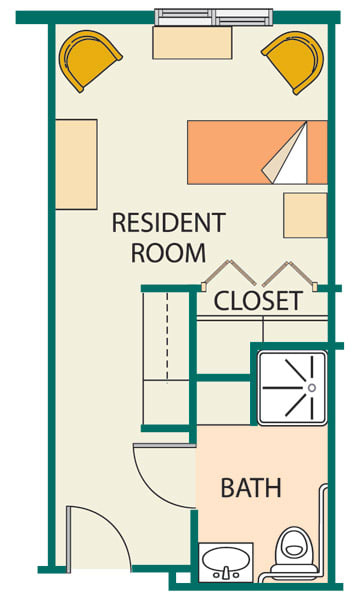
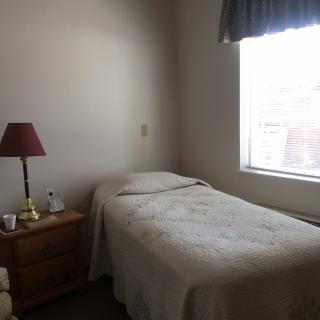
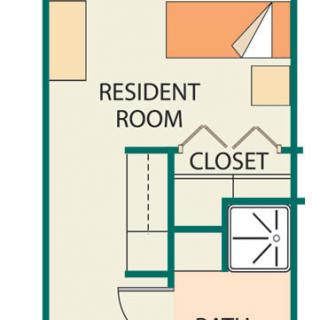
 The bedrooms were really small.
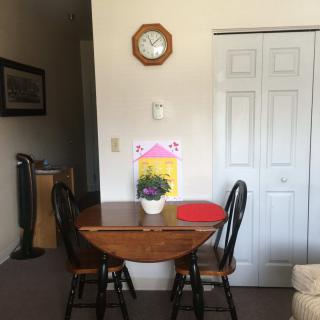
- The studio apartments were so small.
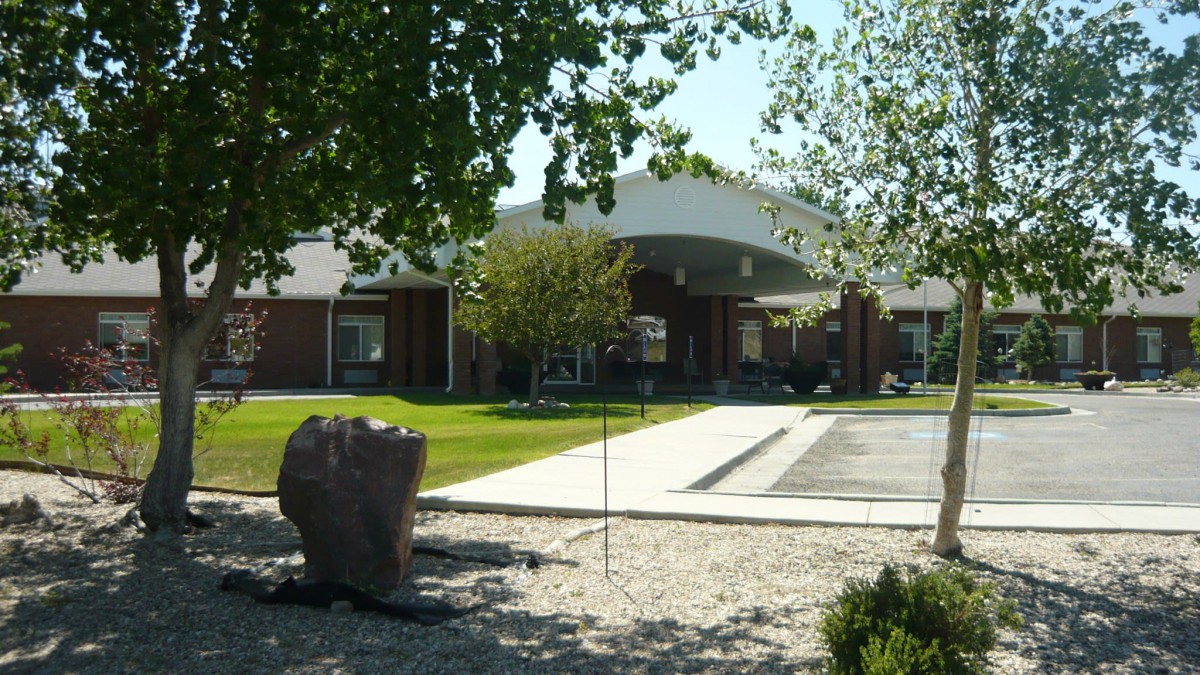
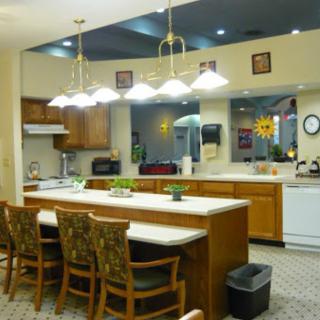
- The layout was strange and open, like a giant cafeteria.
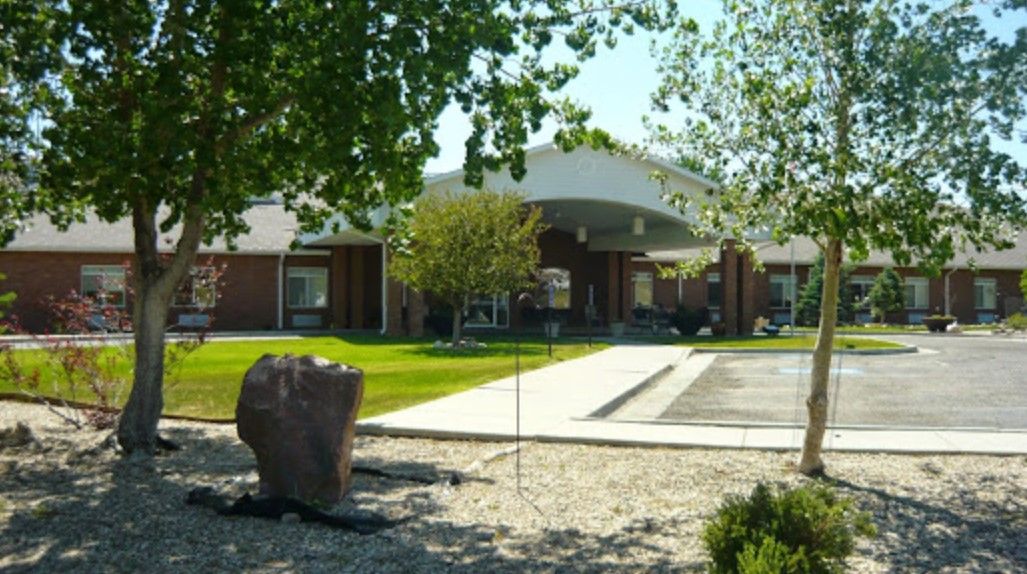
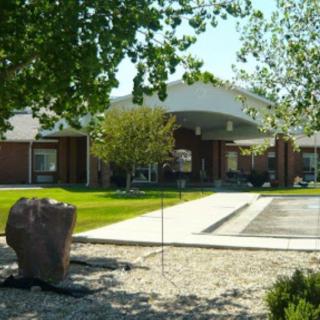
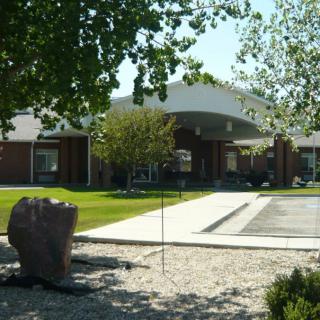
- The grounds weren’t as spacious as in other places.
- There could have been more assistance from the staff; some residents had to wait for help too long.
- There is always room for improvement in administration communication.
Review
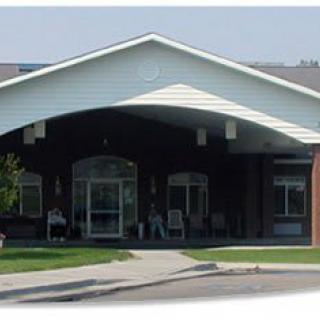
Garden Square Assisted Living of Casper is best suited for seniors who want a warm, home-like setting where care feels deeply personalized and staff know residents well. Families repeatedly describe a caregiving culture that feels intimate and human, with staff who learn individual histories, preferences, and routines. This is a community that rewards loyalty and close relationships: the care team genuinely treats residents like family, and that sense of belonging translates into daily interactions, timely problem-solving, and steady attention to the little details that matter. For families prioritizing a welcoming atmosphere, frequent personal contact with caregivers, and a living experience that centers on social connection as much as on tasks, this is a compelling option. In short, it works best when a resident thrives in a small, engaged milieu where staff remember names, stories, and personal quirks.
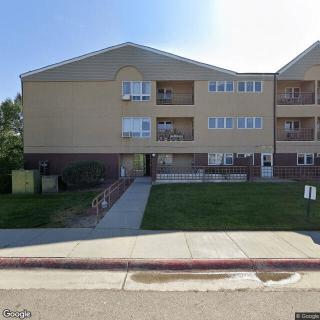
That said, there are clear reasons to consider alternatives. The most frequently cited drawback is space: many of the private accommodations are compact, with studio layouts that feel tight to anyone used to more generous square footage. A few reviewers noted that bedrooms, while functional, leave less room for personal belongings or longer-stay comfort; for residents who prize generous private space or a more traditional, expansive apartment feel, a larger community with bigger floor plans may be preferable. The layout itself has drawn comments as well: an open, cafeteria-like common area can feel less intimate than a hallway-driven, compartmentalized design. For families seeking a facility with broader outdoor grounds, more expansive walking loops, or a traditional corridor experience, there are alternatives that prioritize those spatial preferences. Finally, for residents who require more formal medical oversight, a dedicated memory care wing, or ongoing skilled nursing services, providers with a stronger continuum of care might be a better match.
The strongest positives here, personalized care, a genuine family vibe, and robust daily activity offering, do a lot of heavy lifting against the space and layout concerns. Staff commitment stands out: they know residents’ routines, monitor health signals closely, and mobilize resources quickly when health issues arise. That responsiveness is tempered by the reality of a smaller operation: the same close-knit team who delivers warm, individualized attention can also feel stretched during peak activity periods or staffing ups-and-downs. Yet even on those occasions, the sense that the team will rally to address concerns remains palpable. The social fabric is equally compelling: group dining with a restaurant-style dining experience, frequent activities, and on-site conveniences like a beauty shop and laundry help residents stay engaged without needing to leave the building. For families, this translates into fewer friction points around daily routines and more confidence that their loved one is not simply cared for in a generic way, but understood.
Activities are a standout strength and often drive overall satisfaction. The calendar is packed with outings, shopping trips, local excursions, even community-style events like dances, crafts, and puzzles, that keep residents socially connected and mentally stimulated. The smaller community size fosters natural peer interactions; residents tend to know each other well, and caregivers can adapt programs to individual levels without overwhelming the group. In practice, this means a resident can choose from a broad menu of experiences without feeling lost in the crowd. For families, the engaged, hands-on atmosphere can be a decisive factor: the visible vitality of daily life helps justify the choice beyond mere safety and meals. The flip side is a potential for overwhelm if too many options collide with cognitive limits or fatigue, but the staff’s attentiveness generally helps modulate participation.
Administrative communication is occasionally cited as an area for improvement. Several reviewers expressed a desire for clearer, more proactive updates from leadership, beyond word-of-mouth notes, about planning, policies, and changes in visitation or schedules. While the day-to-day operations run smoothly, families want a predictable rhythm of information that they can rely on. This gap does not erase the strengths of the community, but it is a real consideration for families who place a premium on timely, transparent communication from administration. Prospective residents should press for a defined cadence of updates, a clear point of contact, and documented care plans to ensure alignment between families, the care staff, and the administration.
In shaping a decision, Garden Square is a strong option for families prioritizing a homey, person-centered environment with deep staff engagement and a lively, activity-forward lifestyle. It is less suitable for those who require larger private living spaces, a more traditional architectural feel, or a formal medical continuum that includes dedicated memory care or skilled nursing on site. For such cases, consider alternatives that offer bigger floor plans, more expansive grounds, or specialized care wings. When evaluating Garden Square, prospective families should request current floor plans, ask for a sample activity calendar, and confirm how care plans are updated and communicated. It is prudent to tour multiple times, speak with several staff members, and seek out current residents and families to gauge whether the daily rhythm aligns with expectations. In the end, this community delivers a compelling blend of warmth, engagement, and dependable care, best for those who want a true, lived-in home feel and are comfortable navigating a compact footprint in exchange for a deeply connected living experience.
 50 resident community capacity
 Studio apartments
 Assisted Living
 Respite Care
 Cats allowed
 Dogs allowed
 Activities off-site
 Air-conditioning
 Beautician on-site
 Cable or satellite TV
 Devotional services off-site
 Dining room
 Fully furnished
 Garden
 Ground floor units
 Housekeeping services
 Indoor common areas
 Kitchenette
 Move-in coordination
 Outdoor space
 Private bathrooms
 Telephone
 Wheelchair accessible showers
 Wi-Fi/high-speed internet available
 Natrona County International (10 miles away)
 24-hour call system
 Ambulatory care
 Assistance with bathing
 Assistance with dressing
 Assistance with transfers
 Diabetes diet
 Diabetic care
 High acuity care
 Incontinence care
 Meal preparation and service
 Medication management
 Mental wellness program
 Special dietary restrictions
 Transportation arrangement (medical)
 Transportation to doctors appointments
 Art classes
 Bible study group
 Cooking classes
 Day trips and outings
 Educational speakers / life long learning
 Live well programs
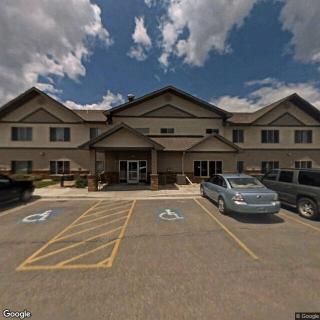
 Exploring the Contrasts Between Assisted Living and Skilled Nursing
 8 Key Indicators That Suggest It May Be Time to Transition from Assisted Living to Skilled Nursing Care
 Vibrant Senior Living: A Comprehensive Guide for Active Older Adults