
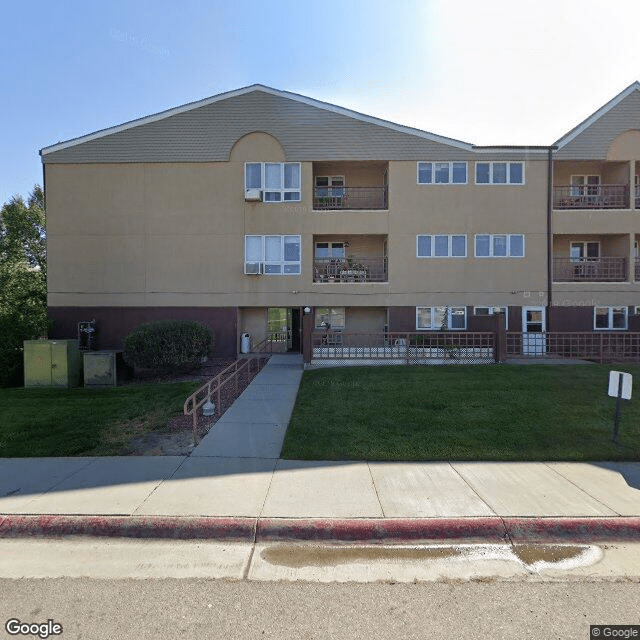
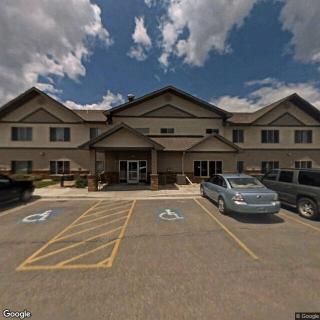
1930 E 12th St, Casper, WY 82601
To contact a resident: (307) 265-2273
For more information about senior living options: (866) 208-4318
Park Place Costs & Pricing
At Park Place, the monthly rental costs present an attractive alternative compared to broader regional pricing. For a one-bedroom unit, residents can expect to pay $2,785, which is significantly lower than the average rates in Natrona County at $3,537 and the state average of $3,890. Likewise, for those seeking more space with a two-bedroom apartment, Park Place offers competitive pricing at $3,235; this stands in stark contrast to Natrona County's average of $5,015 and Wyoming's state average of $4,540. These figures highlight Park Place as a cost-effective choice for individuals and families alike who are looking for quality living within a budget-friendly framework.
| Floor plans | Park Place | Natrona County | Wyoming |
|---|---|---|---|
| 1 Bedroom | $2,785 | $3,537 | $3,890 |
| 2 Bedrooms | $3,235 | $5,015 | $4,540 |
Assisted Living communities with a similar price nearby
-
from +$390 / mo
Meadow Wind Assisted Living
$3,175 to $3,655 / month1.3 miles away
Overall Review of Park Place
Pros
 The mother loves living at Park Place.
- The staff are extremely caring and helpful.
- There are plenty of activities to choose from.
- The meals are ample, delicious, and varied.
- Families would highly recommend Park Place for an elder family member.
- There is a strong sense of community and professionalism among the staff.
- Residents feel safe, secure, and at home.
- Park Place staff go above and beyond for residents and community partners.
Review
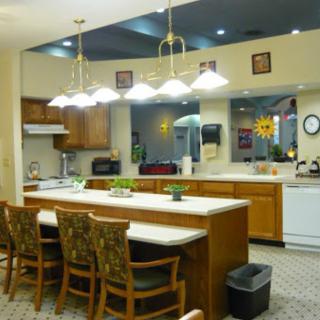
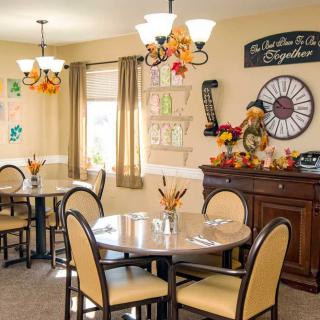
Park Place in Casper, Wyoming is best suited for seniors who want a warm, people-centered assisted living experience where staff engagement is constant, social life is vibrant, and everyday living feels home-like rather than institutional. The community shines for residents who prefer a manageable one-bedroom apartment, dependable meals that are generous and varied, and a daily rhythm built around purposeful activities. Families seeking a reassuring, resident-first atmosphere, where caregivers are routinely described as caring, professional, and genuinely accommodating, will find Park Place aligns with those priorities.
Those who may want to explore alternatives include families with heavier medical needs or specialized memory-care requirements that go beyond what typical assisted living offers. While dementia appears in the stories of some residents, the feedback centers on outstanding staff responsiveness and compassion rather than on a clearly defined, memory-dedicated program. For households prioritizing advanced on-site medical intensive support, or for those seeking a wider array of memory-care environments within a single campus, it’s prudent to compare options that market dedicated memory-care wings or more intensive clinical resources. Likewise, if budget constraints or preferences for a different geographic setting drive the decision, other communities may present a closer fit.
The strongest positives here revolve around the caregiving culture. Reviewers repeatedly describe staff as incredibly kind, caring, and accommodating, a consistency that translates into a sense of safety and belonging for residents and their families. This is reinforced by the practical benefits: spacious enough one-bedroom living arrangements that feel comfortable rather than clinical, plentiful and satisfying meals, and a calendar of activities that supports social engagement and mental stimulation. The impression of a professional, stable team extends over time, with long-tenured residents and families expressing confidence in the care provided and in the emotional security of the environment. In short, the human element, caregivers who show up with warmth and competence, renders the community feel like a trusted home.
On the flip side, the reviews produce little explicit fault to weigh against these strengths. The absence of stated drawbacks means practical questions still matter: what is the exact cost structure, what services are included or add-ons, and how does the facility handle evolving care needs as memory or medical conditions progress? Prospective residents should verify the availability of on-site medical coordination, how memory-support needs are addressed as they arise, and what transition pathways exist if increased care becomes necessary. While the feedback signals exceptional overall quality, confirming these logistical details will help families gauge long-term affordability and continuity of care.
When the strong pros are weighed against these practical considerations, Park Place’s advantages largely offset typical concerns. The staff culture directly counters common fears about isolation or neglect in retirement settings by delivering consistent attentiveness and companionship. The combination of social programming, satisfying meals, and a secure, residential atmosphere reduces the risk of loneliness and deterioration, which is often a driver for choosing assisted living. The reliability implied by multi-year resident satisfaction and the sense of home conveyed by a well-sized apartment reinforce the credibility of the environment as a stable platform for daily living and gradual care needs.
For families evaluating options, Park Place represents a pragmatic, experienced choice for residents who prize community, continuity, and personal attention. It is particularly suitable for someone who wants robust social engagement, dependable daily meals, and a staff team that treats residents with genuine warmth. Alternatives should be considered if there is a need for specialized memory-care programs, more intensive medical services on-site, or different cost structures. A thorough tour, direct conversations with caregiving staff, and clear inquiries about memory-support capabilities and long-term care plans will clarify whether Park Place meets the specific trajectory of care designed for a loved one.
 Assisted Living
 Cats allowed
 Dogs allowed
 Activities on-site
 Devotional services off-site
 Indoor common areas
 Natrona County International (10 miles away)
 Ambulatory care
 Diabetic care
 Meals provided
 Vibrant Senior Living: A Comprehensive Guide for Active Older Adults
 When to Transition from Assisted Living to Memory Care: Key Indicators, Steps, and Finding the Right Community
 Assisted Living and Memory Care: Understanding Their Core Differences