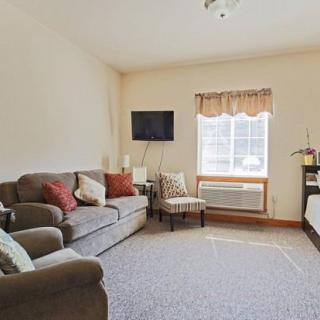
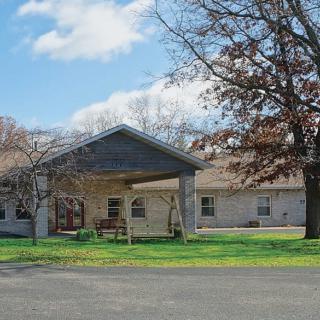
River City Estates II in Wisconsin Rapids, WI

5510 Kellner Road, Wisconsin Rapids, WI 54494

For more information about senior living options: (844) 490-3973

3.7 from 3 reviews
5 stars
2
4 stars
0
3 stars
0
2 stars
0
1 stars
1

Assisted Living

Overall Review of River City Estates II

Pros

  • pro It is a great place with wonderful care for residents.
  • pro The facility provides wonderful care for its residents.

Cons

  • pro River City Estates is known for chronic physical and mental abuse of its patients.
  • pro There is neglect, including starvation, at River City Estates.
  • pro There are multiple ongoing investigations into the company by the state.
  • pro Emily, the manager, allows all of this to happen and only covers it up.

Review

River City Estates II in Wisconsin Rapids is best suited for families that can commit to close, ongoing oversight and are prepared to confront a facility with serious safety questions. The community can be a fit for those who want a smaller, more intimate setting where attentive, hands-on care can be delivered when operations run smoothly, and where immediate, personal accountability from leadership is possible with proactive family involvement. This is not a hands-off choice; it requires a willingness to demand transparency, request regular updates, and monitor day-to-day care closely. In short, it rewards vigilance and a readiness to intervene early if concerns surface.

Those most likely to want alternatives are families with heightened safety sensitivities or a preference for consistently verified quality. If a loved one cannot tolerate any hint of neglect or abuse, or if state investigations and reports of ongoing scrutiny weigh heavily, other communities with cleaner track records and stronger independent oversight should be prioritized. Families that are unable or unwilling to visit frequently, review records, and push for rapid corrective actions may find the risk profile of this operator too high. For such households, exploring facilities with stronger reputations for transparency, regulatory compliance, and verifiable staffing stability is prudent.

On balance, the positive notes from two reviews - describing good resident care and attentive staff in the moment - signal that capable caregivers can and do provide meaningful assistance when conditions are favorable. Yet those strengths are tempered by the most troubling report, which portrays chronic abuse, neglect, and starvation, accompanied by several state investigations and an impression that leadership, including the on-site manager, has not acted to stop or adequately address the problems. The favorable day-to-day anecdotes cannot drown out the gravity of those allegations; they cast a long shadow over the credibility of the overall care environment and raise the risk of harm that may not be immediately visible to a casual observer.

The keyPro offsetting the negatives only exists if the facility demonstrates aggressive, sustained accountability and a proven track record of turning around problematic operations. In practice, the contradictory signals from reviews suggest a facility with potential for kind, compassionate care, but also a pattern of systemic gaps in safety, oversight, and governance. Until independent, verifiable improvements are visible - such as consistent compliance with state directives, transparent incident reporting, and demonstrable reductions in staff turnover - the positive anecdotes carry limited weight against the severity of the stated concerns. Families must therefore insist on concrete assurances and measurable safeguards before committing.

Practical steps emerge for families weighing options here. First, obtain the latest licensing and inspection reports, and contact the state for any open investigations or corrective action plans to understand current risk exposure. Second, request a candid, written plan from administration detailing how staff are trained, monitored, and supervised, along with clear escalation procedures for signs of mistreatment. Third, arrange in-person visits with opportunities to observe care routines, speak with front-line staff, and, if possible, talk privately with residents about their daily experiences. Fourth, compare staffing levels, turnover, and caregiving consistency to nearby facilities with stronger reputations for safety and accountability. Fifth, set concrete expectations for communication frequency and incident reporting, and build in a back-up plan to relocate if concerns remain unresolved.

In the end, River City Estates II demands a demanding posture from families: it may deliver compassionate care in calm periods but presents a meaningful safety risk that cannot be ignored. The decision hinges on whether rigorous oversight can be sustained and whether prior red flags have been definitively addressed. For households prioritizing safety, stability, and transparent governance, stronger alternatives will usually be the safer, more reliable course. For those willing to invest in vigilant oversight and an explicit contingency plan, a provisional engagement with strict monitoring could be considered, but with an explicit exit strategy if ongoing investigations or poor corrective actions persist.

Features

Housing

  • 4 resident community capacity 4 resident community capacity

Types of Care

  • Assisted Living Assisted LivingAssisted living facilities provide crucial support and care for seniors who may need help with daily tasks such as medication management, bathing, and meal preparation. These communities offer a safe and comfortable environment where seniors can maintain their independence while receiving the assistance they need to thrive in their golden years.

Amenities

  • Cable or satellite TV Cable or satellite TVCable or satellite TV is important for seniors because it provides entertainment, news, and companionship, helping to combat loneliness and boredom. It also offers a wide range of programming options tailored to different interests and preferences.
  • Dining room Dining roomDining rooms are important for seniors as they provide a space for socialization, connection, and nutritious meals. They offer opportunities for residents to bond over shared meals, foster a sense of community, and promote healthy eating habits. Dining rooms also ensure that seniors have access to well-balanced meals tailored to their dietary needs and preferences.
  • Fully furnished Fully furnishedFully furnished senior living communities are important for seniors because they provide convenience, comfort, and a hassle-free moving experience. Seniors can easily settle into their new living space without the stress of having to buy and move furniture. This allows them to focus on enjoying their new home and community.
  • Garden GardenGardens are important for seniors as they provide a peaceful and therapeutic environment for relaxation, physical activity, and socialization. Being in nature has been shown to reduce stress, improve mood, and promote overall well-being. Gardens also offer opportunities for seniors to engage in gardening activities, which can improve mobility, flexibility, and cognitive function. Additionally, gardens create a sense of community and connection with others who share a passion for plants and outdoor spaces.
  • Housekeeping services Housekeeping servicesHousekeeping services are important for seniors because they help maintain a clean and safe living environment, promote independence, and reduce the risk of accidents or illnesses. Additionally, having assistance with household chores can alleviate physical strain and allow seniors to focus on other aspects of their well-being.
  • Move-in coordination Move-in coordinationMove-in coordination is important for seniors because it helps ease the transition into their new living environment. It ensures that all logistics, such as packing, organizing movers, and setting up utilities are taken care of, allowing seniors to focus on settling in and adjusting to their new home. Having a smooth move-in process can alleviate stress and anxiety, making the transition smoother and more enjoyable for seniors.
  • Outdoor space Outdoor spaceOutdoor spaces are important for seniors as they provide opportunities for physical activity, social interaction, exposure to natural light and fresh air, and a sense of connection to nature. Having access to outdoor spaces can improve overall well-being and quality of life for older adults living in senior communities.
  • Telephone TelephoneTelephones are important for seniors as they provide a lifeline for communication with loved ones, emergency services, and healthcare providers. They offer a sense of security and independence, enabling seniors to stay connected and access assistance when needed.
  • Wi-Fi/high-speed internet available Wi-Fi/high-speed internet availableWi-Fi/high-speed internet is important for seniors to stay connected with loved ones, access online resources, and participate in virtual activities to combat feelings of loneliness and isolation. It also allows them to easily manage healthcare needs, access entertainment, and engage in lifelong learning opportunities.

Care Services

  • 24-hour supervision 24-hour supervision24-hour supervision is important for seniors to ensure their safety, well-being, and access to immediate assistance in case of emergencies or health issues. This constant support provides peace of mind for both seniors and their loved ones, allowing them to age in place with dignity and security.
  • Activities of daily living assistance Activities of daily living assistanceActivities of daily living assistance are important for seniors because they provide essential support with tasks such as eating, bathing, dressing, and mobility. This assistance helps seniors maintain their independence, dignity, and overall quality of life as they age.
  • Assistance with bathing Assistance with bathingAssistance with bathing is crucial for seniors as it helps maintain personal hygiene, prevents infections, and ensures their overall well-being and comfort. It also provides a sense of dignity and independence for seniors who may struggle with this task on their own.
  • Assistance with dressing Assistance with dressingAssistance with dressing is important for seniors because it helps maintain their independence, promotes personal hygiene, prevents accidents and injuries, and improves overall quality of life. This service ensures that seniors can continue to dress comfortably and confidently, despite any physical limitations they may have.
  • Assistance with transfers Assistance with transfersAssistance with transfers is crucial for seniors as it helps prevent falls and injuries, maintains their independence, and ensures they can safely navigate their living environment. It also provides peace of mind for both seniors and their loved ones.
  • Coordination with health care providers Coordination with health care providersCoordination with health care providers is crucial for seniors to ensure proper medical care, medication management, and overall well-being. This collaboration helps prevent overlapping treatments, track progress more effectively, and provide comprehensive support tailored to individual needs.
  • Diabetes diet Diabetes dietA diabetes diet is crucial for seniors as it helps manage blood sugar levels, reduce risks of complications, and improve overall health and well-being. By following a balanced and nutritious diet tailored to their specific needs, seniors can better control their diabetes and enhance their quality of life.
  • Meal preparation and service Meal preparation and serviceMeal preparation and service are crucial for seniors as they may have limited mobility or energy to cook nutritious meals. Having access to healthy and convenient food options can ensure they are getting the proper nutrition needed to maintain their overall health and well-being.
  • Medication management Medication managementMedication management is crucial for seniors to ensure they are taking the right medications at the correct dosages and times. This helps prevent adverse drug interactions, reduces the risk of medication errors, and promotes overall health and well-being. Proactive management also allows for adjustments as needed based on changing health conditions or new prescriptions.
  • Special dietary restrictions Special dietary restrictionsSpecial dietary restrictions are important for seniors because age-related changes in metabolism and health conditions can make it difficult for their bodies to process certain foods. By following a diet tailored to their specific needs, seniors can maintain their overall health and well-being, manage chronic conditions, and reduce the risk of complications such as malnutrition or food interactions with medications.
  • Transportation arrangement (medical) Transportation arrangement (medical)Transportation arrangements for medical purposes are essential for seniors as they may have difficulty driving themselves to appointments or accessing public transportation. Having reliable and safe transportation options ensures that seniors can receive timely medical care and maintain their health and well-being.
  • Transportation to doctors appointments Transportation to doctors appointmentsTransportation to doctors' appointments is crucial for seniors as it ensures they have access to necessary medical care and support for their health needs. Without reliable transportation, seniors may struggle to attend important appointments, leading to potential delays in treatment and health complications. Providing transportation services helps seniors maintain their overall well-being and quality of life.

Dining

  • Diabetes diet Diabetes dietA diabetes diet is crucial for seniors as it helps manage blood sugar levels, reduce risks of complications, and improve overall health and well-being. By following a balanced and nutritious diet tailored to their specific needs, seniors can better control their diabetes and enhance their quality of life.
  • Special dietary restrictions Special dietary restrictionsSpecial dietary restrictions are important for seniors because age-related changes in metabolism and health conditions can make it difficult for their bodies to process certain foods. By following a diet tailored to their specific needs, seniors can maintain their overall health and well-being, manage chronic conditions, and reduce the risk of complications such as malnutrition or food interactions with medications.

Activities

  • Community-sponsored activities Community-sponsored activitiesCommunity-sponsored activities are important for seniors as they provide opportunities for social interaction, mental stimulation, and physical activity. These activities can help improve overall well-being, combat loneliness and isolation, and promote a sense of belonging and purpose among older adults.
  • Scheduled daily activities Scheduled daily activitiesScheduled daily activities are important for seniors because they provide structure, socialization, mental stimulation, and physical activity. Engaging in regular activities can improve overall well-being and quality of life for seniors living in a community setting.

Description

River City Estates II is an assisted living community located in the charming town of Wisconsin Rapids, WI. Our community offers a range of amenities and care services to ensure that each resident receives the support and assistance they need to live a fulfilling and comfortable life.

At River City Estates II, our residents can enjoy delicious meals in our dining room, which caters to special dietary restrictions. The community is fully furnished, allowing residents to move in without the hassle of bringing their own furniture. Our housekeeping services ensure that each resident's living space is always clean and tidy.

Residents have access to outdoor spaces where they can enjoy fresh air and nature. We provide telephone and Wi-Fi/high-speed internet services so that residents can stay connected with their loved ones and keep up with their interests.

Our dedicated staff are trained to provide assistance with activities of daily living such as bathing, dressing, and transfers. We also coordinate with health care providers to ensure that residents receive the necessary medical attention. Diabetes diet management, medication management, and special dietary restriction accommodations are also available for those who require them. We arrange transportation for medical appointments to make it easier for residents to access healthcare services.

In addition to providing excellent care services, we believe in promoting an active lifestyle among our residents. We offer scheduled daily activities catered towards the interests of our residents.

River City Estates II is conveniently located near various amenities including cafes, parks, pharmacies, restaurants, transportation options, places of worship, theaters, and hospitals. Residents have plenty of opportunities for socializing, entertainment, and accessing necessary amenities within a short distance from our community.

With its range of amenities and care services along with its convenient location within Wisconsin Rapids, River City Estates II provides a welcoming environment where seniors can enjoy a comfortable and fulfilling retirement.

Nearby Places of Interest

Transportation

  • Anderson Taxidermy (1.7 miles)
  • Budget Truck Rental (3 miles)
  • River City Cab (3 miles)
  • U-Save Car & Truck Rental (3 miles)
  • River City Cab (5.4 miles)
  • U-Haul Neighborhood Dealer (5.6 miles)
  • U-Haul Neighborhood Dealer (8.4 miles)

Restaurants

  • J's UW Kellner (1.9 miles)
  • Track Wrestling (2.6 miles)
  • The Ridges (2.7 miles)
  • Hoozels Bar (2.7 miles)
  • King Cone (2.8 miles)
  • Kathy's Drive Inn (2.8 miles)
  • Grace's Family Restaurant (2.9 miles)

Cafes

  • Chat-R-Box Cafe (1.9 miles)
  • Starbucks (3 miles)
  • Out of the Box Coffee House (3.1 miles)
  • From the Ground Up Coffee House (3.8 miles)

Physicians

  • Marshfield Clinic Wisconsin Rapids Center (2.3 miles)
  • Wisconsin River Orthopaedics (2.3 miles)
  • Surgery Center of Wisconsin Rapids (2.3 miles)
  • Aspirus Endocrinology Clinic (2.4 miles)
  • HearCare (3 miles)
  • Wausau Speciality Clinics (3.6 miles)
  • Dermatology Associates of Wisconsin, S.C. (3.6 miles)

Places of Worship

  • St Luke's Lutheran Church (2.8 miles)
  • Marian Center For Peace (3.4 miles)
  • United Methodist Church (3.4 miles)
  • First English Lutheran Church (3.5 miles)
  • St John The Evangelist-Episcopal (3.5 miles)
  • Ss Peter & Paul Rectory (4.1 miles)
  • Church of Christ (4.6 miles)

Parks

  • Robinson Park (2.9 miles)
  • South Wood County Humane Society (3.2 miles)
  • Witter Field (3.3 miles)
  • Mead Field (4.4 miles)
  • The Zoo Playground (4.6 miles)
  • Edwards Alexander Memorial Park (5.6 miles)
  • Worzella Pines Park (11.2 miles)

Pharmacies

  • Home Town Pharmacy (2.9 miles)
  • Copps (2.9 miles)
  • Daly Drug (3 miles)
  • CVS Pharmacy (3 miles)
  • Walgreens (3.1 miles)
  • Majors Health Mart (7.7 miles)

Theaters

  • Rogers Cinemas (3.6 miles)

Hospitals

  • Theyedoctor.Com (3.6 miles)
  • Riverview Hospital Association (3.7 miles)

Frequently Asked Questions

Where is River City Estates II?

Nearby Communities

  • Compassion's Connection

    Compassion's Connection

    Wisconsin Rapids, WI


    pro Warm, supportive community with convenient access to local services.

  • Hilltop Grand Village

    Hilltop Grand Village

    Wisconsin Rapids, WI

    3.9 from 7 reviews
     

    pro Beautiful, amenity-rich facility with a caring staff.

  • The Waterford At Wisconsin Rapids

    The Waterford At Wisconsin Rapids

    Wisconsin Rapids, WI

    4.1 from 110 reviews
     

    pro Friendly staff, clean environment, engaging memory-care activities, and spacious apartments.

  • The Waterford At Wisconsin Rapids Memory Care

    The Waterford At Wisconsin Rapids Memory Care

    Wisconsin Rapids, WI

    4 from 34 reviews
     

    pro Small, memory-focused community with 24-hour supervision and comprehensive care (ADL help, medication management, dementia programming, care coordination).

  • Our House Senior Living - Wisconsin Rapids Assisted Care

    Our House Senior Living - Wisconsin Rapids Assisted Care

    Wisconsin Rapids, WI

    4.8 from 54 reviews
    $3,300 / month

    pro Friendly, attentive staff delivering personalized care in a welcoming, home-like setting.

  • Evergreen

    Evergreen

    Wisconsin Rapids, WI


    pro Fully furnished apartments with meals, 24-hour supervision, and move-in coordination.

  • River Run Assisted Living

    River Run Assisted Living

    Wisconsin Rapids, WI

    4.8 from 4 reviews
    $2,081 to $2,457 / month

    pro Caring staff and a pleasant, convenient environment.

  • Arborwood Lodge

    Arborwood Lodge

    Wisconsin Rapids, WI

    4.7 from 3 reviews
    $3,300 to $3,800 / month

    pro Pleasant, clean environment with spacious rooms and friendly, attentive staff.

  • Port Haven Manor

    Port Haven Manor

    Port Edwards, WI


    pro Specialized diabetic care and abundant nearby amenities.

Related Resources

  • assisted living activitiesBeyond the Bingo Hall: 50+ Enriching Activities for Seniors in Assisted Living

    Assisted living communities offer diverse activities beyond traditional games to enhance seniors' physical health, cognitive well-being, emotional enrichment, and social connections, including fitness classes, creative expression, and intergenerational interactions. These enriching programs foster community bonds and support residents' independence and happiness.

  • assisted living vs memory careUnderstanding the Distinctions: Assisted Living and Memory Care Explained

    The article differentiates between assisted living and memory care, explaining that assisted living supports seniors with daily activities while promoting independence, whereas memory care provides specialized services for individuals with dementia, focusing on secure environments and cognitive support. It also addresses staff training, safety considerations, costs, family involvement, and transition strategies for families navigating these care options.

  • elderly parent refuses assisted livingGuiding Elderly Parents Who Refuse Assisted Living: 6 Practical Steps

    Family caregivers face emotional, legal, and practical challenges when elderly parents refuse assisted living, often due to fears of losing autonomy. Open conversations and professional assessments can help address these concerns while exploring alternatives and ensuring safety, potentially leading to legal guardianship if necessary.