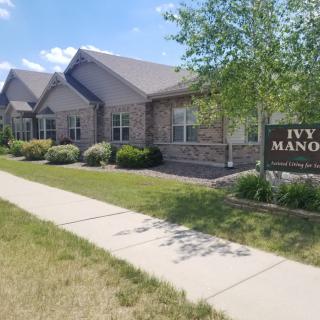
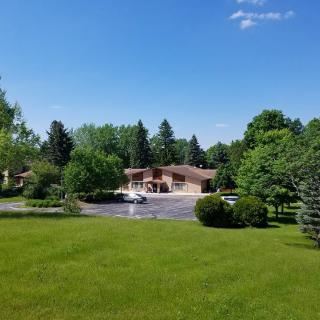
Ivy Manor Of West Bend

370 South Forest Avenue, West Bend, WI 53095

For more information about senior living options: (844) 490-3973

3.4 from 36 reviews
5 stars
17
4 stars
3
3 stars
3
2 stars
2
1 stars
11

Assisted Living Memory Care

Overall Review of Ivy Manor Of West Bend

Pros

  • pro The mother has been there for two months and is receiving spectacular care.
  • pro The staff are very friendly, and the residents love the great activities and the food.
  • pro The staff at Ivy Manor are highly regarded, described as nice and willing to bend over backwards, with wonderful food and competent nursing.
  • pro The staff and management go above and beyond to keep residents safe and comfortable.
  • pro This place is wonderful; residents are treated with kindness and respect, and it comes highly recommended.
  • pro The facility feels like a home, with a bright, clean, home-like setting and plenty of activities for residents.
  • pro Families note that their loved ones are well cared for and that staff look out for them.

Cons

  • pro The facility leaves residents wet for eight hours or more, and a resident died from negligence after she fell and broke her hip.
  • pro The staff are said to be after residents' money and will take it no matter what.
  • pro Pagers do not get answered promptly.
  • pro Management is uncaring; the cook does not wear gloves and the food is described as for dogs.
  • pro The owner is described as scratching his butt before washing his hands.
  • pro The place is described as horrible; management is horrible; staff steal pills and sleep on the job.
  • pro Residents are left in bed all day and not attended to; some are left on the toilet for up to an hour.
  • pro The owners care only about money; hazard pay was stolen and used to remodel their homes; staff are often high and give residents their pills.
  • pro Rooms are not cleaned regularly and there is a strong odor of urine.
  • pro Do not send your loved ones there; this place is bad.

Review

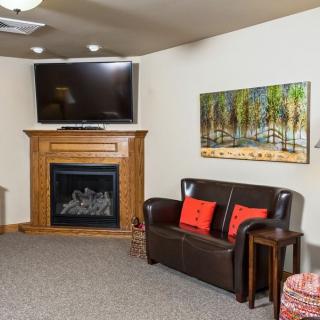
Ivy Manor of West Bend is best suited for families seeking a warm, home-like environment where daily life centers on companionship, routine care, and accessible staff who know residents' preferences. The community often feels bright and inviting, with two-room units, a courtyard, and dining spaces that reinforce a sense of home rather than a purely clinical setting. When staff are engaged and management is visibly involved, residents and families describe a welcoming atmosphere, enjoyable activities, and meals that residents look forward to. For families prioritizing personal attention, a sense of belonging, and predictable daily life, Ivy Manor can deliver a comforting, community-focused experience.

Those evaluating alternatives should consider this community mainly for residents with lower medical acuity who need assistance with activities of daily living and social engagement, rather than round-the-clock intensive medical supervision. Several reviews raise red flags about safety and medical responsiveness, including reports of residents not being attended to promptly, oxygen levels not being monitored adequately, and questions about medication administration. There are also accounts of understaffing, inconsistent care, and moments where cleanliness or resident comfort appeared compromised. For families whose primary concern is dependable medical oversight and rigorous regard for resident safety, other options with stronger staffing guarantees and clearer accountability may be preferable.

On the positive side, when care teams are well-staffed and attentive, the strengths shine through. Staff members who are described as friendly, patient, and genuinely caring create meaningful relationships with residents. Management involvement is repeatedly cited as a strength, translating into better daily routines and more responsive problem-solving. The activity calendar is frequently robust, with sing-alongs, games, and physical therapy options that keep residents engaged. The environment's homey feel - readable d?cor, accessible dining rooms, and collaborative routines - helps residents maintain dignity and a sense of normalcy, reinforcing emotional well-being even when health needs are modest.

The most troubling threads in the feedback point to significant safety and reliability gaps. Several accounts describe extended delays in assistance, residents left unattended for hours, and alarming medical oversights, including oxygen levels not triggering prompt medical evaluation. Allegations of medication mismanagement or theft, staff fatigue, and inconsistent room cleanliness further erode confidence in a consistently safe environment. A perception that management is ambivalent or slow to respond appears in multiple reviews, while staff turnover complicates continuity of care. These are not minor quibbles; they represent meaningful risk factors that can color the overall experience, especially for families prioritizing dependable, proactive care.

Balancing the positives against the negatives requires a clear view of risk versus reward. The benefits - home-like ambiance, meaningful social programming, and compassionate caregiving on good days - can be compelling for residents who value daily engagement and personal connection. However, when safety and prompt medical response are non-negotiables, the facility's variability becomes a decisive factor. Prospective families should push for hard data: current staffing ratios by shift, the presence of a licensed nurse on site, how med administration is verified, and the facility's incident-tracking and corrective-action processes. A candid conversation with front-line staff, a review of recent state inspections, and multiple resident references are essential before any commitment.

In the end, Ivy Manor of West Bend can be a strong fit for families prioritizing warmth, social engagement, and a home-like living rhythm for residents with moderate care needs. Those with stringent requirements for medical oversight, immediate responsiveness, and consistently clean, safe conditions may want to explore alternatives or demand rigorous assurances and ongoing oversight. The prudent path involves multiple tours, direct discussions with the administrator, a formal, written care plan, and verification of how past concerns have been addressed. With disciplined due diligence, Ivy Manor may deliver the welcoming, engaged environment it promises; without it, the risk profile remains too high for many families.

Features

Housing

  • 26 resident community capacity 26 resident community capacity

Types of Care

  • Assisted Living Assisted LivingAssisted living facilities provide crucial support and care for seniors who may need help with daily tasks such as medication management, bathing, and meal preparation. These communities offer a safe and comfortable environment where seniors can maintain their independence while receiving the assistance they need to thrive in their golden years.
  • Memory Care Memory CareMemory care is crucial for seniors as it provides specialized support and services for individuals with dementia or Alzheimer's disease. These programs offer a safe and secure environment where residents receive personalized care, cognitive stimulation, and help with daily activities. Memory care helps seniors maintain their independence, quality of life, and dignity while also providing peace of mind for their families.

Amenities

  • Beauty salon Beauty salonBeauty salons are important for seniors because they provide a space for them to feel pampered, socialize, and maintain their personal grooming and hygiene. Regular visits to a beauty salon can help boost seniors' self-esteem and overall well-being.
  • Cable or satellite TV Cable or satellite TVCable or satellite TV is important for seniors because it provides entertainment, news, and companionship, helping to combat loneliness and boredom. It also offers a wide range of programming options tailored to different interests and preferences.
  • Dining room Dining roomDining rooms are important for seniors as they provide a space for socialization, connection, and nutritious meals. They offer opportunities for residents to bond over shared meals, foster a sense of community, and promote healthy eating habits. Dining rooms also ensure that seniors have access to well-balanced meals tailored to their dietary needs and preferences.
  • Fully furnished Fully furnishedFully furnished senior living communities are important for seniors because they provide convenience, comfort, and a hassle-free moving experience. Seniors can easily settle into their new living space without the stress of having to buy and move furniture. This allows them to focus on enjoying their new home and community.
  • Garden GardenGardens are important for seniors as they provide a peaceful and therapeutic environment for relaxation, physical activity, and socialization. Being in nature has been shown to reduce stress, improve mood, and promote overall well-being. Gardens also offer opportunities for seniors to engage in gardening activities, which can improve mobility, flexibility, and cognitive function. Additionally, gardens create a sense of community and connection with others who share a passion for plants and outdoor spaces.
  • Housekeeping services Housekeeping servicesHousekeeping services are important for seniors because they help maintain a clean and safe living environment, promote independence, and reduce the risk of accidents or illnesses. Additionally, having assistance with household chores can alleviate physical strain and allow seniors to focus on other aspects of their well-being.
  • Kitchenette KitchenetteKitchenettes are important for seniors living in senior living communities because they provide the convenience and independence of being able to prepare simple meals and snacks in the comfort of their own living space. This can help promote a sense of autonomy and well-being for seniors, allowing them to maintain some level of control over their dietary choices and daily routines.
  • Move-in coordination Move-in coordinationMove-in coordination is important for seniors because it helps ease the transition into their new living environment. It ensures that all logistics, such as packing, organizing movers, and setting up utilities are taken care of, allowing seniors to focus on settling in and adjusting to their new home. Having a smooth move-in process can alleviate stress and anxiety, making the transition smoother and more enjoyable for seniors.
  • Outdoor space Outdoor spaceOutdoor spaces are important for seniors as they provide opportunities for physical activity, social interaction, exposure to natural light and fresh air, and a sense of connection to nature. Having access to outdoor spaces can improve overall well-being and quality of life for older adults living in senior communities.
  • Restaurant-style dining Restaurant-style diningRestaurant-style dining is important for seniors because it allows them to enjoy delicious, nutritious meals in a social and upscale setting. This enhances their dining experience, promotes healthy eating habits, and fosters socialization with fellow residents, ultimately contributing to their overall well-being and quality of life.
  • Small library Small librarySmall libraries are important for seniors as they provide access to a variety of reading materials, including books, newspapers, and magazines. This can help stimulate their minds, keep them engaged, and provide a sense of community through book clubs and other social activities. Additionally, reading has been shown to improve cognitive function and overall mental well-being in older adults.
  • Telephone TelephoneTelephones are important for seniors as they provide a lifeline for communication with loved ones, emergency services, and healthcare providers. They offer a sense of security and independence, enabling seniors to stay connected and access assistance when needed.
  • Wi-Fi/high-speed internet available Wi-Fi/high-speed internet availableWi-Fi/high-speed internet is important for seniors to stay connected with loved ones, access online resources, and participate in virtual activities to combat feelings of loneliness and isolation. It also allows them to easily manage healthcare needs, access entertainment, and engage in lifelong learning opportunities.

Care Services

  • 24-hour call system 24-hour call system24-hour call systems are important for seniors because they provide peace of mind and immediate assistance in case of emergencies. This technology ensures that help is always available, promoting safety and security for elderly individuals living alone or in assisted living facilities.
  • 24-hour supervision 24-hour supervision24-hour supervision is important for seniors to ensure their safety, well-being, and access to immediate assistance in case of emergencies or health issues. This constant support provides peace of mind for both seniors and their loved ones, allowing them to age in place with dignity and security.
  • Activities of daily living assistance Activities of daily living assistanceActivities of daily living assistance are important for seniors because they provide essential support with tasks such as eating, bathing, dressing, and mobility. This assistance helps seniors maintain their independence, dignity, and overall quality of life as they age.
  • Assistance with bathing Assistance with bathingAssistance with bathing is crucial for seniors as it helps maintain personal hygiene, prevents infections, and ensures their overall well-being and comfort. It also provides a sense of dignity and independence for seniors who may struggle with this task on their own.
  • Assistance with dressing Assistance with dressingAssistance with dressing is important for seniors because it helps maintain their independence, promotes personal hygiene, prevents accidents and injuries, and improves overall quality of life. This service ensures that seniors can continue to dress comfortably and confidently, despite any physical limitations they may have.
  • Assistance with transfers Assistance with transfersAssistance with transfers is crucial for seniors as it helps prevent falls and injuries, maintains their independence, and ensures they can safely navigate their living environment. It also provides peace of mind for both seniors and their loved ones.
  • Diabetes diet Diabetes dietA diabetes diet is crucial for seniors as it helps manage blood sugar levels, reduce risks of complications, and improve overall health and well-being. By following a balanced and nutritious diet tailored to their specific needs, seniors can better control their diabetes and enhance their quality of life.
  • Meal preparation and service Meal preparation and serviceMeal preparation and service are crucial for seniors as they may have limited mobility or energy to cook nutritious meals. Having access to healthy and convenient food options can ensure they are getting the proper nutrition needed to maintain their overall health and well-being.
  • Medication management Medication managementMedication management is crucial for seniors to ensure they are taking the right medications at the correct dosages and times. This helps prevent adverse drug interactions, reduces the risk of medication errors, and promotes overall health and well-being. Proactive management also allows for adjustments as needed based on changing health conditions or new prescriptions.
  • Mental wellness program Mental wellness programMental wellness programs are essential for seniors as they promote cognitive stimulation, emotional support, and social engagement. These programs help prevent isolation, depression, and cognitive decline, ultimately enhancing the overall quality of life for older adults.
  • Mild cognitive impairment Mild cognitive impairment"Mild cognitive impairment" is important for seniors because it is an early stage of cognitive decline that can potentially progress to more severe conditions such as dementia. Recognizing and addressing mild cognitive impairment can help seniors receive appropriate care and support to maintain their quality of life and independence for as long as possible.
  • Special dietary restrictions Special dietary restrictionsSpecial dietary restrictions are important for seniors because age-related changes in metabolism and health conditions can make it difficult for their bodies to process certain foods. By following a diet tailored to their specific needs, seniors can maintain their overall health and well-being, manage chronic conditions, and reduce the risk of complications such as malnutrition or food interactions with medications.

  • Specialized memory care programming Specialized memory care programmingSpecialized memory care programming is crucial for seniors with cognitive impairments such as dementia or Alzheimer's disease. These programs provide a safe and supportive environment tailored to the unique needs of individuals with memory loss, helping them maintain their independence, dignity, and quality of life.

Dining

  • Diabetes diet Diabetes dietA diabetes diet is crucial for seniors as it helps manage blood sugar levels, reduce risks of complications, and improve overall health and well-being. By following a balanced and nutritious diet tailored to their specific needs, seniors can better control their diabetes and enhance their quality of life.
  • Special dietary restrictions Special dietary restrictionsSpecial dietary restrictions are important for seniors because age-related changes in metabolism and health conditions can make it difficult for their bodies to process certain foods. By following a diet tailored to their specific needs, seniors can maintain their overall health and well-being, manage chronic conditions, and reduce the risk of complications such as malnutrition or food interactions with medications.

Activities

  • Community-sponsored activities Community-sponsored activitiesCommunity-sponsored activities are important for seniors as they provide opportunities for social interaction, mental stimulation, and physical activity. These activities can help improve overall well-being, combat loneliness and isolation, and promote a sense of belonging and purpose among older adults.
  • Resident-run activities Resident-run activitiesResident-run activities are important for seniors as they encourage social interaction, creativity, and a sense of autonomy. These activities empower seniors to stay engaged and active in their community while fostering meaningful connections with their peers.
  • Scheduled daily activities Scheduled daily activitiesScheduled daily activities are important for seniors because they provide structure, socialization, mental stimulation, and physical activity. Engaging in regular activities can improve overall well-being and quality of life for seniors living in a community setting.

Description

Ivy Manor of West Bend is a memory care assisted living community located in West Bend, WI. We specialize in providing personalized care for seniors with memory impairments, such as Alzheimer's or dementia.

Our community offers various amenities to ensure our residents' comfort and enjoyment. Each resident will have access to cable or satellite TV in their fully furnished living space. Our dining room provides restaurant-style dining where residents can enjoy delicious meals prepared by our staff. The kitchenette allows residents to prepare snacks or drinks at their convenience.

We understand the importance of maintaining a clean and organized living environment, which is why we offer housekeeping services to keep the common areas and residents' rooms tidy. Residents can also relax and take in the fresh air in our outdoor space and garden.

At Ivy Manor of West Bend, we prioritize the well-being of our residents. Our dedicated staff provides 24-hour supervision and assistance with activities of daily living, including bathing, dressing, and transfers. We are experienced in managing medication for those who require it and following specialized diets such as diabetes diet.

To promote mental wellness, we offer a specialized memory care programming designed to stimulate cognitive functions and engage residents creatively. Our small library provides a quiet space for reading and relaxation.

Residents at Ivy Manor of West Bend will find themselves surrounded by convenient amenities nearby. There are cafes, parks, pharmacies, physicians' offices, restaurants, places of worship, transportation options, and hospitals all within close proximity to our community.

We strive to create a warm and supportive environment where seniors with memory impairments can feel safe and cared for. Contact us today to learn more about our assisted living community at Ivy Manor of West Bend.

Nearby Places of Interest

Parks

  • Kilbourn Street Park (0.2 miles)
  • Decorah Hills Park (0.9 miles)
  • Ziegler Park (1 miles)
  • Regner Park (1.2 miles)
  • Lac Lawrann Conservancy (1.3 miles)
  • Rolf Dog Park (1.6 miles)
  • Ridge Run County Park (2 miles)

Restaurants

  • Riverside Brewery & Restaurant (0.2 miles)
  • Casa Tequila (0.3 miles)
  • Collin's Deck Bar (0.3 miles)
  • George Webb Restaurants (0.7 miles)
  • Domino's Pizza (0.8 miles)
  • Toucan Food & Custard (0.8 miles)
  • Jumbo's Frozen Custard (0.9 miles)

Places of Worship

  • Immanuel United Church of Christ (0.3 miles)
  • New Life Church (4.7 miles)
  • Peace United Church of Christ (7.4 miles)

Physicians

  • Affiliated Clinical Services (0.5 miles)
  • Henry N Ambrookian Jr DD (0.8 miles)
  • Foot & Ankle Health Center (1.3 miles)
  • West Bend Clinic - East (1.6 miles)
  • West Bend Open Mri (1.7 miles)
  • Advanced Pain Management (1.7 miles)
  • Froedtert West Bend Surgery Center (1.8 miles)

Transportation

  • Hertz Rent A Car (0.6 miles)
  • West Bend Taxi (0.8 miles)
  • Train Tracks (8.3 miles)

Hospitals

  • St Joseph's Hospital (0.8 miles)
  • St Joseph's Community Hospital (0.9 miles)
  • Froedtert West Bend Health Center (1.9 miles)
  • Froedtert Jackson Health Center (6.8 miles)
  • Integrated Repair & Information Services (8.3 miles)

Pharmacies

  • Walgreens (1.3 miles)
  • Shopko Pharmacy (1.5 miles)
  • Walgreens (1.6 miles)
  • Walmart Pharmacy (1.8 miles)
  • West Bend Pharmacy (1.9 miles)
  • Walgreens (6.6 miles)
  • Home Town Pharmacy (6.7 miles)

Cafes

  • Panera Bread (1.3 miles)
  • Starbucks (1.6 miles)
  • Starbucks (11.3 miles)

Frequently Asked Questions

Where is Ivy Manor Of West Bend?
Does Ivy Manor Of West Bend provide care for residents with dementia or Alzheimer's disease?

Nearby Communities

  • Ivy Manor Of West Bend Building 3

    Ivy Manor Of West Bend Building 3

    West Bend, WI


    pro Specialized memory care with 24/7 supervision and furnished apartments

  • Ivy Manor Of West Bend Bldg 2

    Ivy Manor Of West Bend Bldg 2

    West Bend, WI


    pro Memory-care focused with 24-hour supervision, specialized programming, and furnished accommodations.

  • Hawthorn Manor II

    Hawthorn Manor II

    West Bend, WI

     
    $2,500 / month

    pro Affordable pricing with specialized diabetic care.

  • Chestnut Cbrf

    Chestnut Cbrf

    West Bend, WI


    pro Small, intimate assisted living with fully furnished apartments, comprehensive care, dining, housekeeping, and outdoor spaces.

  • Peopleserve 5Th Ave

    Peopleserve 5Th Ave

    West Bend, WI


    pro Comprehensive care with furnished accommodations, meals, and outdoor space.

  • Riverbend Senior Village

    Riverbend Senior Village

    West Bend, WI

    4.4 from 7 reviews
    $600 to $650 / month

    pro Positive management and a pleasant tour.

  • The Waterford At West Bend

    The Waterford At West Bend

    West Bend, WI

    4.5 from 96 reviews
     

    pro Friendly, caring staff and a warm, home-like atmosphere with engaging activities.

  • Ivy Manor of West Bend

    Ivy Manor of West Bend

    West Bend, WI

    3.4 from 36 reviews
    $4,780 to $5,380 / month

    pro Caring staff in a bright, home-like setting with good dining, activities, and a convenient location.

  • Compassionate Heights of Beechwood

    Compassionate Heights of Beechwood

    Kewaskum, WI

     
    $5,000 / month

    pro Specialized memory care with medication management, engaging activities, and on-site spiritual services.

Related Resources

  • memory care activitiesEngaging Memory Care Activities That Enhance Quality of Life

    Memory care activities are essential for improving the quality of life of seniors with cognitive impairments, as they stimulate cognitive function, promote well-being, and encourage social interaction through tailored strategies. These activities combine structured exercises with spontaneous tasks, sensory engagement, physical workouts, creative pursuits, and intergenerational interactions to enhance emotional connection and a sense of purpose.

  • when to move from assisted living to memory careWhen to Transition from Assisted Living to Memory Care: Key Indicators, Steps, and Finding the Right Community

    Transitioning from assisted living to memory care is driven by an individual's cognitive decline and specific needs, requiring careful evaluation of indicators like increased confusion and wandering. The process involves consulting medical professionals, researching suitable communities, considering financial and legal aspects, and ensuring effective communication for personalized care plans.

  • assisted living vs memory careUnderstanding the Distinctions: Assisted Living and Memory Care Explained

    The article differentiates between assisted living and memory care, explaining that assisted living supports seniors with daily activities while promoting independence, whereas memory care provides specialized services for individuals with dementia, focusing on secure environments and cognitive support. It also addresses staff training, safety considerations, costs, family involvement, and transition strategies for families navigating these care options.