
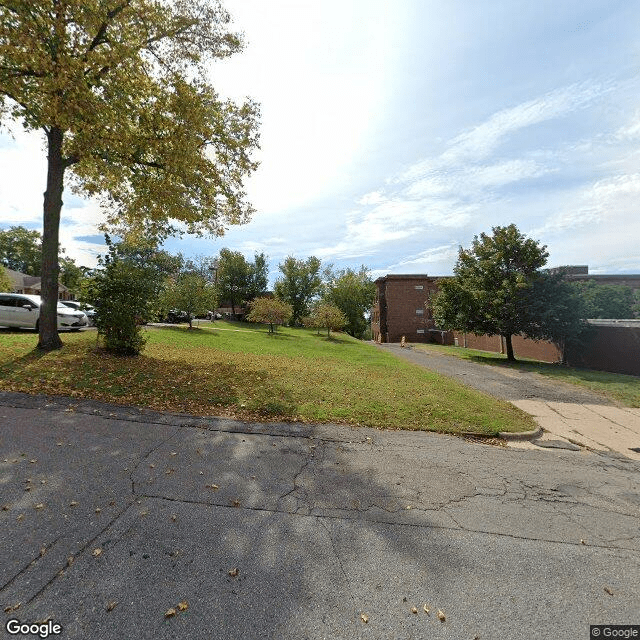
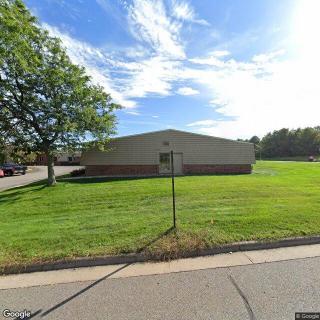
801 Parcher Streett, Wausau, WI 54403
To contact a resident: (715) 845-1214
For more information about senior living options: (866) 208-4318
Garden Apartments Costs & Pricing
When examining the costs associated with Garden Apartments, it is evident that they present a competitive option compared to both Marathon County and the broader Wisconsin state averages. For instance, a studio apartment in the Garden Apartments is priced at $2,330, significantly lower than the county's average of $3,883 and even more so compared to the state average of $3,999. Similarly, the one-bedroom units are offered at $2,410 - again more affordable than Marathon County's $3,283 and Wisconsin's $3,412. The two-bedroom apartments follow this trend as well; at $2,525 they're less expensive than both Marathon County's average of $2,765 and Wisconsin's overall average of $3,111. This pricing structure highlights that Garden Apartments can provide an appealing balance of comfort and affordability for potential residents seeking housing options within these regions.
| Floor plans | Garden Apartments | Marathon County | Wisconsin |
|---|---|---|---|
| Studio | $2,330 | $3,883 | $3,999 |
| 1 Bedroom | $2,410 | $3,283 | $3,412 |
| 2 Bedrooms | $2,525 | $2,765 | $3,111 |
Assisted Living communities with a similar price nearby
-
from -$70 / mo
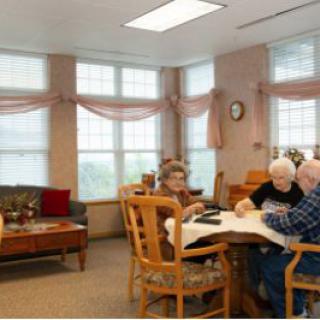
Applegate Terrace
$2,260 to $3,395 / month2.8 miles away -
from +$70 / mo
Renaissance Assisted Living-Weston
$2,400 to $3,500 / month6.3 miles away -
from +$371 / mo
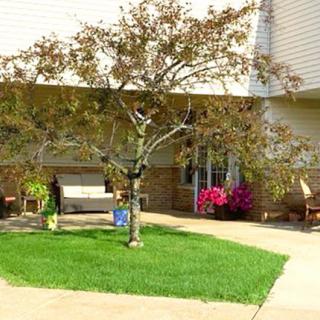
Wellington Place at Rib Mountain
$2,701 to $4,840 / month4.5 miles away -
from +$167 / mo
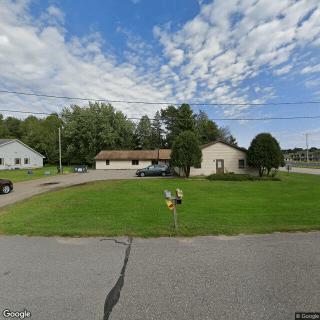
Cady Home West 1
$2,497 to $2,795 / month1.3 miles away -
from +$465 / mo
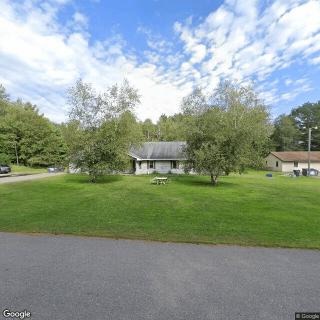
Cady Home West 2
$2,795 / month1.3 miles away
Overall Review of Garden Apartments
Pros
 The facility provides exceptional care at every level.
- The staff are wonderfully positive and loving.
- Lisa and her team deliver excellent care for residents with disabilities.
- The staff include residents with disabilities and are amazing.
- It is a beautiful place with great staff.
- Chef Ty is amazing, and Amy the director knows and cares for her residents.
Review
This community in Wausau, WI is best suited for seniors who want a warm, relationship-driven living environment where care feels personal and the staff truly knows residents. The reviews consistently describe exceptional care at every level, delivered by a team that comes across as wonderfully positive and loving. The setting feels beautiful, and the day-to-day life is punctuated by engaging programming and attentive dining. For families seeking a place where daily interactions matter, where staff remember names, celebrate small moments, and actively involve residents in activities, the community offers a compelling, near-term home-like experience.
Those weighing alternatives should consider whether the resident’s needs extend into areas that demand more formal medical oversight or expansive clinical resources. If 24/7 skilled nursing, intensive medical coordination, or a dedicated memory care environment is essential, other options with explicit clinical specialization may be more appropriate. This is not a criticism of the community’s heart and hospitality; it simply reflects a different emphasis, one that some residents and families may require as care needs evolve or as budget and facility size come into play.
The strongest selling points are the people and the culture. Care is described as exceptional at every level, with staff consistently highlighted as positive, loving, and deeply engaged. The warmth of the team translates into reliable companionship, timely assistance, and a sense that residents are genuinely valued. When staff such as Lisa and her colleagues are trusted to guide daily activities, and when the director (Amy) is portrayed as knowing residents personally and caring for their well-being, the impact on emotional health and social connectedness cannot be overstated. In short, the core advantage is a responsive, resident-centered atmosphere that makes seniors feel seen and safe.
Programming and lifestyle are equally strong drivers of satisfaction. The reviews call out meaningful engagement through games and inclusive activities, with particular emphasis on efforts to involve residents with disabilities. Chef Ty earns praise for the quality of dining and the energy he brings to the community, while the overall ambiance, beautiful surroundings paired with a thoughtful staff, creates a sense of belonging. For families prioritizing daily livability, meaningful routines, and a culture of encouragement, these elements translate into less caregiver stress and more peace of mind about the resident’s quality of life.
A practical decision framework follows naturally. Pros like exceptional care, affectionate staff, and purposeful programming offset concerns about the size or scope of medical services, especially for residents who are relatively stable and highly social. However, if a resident’s condition progresses to require intensive clinical management, or if memory care needs become specialized, families should verify how the community coordinates with external providers or whether there is an on-site framework to address those needs. Price structures, what is included in monthly fees, and the availability of specific services should be clarified early in the journey to avoid surprises down the line.
Ultimately, the takeaway is clear. For families seeking a setting where care feels genuinely personal, staff warmth is palpable, and daily life centers on connection, this Wausau community stands out as a strong candidate. The proven strengths, the caring culture, engaged leadership, and vibrant activities, are the levers that offset practical trade-offs often associated with smaller, intimate campuses. If medical complexity or cost constraints push decision-makers toward a more clinical, larger-scale option, those are valid considerations; otherwise, this community offers an unusually hopeful, trustworthy home for seniors who value heart-led care and real human rapport.
 Assisted Living
 Activities on-site
 Devotional services off-site
 Indoor common areas
 Central Wisconsin (14 miles away)
 Ambulatory care
 Diabetic care
 Meals provided

 Securing Financial Support for Assisted Living: A Comprehensive Overview
 Social Security Benefits and Assisted Living: Navigating Options Across the U.S.
 An Extensive Exploration of the VA Aid and Attendance Benefit