
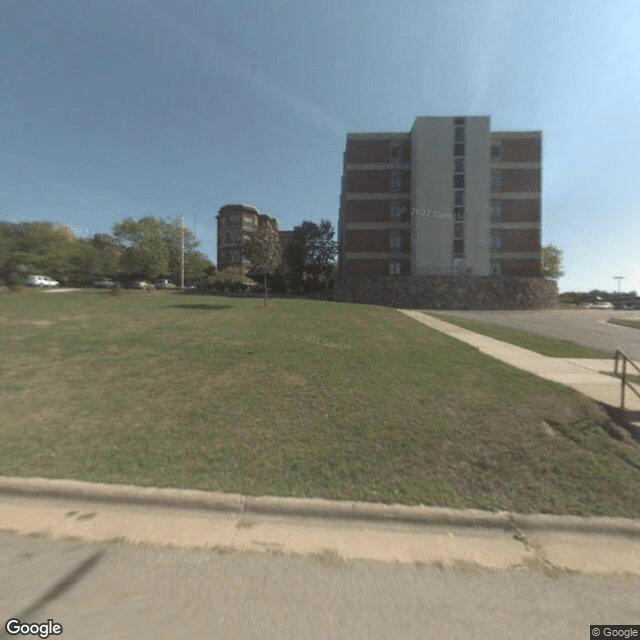
2901 7th Street, Wausau, WI 54403
To contact a resident: (715) 845-1214
For more information about senior living options: (866) 208-4318
Forest Park Village Costs & Pricing
At Forest Park Village, the monthly costs for housing are notably competitive when compared to both Marathon County and the broader state of Wisconsin. A one-bedroom unit is priced at $650, significantly lower than the county average of $3,283 and the state average of $3,412. Similarly, two-bedroom accommodations are available for $845, which stands in stark contrast to Marathon County's average of $2,765 and Wisconsin's average of $3,111. These figures reflect Forest Park Village's commitment to providing affordable living options while maintaining a high standard of community life amidst rising costs in the surrounding areas.
| Floor plans | Forest Park Village | Marathon County | Wisconsin |
|---|---|---|---|
| 1 Bedroom | $650 | $3,283 | $3,412 |
| 2 Bedrooms | $845 | $2,765 | $3,111 |
Senior living communities with a similar price nearby
-
About the same
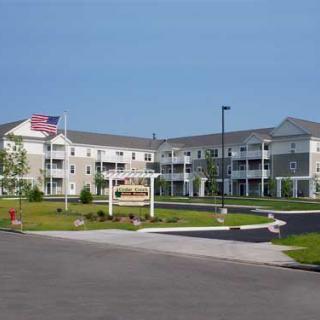
Cedar Creek Apartments II
$666 / month7.9 miles away -
About the same
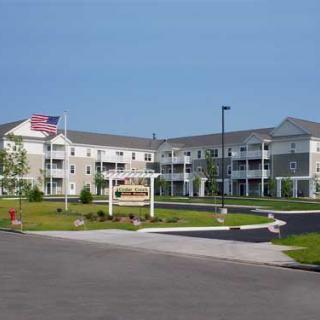
Cedar Creek Apartments I
$666 / month7.8 miles away
Overall Review of Forest Park Village
Pros
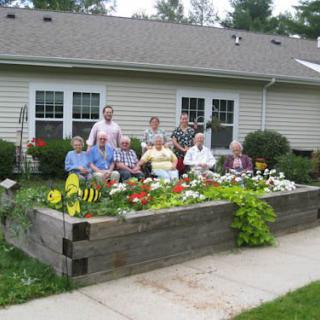
 Residents feel at home and welcomed by everyone.
 - Forest Park Village is described as a true family with love and goodwill.
- The community makes residents feel safe and among friends.
- The facility is friendly, with staff who are very helpful in welcoming newcomers and integrating them into the community.
- Dana is described as very helpful to residents.
- The apartments are spacious and well equipped.
- A wide range of activities is available to help residents socialize and stay mentally active.
- The staff across levels provide exceptional care and maintain a positive, loving atmosphere.
Cons
 The reviewer notes that the facility is a little short-staffed, making it hard to get somebody to help out, though staff are doing their best.
- The reviewer mentions that the cost of the assisted living and Alzheimer's care is considerably higher.
Review
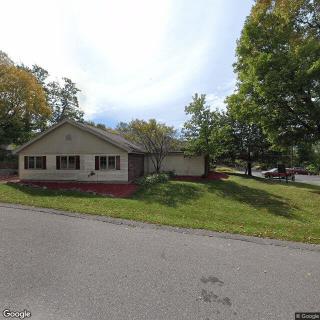
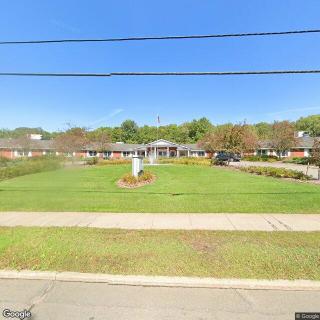
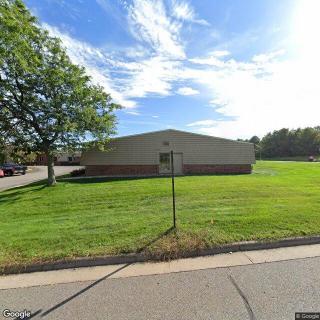
Forest Park Village in Wausau, Wisconsin is best suited for independent seniors who want a genuinely warm, family-like community with the stability of built-in care options as needs evolve. The campus projects a clear sense of continuity: a remodeled hospital site now houses three adjacent buildings, the main retirement apartments, an assisted-living/convent space, and a dedicated Alzheimer’s care unit, so residents can transition within the same community rather than relocate. For seniors who value daily companionship, easy access to activities, and dependable transportation, Forest Park Village delivers a cohesive living environment where neighbors feel like family and staff know residents by name.
The strongest argument in favor of Forest Park Village is the quality of the social fabric and the consistency of care across levels. Residents frequently note a welcoming, upbeat atmosphere, with staff who are described as caring, attentive, and genuinely invested in each person’s well-being. The community habitually facilitates connections, coffee in the mornings, games and clubs, and opportunities to socialize with neighbors who share routines and histories. Apartment options are comfortable and practical, with one-bedroom layouts in the independent living tier that offer ample space, a full kitchen, a sizable living area, and in-unit laundry. A reliable transportation program, including a large shuttle for shopping and outings, reinforces independence while reducing logistical stress for families.
Care quality at all levels is consistently praised, from independent living through the dementia-focused unit. Families report quick, informative communication when questions arise, and the staff’s familiarity with residents’ schedules, routines, and preferences helps keep daily life predictable and engaging. The facility’s layout, three connected buildings with distinct functions, facilitates meaningful socialization while preserving individual autonomy. The dementia and memory-care offerings are described as attentive and capable, reinforcing the sense that Forest Park Village can accommodate changing needs without forcing a move. Even the living spaces, modest yet well-appointed, contribute to a dignified, comfortable lifestyle that supports continued activity and involvement.
However, the community is not without its drawbacks. A recurring concern is staffing, with residents noting that help can be hard to secure at times. While the staff are committed and capable, the size of the campus and the range of services mean that response times can vary, and some families feel the need to advocate for timely assistance. Another practical factor is cost: the price gap between independent living and the more intensive assisted-living or memory-care options is substantial, often making the latter a significant monthly commitment. The campus’s hospital-origin feel, while practical and efficient, can feel clinical to those seeking a more traditional, home-like atmosphere. These realities do not negate the quality of care, but they do shape expectations for families on tighter budgets or those requiring constant, highly staffed support.
The key to Forest Park Village’s value proposition is how its strengths offset the drawbacks. The sense of community and the proactive social framework help residents stay mentally and socially engaged, mitigating isolation and preserving a sense of purpose. The ability to “step up” to assisted living and memory care within the same campus minimizes disruptive moves and provides continuity for spouses and families. Transportation logistics and a robust activity calendar further empower independence while ensuring access to needed services. In short, the pros, warm culture, continuity of care, active living, tend to outweigh the cons for most families, especially those who anticipate evolving needs over time and want a facility that can grow alongside them.
Prospective movers should weigh the realities against alternatives. Those prioritizing budget-friendly, low-need independent living with fewer staff demands may find other communities that offer simpler staffing models and lower ongoing costs a better fit. Families seeking ultra-responsive 24/7 care or a more intimate, non-hospital ambiance may also prefer a smaller campus or a community with different staffing ratios. Forest Park Village excels for seniors who want a comprehensive, multi-level community where social connection is a central feature and transitions between levels are seamless; for others, the financial and staffing considerations suggest evaluating comparable options with a tighter price point or a style of operation that aligns more closely with personal preferences.
In the end, Forest Park Village stands out as a practical, experienced choice for seniors who prize connection, continuity, and a supportive, engaged staff. It is especially compelling for independent-minded residents who expect to remain active, socialize regularly, and access higher levels of care without uprooting their community. The blend of a warm, familial culture with a capable, scalable care model makes it a strong contender for families planning long-term senior living, provided the budget accommodates the higher tiers of assisted or memory-care services and a staffing pattern that may require some patience during peak times.
 Active Adult Communities (55+)
 Cats allowed
 Dogs allowed
 Activities on-site
 Devotional services off-site
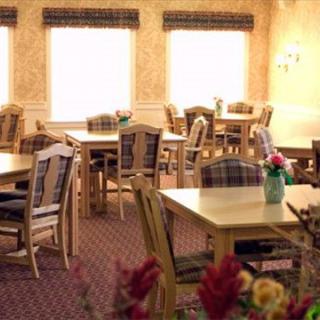
 Indoor common areas
 Central Wisconsin (14 miles away)
 Ambulatory care
 Meals provided


 Comprehensive Approaches for Arthritis: A Detailed Guide to Symptoms, Causes, and Care
 Comprehensive Insights and Practical Strategies to Help Older Adults Avoid Falls
 6 Crucial Ways an Elder Law Attorney Assists Families