
401 South Prairie Street, Waukesha, WI 53186
For more information about senior living options: (866) 208-4318
Overall Review of Marion House
Pros
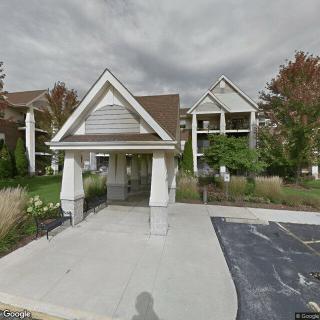
 The Marion House is a beautiful place to reside.
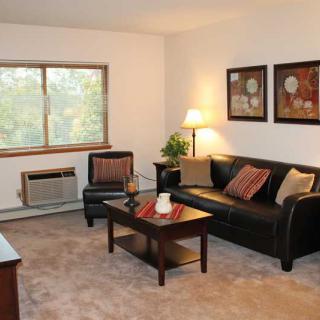
- The facility has huge bedrooms and bathrooms.
- Notifying the state headquarters in Edina, MN is considered an excellent idea.
Cons
 The Marion House has no daily food menu.
- The Marion House lacks staff to cook, resulting in no healthy nutritious meals.
- Residents do not receive healthy nutritious meals.
- This is an ongoing serious problem.
- Suggestions and complaints have been made, but no action has been taken.
Review
Marion House in Waukesha is best suited for seniors who want a genuinely home-like, intimate setting where eight residents create a quiet, easily managed environment. The small scale means caregivers can know each resident’s routines, preferences, and needs with unusual clarity, and the space is described as beautiful with truly generous private rooms and bathrooms. This makes it an attractive option for someone who values privacy, predictable daily life, and a less institutional feel over the bustle and breadth of a larger community. For residents who are relatively independent but welcome hands-on, personalized attention, Marion House can deliver a sense of belonging that larger campuses often struggle to provide.
That said, there are clear reasons to consider alternatives. The most decisive is the lack of a formal, daily food program and on-site cooking capacity. Without a reliable menu and kitchen staff, nutrition becomes unpredictable, and meals can fall short on consistency and healthfulness. For families or residents who place a high priority on daily, well-balanced meals prepared on-site, Marion House may fall short. Additionally, the combination of a tiny team and a small community can translate into slower responses to requests or medical needs, a consideration for anyone who anticipates needing prompt assistance or more structured programming as health requirements evolve. In short, a meal-centric or highly medically monitored living arrangement will likely exceed Marion House’s current capabilities.
The positives do have measurable pull. The large bedrooms and bathrooms support real comfort and privacy, reducing crowding and encouraging a sense of personal space that many seniors crave. The eight-resident format fosters a tight-knit community where relationships can feel genuine and routines can be tailored with flexibility. In the right match, this environment can yield steadier staff-resident connections, fewer transitions between caregivers, and a calmer day-to-day rhythm. For residents who don’t demand constant activity options or complex medical management, the ambiance and intimate staff engagement can be a meaningful bonus, especially when paired with a comfortable living space.
Yet the weight of the cons remains significant. The absence of a consistent, nutritious meal plan is not a minor shortfall; it touches daily quality of life and long-term health. When meals are unreliable or perceived as unhealthy, the overall value of the setting declines, even if personal attention and privacy are strong. Compounding this is the sense that resident feedback, suggestions and complaints, has not translated into action, a red flag for accountability and ongoing improvement. In a setting this small, staff responsiveness and follow-through should be predictable and transparent; the observed disconnect can erode trust and diminish the perceived safety net that a family hopes to see.
From a decision-making perspective, the key trade-off is clear: Marion House excels at intimate, respectful care in a serene, private-feeling environment, but it can undercut the experience if daily nutrition and timely issue resolution are non-negotiables. For families weighing this community, the plan should hinge on two practical test questions: can the current administration commit to a written, schedule-based meal program with measurable nutrition goals, and can they demonstrate a reliable process for addressing resident concerns? If the answer to either is uncertain, it is prudent to explore alternatives that offer on-site dining programs and stronger, documented accountability.
In the end, Marion House serves a distinct niche. It rewards residents who want quiet, individualized attention and a homelike atmosphere, provided nutrition and responsive problem-solving remain acceptable trade-offs. Families should approach a move here with a clear expectation that meals and prompt management responsiveness are non-negotiables, and with a plan for how to supplement meals when necessary. If those conditions cannot be met, it is wise to compare Marion House with other options that maintain the same level of personal attention but pair it with reliable dining and more robust resident advocacy.
 8 resident community capacity
 Assisted Living
 Board and Care Home
 Cable or satellite TV
 Dining room
 Fully furnished
 Garden
 Housekeeping services
 Move-in coordination
 Outdoor space
 Telephone
 Wi-Fi/high-speed internet available
 General Mitchell International (18 miles away)
 24-hour supervision
 Activities of daily living assistance
 Assistance with bathing
 Assistance with dressing
 Assistance with transfers
 Diabetes diet
 Meal preparation and service
 Medication management
 Special dietary restrictions
 Transportation arrangement (medical)
 Transportation to doctors appointments





 Assisted Living Expenses and Long-Term Care Insurance: A Comprehensive Exploration
 Securing Financial Support for Assisted Living: A Comprehensive Overview
 Social Security Benefits and Assisted Living: Navigating Options Across the U.S.