
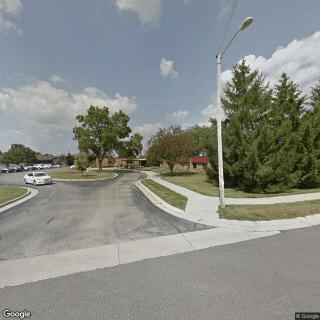
503 Clovercrest Court, Watertown, WI 53094
For more information about senior living options: (866) 208-4318
Overall Review of Bethesda Lutheran Communities Clovercrest
Pros
 The reviews describe nice people.
 - Bethesda Lutheran Communities is a great place to live for people with special needs, with staff who really care.
- The staff are noted for staying a long time.
- The overall impression is that it is a great place with great people.
Cons
 The company supports retaliation, theft, and illegal practices.
- Whistleblowers are subjected to mistreatment, retaliation, and public humiliation.
- There are numerous safety violations that are not addressed or corrected.
- Management's reaction to complaints is handled with gang-like force against the complainant.
- Safety issues and regulations are only dealt with when an inspection is imminent.
- Harassment and discrimination are practiced, and volunteers and employees are intimidated into submission through unethical, intimidating interrogations, making them afraid to recount inappropriate actions due to fear of termination or retaliation.
- The words honesty, integrity, and morality do not apply to this company.
- The organization built an $18 million facility but gave nothing to workers who are losing their jobs, and new hires are getting more than longtime employees.
- A reviewer tried calling their numbers for information and received no response.
Review
Bethesda Lutheran Communities Clovercrest in Watertown is best suited for residents who require specialized support and where stable, long-tenured staff can make a daily difference. The strongest notes from the available reviews describe a culture of care for individuals with special needs, with caregivers who stay on the job for extended periods and a sense of warmth from frontline teammates. Families seeking a homelike environment, with staff familiarity and consistent routines, may find Clovercrest provides the dependable, day-to-day caregiving that helps residents settle in and feel known. This is not a high-end resort; it is a community that prioritizes personal relationships over flash, and that approach can be a meaningful fit for certain needs.
At the same time, the landscape of reviews makes clear who may want to consider alternatives. For families that expect unwavering transparency, rigorous safety culture, and robust protections for those who raise concerns, Clovercrest warrants careful comparison with other options. Several reviewers allege retaliation against whistleblowers, intimidation during investigations, and safety issues that appear to be addressed only when an inspection is looming. Critics describe a management style that feels reactive and aggressive toward complaints. If these dynamics are unacceptable, exploring other communities with demonstrable, proactive governance and healthier reporting cultures is prudent.
On balance, the practical advantages of Clovercrest, genuine care from staff and low turnover among caregivers, offer real daily benefits: residents are known by people who understand their routines, and predictable staffing can translate into steadier support. Yet these positives do not fully offset the gravest concerns cited. When safety issues are not promptly and transparently resolved, or when staff fear retaliation for reporting problems, the calm, stable atmosphere can devolve into a source of anxiety for families and residents alike. The long-tenured workforce only counts for so much if leadership undermines trust through defensive responses to concerns.
The most troubling themes center on safety, ethics, and leadership alignment with frontline workers. Reviews allege retaliation, public humiliation, and harassment tied to whistleblowing, with insufficient protection for those who raise concerns. Allegations extend to discrimination and a culture of intimidation that discourages honesty about improper actions. The pattern described points to gaps in accountability, with an emphasis on defending the organization rather than pursuing continuous improvement. Financial questions about pay disparities between long-time staff and newer hires further tarnish morale and raise red flags about equity and morale that can spill over into day-to-day care.
Decision-makers should translate these impressions into concrete due diligence. Request current safety inspection reports, ask for incident logs, and speak directly with frontline staff about how concerns are addressed. Seek assurances about whistleblower protections and the formal process for handling complaints. Visit the campus at different times to observe staff–resident interactions and how safety protocols are implemented in daily routines. Compare Clovercrest to other communities with proven safety records, transparent governance, and proactive ethics practices to ensure the chosen option aligns with core priorities.
Ultimately, Clovercrest offers a dependable, relationship-centered care option for residents with special needs, but it carries notable caveats that demand serious consideration. For families prioritizing transparent leadership, consistent safety improvements, and an environment free from retaliation fears, alternatives deserve strong consideration. If Clovercrest is pursued, enter with clear expectations, arrange ongoing oversight, and be prepared to reassess quickly if concerns resurface. The practical approach is to balance the comfort of familiar caregivers with a clear judgment about governance and safety culture, ensuring the selected community genuinely supports long-term well-being.
 6 resident community capacity
 Assisted Living
 Cable or satellite TV
 Dining room
 Fully furnished
 Garden
 Housekeeping services
 Move-in coordination
 Outdoor space
 Telephone
 Wi-Fi/high-speed internet available
 24-hour supervision
 Activities of daily living assistance
 Assistance with bathing
 Assistance with dressing
 Assistance with transfers
 Diabetes diet
 Meal preparation and service
 Medication management
 Special dietary restrictions
 Transportation arrangement (medical)
 Transportation to doctors appointments



 Securing Financial Support for Assisted Living: A Comprehensive Overview
 Social Security Benefits and Assisted Living: Navigating Options Across the U.S.
 An Extensive Exploration of the VA Aid and Attendance Benefit