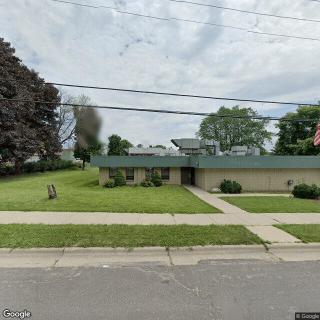










Faith Living Center in Sun Prairie, WI

Save

  • Interior

    A grand piano sits in a sunlit room by large windows.
  • Building

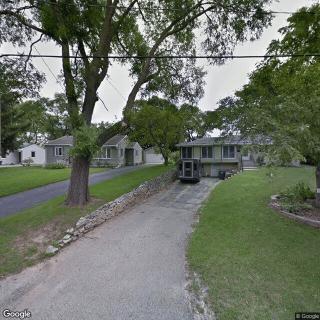
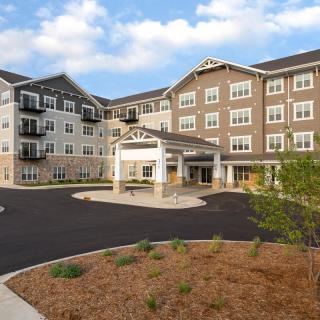
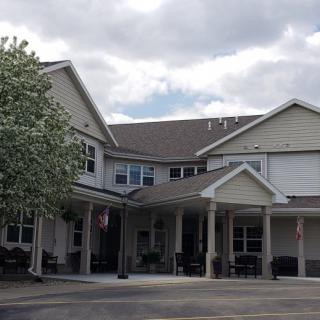
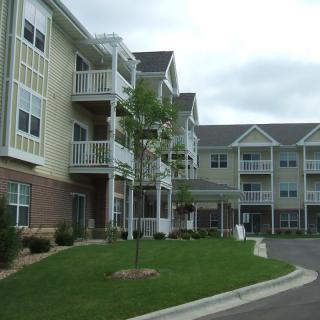
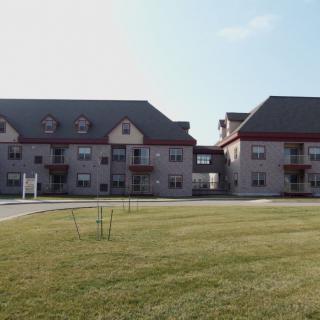
    A suburban house with a well-maintained lawn and trees under a clear blue sky.
  • Architecture

    A suburban residential house with a well-kept lawn and trees under a clear blue sky.
  • Bedroom

    A cozy bedroom with two single beds, a lamp, and a ceiling fan.
  • Windows

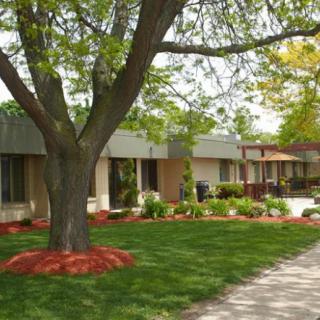
    A wicker bench on a patio next to a planter with flowers, set against a stone wall.
  • Painting

    A cozy room with a small table, chair, and wall painting.

Faith Living Center in Sun Prairie, WI

131 Clarmar Drive, Sun Prairie, WI 53590

For more information about senior living options: (844) 490-3973

3.4 from 15 reviews
5 stars
4
4 stars
4
3 stars
3
2 stars
2
1 stars
2

Assisted Living Memory Care

Faith Living Center Costs & Pricing

At Faith Living Center, the monthly costs for accommodations are competitively positioned within the broader market of Dane County and Wisconsin as a whole. The semi-private room is offered at $3,300, providing a more affordable option compared to the county average of $4,212 and slightly below the state average of $3,977. For those considering studio options, prices range from $3,375 to $5,000, which not only aligns closely with the state's average of approximately $3,999 but also remains below Dane County's higher average of $4,418. This pricing structure reflects Faith Living Center's commitment to offering value while ensuring residents receive quality care in a supportive environment.

Floor plansFaith Living CenterDane CountyWisconsin
Semi-Private$3,300$4,212$3,977
Studio$3,375 to $5,000$4,418$3,999

What level of care are you interested in?

Assisted Living

Memory Care

Independent Living

Skilled Nursing Facility

Continuing Care Retirement Community (CCRC)CCRC

Other


Request a tour at Faith Living Center

    Overall Review of Faith Living Center

    Pros

    • pro The staff were always friendly.
    • pro Barb kept them informed.
    • pro She was treated like a human being.
    • pro Inside, it looked like a large house, with a cafe where she could eat and visit other tenants.
    • pro They had a Christmas get-together for family and friends.
    • pro Faith Gardens does a great job with residents; he is usually in a good mood when visited, and his room is clean and well cared for.
    • pro The rooms are relatively large and the staff allow residents much privacy.
    • pro She loved the food.
    • pro The facility is very nice looking, always clean, and the rooms are lovely.
    • pro Danielle, the Assistant Director, did an outstanding job coordinating his care.
    • pro Ian, the Chef, is making nutritious meals.
    • pro Dad's table mates are friendly and inviting to him.
    • pro They really liked this place.

    Cons

    • pro The place was dingy and worn down.
    • pro It was a depressing place to place a loved one.
    • pro The staff were disorganized and apologized repeatedly for being scattered.
    • pro The residents didn't seem friendly.
    • pro The facility was dark, colder than other places, and not very bright inside.
    • pro The carpet in a resident's room was filthy.
    • pro The rugs were filthy and the kitchen was dirty.
    • pro Residents mostly sit in their rooms watching TV with few activities.
    • pro The administration does not listen to residents (or staff).
    • pro The food leaves much to be desired.

    Review

    Faith Living Center in Sun Prairie is best suited for families seeking a small, homelike assisted living where residents receive individualized attention and privacy is preserved. The building feels intimate rather than institutional, with relatively large private rooms, a yard and gazebo view, a cafe-style dining room, and spaces such as a library and hair salon that encourage casual interaction without crowds. For residents who adapt well to a calmer, neighborly atmosphere and benefit from a transition into care that emphasizes personal dignity, the staff's consistent courtesy and the home's approachable layout can make daily life more manageable and less clinical.

    However, families prioritizing vibrant social programming and polished public spaces may want to look elsewhere. Several reviews describe a dim, outdated interior, and a small footprint that limits group activities. A recurring theme is mis-communication or disorganization at times, and concerns that the activity calendar doesn't translate into real engagement. Some families encountered cleanliness and maintenance issues, including carpets and repairs that were delayed, which undermines the sense of a well-kept home. For those who value a steady, proactive administration that consistently acts on resident input, this center has shown inconsistent responsiveness. In short, Faith Living Center fits a certain niche, but not a comprehensive solution for all care and activity expectations.

    That niche still carries meaningful compensations. The smaller scale translates into more attentive care and easier access to staff, with residents enjoying privacy in their own rooms and more personalized routines. Positives include a caring, resident-centered culture, responsive front-line staff, and care that can be tailored around individual needs - as seen when aides accommodate dietary preferences, hydration, or earlier bedtimes. Meals can be high quality, and the kitchen demonstrates flexibility around diabetic menus and other dietary restrictions. For families, the ability to see staff building genuine relationships - nurses teaching other caregivers, a chef delivering nutritious meals, and an activity director encouraging participation - offsets some of the limitations of size and occasional operational hiccups.

    Nevertheless, the main shortcomings loom large for certain families. The smaller footprint means fewer built-in social opportunities, and at times residents appear under-stimulated or isolated, especially when activity leadership seems unreliable. Warnings of disorganization, a sometimes dreary interior, and maintenance delays - such as late carpet cleaning or room repairs - underline the risk of inconsistent daily life. Reports of understaffing affecting basic assistance, and gaps in daily self-care like dental hygiene after staffing gaps, cannot be ignored. Some reviewers describe odor or cleanliness issues and frustration with administration that appears unresponsive to resident concerns. These factors collectively tip the balance away for those who need robust programming, fuller amenities, or rigorous upkeep in every area.

    For families who place a premium on a bustling social calendar, bright interiors, and highly proactive administration, alternatives should be considered. Larger campuses often offer more structured activities, more predictable staffing, and a broader suite of dining options with fewer let-downs in daily routines. If medical coordination requires stronger on-site oversight or more consistent RN coverage, or if a modern, fresh look is non-negotiable, it pays to compare Faith Living Center with other options that emphasize these strengths. Another practical threshold is whether the resident requires a tighter care network and more opportunities to socialize with peers; if so, exploring those options before making a commitment is prudent.

    Overall, Faith Living Center presents a valid choice for families prioritizing privacy, gentle transitions, and intimate caregiving in a homelike setting. The strongest case is for residents who respond well to individualized attention and a smaller community where staff build meaningful relationships. Potential residents should verify current staffing levels, sample an activity schedule, and request unvarnished references about cleanliness, maintenance responsiveness, and dining variety. If these elements align with what matters most - the resident's social needs, comfort with the atmosphere, and confidence in daily routines - the center can be a reliable, comforting home. If not, the prudent move is to search for a sharper fit that promises more engagement and consistently polished operations.

    Features

    Housing

    • 21 resident community capacity 21 resident community capacity
    • Studio apartments Studio apartmentsStudio apartments are important for seniors because they offer a smaller, more manageable living space that is easier to navigate and maintain as physical abilities decline. Additionally, studio apartments provide seniors with independence and privacy while still being part of a community that offers support and social opportunities.

    Types of Care

    • Assisted Living Assisted LivingAssisted living facilities provide crucial support and care for seniors who may need help with daily tasks such as medication management, bathing, and meal preparation. These communities offer a safe and comfortable environment where seniors can maintain their independence while receiving the assistance they need to thrive in their golden years.
    • Memory Care Memory CareMemory care is crucial for seniors as it provides specialized support and services for individuals with dementia or Alzheimer's disease. These programs offer a safe and secure environment where residents receive personalized care, cognitive stimulation, and help with daily activities. Memory care helps seniors maintain their independence, quality of life, and dignity while also providing peace of mind for their families.

    Pets

    • Cats allowed Cats allowed"Pet friendly" senior living communities are important for seniors because pets provide companionship, reduce feelings of loneliness and depression, promote physical activity and mental stimulation, and offer a sense of purpose and responsibility. Pets can improve overall well-being and quality of life for seniors in many ways.
    • Dogs allowed Dogs allowed"Pet friendly" senior living communities are important for seniors because pets provide companionship, reduce feelings of loneliness and depression, promote physical activity and mental stimulation, and offer a sense of purpose and responsibility. Pets can improve overall well-being and quality of life for seniors in many ways.

    Amenities

    • Activities off-site Activities off-siteEngaging in off-site activities is crucial for seniors to maintain social connections, stay active, and stimulate their minds. It promotes overall well-being and helps combat feelings of isolation and loneliness.
    • Activities on-site Activities on-siteActivities on-site are important for seniors because they provide opportunities for socialization, mental stimulation, physical activity, and overall well-being. Engaging in activities can help seniors stay active, maintain their independence, and improve their quality of life.
    • Air-conditioning Air-conditioningAir conditioning is important for seniors as they are more vulnerable to heat-related illnesses and may have underlying health conditions that make it difficult for them to regulate their body temperature. It helps to keep them comfortable, safe, and healthy in hot weather.
    • Bath tubs Bath tubsBath tubs are important for seniors because they provide a safe and relaxing way to bathe, helping to prevent slips and falls while promoting independence and overall well-being.
    • Beautician on-site Beautician on-siteHaving a beautician on-site at a senior living community is important for seniors as it allows them to easily access grooming and personal care services, boosting their self-esteem and overall well-being. It also provides convenience and helps seniors maintain their sense of independence and personal style.
    • Beauty salon Beauty salonBeauty salons are important for seniors because they provide a space for them to feel pampered, socialize, and maintain their personal grooming and hygiene. Regular visits to a beauty salon can help boost seniors' self-esteem and overall well-being.
    • Cable or satellite TV Cable or satellite TVCable or satellite TV is important for seniors because it provides entertainment, news, and companionship, helping to combat loneliness and boredom. It also offers a wide range of programming options tailored to different interests and preferences.
    • Devotional services off-site Devotional services off-siteDevotional services off-site are important for seniors as they provide spiritual nourishment, social engagement, and a sense of community outside of the senior living facility. This can enhance overall well-being and help combat feelings of isolation and loneliness often experienced by older adults.
    • Devotional services on-site Devotional services on-siteDevotional services on-site provide seniors with spiritual support and a sense of community, as well as an opportunity for reflection and guidance during their senior living experience. This can promote emotional well-being and connection to others, leading to a more fulfilling and enriching lifestyle in their later years.
    • Dining room Dining roomDining rooms are important for seniors as they provide a space for socialization, connection, and nutritious meals. They offer opportunities for residents to bond over shared meals, foster a sense of community, and promote healthy eating habits. Dining rooms also ensure that seniors have access to well-balanced meals tailored to their dietary needs and preferences.
    • Fully furnished Fully furnishedFully furnished senior living communities are important for seniors because they provide convenience, comfort, and a hassle-free moving experience. Seniors can easily settle into their new living space without the stress of having to buy and move furniture. This allows them to focus on enjoying their new home and community.
    • Garden GardenGardens are important for seniors as they provide a peaceful and therapeutic environment for relaxation, physical activity, and socialization. Being in nature has been shown to reduce stress, improve mood, and promote overall well-being. Gardens also offer opportunities for seniors to engage in gardening activities, which can improve mobility, flexibility, and cognitive function. Additionally, gardens create a sense of community and connection with others who share a passion for plants and outdoor spaces.
    • Ground floor units Ground floor unitsGround floor units are important for seniors because they provide easy accessibility, reduced risk of falls and injuries, and convenience for those with mobility issues. Seniors can avoid climbing stairs or using elevators, making daily tasks and activities more manageable and enjoyable.
    • Guasts at mealtime Guasts at mealtime"Guests at mealtime" offer seniors the opportunity for social interaction, companionship, and a sense of community during meals, which can help combat feelings of loneliness and isolation commonly experienced in senior living environments. It can also enhance their overall dining experience and improve their mental and emotional well-being.
    • Guest parking Guest parkingGuest parking is important for seniors because it allows their friends and family members to visit them easily and safely. Having convenient parking options can help combat feelings of isolation and loneliness, promote regular social interaction, and improve overall mental and emotional well-being for seniors in senior living communities.
    • Handicap accessible Handicap accessible"Handicap accessible" amenities are crucial for seniors to ensure they can easily navigate and access facilities, services, and activities without barriers or limitations due to physical impairments. This promotes independence, safety, and inclusivity for seniors in senior living communities.
    • Housekeeping services Housekeeping servicesHousekeeping services are important for seniors because they help maintain a clean and safe living environment, promote independence, and reduce the risk of accidents or illnesses. Additionally, having assistance with household chores can alleviate physical strain and allow seniors to focus on other aspects of their well-being.
    • Indoor common areas Indoor common areasIndoor common areas are crucial for seniors as they provide a space for socialization, recreation, and community engagement, promoting overall well-being and reducing feelings of isolation and loneliness.
    • Kitchenette KitchenetteKitchenettes are important for seniors living in senior living communities because they provide the convenience and independence of being able to prepare simple meals and snacks in the comfort of their own living space. This can help promote a sense of autonomy and well-being for seniors, allowing them to maintain some level of control over their dietary choices and daily routines.
    • Laundry LaundryLaundry services are important for seniors as they may have difficulty with physical tasks such as bending, lifting, or carrying heavy loads. Having access to laundry services can help seniors maintain personal hygiene, cleanliness, and independence in their daily lives.
    • Move-in coordination Move-in coordinationMove-in coordination is important for seniors because it helps ease the transition into their new living environment. It ensures that all logistics, such as packing, organizing movers, and setting up utilities are taken care of, allowing seniors to focus on settling in and adjusting to their new home. Having a smooth move-in process can alleviate stress and anxiety, making the transition smoother and more enjoyable for seniors.
    • Outdoor common areas Outdoor common areasOutdoor common areas are important for seniors as they provide a space for socialization, physical activity, and relaxation. Being outside in nature can improve mood and overall well-being, while also encouraging movement and engagement with others. These spaces can help combat feelings of isolation and promote a sense of community among residents.
    • Outdoor space Outdoor spaceOutdoor spaces are important for seniors as they provide opportunities for physical activity, social interaction, exposure to natural light and fresh air, and a sense of connection to nature. Having access to outdoor spaces can improve overall well-being and quality of life for older adults living in senior communities.
    • Overnight guests Overnight guestsOvernight guests provide companionship, social engagement, and emotional support for seniors in senior living communities. They can help reduce feelings of loneliness, isolation, and boredom, while also promoting mental well-being and overall quality of life. Additionally, overnight guests can offer a sense of familiarity and comfort for seniors who may be transitioning into a new living environment.
    • Party space Party spaceHaving access to party space is important for seniors as it provides opportunities for socialization, connection, and enjoyment. These spaces allow seniors to celebrate special occasions, host gatherings with friends and family, and participate in community events, enhancing their overall well-being and quality of life.
    • Resident parking Resident parkingResident parking is crucial for seniors in a senior living community as it provides convenience, accessibility, and safety for residents who may have limited mobility or rely on personal vehicles for transportation. Having designated parking spaces ensures that seniors can easily access their homes without having to walk long distances or navigate crowded parking lots, ultimately enhancing their overall quality of life and sense of independence.
    • Respite or short term stays offered Respite or short term stays offeredRespite or short term stays provide seniors with a temporary solution when their regular caregiver is unavailable, offering them the opportunity to receive additional care and support during times of need, while also giving caregivers a chance to rest and recharge.
    • Restaurant-style dining Restaurant-style diningRestaurant-style dining is important for seniors because it allows them to enjoy delicious, nutritious meals in a social and upscale setting. This enhances their dining experience, promotes healthy eating habits, and fosters socialization with fellow residents, ultimately contributing to their overall well-being and quality of life.
    • Small library Small librarySmall libraries are important for seniors as they provide access to a variety of reading materials, including books, newspapers, and magazines. This can help stimulate their minds, keep them engaged, and provide a sense of community through book clubs and other social activities. Additionally, reading has been shown to improve cognitive function and overall mental well-being in older adults.
    • Spa SpaSpas are important for seniors because they provide relaxation, stress relief, and therapeutic benefits which can improve their overall well-being and quality of life. Additionally, spa treatments such as massages, hydrotherapy, and aromatherapy can help alleviate common age-related ailments such as arthritis, joint pain, and circulation issues. Seniors deserve to enjoy a pampering experience that promotes physical and emotional wellness.
    • TV room TV roomTV rooms are important for seniors in senior living communities because they provide a space for social interaction, entertainment, and relaxation. Watching TV can help reduce feelings of loneliness and boredom, and create a sense of community among residents. Additionally, TV rooms offer a break from daily routines and can be a source of comfort and familiarity for seniors.
    • Telephone TelephoneTelephones are important for seniors as they provide a lifeline for communication with loved ones, emergency services, and healthcare providers. They offer a sense of security and independence, enabling seniors to stay connected and access assistance when needed.
    • Wheelchair accessible showers Wheelchair accessible showersWheelchair accessible showers are crucial for seniors as they provide a safe and independent bathing option for those with mobility challenges. These showers help prevent falls and allow seniors to maintain their dignity and autonomy while ensuring they can bathe comfortably.
    • Wi-Fi/high-speed internet available Wi-Fi/high-speed internet availableWi-Fi/high-speed internet is important for seniors to stay connected with loved ones, access online resources, and participate in virtual activities to combat feelings of loneliness and isolation. It also allows them to easily manage healthcare needs, access entertainment, and engage in lifelong learning opportunities.

    Transportation

    • Dane County Regional (5 miles away) Dane County Regional (5 miles away)

    Care Services

    • 24-hour call system 24-hour call system24-hour call systems are important for seniors because they provide peace of mind and immediate assistance in case of emergencies. This technology ensures that help is always available, promoting safety and security for elderly individuals living alone or in assisted living facilities.
    • 24-hour supervision 24-hour supervision24-hour supervision is important for seniors to ensure their safety, well-being, and access to immediate assistance in case of emergencies or health issues. This constant support provides peace of mind for both seniors and their loved ones, allowing them to age in place with dignity and security.
    • Activities of daily living assistance Activities of daily living assistanceActivities of daily living assistance are important for seniors because they provide essential support with tasks such as eating, bathing, dressing, and mobility. This assistance helps seniors maintain their independence, dignity, and overall quality of life as they age.
    • Assistance with bathing Assistance with bathingAssistance with bathing is crucial for seniors as it helps maintain personal hygiene, prevents infections, and ensures their overall well-being and comfort. It also provides a sense of dignity and independence for seniors who may struggle with this task on their own.
    • Assistance with dressing Assistance with dressingAssistance with dressing is important for seniors because it helps maintain their independence, promotes personal hygiene, prevents accidents and injuries, and improves overall quality of life. This service ensures that seniors can continue to dress comfortably and confidently, despite any physical limitations they may have.
    • Assistance with transfers Assistance with transfersAssistance with transfers is crucial for seniors as it helps prevent falls and injuries, maintains their independence, and ensures they can safely navigate their living environment. It also provides peace of mind for both seniors and their loved ones.
    • Diabetes diet Diabetes dietA diabetes diet is crucial for seniors as it helps manage blood sugar levels, reduce risks of complications, and improve overall health and well-being. By following a balanced and nutritious diet tailored to their specific needs, seniors can better control their diabetes and enhance their quality of life.
    • Diabetic care Diabetic careDiabetic care is crucial for seniors as they are more susceptible to developing diabetes due to aging and other health conditions. Proper management of diabetes can help prevent complications such as heart disease, vision loss, and nerve damage, improving the overall quality of life for seniors in senior living communities.
    • Hospice care Hospice careHospice care is important for seniors as it provides specialized end-of-life support, pain management, and emotional comfort for both the senior and their loved ones. It allows seniors to maintain dignity, receive personalized care, and spend their remaining time in a peaceful and comfortable environment.
    • Incontinence care Incontinence careIncontinence care is essential for seniors to maintain their dignity, hygiene, and overall quality of life. By addressing incontinence issues promptly and effectively, seniors can enjoy a sense of independence and comfort in their daily activities.
    • Meal preparation and service Meal preparation and serviceMeal preparation and service are crucial for seniors as they may have limited mobility or energy to cook nutritious meals. Having access to healthy and convenient food options can ensure they are getting the proper nutrition needed to maintain their overall health and well-being.
    • Medication management Medication managementMedication management is crucial for seniors to ensure they are taking the right medications at the correct dosages and times. This helps prevent adverse drug interactions, reduces the risk of medication errors, and promotes overall health and well-being. Proactive management also allows for adjustments as needed based on changing health conditions or new prescriptions.
    • Mental wellness program Mental wellness programMental wellness programs are essential for seniors as they promote cognitive stimulation, emotional support, and social engagement. These programs help prevent isolation, depression, and cognitive decline, ultimately enhancing the overall quality of life for older adults.
    • Mild cognitive impairment Mild cognitive impairment"Mild cognitive impairment" is important for seniors because it is an early stage of cognitive decline that can potentially progress to more severe conditions such as dementia. Recognizing and addressing mild cognitive impairment can help seniors receive appropriate care and support to maintain their quality of life and independence for as long as possible.
    • Special dietary restrictions Special dietary restrictionsSpecial dietary restrictions are important for seniors because age-related changes in metabolism and health conditions can make it difficult for their bodies to process certain foods. By following a diet tailored to their specific needs, seniors can maintain their overall health and well-being, manage chronic conditions, and reduce the risk of complications such as malnutrition or food interactions with medications.
    • Specialized memory care programming Specialized memory care programmingSpecialized memory care programming is crucial for seniors with cognitive impairments such as dementia or Alzheimer's disease. These programs provide a safe and supportive environment tailored to the unique needs of individuals with memory loss, helping them maintain their independence, dignity, and quality of life.

    Dining

    • Diabetes diet Diabetes dietA diabetes diet is crucial for seniors as it helps manage blood sugar levels, reduce risks of complications, and improve overall health and well-being. By following a balanced and nutritious diet tailored to their specific needs, seniors can better control their diabetes and enhance their quality of life.
    • Low / no sodium Low / no sodiumLow/no sodium options are important for seniors because excessive sodium intake can lead to high blood pressure, heart disease, and other health issues commonly experienced by older adults. By choosing low/no sodium foods, seniors can better manage their health and reduce their risk of developing these conditions.
    • Meals provided Meals provided"Meals provided" are crucial for seniors in assisted living communities as it ensures they have access to nutritious, balanced meals without the stress of meal planning and preparation. This can help promote overall health and well-being for seniors who may have limited mobility or cognitive abilities.
    • No Sugar No SugarNo sugar diets are important for seniors because they can help prevent or manage chronic conditions such as diabetes, heart disease, and obesity. Sugar can also contribute to cognitive decline and inflammation in the body, so reducing sugar intake can lead to overall improved health and well-being in older adults.
    • Professional chef Professional chefProfessional chefs are important for seniors living in senior living communities because they provide nutritious and delicious meals that cater to their dietary needs and preferences. A professional chef can ensure that seniors are receiving balanced, flavorful meals that support their overall health and well-being.
    • Room service Room serviceRoom service is important for seniors in a senior living community because it provides convenience and allows them to have their meals delivered directly to their room. This can be especially beneficial for seniors who may have mobility issues or difficulty accessing the dining area. Room service ensures that seniors are able to receive nutritious meals without having to navigate through the facility, allowing them to maintain their independence and overall well-being.
    • Special dietary restrictions Special dietary restrictionsSpecial dietary restrictions are important for seniors because age-related changes in metabolism and health conditions can make it difficult for their bodies to process certain foods. By following a diet tailored to their specific needs, seniors can maintain their overall health and well-being, manage chronic conditions, and reduce the risk of complications such as malnutrition or food interactions with medications.

    Activities

    • Activities off-site Activities off-siteEngaging in off-site activities is crucial for seniors to maintain social connections, stay active, and stimulate their minds. It promotes overall well-being and helps combat feelings of isolation and loneliness.
    • Art classes Art classesArt classes are important for seniors because they provide a creative outlet, improve cognitive function, reduce stress and anxiety, promote socialization, and enhance overall well-being and quality of life.
    • Arts and crafts Arts and craftsEngaging in arts and crafts activities provides seniors with a creative outlet, promotes cognitive function, enhances dexterity and fine motor skills, fosters social interaction, and boosts overall well-being and mental health.
    • Book club Book clubBook clubs are important for seniors because they provide socialization, intellectual stimulation, and a sense of community. They offer the opportunity to engage in meaningful discussions, share perspectives, and connect with others who share a love of reading. Book clubs can also help seniors stay mentally active and combat feelings of loneliness or isolation.
    • Community-sponsored activities Community-sponsored activitiesCommunity-sponsored activities are important for seniors as they provide opportunities for social interaction, mental stimulation, and physical activity. These activities can help improve overall well-being, combat loneliness and isolation, and promote a sense of belonging and purpose among older adults.
    • Cooking classes Cooking classesCooking classes are important for seniors as they provide opportunities for social interaction, enhance cognitive skills, promote healthy eating habits, and boost confidence in the kitchen.
    • Cooking club Cooking clubCooking clubs are important for seniors as they provide social interaction, mental stimulation, and the opportunity to learn new recipes and cooking techniques. These clubs also promote healthy eating habits and can improve overall well-being and quality of life for seniors.
    • Day trips and outings Day trips and outingsDay trips and outings are important for seniors as they provide opportunities for socialization, mental stimulation, physical activity, and a break from daily routines. These experiences can enhance overall well-being and quality of life for older adults living in senior communities.
    • Devotional activities offsite Devotional activities offsiteDevotional activities offsite are important for seniors because they provide social engagement, spiritual growth, and a sense of community outside of their living environment. This can improve overall well-being, mental health, and combat feelings of isolation or loneliness.
    • Devotional activities on-site Devotional activities on-siteDevotional activities on-site provide seniors with a sense of community, spiritual fulfillment, and emotional support, promoting overall well-being and a positive sense of purpose in their lives.
    • Educational speakers / life long learning Educational speakers / life long learningEducational speakers and lifelong learning opportunities are crucial for seniors as they provide mental stimulation, promote social engagement, and contribute to overall well-being. Continuous learning helps seniors stay mentally sharp, build new skills, and maintain a sense of purpose and fulfillment in their lives. It also allows them to stay connected to the world around them and fosters a sense of community within senior living facilities.
    • Fitness programs Fitness programsFitness programs are crucial for seniors as they help improve strength, flexibility, balance, and overall well-being. Staying active can reduce the risk of chronic diseases, improve mental health, and enhance quality of life in older adults.
    • Games GamesGames are an essential part of senior living as they help promote cognitive function, social interaction, and overall well-being. Playing games can improve memory, concentration, and decision-making skills while also providing a fun and engaging way to connect with others. Seniors who participate in games regularly tend to experience higher levels of satisfaction and happiness in their daily lives.
    • Gardening club Gardening clubGardening clubs are important for seniors because they provide a sense of community, promote physical activity and mental well-being, and offer opportunities for socialization and connection with nature. Gardening can also improve cognitive function and overall quality of life for seniors.
    • Happy hour Happy hourHappy hour is important for seniors as it provides a social activity that promotes camaraderie and reduces feelings of loneliness or isolation. It also offers an opportunity for older adults to relax, unwind, and enjoy some drinks or snacks in a fun and welcoming atmosphere.
    • Live dance or theater performances Live dance or theater performancesLive dance or theater performances are important for seniors because they provide opportunities for socialization, mental stimulation, and emotional engagement. These performances can help combat feelings of isolation and loneliness, while also offering a sense of connection to the arts and culture. Additionally, watching live performances can bring joy and create lasting memories for seniors in their later years.
    • Live musical performances Live musical performancesLive musical performances can provide seniors with a sense of joy, nostalgia, and connection. Music has the power to evoke emotions and memories, improve mood and cognitive function, and foster social interaction among seniors. It can also serve as a form of therapy and stress relief for older adults, making it an important activity to include in senior living communities.
    • Live well programs Live well programs"Live well programs are essential for seniors as they provide opportunities for physical activity, social engagement, and mental stimulation, ultimately promoting overall health and well-being in later years."
    • Other religious services Other religious servicesOther religious services are important for seniors as they provide a sense of community, spiritual comfort, and opportunities for socializing. These services can help seniors feel connected to their faith and maintain a sense of purpose and belonging in their later years.
    • Religious services Religious servicesReligious services provide seniors with a sense of community, support, and spiritual fulfillment, which can improve their overall well-being and mental health. It also offers them opportunities for socialization and connection with others who share their beliefs.
    • Resident-run activities Resident-run activitiesResident-run activities are important for seniors as they encourage social interaction, creativity, and a sense of autonomy. These activities empower seniors to stay engaged and active in their community while fostering meaningful connections with their peers.
    • Scheduled daily activities Scheduled daily activitiesScheduled daily activities are important for seniors because they provide structure, socialization, mental stimulation, and physical activity. Engaging in regular activities can improve overall well-being and quality of life for seniors living in a community setting.
    • Stories StoriesStories are important for seniors because they provide a sense of connection, stimulate memory and cognitive function, and offer entertainment and emotional engagement. Sharing stories can foster social interaction and create a sense of community among seniors, enhancing their overall well-being and quality of life.
    • Visiting chaplain or priest Visiting chaplain or priestHaving a visiting chaplain or priest at a senior living community is important for seniors because it provides spiritual support, comfort, and guidance during a time of life that can be challenging and uncertain. Their presence can help seniors feel connected to their faith, find peace of mind, and cope with the emotional and mental struggles they may face in their later years.
    • Wii bowling Wii bowlingWii bowling is important for seniors as it provides a fun and engaging way to stay active, socialize, and improve hand-eye coordination. It can help prevent isolation, boost mental well-being, and promote physical fitness in a safe and accessible manner.

    Languages Spoken

    • English EnglishEnglish is important for seniors as it allows them to communicate effectively with healthcare providers, understand important information related to their health and medications, stay connected with loved ones, and engage in social activities within their communities. It also opens up opportunities for lifelong learning and intellectual stimulation.

    Description

    Faith Living Center is an assisted living community located in Sun Prairie, WI. Our community specializes in providing memory care for individuals with Alzheimer's disease or other forms of dementia.

    The amenities at Faith Living Center are designed to enhance the quality of life for our residents. We offer a range of activities on-site to keep residents engaged and entertained, including art classes, book clubs, cooking classes, and fitness programs. Our spacious indoor common areas provide a comfortable space for socializing and relaxation. Residents can also enjoy the beautiful outdoor spaces and gardens.

    Our fully furnished apartments are equipped with air-conditioning, cable or satellite TV, and Wi-Fi/high-speed internet. Each apartment has its own kitchenette and bathroom with a bath tub and wheelchair accessible showers. Housekeeping services are provided to ensure that our residents live in a clean and comfortable environment.

    At Faith Living Center, we prioritize the well-being of our residents. We have 24-hour supervision to ensure their safety and assistance with daily activities such as bathing, dressing, and transfers. Our staff also provides medication management and specialized memory care programming for those with cognitive impairments.

    Dining at Faith Living Center is a delightful experience. Our professional chef prepares delicious meals that cater to special dietary restrictions such as low/no sodium or no sugar diets. Residents can choose between restaurant-style dining or room service.

    In addition to providing exceptional care and amenities, Faith Living Center is conveniently located near various amenities in the community. There are cafes, parks, pharmacies, physicians' offices, restaurants, places of worship, theaters, and hospitals nearby.

    We invite you to visit Faith Living Center in Sun Prairie, WI to experience our compassionate care and vibrant community firsthand.

    Nearby Places of Interest

    This area of Sun Prairie, Wisconsin offers a variety of amenities and services that may be appealing to seniors looking for a comfortable and convenient living environment. With several restaurants located within walking distance, such as Culver's and Subway, residents can enjoy dining out without having to travel far. Additionally, numerous parks nearby provide opportunities for outdoor recreation and relaxation. For medical needs, there are pharmacies like O'Connell Pharmacy and Walgreens in close proximity, as well as healthcare facilities such as Robertson Plastic Surgery and Total Wellness. Places of worship like Sacred Hearts of Jesus and Mary Catholic Church are also easily accessible for spiritual needs. Overall, this area is well-equipped with essential services and recreational options for seniors looking to settle down in a welcoming community in Sun Prairie.

    Restaurants

    • Prairie Lanes (0.1 miles)
    • Culver's (0.2 miles)
    • Subway (0.3 miles)
    • Daly's Bar & Grill (0.8 miles)
    • McDonald's (0.9 miles)
    • Lost Court Bar and Grill (1.5 miles)
    • Guimo's Mexican Restaurant (1.5 miles)

    Parks

    • Sunny Valley Park (0.5 miles)
    • Hunter's Ridge Park (0.5 miles)
    • Pheasant Run Park (0.6 miles)
    • Sheehan Park (1.1 miles)
    • Orfan Park (1.4 miles)
    • Angell Park Dream Park (1.6 miles)
    • Wetmore Park (1.7 miles)

    Pharmacies

    • O'Connell Pharmacy (0.6 miles)
    • Walgreens (0.9 miles)
    • Walgreens (1.3 miles)
    • Pick 'n Save Pharmacy (1.9 miles)
    • SSM Health Prescription Center (2.1 miles)
    • UW Health at The American Center Pharmacy (3.4 miles)
    • Target Pharmacy (5.2 miles)

    Physicians

    • Robertson Plastic Surgery (1.2 miles)
    • Total Wellness (1.5 miles)
    • Aesthetic Artistry MedSpa (1.6 miles)
    • Allure Skin Health (1.7 miles)
    • Sun Prairie Clinic (2.1 miles)
    • Dean Health System (2.1 miles)
    • Dean Clinic (2.1 miles)

    Places of Worship

    • Sacred Hearts of Jesus and Mary Catholic Church (1.7 miles)
    • Heartland Community Church (2.9 miles)
    • Eastside Evangelical Lutheran (4.8 miles)

    Hospitals

    • Spay Me (2 miles)

    Cafes

    • Panera Bread (4.4 miles)
    • Starbucks (5 miles)

    Theaters

    • Flix Brewhouse (4.8 miles)

    Transportation

    • Dane County Regional Airport (MSN) (6 miles)

    Frequently Asked Questions

    How much does it cost to live at Faith Living Center in Sun Prairie, WI?
    What floor plans and room types does Faith Living Center offer?
    Where is Faith Living Center?
    Does Faith Living Center provide care for residents with dementia or Alzheimer's disease?
    Does Faith Living Center allow residents to have pets?
    What photos are available for Faith Living Center in Sun Prairie, Wisconsin?

    Nearby Communities

    • Crossroads Care Center Of Sun Prairie

      Crossroads Care Center Of Sun Prairie

      Sun Prairie, WI

      3.3 from 40 reviews
       

      pro Caring CNAs and friendly admissions staff; clean, well-maintained facility.

    • Willows Nursing & Rehab Ctr

      Willows Nursing & Rehab Ctr

      Sun Prairie, WI

      2.8 from 10 reviews
      $6,870 / month

      pro Strong therapy program with experienced staff and dedicated leadership.

    • Sunwood Apartments

      Sunwood Apartments

      Sun Prairie, WI

      3 from 7 reviews
       

      pro Clean, welcoming staff, and engaging communal spaces.

    • Regency Place

      Regency Place

      Sun Prairie, WI

       
      $3,725 to $4,842 / month

      pro Strong amenities with convenient access to dining, parks, healthcare, worship, and entertainment.

    • Coletta's House

      Coletta's House

      Sun Prairie, WI


      pro High-acuity care with on-site activities and accessible amenities.

    • Olympic Village

      Olympic Village

      Sun Prairie, WI

      5 from 1 review
      $5,000 / month

      pro Triplex homes with private garages and consistently updated, well-maintained units.

    • Talamore Sun Prairie

      Talamore Sun Prairie

      Sun Prairie, WI

      4.8 from 124 reviews
      $2,660 to $3,655 / month

      pro Clean, well-maintained community with engaging activities and friendly, in-house staff.

    • Angell Park

      Angell Park

      Sun Prairie, WI

      2.5 from 4 reviews
      $642 to $803 / month

      pro Comprehensive on-site amenities and accessible spaces.

    • Hyland Park of Sun Prairie

      Hyland Park of Sun Prairie

      Sun Prairie, WI

      4.5 from 63 reviews
      $3,445 to $4,365 / month

      pro Caring staff with strong family communication and engaging activities.

    Related Resources

    • when to move from assisted living to memory careWhen to Transition from Assisted Living to Memory Care: Key Indicators, Steps, and Finding the Right Community

      Transitioning from assisted living to memory care is driven by an individual's cognitive decline and specific needs, requiring careful evaluation of indicators like increased confusion and wandering. The process involves consulting medical professionals, researching suitable communities, considering financial and legal aspects, and ensuring effective communication for personalized care plans.

    • assisted living vs memory careUnderstanding the Distinctions: Assisted Living and Memory Care Explained

      The article differentiates between assisted living and memory care, explaining that assisted living supports seniors with daily activities while promoting independence, whereas memory care provides specialized services for individuals with dementia, focusing on secure environments and cognitive support. It also addresses staff training, safety considerations, costs, family involvement, and transition strategies for families navigating these care options.

    • how to talk to someone with dementiaHow to Communicate with a Loved One Living with Dementia: 10 Supportive Strategies


      The article outlines effective communication strategies for interacting with loved ones with dementia, highlighting the need for empathy, patience, and understanding while emphasizing supportive approaches like using simple language, minimizing distractions, and focusing on feelings over facts to maintain dignity and foster connection. It also suggests seeking professional guidance when needed as communication challenges evolve.


    Get Pricing Ask A Question Schedule A Tour Contact Senior Advisor