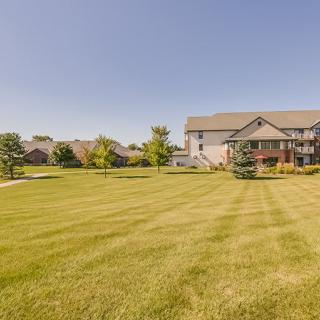
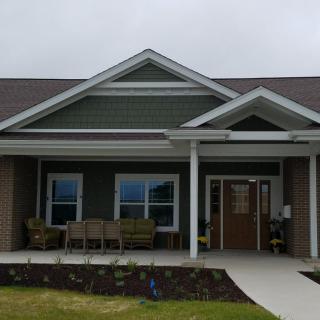
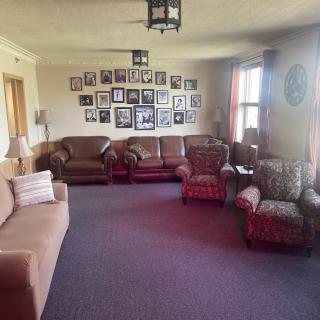
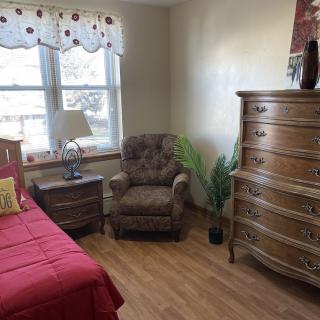
St Marys Manor in South Milwaukee, WI

Save
St Marys Manor St Marys Manor St Marys Manor St Marys Manor

St Marys Manor in South Milwaukee, WI

1313 Missouri Avenue, South Milwaukee, WI 53172

For more information about senior living options: (844) 490-3973

4.8 from 37 reviews
5 stars
32
4 stars
3
3 stars
2
2 stars
0
1 stars
0

Assisted Living Board and Care Home Memory Care

St Marys Manor Costs & Pricing

St. Mary's Manor offers competitive pricing for its various room types, positioning itself as an appealing choice for residents seeking affordability without compromising on quality. With monthly costs set at $2,900 for private, studio, and semi-private rooms, St. Mary's Manor is significantly lower than the average rates in Milwaukee County and across Wisconsin. For instance, while Milwaukee County sees private rooms averaging around $4,513 and semi-private options at approximately $4,341, St. Mary's maintains a consistent rate that undercuts these figures by a substantial margin. Even when compared to state averages of $4,339 for private rooms and $3,977 for semi-private accommodations, St. Mary's Manor provides a cost-effective solution that is both attractive and financially advantageous for potential residents and their families.

Floor plansSt Marys ManorMilwaukee CountyWisconsin
Studio$2,900$3,841$3,999
Semi-Private$2,900$4,341$3,977
Private$2,900$4,513$4,339

Overall Review of St Marys Manor

Pros

  • pro St. Mary's Manor offers a warm, home-like environment with caring staff.
  • pro Kristin and her team consistently go above and beyond for residents.
  • pro The staff are gentle, kind, and knowledgeable, providing dignified care.
  • pro Families describe the facility as a blessing where loved ones thrive.
  • pro The setting is clean and safe, with nutritious and varied meals.
  • pro The owner is approachable and actively involved in daily operations.
  • pro Residents enjoy meaningful activities, trips, and social opportunities in a smaller, intimate setting.
  • pro Staff promptly address medical needs and keep families informed.
  • pro Residents feel at home, with staff always checking on them and offering support.

Cons

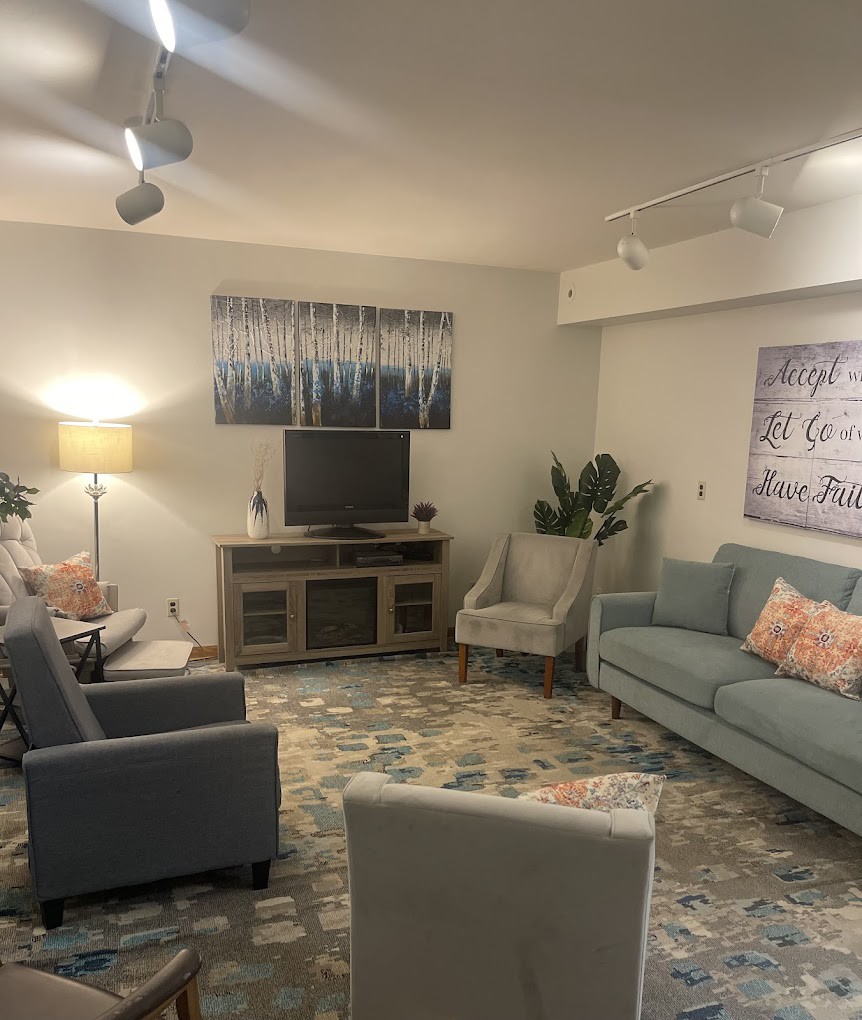
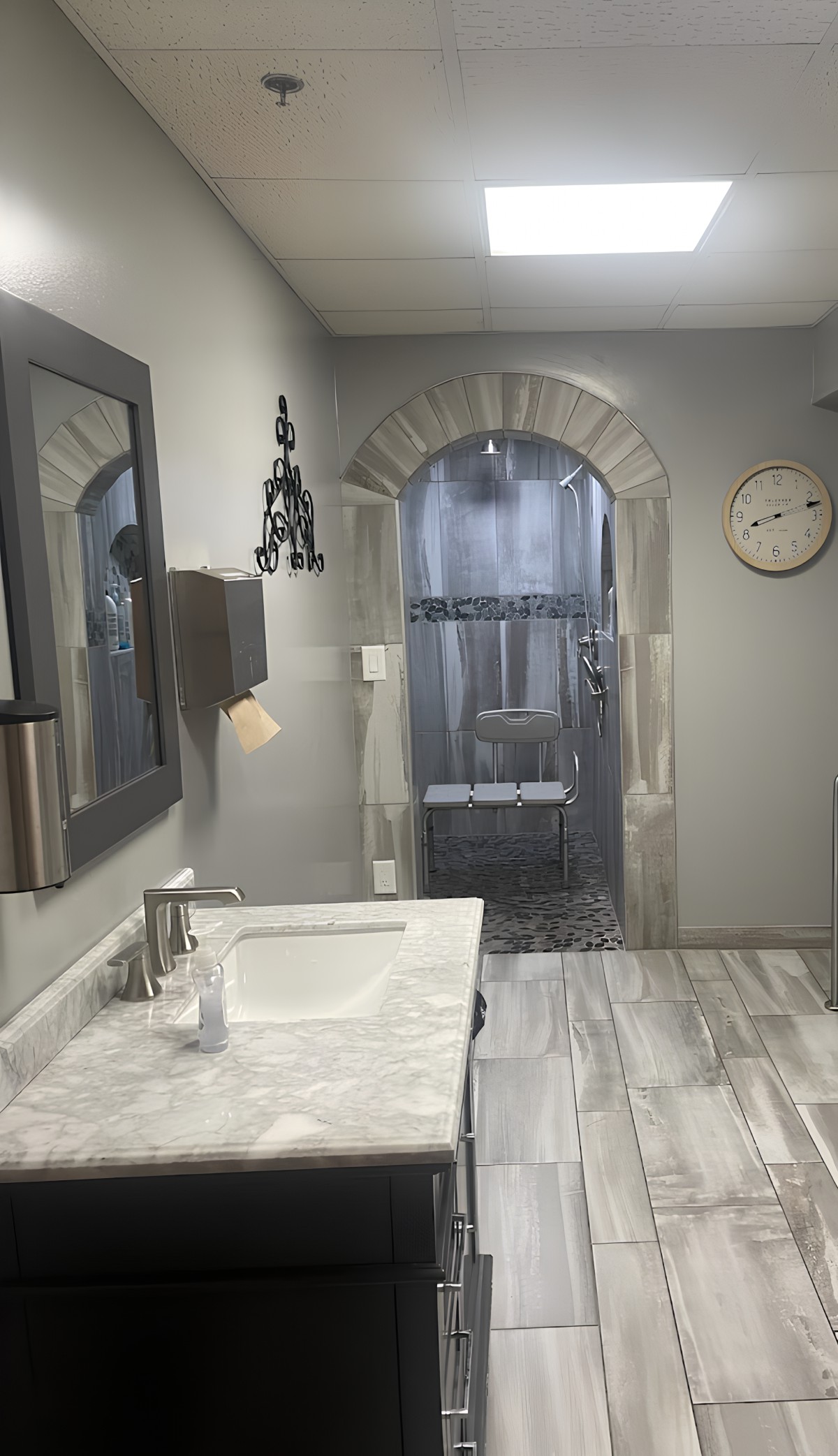
  • pro The facility is described as very small, with few windows and no private bathrooms, which would be unsuitable for someone who uses a wheelchair.
  • pro The space is not big enough to wheel a wheelchair around, indicating limited maneuverability for residents.
  • pro The lighting is very dim, giving the environment a depressing feel.
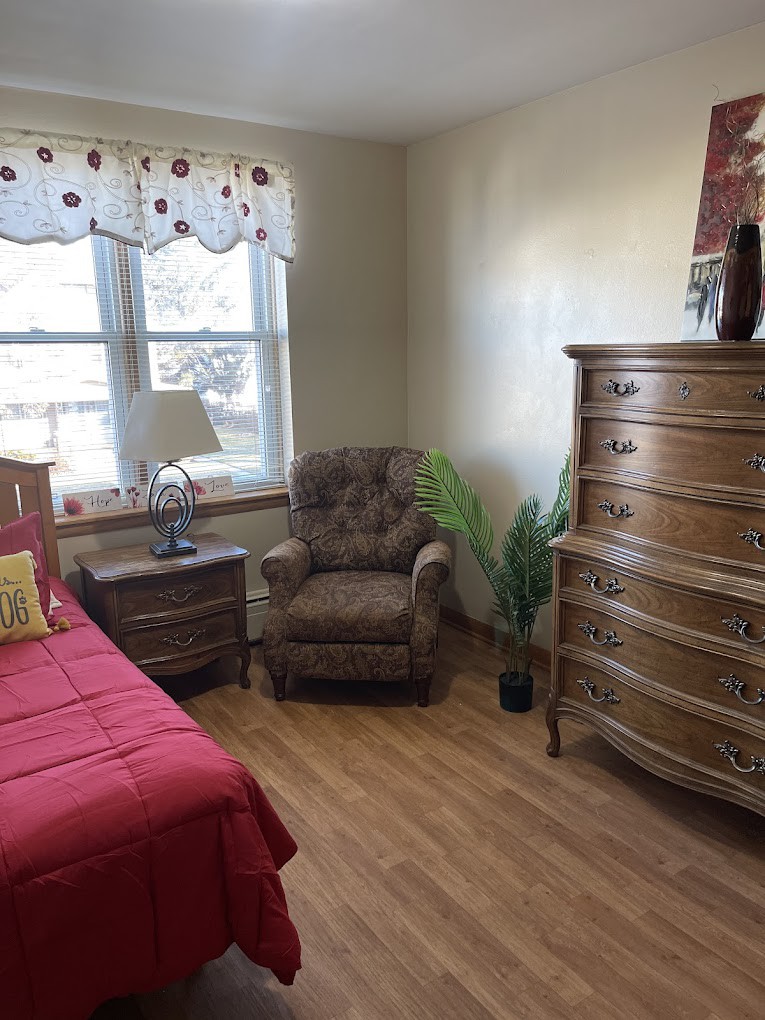
  • pro The rooms are tiny, leaving little room for residents to move about.
  • pro The overall layout is tight and residents are described as being right on top of each other, limiting comfort and privacy.

Review

St. Mary's Manor in South Milwaukee is best for families seeking a small, intimate, home-like assisted living where personalized, attentive care is the core promise. The operation stays purposefully compact, with a hands-on owner and Kristin, the owner and RN, ensuring daily oversight. Residents enjoy a warm, homelike environment, restorative meals, and accessible outings that keep life meaningful. For families navigating dementia care or end-of-life needs, the mix of continuity, compassion, and proactive monitoring translates into reliable days and genuine peace of mind. This is not a glossy campus; it's a deliberate choice for someone who values relationships and hands-on leadership.

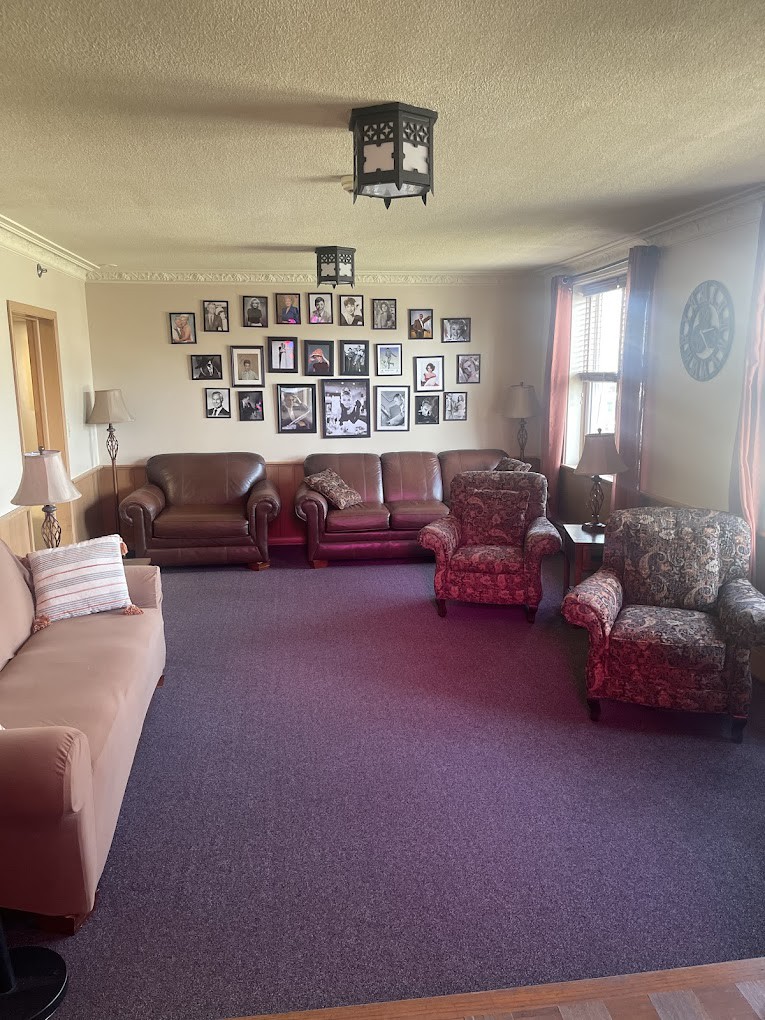
Alternatives are worth considering for anyone requiring a larger, more clinical campus or private baths in every room. Several reviews flag small rooms and older decor, and a few describe spaces that aren't ideal for wheelchair users. For residents with high medical acuity needing intensive on-site therapy or hospital-grade resources, a bigger community may deliver more convenience and equipment. St. Mary's excels at intimate, dignified care, but it isn't designed to mimic a hospital or a brand-new memory-care facility.

The strongest positives - exceptional staff warmth, consistent care, and a tight-knit community - largely offset the spatial drawbacks. Families repeatedly describe gentle, knowledgeable caregivers, and an owner who is accessible and hands-on. The care model centers on dignity and respectful attention to meals, medications, and meaningful activity. Small size fosters real relationships: residents know the same caregivers, and families get timely updates. Meals are nutritious and varied, desserts are a highlight, and in-house services and outings keep residents engaged. Taken together, the atmosphere feels safe, purposeful, and genuinely home-like.

Operational strengths push the experience forward even when space feels limited. The owner-operated structure means stable leadership and direct communication with families and physicians. For those living with memory loss, tailored oversight and proactive monitoring help prevent crises. Residents benefit from regular doctor visits, podiatry, salon services, and guided outings, all without surrendering the comfort of a homelike setting. The main trade-off remains: rooms are compact, lighting can feel dim in places, and some need for more private bath options. Still, the overall experience - personal attention, familiar faces, and a welcoming clan of residents - often overcomes these concerns.

For families weighing options, St. Mary's Manor is compelling when priority is warmth, stability, and a caregiving team that treats residents as individuals. It works well for seniors who want social connection, routine activities, and consistent supervision. Prospective residents should verify room configurations, ask about private bathroom options, and discuss care plans for memory support or hospice needs. Tour with the owner-operator, observe staff dynamics, and confirm how emergencies are handled. If space, privacy in every room, or extensive on-site medical services are essential, it's prudent to compare with larger communities that emphasize those features.

When the fit is right, St. Mary's Manor delivers a rare blend of homey warmth and professional, compassionate care. It's a place where residents are known, valued, and supported through daily routines, meals, and activities, with Kristin and the caregiving team anchoring the experience. For families prioritizing a small, emotionally anchored setting in South Milwaukee, this is one of the strongest options available. Alternatives make sense only if a resident's needs demand more space, more private bathrooms, or greater hospital-like resources than this intimate, well-run home can provide.

Features

Housing

  • 17 resident community capacity 17 resident community capacity

Types of Care

  • Assisted Living Assisted LivingAssisted living facilities provide crucial support and care for seniors who may need help with daily tasks such as medication management, bathing, and meal preparation. These communities offer a safe and comfortable environment where seniors can maintain their independence while receiving the assistance they need to thrive in their golden years.
  • Board and Care Home Board and Care HomeBoard and care homes provide a smaller, more intimate setting for seniors who require assistance with daily tasks but do not need the level of care offered by a nursing home. They offer personalized care, meals, and social activities in a homelike environment, ensuring that seniors receive individualized attention and support in their golden years.
  • Memory Care Memory CareMemory care is crucial for seniors as it provides specialized support and services for individuals with dementia or Alzheimer's disease. These programs offer a safe and secure environment where residents receive personalized care, cognitive stimulation, and help with daily activities. Memory care helps seniors maintain their independence, quality of life, and dignity while also providing peace of mind for their families.

Amenities

  • Activities off-site Activities off-siteEngaging in off-site activities is crucial for seniors to maintain social connections, stay active, and stimulate their minds. It promotes overall well-being and helps combat feelings of isolation and loneliness.
  • Activities on-site Activities on-siteActivities on-site are important for seniors because they provide opportunities for socialization, mental stimulation, physical activity, and overall well-being. Engaging in activities can help seniors stay active, maintain their independence, and improve their quality of life.
  • Cable or satellite TV Cable or satellite TVCable or satellite TV is important for seniors because it provides entertainment, news, and companionship, helping to combat loneliness and boredom. It also offers a wide range of programming options tailored to different interests and preferences.
  • Devotional services off-site Devotional services off-siteDevotional services off-site are important for seniors as they provide spiritual nourishment, social engagement, and a sense of community outside of the senior living facility. This can enhance overall well-being and help combat feelings of isolation and loneliness often experienced by older adults.
  • Devotional services on-site Devotional services on-siteDevotional services on-site provide seniors with spiritual support and a sense of community, as well as an opportunity for reflection and guidance during their senior living experience. This can promote emotional well-being and connection to others, leading to a more fulfilling and enriching lifestyle in their later years.
  • Dining room Dining roomDining rooms are important for seniors as they provide a space for socialization, connection, and nutritious meals. They offer opportunities for residents to bond over shared meals, foster a sense of community, and promote healthy eating habits. Dining rooms also ensure that seniors have access to well-balanced meals tailored to their dietary needs and preferences.
  • Fully furnished Fully furnishedFully furnished senior living communities are important for seniors because they provide convenience, comfort, and a hassle-free moving experience. Seniors can easily settle into their new living space without the stress of having to buy and move furniture. This allows them to focus on enjoying their new home and community.
  • Garden GardenGardens are important for seniors as they provide a peaceful and therapeutic environment for relaxation, physical activity, and socialization. Being in nature has been shown to reduce stress, improve mood, and promote overall well-being. Gardens also offer opportunities for seniors to engage in gardening activities, which can improve mobility, flexibility, and cognitive function. Additionally, gardens create a sense of community and connection with others who share a passion for plants and outdoor spaces.
  • Housekeeping services Housekeeping servicesHousekeeping services are important for seniors because they help maintain a clean and safe living environment, promote independence, and reduce the risk of accidents or illnesses. Additionally, having assistance with household chores can alleviate physical strain and allow seniors to focus on other aspects of their well-being.
  • Indoor common areas Indoor common areasIndoor common areas are crucial for seniors as they provide a space for socialization, recreation, and community engagement, promoting overall well-being and reducing feelings of isolation and loneliness.
  • Move-in coordination Move-in coordinationMove-in coordination is important for seniors because it helps ease the transition into their new living environment. It ensures that all logistics, such as packing, organizing movers, and setting up utilities are taken care of, allowing seniors to focus on settling in and adjusting to their new home. Having a smooth move-in process can alleviate stress and anxiety, making the transition smoother and more enjoyable for seniors.
  • Outdoor common areas Outdoor common areasOutdoor common areas are important for seniors as they provide a space for socialization, physical activity, and relaxation. Being outside in nature can improve mood and overall well-being, while also encouraging movement and engagement with others. These spaces can help combat feelings of isolation and promote a sense of community among residents.
  • Outdoor space Outdoor spaceOutdoor spaces are important for seniors as they provide opportunities for physical activity, social interaction, exposure to natural light and fresh air, and a sense of connection to nature. Having access to outdoor spaces can improve overall well-being and quality of life for older adults living in senior communities.
  • Private PrivatePrivacy is important for seniors as it allows them to maintain their independence, dignity, and sense of control over their own lives. It also gives them the space and freedom to relax, reflect, and engage in activities that bring them joy and fulfillment. Creating private spaces within senior living facilities is crucial for promoting overall well-being and quality of life.
  • Telephone TelephoneTelephones are important for seniors as they provide a lifeline for communication with loved ones, emergency services, and healthcare providers. They offer a sense of security and independence, enabling seniors to stay connected and access assistance when needed.
  • Wi-Fi/high-speed internet available Wi-Fi/high-speed internet availableWi-Fi/high-speed internet is important for seniors to stay connected with loved ones, access online resources, and participate in virtual activities to combat feelings of loneliness and isolation. It also allows them to easily manage healthcare needs, access entertainment, and engage in lifelong learning opportunities.

Transportation

  • General Mitchell International (3 miles away) General Mitchell International (3 miles away)

Care Services

  • 24-hour supervision 24-hour supervision24-hour supervision is important for seniors to ensure their safety, well-being, and access to immediate assistance in case of emergencies or health issues. This constant support provides peace of mind for both seniors and their loved ones, allowing them to age in place with dignity and security.
  • Activities of daily living assistance Activities of daily living assistanceActivities of daily living assistance are important for seniors because they provide essential support with tasks such as eating, bathing, dressing, and mobility. This assistance helps seniors maintain their independence, dignity, and overall quality of life as they age.
  • Ambulatory care Ambulatory care"Ambulatory care services provide essential medical support and treatment to seniors without requiring hospitalization, allowing them to maintain their independence and quality of life while managing chronic conditions or receiving routine medical care."
  • Assistance with bathing Assistance with bathingAssistance with bathing is crucial for seniors as it helps maintain personal hygiene, prevents infections, and ensures their overall well-being and comfort. It also provides a sense of dignity and independence for seniors who may struggle with this task on their own.
  • Assistance with dressing Assistance with dressingAssistance with dressing is important for seniors because it helps maintain their independence, promotes personal hygiene, prevents accidents and injuries, and improves overall quality of life. This service ensures that seniors can continue to dress comfortably and confidently, despite any physical limitations they may have.
  • Assistance with transfers Assistance with transfersAssistance with transfers is crucial for seniors as it helps prevent falls and injuries, maintains their independence, and ensures they can safely navigate their living environment. It also provides peace of mind for both seniors and their loved ones.
  • Coordination with health care providers Coordination with health care providersCoordination with health care providers is crucial for seniors to ensure proper medical care, medication management, and overall well-being. This collaboration helps prevent overlapping treatments, track progress more effectively, and provide comprehensive support tailored to individual needs.
  • Dementia waiver Dementia waiverDementia waivers are essential for seniors as they provide critical protections and accommodations for those experiencing cognitive decline. These waivers ensure individuals with dementia receive appropriate care, support, and resources to maintain their quality of life and dignity as they navigate the challenges of this progressive condition.
  • Diabetes diet Diabetes dietA diabetes diet is crucial for seniors as it helps manage blood sugar levels, reduce risks of complications, and improve overall health and well-being. By following a balanced and nutritious diet tailored to their specific needs, seniors can better control their diabetes and enhance their quality of life.
  • Diabetic care Diabetic careDiabetic care is crucial for seniors as they are more susceptible to developing diabetes due to aging and other health conditions. Proper management of diabetes can help prevent complications such as heart disease, vision loss, and nerve damage, improving the overall quality of life for seniors in senior living communities.
  • Hospice waiver Hospice waiverHospice waivers are important for seniors because they allow individuals to receive specialized end-of-life care and support at home or in a hospice facility. This waiver ensures that seniors can access the necessary resources and services to maintain comfort and dignity during their final days.
  • Incontinence care Incontinence careIncontinence care is essential for seniors to maintain their dignity, hygiene, and overall quality of life. By addressing incontinence issues promptly and effectively, seniors can enjoy a sense of independence and comfort in their daily activities.
  • Meal preparation and service Meal preparation and serviceMeal preparation and service are crucial for seniors as they may have limited mobility or energy to cook nutritious meals. Having access to healthy and convenient food options can ensure they are getting the proper nutrition needed to maintain their overall health and well-being.
  • Medication management Medication managementMedication management is crucial for seniors to ensure they are taking the right medications at the correct dosages and times. This helps prevent adverse drug interactions, reduces the risk of medication errors, and promotes overall health and well-being. Proactive management also allows for adjustments as needed based on changing health conditions or new prescriptions.
  • Mental wellness program Mental wellness programMental wellness programs are essential for seniors as they promote cognitive stimulation, emotional support, and social engagement. These programs help prevent isolation, depression, and cognitive decline, ultimately enhancing the overall quality of life for older adults.
  • Mild cognitive impairment Mild cognitive impairment"Mild cognitive impairment" is important for seniors because it is an early stage of cognitive decline that can potentially progress to more severe conditions such as dementia. Recognizing and addressing mild cognitive impairment can help seniors receive appropriate care and support to maintain their quality of life and independence for as long as possible.
  • Special dietary restrictions Special dietary restrictionsSpecial dietary restrictions are important for seniors because age-related changes in metabolism and health conditions can make it difficult for their bodies to process certain foods. By following a diet tailored to their specific needs, seniors can maintain their overall health and well-being, manage chronic conditions, and reduce the risk of complications such as malnutrition or food interactions with medications.
  • Specialized memory care programming Specialized memory care programmingSpecialized memory care programming is crucial for seniors with cognitive impairments such as dementia or Alzheimer's disease. These programs provide a safe and supportive environment tailored to the unique needs of individuals with memory loss, helping them maintain their independence, dignity, and quality of life.
  • Transportation arrangement (medical) Transportation arrangement (medical)Transportation arrangements for medical purposes are essential for seniors as they may have difficulty driving themselves to appointments or accessing public transportation. Having reliable and safe transportation options ensures that seniors can receive timely medical care and maintain their health and well-being.
  • Transportation to doctors appointments Transportation to doctors appointmentsTransportation to doctors' appointments is crucial for seniors as it ensures they have access to necessary medical care and support for their health needs. Without reliable transportation, seniors may struggle to attend important appointments, leading to potential delays in treatment and health complications. Providing transportation services helps seniors maintain their overall well-being and quality of life.

Dining

  • Diabetes diet Diabetes dietA diabetes diet is crucial for seniors as it helps manage blood sugar levels, reduce risks of complications, and improve overall health and well-being. By following a balanced and nutritious diet tailored to their specific needs, seniors can better control their diabetes and enhance their quality of life.
  • Meals provided Meals provided"Meals provided" are crucial for seniors in assisted living communities as it ensures they have access to nutritious, balanced meals without the stress of meal planning and preparation. This can help promote overall health and well-being for seniors who may have limited mobility or cognitive abilities.
  • Special dietary restrictions Special dietary restrictionsSpecial dietary restrictions are important for seniors because age-related changes in metabolism and health conditions can make it difficult for their bodies to process certain foods. By following a diet tailored to their specific needs, seniors can maintain their overall health and well-being, manage chronic conditions, and reduce the risk of complications such as malnutrition or food interactions with medications.

Activities

  • Activities off-site Activities off-siteEngaging in off-site activities is crucial for seniors to maintain social connections, stay active, and stimulate their minds. It promotes overall well-being and helps combat feelings of isolation and loneliness.
  • Activities on-site Activities on-siteActivities on-site are important for seniors because they provide opportunities for socialization, mental stimulation, physical activity, and overall well-being. Engaging in activities can help seniors stay active, maintain their independence, and improve their quality of life.
  • Community-sponsored activities Community-sponsored activitiesCommunity-sponsored activities are important for seniors as they provide opportunities for social interaction, mental stimulation, and physical activity. These activities can help improve overall well-being, combat loneliness and isolation, and promote a sense of belonging and purpose among older adults.
  • Devotional activities offsite Devotional activities offsiteDevotional activities offsite are important for seniors because they provide social engagement, spiritual growth, and a sense of community outside of their living environment. This can improve overall well-being, mental health, and combat feelings of isolation or loneliness.
  • Devotional activities on-site Devotional activities on-siteDevotional activities on-site provide seniors with a sense of community, spiritual fulfillment, and emotional support, promoting overall well-being and a positive sense of purpose in their lives.
  • Scheduled daily activities Scheduled daily activitiesScheduled daily activities are important for seniors because they provide structure, socialization, mental stimulation, and physical activity. Engaging in regular activities can improve overall well-being and quality of life for seniors living in a community setting.

Description

St. Marys Manor in South Milwaukee, WI is an assisted living community that offers board and care home as well as memory care services. The community provides a range of amenities to ensure the comfort and convenience of its residents, including a dining room, fully furnished accommodations, a garden, housekeeping services, move-in coordination assistance, outdoor space, telephone access, and Wi-Fi/high-speed internet.

Residents at St. Marys Manor receive comprehensive care services to meet their individual needs. The dedicated staff offers assistance with activities of daily living such as bathing, dressing, and transfers. They also coordinate with healthcare providers to ensure that residents receive the necessary medical attention. The community has a dementia waiver and a hospice waiver for those requiring specialized care. Additionally, they offer medication management, meal preparation and service according to dietary restrictions (including diabetes diet), and transportation arrangements for medical purposes or doctor's appointments.

St. Marys Manor places great emphasis on promoting mental wellness among its residents by offering a mental wellness program. They also provide specialized memory care programming for individuals with mild cognitive impairment or dementia.

Residents can enjoy delicious meals tailored to their specific dietary requirements in the community's dining area. Scheduled daily activities are available to keep residents engaged and entertained.

Located in South Milwaukee, St. Marys Manor benefits from its proximity to various amenities in the surrounding area. There are cafes, parks, pharmacies, physicians' offices, restaurants, transportation options nearby for added convenience. Additionally, there are theaters and hospitals within close proximity should any resident require entertainment or medical attention.

Overall, St. Marys Manor is a welcoming assisted living community that strives to provide personalized care in a comfortable environment while ensuring the wellbeing and happiness of its residents.

Nearby Places of Interest

Pharmacies

  • Walgreens (0.9 miles)
  • CVS Pharmacy (1.8 miles)
  • Meijer Pharmacy (2.6 miles)
  • Pick 'n Save Pharmacy (2.9 miles)
  • Walgreens (3.1 miles)
  • Walgreens (3.7 miles)
  • Walgreens (4.2 miles)

Restaurants

  • Subway (1 miles)
  • Culver's (2.4 miles)
  • Chick-Fil-A (2.5 miles)
  • McDonald's (3 miles)
  • Papa Luigi's (3.1 miles)
  • The Landing (3.2 miles)
  • Culver's (4 miles)

Parks

  • Runway Dog Exercise Area (1.7 miles)
  • South Shore Park (5.5 miles)
  • Humboldt Park (5.6 miles)
  • Paliafito Park (7.8 miles)
  • Henry Maier Festival Park (8 miles)
  • Lakeshore State Park (8.6 miles)
  • West Allis West Milwaukee Recr (8.8 miles)

Hospitals

  • Aurora St Luke's South Shore (1.8 miles)
  • Froedert Drexel Square Clinic (2.8 miles)
  • Aurora St Luke's Medical Center (6.7 miles)

Transportation

  • MKE Runway (2.6 miles)
  • Concourse D (2.8 miles)
  • Delta Ticket Counter (2.9 miles)
  • Milwaukee Mitchell International Airport (MKE) (2.9 miles)
  • Security Checkpoint (3 miles)
  • Concourse C (3 miles)
  • Milwaukee Intermodal Station (8.7 miles)

Theaters

  • South Shore Cinema Oak Creek, Wi (3.4 miles)

Physicians

  • Aurora Health Care (3.6 miles)
  • Innovative Pain Care (4.4 miles)
  • Layton Avenue Dermatolgy Clinic (5.3 miles)
  • Sports Medicine & Orthopedic Center (5.3 miles)
  • Rheumatology & Immunotherapy (6 miles)
  • Greendale Health Center (6.5 miles)
  • Aurora Health Care (9 miles)

Cafes

  • Hawthorne Coffee Roasters (4.3 miles)
  • Starbucks (5.7 miles)
  • Colectivo Coffee (6.4 miles)
  • Starbucks (7.8 miles)

Places of Worship

  • St Stephen's Catholic Church (5.2 miles)

Frequently Asked Questions

How much does it cost to live at St Marys Manor in South Milwaukee, WI?
Where is St Marys Manor?
Does St Marys Manor provide care for residents with dementia or Alzheimer's disease?
What photos are available for St Marys Manor in South Milwaukee, Wisconsin?

Nearby Communities

  • Jean-Owen Adult Family Home

    Jean-Owen Adult Family Home

    South Milwaukee, WI

    5 from 2 reviews
     

    pro Intimate setting with personalized, 24/7 supervision and comprehensive daily living support (ADL assistance, meals, medication management, transportation).

  • Marquette Manor

    Marquette Manor

    South Milwaukee, WI

    4.4 from 8 reviews
    $768 to $895 / month

    pro Well-maintained, spacious apartments with an active social life and pet-friendly policy.

  • St Johns Manor

    St Johns Manor

    South Milwaukee, WI

    3.2 from 6 reviews
     

    pro Specialized memory care with 24/7 supervision, medication management, and engaging activities in a small, personalized 27-bed setting.

  • St. John's Manor

    St. John's Manor

    South Milwaukee, WI

    4.6 from 38 reviews
    $3,100 / month

    pro Caring, involved staff and ownership; engaging activities; clean, well-kept environment; and good dining.

  • Oakwood House Of Waukesha Corp Marion

    Oakwood House Of Waukesha Corp Marion

    South Milwaukee, WI

    4 from 71 reviews
     

    pro Small, home-like community with comprehensive on-site care and amenities.

  • Sunrise Village

    Sunrise Village

    South Milwaukee, WI

    4 from 11 reviews
    $750 to $850 / month

    pro Affordable rents relative to Milwaukee County/state averages with convenient access to parks, shops, healthcare, and an active social environment.

  • Meadowmere Oak Creek

    Meadowmere Oak Creek

    Oak Creek, WI

    4.5 from 74 reviews
    $1,950 to $5,155 / month

    pro Engaging activities and caring staff.

  • Oak Park Place - Oak Creek

    Oak Park Place - Oak Creek

    Oak Creek, WI

    4.1 from 71 reviews
    $4,600 to $6,400 / month

    pro Friendly, responsive staff with engaging activities in a clean, well-kept setting.

  • Azura Memory Care of Oak Creek

    Azura Memory Care of Oak Creek

    Oak Creek, WI

    4.4 from 120 reviews
    $6,740 / month

    pro Compassionate staff in a warm, small, home-like setting with engaging activities.

Related Resources

  • alzheimer's factsIlluminating Insights About Alzheimer's Disease: Ten Crucial Realities

    Alzheimer’s disease is a progressive neurological disorder that significantly impacts memory and cognitive functions, accounting for 60-80% of dementia cases, with early diagnosis being crucial yet challenging. It involves brain changes like beta-amyloid plaques and tau tangles, influenced by genetic and lifestyle factors, and while there is no cure, symptom management and support for caregivers are essential.

  • list of drugs linked to dementiaA Thorough Discussion of Medications Potentially Linked to Dementia Risk

    Dementia, influenced by aging and certain medications, may be exacerbated by drug classes such as anticholinergics, benzodiazepines, and antipsychotics, which are associated with cognitive impairment. Regular medication reviews by healthcare professionals are crucial for older adults to manage risks and optimize cognitive health.

  • do dementia patients sleep a lotWhy Do Dementia Patients Sleep So Much? Understanding Oversleeping, Stages, and Care Approaches
    Dementia often results in disrupted sleep patterns, leading to excessive daytime sleeping due to factors like brain damage affecting circadian rhythms, medication side effects, and lack of structure in daily activities. Caregivers must monitor these changes closely, as oversleeping can increase risks such as malnutrition or dehydration, and provide necessary support and routines to enhance patient engagement and well-being.