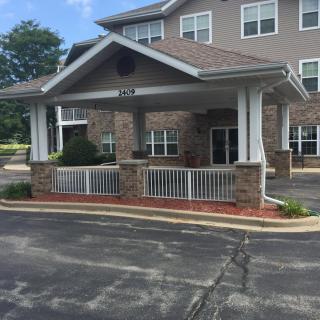
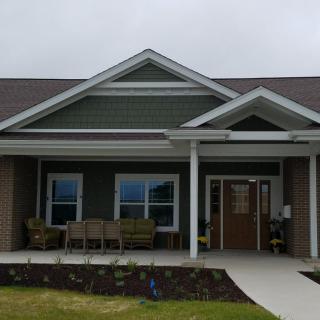
Oakwood House Of Waukesha Corp Marion

1408 Marion Avenue, South Milwaukee, WI 53172

For more information about senior living options: (844) 490-3973

4 from 71 reviews
5 stars
49
4 stars
5
3 stars
0
2 stars
2
1 stars
15

Assisted Living

Overall Review of Oakwood House Of Waukesha Corp Marion

Pros

  • pro The staff were very kind and attentive.
  • pro The facility is very clean and well maintained.
  • pro The room was spacious with ample room for visitors.
  • pro The physical therapists were knowledgeable and caring.
  • pro The food was delicious.
  • pro Mass is celebrated in a beautiful chapel every Sunday to meet spiritual needs.
  • pro The Gardens offer natural beauty out every window.
  • pro Breeana is a jack of all trades who consistently goes above and beyond.
  • pro The staff are friendly, helpful, and compassionate.
  • pro The facility is described as a gem where residents are cared for, safe, and respected.

Cons

  • pro The facility should be absolutely ashamed of the service they provide.
  • pro Patients remained in bed without being changed after 11am.
  • pro The food quality was worthy of a third-world country.
  • pro The place is understaffed and could definitely do better.
  • pro The facility's condition is worn and scuffed, with areas fixed with duct tape.
  • pro The room dresser was old, scratched, and missing knobs.
  • pro Dirty laundry was often left on the floor during visits.
  • pro People were milling about with no apparent structure.
  • pro The rehab experience over six weeks was mixed at best.
  • pro The hospice care involved not turning the patient regularly and leaving him with bed sores.
  • pro Covid-related care was lax, with staff not consistently wearing masks and the patient later contracting Covid.
  • pro Pain meds were not consistently given, leaving the patient uncomfortable and soiled.
  • pro The reviewer felt unsafe and would not trust this place with a loved one's care.
  • pro 0/10, do not recommend.
  • pro Heritage Square was described as smelling, with a broken bed and rude, unhelpful staff.

Review

Across a broad set of reviews, the Franciscan Villa family of facilities emerges as a place of strong contrasts. Some families speak warmly of compassionate staff, well-coordinated therapy, and a sense of community that makes a difficult transition feel more manageable. In these accounts, residents receive attentive care from nurses, CNAs, and therapists who are described as patient, professional, and genuinely caring. One reviewer praises the leadership and staff for being compassionate and supportive during a parent's transition into assisted living, calling out a director of marketing by name for ongoing efforts. Others highlight the availability of in-house specialists - podiatrists, dental hygienists, and eye doctors - along with regular spiritual services in a peaceful chapel. In several of these positives, the facility's cleanliness, spacious rooms for visitors, and the overall environment - often described as beautiful or serene - are repeatedly cited as factors that help families feel confident about the care their loved ones receive.

Yet alongside these affirmations, there is a persistent and troubling countercurrent. A number of reviews describe facilities that feel worn and in need of investment, with physical spaces showing signs of heavy use: scratched dressers, old furniture, walls scraped or patched with duct tape, and rooms where even basic conditions like clean laundry or a steady daily structure can be inconsistent. Some families report that, despite a team of well-meaning staff, the day-to-day realities of care - such as not changing patients in bed after late morning, delays in addressing basic hygiene, or communication gaps with families - cast a shadow over the overall experience. These reviewers emphasize that when promises of care collide with worn facilities or sporadic turnover in staff, it undermines trust and leaves families searching for alternatives.

Medical and caregiving lapses appear as particularly painful points in several stories. There are accounts of bedsore formation and insufficient turning for comfort, times when pain medication or comfort measures were not provided with the consistency families expected for hospice or end?of?life scenarios. One heartfelt review details a grandfather on hospice whose pain relief was not reliably managed, leaving him uncomfortable and soiled. Another account recounts a mother whose experience in memory care included alarming incidents - an exit attempt leading to police involvement, alarms that were insufficient, and subsequent moves to other settings after safety concerns were raised. In these narratives, concerns about infection control and Covid-19 precautions surface as well, with at least one family noting lax protocol that seemingly contributed to their relative contracting the virus.

Communication and family engagement are recurrent themes as well. Several reviews describe poor communication with relatives, insufficient updates on a loved one's condition, and a general sense that families must advocate aggressively to ensure basic needs are met. By contrast, some families recount receiving steady, proactive communication and feeling included in care decisions, praising staff who explain procedures, coordinate visits, and offer emotional support. The variance is striking: in some units, families feel like partners in care, while in others they feel pushed to the periphery, left to interpret confusing care plans or to puzzle through gaps in information.

Safety and environment concerns are another throughline. Beyond individual patient stories, reviewers point to broader impressions of safety and facility maintenance. Instances of old or damaged furnishings, broken bedframes, and "scuffed" walls create a sense that the place had not kept pace with evolving standards. Reviews also contrast experiences between facilities with strong reputations for cleanliness and warmth against those described as "not like Heritage Square," where odors and perceived mismanagement tarnish the overall impression. In several cases, reviewers mention clear improvements after transferring to a different campus or unit, suggesting that experiences may be highly location- and shift-dependent.

Amidst the mixed feedback, several staff-related anecdotes stand out. Positive shout-outs to individual caregivers, nurses, and aides who go above and beyond - such as someone who assists with car transfers, or a nurse who patiently explains daily routines - underscore the human element that often drives the best outcomes in long-term care. There are also memories of teamwork among staff, including praise for therapists who engage early and continually with residents. Conversely, other comments reflect a sense of frustration with management decisions, with some family members feeling that leadership responsiveness is inconsistent, especially in addressing safety concerns or systemic issues that affect multiple residents over time.

Taken together, the collection paints a nuanced portrait of Franciscan Villa and related facilities. For some families, the environment feels like a lifeline - staff who treat residents with warmth and respect, comprehensive therapeutic services, and a welcoming, well-kept atmosphere that supports both physical recovery and emotional well-being. For others, the experience is marred by maintenance issues, gaps in communication, safety concerns, and inconsistent quality of care that leave loved ones vulnerable and families searching for alternative placements. The recurring message is clear: outcomes appear to depend heavily on specific staff teams, shifts, and units, as well as the degree to which families are able to advocate and engage with care planning.

If you're navigating a decision for a loved one, these accounts suggest a cautious approach. Schedule visits, ask pointed questions about turning schedules, pain management, infection control, and daily routines; inquire about staffing levels during the hours most critical to your relative's needs; and seek out firsthand experiences from other families connected to the particular unit you're considering. There are genuine, heartfelt stories of care and community, but there are also credible warnings about lapses that can have serious consequences. The best path seems to be a careful, on-the-ground assessment - speaking with current residents and their families, meeting the caregiving team, and observing routines firsthand - to determine whether a given unit within the Franciscan Villa family can truly meet your loved one's needs.

Features

Housing

  • 4 resident community capacity 4 resident community capacity

Types of Care

  • Assisted Living Assisted LivingAssisted living facilities provide crucial support and care for seniors who may need help with daily tasks such as medication management, bathing, and meal preparation. These communities offer a safe and comfortable environment where seniors can maintain their independence while receiving the assistance they need to thrive in their golden years.

Amenities

  • Cable or satellite TV Cable or satellite TVCable or satellite TV is important for seniors because it provides entertainment, news, and companionship, helping to combat loneliness and boredom. It also offers a wide range of programming options tailored to different interests and preferences.
  • Dining room Dining roomDining rooms are important for seniors as they provide a space for socialization, connection, and nutritious meals. They offer opportunities for residents to bond over shared meals, foster a sense of community, and promote healthy eating habits. Dining rooms also ensure that seniors have access to well-balanced meals tailored to their dietary needs and preferences.
  • Fully furnished Fully furnishedFully furnished senior living communities are important for seniors because they provide convenience, comfort, and a hassle-free moving experience. Seniors can easily settle into their new living space without the stress of having to buy and move furniture. This allows them to focus on enjoying their new home and community.
  • Garden GardenGardens are important for seniors as they provide a peaceful and therapeutic environment for relaxation, physical activity, and socialization. Being in nature has been shown to reduce stress, improve mood, and promote overall well-being. Gardens also offer opportunities for seniors to engage in gardening activities, which can improve mobility, flexibility, and cognitive function. Additionally, gardens create a sense of community and connection with others who share a passion for plants and outdoor spaces.
  • Housekeeping services Housekeeping servicesHousekeeping services are important for seniors because they help maintain a clean and safe living environment, promote independence, and reduce the risk of accidents or illnesses. Additionally, having assistance with household chores can alleviate physical strain and allow seniors to focus on other aspects of their well-being.
  • Move-in coordination Move-in coordinationMove-in coordination is important for seniors because it helps ease the transition into their new living environment. It ensures that all logistics, such as packing, organizing movers, and setting up utilities are taken care of, allowing seniors to focus on settling in and adjusting to their new home. Having a smooth move-in process can alleviate stress and anxiety, making the transition smoother and more enjoyable for seniors.
  • Outdoor space Outdoor spaceOutdoor spaces are important for seniors as they provide opportunities for physical activity, social interaction, exposure to natural light and fresh air, and a sense of connection to nature. Having access to outdoor spaces can improve overall well-being and quality of life for older adults living in senior communities.
  • Telephone TelephoneTelephones are important for seniors as they provide a lifeline for communication with loved ones, emergency services, and healthcare providers. They offer a sense of security and independence, enabling seniors to stay connected and access assistance when needed.
  • Wi-Fi/high-speed internet available Wi-Fi/high-speed internet availableWi-Fi/high-speed internet is important for seniors to stay connected with loved ones, access online resources, and participate in virtual activities to combat feelings of loneliness and isolation. It also allows them to easily manage healthcare needs, access entertainment, and engage in lifelong learning opportunities.

Transportation

  • General Mitchell International (3 miles away) General Mitchell International (3 miles away)

Care Services

  • 24-hour supervision 24-hour supervision24-hour supervision is important for seniors to ensure their safety, well-being, and access to immediate assistance in case of emergencies or health issues. This constant support provides peace of mind for both seniors and their loved ones, allowing them to age in place with dignity and security.
  • Activities of daily living assistance Activities of daily living assistanceActivities of daily living assistance are important for seniors because they provide essential support with tasks such as eating, bathing, dressing, and mobility. This assistance helps seniors maintain their independence, dignity, and overall quality of life as they age.
  • Assistance with bathing Assistance with bathingAssistance with bathing is crucial for seniors as it helps maintain personal hygiene, prevents infections, and ensures their overall well-being and comfort. It also provides a sense of dignity and independence for seniors who may struggle with this task on their own.
  • Assistance with dressing Assistance with dressingAssistance with dressing is important for seniors because it helps maintain their independence, promotes personal hygiene, prevents accidents and injuries, and improves overall quality of life. This service ensures that seniors can continue to dress comfortably and confidently, despite any physical limitations they may have.
  • Assistance with transfers Assistance with transfersAssistance with transfers is crucial for seniors as it helps prevent falls and injuries, maintains their independence, and ensures they can safely navigate their living environment. It also provides peace of mind for both seniors and their loved ones.
  • Coordination with health care providers Coordination with health care providersCoordination with health care providers is crucial for seniors to ensure proper medical care, medication management, and overall well-being. This collaboration helps prevent overlapping treatments, track progress more effectively, and provide comprehensive support tailored to individual needs.
  • Diabetes diet Diabetes dietA diabetes diet is crucial for seniors as it helps manage blood sugar levels, reduce risks of complications, and improve overall health and well-being. By following a balanced and nutritious diet tailored to their specific needs, seniors can better control their diabetes and enhance their quality of life.
  • Meal preparation and service Meal preparation and serviceMeal preparation and service are crucial for seniors as they may have limited mobility or energy to cook nutritious meals. Having access to healthy and convenient food options can ensure they are getting the proper nutrition needed to maintain their overall health and well-being.
  • Medication management Medication managementMedication management is crucial for seniors to ensure they are taking the right medications at the correct dosages and times. This helps prevent adverse drug interactions, reduces the risk of medication errors, and promotes overall health and well-being. Proactive management also allows for adjustments as needed based on changing health conditions or new prescriptions.
  • Special dietary restrictions Special dietary restrictionsSpecial dietary restrictions are important for seniors because age-related changes in metabolism and health conditions can make it difficult for their bodies to process certain foods. By following a diet tailored to their specific needs, seniors can maintain their overall health and well-being, manage chronic conditions, and reduce the risk of complications such as malnutrition or food interactions with medications.
  • Transportation arrangement (medical) Transportation arrangement (medical)Transportation arrangements for medical purposes are essential for seniors as they may have difficulty driving themselves to appointments or accessing public transportation. Having reliable and safe transportation options ensures that seniors can receive timely medical care and maintain their health and well-being.
  • Transportation to doctors appointments Transportation to doctors appointmentsTransportation to doctors' appointments is crucial for seniors as it ensures they have access to necessary medical care and support for their health needs. Without reliable transportation, seniors may struggle to attend important appointments, leading to potential delays in treatment and health complications. Providing transportation services helps seniors maintain their overall well-being and quality of life.

Dining

  • Diabetes diet Diabetes dietA diabetes diet is crucial for seniors as it helps manage blood sugar levels, reduce risks of complications, and improve overall health and well-being. By following a balanced and nutritious diet tailored to their specific needs, seniors can better control their diabetes and enhance their quality of life.
  • Special dietary restrictions Special dietary restrictionsSpecial dietary restrictions are important for seniors because age-related changes in metabolism and health conditions can make it difficult for their bodies to process certain foods. By following a diet tailored to their specific needs, seniors can maintain their overall health and well-being, manage chronic conditions, and reduce the risk of complications such as malnutrition or food interactions with medications.

Activities

  • Community-sponsored activities Community-sponsored activitiesCommunity-sponsored activities are important for seniors as they provide opportunities for social interaction, mental stimulation, and physical activity. These activities can help improve overall well-being, combat loneliness and isolation, and promote a sense of belonging and purpose among older adults.
  • Scheduled daily activities Scheduled daily activitiesScheduled daily activities are important for seniors because they provide structure, socialization, mental stimulation, and physical activity. Engaging in regular activities can improve overall well-being and quality of life for seniors living in a community setting.

Description

Oakwood House of Waukesha Corp Marion is an assisted living community located in South Milwaukee, WI. This community provides a range of amenities and services to support the comfort and well-being of its residents.

The community offers a spacious dining room where residents can enjoy delicious meals prepared by the on-site staff. Each living space is fully furnished, providing residents with a comfortable and home-like environment. Additionally, there is a beautiful garden and outdoor space where residents can relax and enjoy nature.

Housekeeping services are provided to ensure that the community always remains clean and tidy. Wi-Fi/high-speed internet access is available throughout the premises, allowing residents to stay connected with their loved ones or browse the web at their convenience.

For those needing assistance with daily activities, highly trained staff members are available to provide support. This includes assistance with bathing, dressing, transfers, and medication management. The staff also coordinates with health care providers to ensure that each resident's specific needs are met.

Residents with special dietary restrictions will find their needs catered for at Oakwood House. Diabetes diets and special dietary restrictions are taken into consideration when preparing meals. The community also assists with meal preparation and service to ensure that all residents receive proper nutrition.

Transportation arrangements for medical appointments are made by the staff, ensuring that residents can easily access necessary healthcare services. There are also various nearby amenities such as cafes, parks, pharmacies, restaurants, places of worship, theaters, physicians' offices, and hospitals for added convenience.

To enhance socialization and engagement among residents, scheduled daily activities are provided within the community. These activities aim to promote physical fitness and mental stimulation while fostering a sense of community among the residents.

Overall, Oakwood House of Waukesha Corp Marion offers a comfortable and supportive assisted living environment where individuals can receive personalized care while enjoying a range of amenities and services tailored to meet their needs.

Nearby Places of Interest

Pharmacies

  • Walgreens (0.4 miles)
  • Meijer Pharmacy (2.3 miles)
  • Pick 'n Save Pharmacy (2.4 miles)
  • CVS Pharmacy (2.5 miles)
  • Walgreens (3.1 miles)
  • Walgreens (3.7 miles)
  • Walgreens (4.3 miles)

Restaurants

  • Subway (1.6 miles)
  • Culver's (2.2 miles)
  • Chick-Fil-A (2.2 miles)
  • McDonald's (2.5 miles)
  • Papa Luigi's (3.8 miles)
  • The Landing (3.8 miles)
  • McDonald's (3.9 miles)

Parks

  • Runway Dog Exercise Area (1.9 miles)
  • Humboldt Park (6.1 miles)
  • South Shore Park (6.2 miles)
  • Paliafito Park (8.4 miles)
  • Henry Maier Festival Park (8.6 miles)
  • West Allis West Milwaukee Recr (9.2 miles)
  • Lakeshore State Park (9.2 miles)

Hospitals

  • Aurora St Luke's South Shore (2.4 miles)
  • Froedert Drexel Square Clinic (2.6 miles)
  • Aurora St Luke's Medical Center (7.1 miles)

Physicians

  • Aurora Health Care (3 miles)
  • Innovative Pain Care (4.3 miles)
  • Layton Avenue Dermatolgy Clinic (5.6 miles)
  • Rheumatology & Immunotherapy (5.6 miles)
  • Sports Medicine & Orthopedic Center (5.6 miles)
  • Greendale Health Center (6.5 miles)
  • Aurora Health Care (8.5 miles)

Transportation

  • MKE Runway (3.1 miles)
  • Concourse D (3.3 miles)
  • Delta Ticket Counter (3.4 miles)
  • Milwaukee Mitchell International Airport (MKE) (3.4 miles)
  • Security Checkpoint (3.5 miles)
  • Concourse C (3.5 miles)
  • Milwaukee Intermodal Station (9.3 miles)

Theaters

  • South Shore Cinema Oak Creek, Wi (3.3 miles)

Places of Worship

  • St Stephen's Catholic Church (4.7 miles)

Cafes

  • Hawthorne Coffee Roasters (4.8 miles)
  • Starbucks (6.3 miles)
  • Colectivo Coffee (7 miles)
  • Starbucks (8 miles)

Frequently Asked Questions

Where is Oakwood House Of Waukesha Corp Marion?

Nearby Communities

Related Resources

  • does medicaid pay for assisted livingUnderstanding Medicaid Coverage for Assisted Living: A Comprehensive Guide

    The guide outlines the complexities of Medicaid coverage for assisted living, highlighting significant state-to-state variations, limited coverage often restricted to personal care services, and the existence of specialized waivers for certain needs like memory care. It advises families to consult local Medicaid offices for options while emphasizing the importance of understanding state-specific regulations and facility policies.

  • does medicaid pay for assisted livingHow and When Medicaid May Cover Assisted Living Costs

    Medicaid coverage for assisted living varies by state and is primarily available to low-income individuals, with eligibility dependent on strict income and asset limits. Some states offer HCBS waivers for specific services in assisted living, but families must generally cover room and board costs, and should verify facility acceptance of Medicaid while considering potential waiting lists.

  • assisted living waiver programA Detailed Exploration of Assisted Living Medicaid Waivers Across the United States

    Medicaid waivers for assisted living services provide vital support for seniors and individuals with disabilities in need of long-term care, with varying state-specific eligibility criteria and benefits. These waivers cover personal care and case management but often do not fully cover room and board, leading to waiting lists for many applicants.