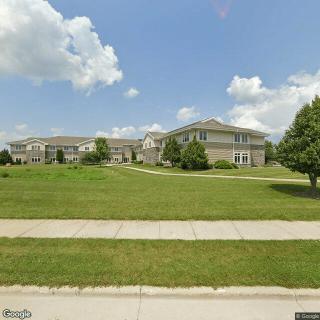
Woodland Manor in Sheboygan Falls, WI

Save
Woodland Manor

Woodland Manor in Sheboygan Falls, WI

Information last verified:

851 Fond Du Lac Avenue, Sheboygan Falls, WI 53085

For more information about senior living options: (844) 490-3973

3.8 from 12 reviews
5 stars
4
4 stars
5
3 stars
1
2 stars
1
1 stars
1

Overall Review of Woodland Manor

Pros

  • pro The residents are great.
  • pro The staff are wonderful and caring.

Cons

  • pro The facility is in need of many updates.
  • pro The staff is not very attentive to residents.
  • pro There is personal drama.

Review

Woodland Manor in Sheboygan Falls is best suited for seniors who want a warm, neighborly atmosphere and caregivers who show genuine care, even if the building itself feels dated. The residents form a clearly tight-knit community, and that social fabric often sustains everyday life with meaning, shared conversations, familiar routines, and a sense of belonging that reduces isolation. The caregiving staff, when at their best, offer kindness and personal warmth that can translate into meaningful daily interactions. This combination makes Woodland Manor a comforting option for those who value human connection over pristine interiors. It is less ideal for families seeking a showroom level of modernization or for residents who require near-constant proactive supervision and highly polished, drama-free operations, day in and day out.

By contrast, families weighing alternatives should note a few red flags that can tip the balance toward other communities. The most significant concern is the building’s aging look and the need for updates, which can affect comfort and accessibility and may signal longer-term upkeep questions. Staffing consistency also emerges as a tension point: while some caregivers are described as wonderful and attentive, other reports hint at moments when residents’ needs aren’t met promptly. Pair that with occasional staff drama that can interrupt routines, and the care experience becomes less predictable. For seniors who require highly structured daily schedules, quick responsiveness, or specialized care, these gaps may outweigh the warmth of the resident community.

Still, the positives are not incidental. The positive themes center on the people: residents who bring energy to the halls and staff who display genuine compassion. That human environment can translate into steady social engagement, help with daily activities, and a sense of being seen, elements that matter as much as any amenity list. When care staff are aligned and attentive, that care can feel personalized and reliable, even if the physical surroundings lag behind newer competitors. In short, Woodland Manor delivers heartfelt interaction and companionship, which can compensate for cosmetic and procedural shortcomings for a segment of seniors.

Those considering Woodland Manor should temper expectations accordingly. The facility’s need for updates suggests potential safety and comfort compromises, from outdated décor to possible accessibility challenges. The mixed impressions about staff attentiveness mean that prospective residents and families should prioritize observation during a tour: watch how staff respond to questions, how quickly assistance is offered, and whether the daily rhythm feels smooth or reactive. Ask about staffing levels, turnover, and the facility’s plan for renovations. The presence of personal drama among staff, if confirmed, is a red flag that deserves direct clarification with the administrator as this can undermine consistency of care and resident peace of mind.

Practical decision-making should anchor on personal priorities. If the essential goal is companionship and a sincere, person-centered approach to care, Woodland Manor offers a credible match. Families should also consider the pace of needed improvements: if renovations are promptly scheduled and communicated, the risk profile improves. For residents who require rigorous monitoring, frequent assistance, or specialty care, such as memory support or post-acute needs, this community may demand compromises that could add stress over time. A disciplined due diligence process, including in-person visits, conversations with multiple staff members, and a candid discussion about long-term care planning, will illuminate whether Woodland Manor aligns with long-term expectations.

Ultimately, Woodland Manor presents a community with heart and authenticity, grounded in interpersonal warmth despite an aging physical plant. The best fit is a resident who prizes social connectivity and considerate caregivers and can live with less-than-spotless interiors and occasional service gaps. Families with a stronger emphasis on modern amenities, consistent proactive care, or tightly managed environments should likely explore other options before committing. The decisive move rests on the weight given to community feel versus facility polish, and on the ability to tolerate the realities of a facility that cares deeply but is still catching up on updates and standardization. A well-timed visit and clear expectations will determine whether this setting becomes a comfortable home or a stepping stone to a more contemporary community.

Features

Housing

  • 16 resident community capacity 16 resident community capacity

Types of Care

  • Assisted Living Assisted LivingAssisted living facilities provide crucial support and care for seniors who may need help with daily tasks such as medication management, bathing, and meal preparation. These communities offer a safe and comfortable environment where seniors can maintain their independence while receiving the assistance they need to thrive in their golden years.
  • Board and Care Home Board and Care HomeBoard and care homes provide a smaller, more intimate setting for seniors who require assistance with daily tasks but do not need the level of care offered by a nursing home. They offer personalized care, meals, and social activities in a homelike environment, ensuring that seniors receive individualized attention and support in their golden years.
  • Memory Care Memory CareMemory care is crucial for seniors as it provides specialized support and services for individuals with dementia or Alzheimer's disease. These programs offer a safe and secure environment where residents receive personalized care, cognitive stimulation, and help with daily activities. Memory care helps seniors maintain their independence, quality of life, and dignity while also providing peace of mind for their families.

Amenities

  • Activities on-site Activities on-siteActivities on-site are important for seniors because they provide opportunities for socialization, mental stimulation, physical activity, and overall well-being. Engaging in activities can help seniors stay active, maintain their independence, and improve their quality of life.
  • Cable or satellite TV Cable or satellite TVCable or satellite TV is important for seniors because it provides entertainment, news, and companionship, helping to combat loneliness and boredom. It also offers a wide range of programming options tailored to different interests and preferences.
  • Devotional services off-site Devotional services off-siteDevotional services off-site are important for seniors as they provide spiritual nourishment, social engagement, and a sense of community outside of the senior living facility. This can enhance overall well-being and help combat feelings of isolation and loneliness often experienced by older adults.
  • Dining room Dining roomDining rooms are important for seniors as they provide a space for socialization, connection, and nutritious meals. They offer opportunities for residents to bond over shared meals, foster a sense of community, and promote healthy eating habits. Dining rooms also ensure that seniors have access to well-balanced meals tailored to their dietary needs and preferences.
  • Fully furnished Fully furnishedFully furnished senior living communities are important for seniors because they provide convenience, comfort, and a hassle-free moving experience. Seniors can easily settle into their new living space without the stress of having to buy and move furniture. This allows them to focus on enjoying their new home and community.
  • Garden GardenGardens are important for seniors as they provide a peaceful and therapeutic environment for relaxation, physical activity, and socialization. Being in nature has been shown to reduce stress, improve mood, and promote overall well-being. Gardens also offer opportunities for seniors to engage in gardening activities, which can improve mobility, flexibility, and cognitive function. Additionally, gardens create a sense of community and connection with others who share a passion for plants and outdoor spaces.
  • Housekeeping services Housekeeping servicesHousekeeping services are important for seniors because they help maintain a clean and safe living environment, promote independence, and reduce the risk of accidents or illnesses. Additionally, having assistance with household chores can alleviate physical strain and allow seniors to focus on other aspects of their well-being.
  • Indoor common areas Indoor common areasIndoor common areas are crucial for seniors as they provide a space for socialization, recreation, and community engagement, promoting overall well-being and reducing feelings of isolation and loneliness.
  • Move-in coordination Move-in coordinationMove-in coordination is important for seniors because it helps ease the transition into their new living environment. It ensures that all logistics, such as packing, organizing movers, and setting up utilities are taken care of, allowing seniors to focus on settling in and adjusting to their new home. Having a smooth move-in process can alleviate stress and anxiety, making the transition smoother and more enjoyable for seniors.
  • Outdoor space Outdoor spaceOutdoor spaces are important for seniors as they provide opportunities for physical activity, social interaction, exposure to natural light and fresh air, and a sense of connection to nature. Having access to outdoor spaces can improve overall well-being and quality of life for older adults living in senior communities.
  • Telephone TelephoneTelephones are important for seniors as they provide a lifeline for communication with loved ones, emergency services, and healthcare providers. They offer a sense of security and independence, enabling seniors to stay connected and access assistance when needed.
  • Wi-Fi/high-speed internet available Wi-Fi/high-speed internet availableWi-Fi/high-speed internet is important for seniors to stay connected with loved ones, access online resources, and participate in virtual activities to combat feelings of loneliness and isolation. It also allows them to easily manage healthcare needs, access entertainment, and engage in lifelong learning opportunities.

Care Services

  • 24-hour supervision 24-hour supervision24-hour supervision is important for seniors to ensure their safety, well-being, and access to immediate assistance in case of emergencies or health issues. This constant support provides peace of mind for both seniors and their loved ones, allowing them to age in place with dignity and security.
  • Activities of daily living assistance Activities of daily living assistanceActivities of daily living assistance are important for seniors because they provide essential support with tasks such as eating, bathing, dressing, and mobility. This assistance helps seniors maintain their independence, dignity, and overall quality of life as they age.
  • Ambulatory care Ambulatory care"Ambulatory care services provide essential medical support and treatment to seniors without requiring hospitalization, allowing them to maintain their independence and quality of life while managing chronic conditions or receiving routine medical care."
  • Assistance with bathing Assistance with bathingAssistance with bathing is crucial for seniors as it helps maintain personal hygiene, prevents infections, and ensures their overall well-being and comfort. It also provides a sense of dignity and independence for seniors who may struggle with this task on their own.
  • Assistance with dressing Assistance with dressingAssistance with dressing is important for seniors because it helps maintain their independence, promotes personal hygiene, prevents accidents and injuries, and improves overall quality of life. This service ensures that seniors can continue to dress comfortably and confidently, despite any physical limitations they may have.
  • Assistance with transfers Assistance with transfersAssistance with transfers is crucial for seniors as it helps prevent falls and injuries, maintains their independence, and ensures they can safely navigate their living environment. It also provides peace of mind for both seniors and their loved ones.
  • Coordination with health care providers Coordination with health care providersCoordination with health care providers is crucial for seniors to ensure proper medical care, medication management, and overall well-being. This collaboration helps prevent overlapping treatments, track progress more effectively, and provide comprehensive support tailored to individual needs.
  • Dementia waiver Dementia waiverDementia waivers are essential for seniors as they provide critical protections and accommodations for those experiencing cognitive decline. These waivers ensure individuals with dementia receive appropriate care, support, and resources to maintain their quality of life and dignity as they navigate the challenges of this progressive condition.
  • Diabetes diet Diabetes dietA diabetes diet is crucial for seniors as it helps manage blood sugar levels, reduce risks of complications, and improve overall health and well-being. By following a balanced and nutritious diet tailored to their specific needs, seniors can better control their diabetes and enhance their quality of life.
  • Diabetic care Diabetic careDiabetic care is crucial for seniors as they are more susceptible to developing diabetes due to aging and other health conditions. Proper management of diabetes can help prevent complications such as heart disease, vision loss, and nerve damage, improving the overall quality of life for seniors in senior living communities.
  • Hospice waiver Hospice waiverHospice waivers are important for seniors because they allow individuals to receive specialized end-of-life care and support at home or in a hospice facility. This waiver ensures that seniors can access the necessary resources and services to maintain comfort and dignity during their final days.
  • Meal preparation and service Meal preparation and serviceMeal preparation and service are crucial for seniors as they may have limited mobility or energy to cook nutritious meals. Having access to healthy and convenient food options can ensure they are getting the proper nutrition needed to maintain their overall health and well-being.
  • Medication management Medication managementMedication management is crucial for seniors to ensure they are taking the right medications at the correct dosages and times. This helps prevent adverse drug interactions, reduces the risk of medication errors, and promotes overall health and well-being. Proactive management also allows for adjustments as needed based on changing health conditions or new prescriptions.
  • Mental wellness program Mental wellness programMental wellness programs are essential for seniors as they promote cognitive stimulation, emotional support, and social engagement. These programs help prevent isolation, depression, and cognitive decline, ultimately enhancing the overall quality of life for older adults.
  • Mild cognitive impairment Mild cognitive impairment"Mild cognitive impairment" is important for seniors because it is an early stage of cognitive decline that can potentially progress to more severe conditions such as dementia. Recognizing and addressing mild cognitive impairment can help seniors receive appropriate care and support to maintain their quality of life and independence for as long as possible.
  • Special dietary restrictions Special dietary restrictionsSpecial dietary restrictions are important for seniors because age-related changes in metabolism and health conditions can make it difficult for their bodies to process certain foods. By following a diet tailored to their specific needs, seniors can maintain their overall health and well-being, manage chronic conditions, and reduce the risk of complications such as malnutrition or food interactions with medications.
  • Specialized memory care programming Specialized memory care programmingSpecialized memory care programming is crucial for seniors with cognitive impairments such as dementia or Alzheimer's disease. These programs provide a safe and supportive environment tailored to the unique needs of individuals with memory loss, helping them maintain their independence, dignity, and quality of life.
  • Transportation arrangement (medical) Transportation arrangement (medical)Transportation arrangements for medical purposes are essential for seniors as they may have difficulty driving themselves to appointments or accessing public transportation. Having reliable and safe transportation options ensures that seniors can receive timely medical care and maintain their health and well-being.
  • Transportation to doctors appointments Transportation to doctors appointmentsTransportation to doctors' appointments is crucial for seniors as it ensures they have access to necessary medical care and support for their health needs. Without reliable transportation, seniors may struggle to attend important appointments, leading to potential delays in treatment and health complications. Providing transportation services helps seniors maintain their overall well-being and quality of life.

Dining

  • Diabetes diet Diabetes dietA diabetes diet is crucial for seniors as it helps manage blood sugar levels, reduce risks of complications, and improve overall health and well-being. By following a balanced and nutritious diet tailored to their specific needs, seniors can better control their diabetes and enhance their quality of life.
  • Meals provided Meals provided"Meals provided" are crucial for seniors in assisted living communities as it ensures they have access to nutritious, balanced meals without the stress of meal planning and preparation. This can help promote overall health and well-being for seniors who may have limited mobility or cognitive abilities.
  • Special dietary restrictions Special dietary restrictionsSpecial dietary restrictions are important for seniors because age-related changes in metabolism and health conditions can make it difficult for their bodies to process certain foods. By following a diet tailored to their specific needs, seniors can maintain their overall health and well-being, manage chronic conditions, and reduce the risk of complications such as malnutrition or food interactions with medications.

Activities

  • Activities on-site Activities on-siteActivities on-site are important for seniors because they provide opportunities for socialization, mental stimulation, physical activity, and overall well-being. Engaging in activities can help seniors stay active, maintain their independence, and improve their quality of life.
  • Community-sponsored activities Community-sponsored activitiesCommunity-sponsored activities are important for seniors as they provide opportunities for social interaction, mental stimulation, and physical activity. These activities can help improve overall well-being, combat loneliness and isolation, and promote a sense of belonging and purpose among older adults.
  • Devotional activities offsite Devotional activities offsiteDevotional activities offsite are important for seniors because they provide social engagement, spiritual growth, and a sense of community outside of their living environment. This can improve overall well-being, mental health, and combat feelings of isolation or loneliness.
  • Scheduled daily activities Scheduled daily activitiesScheduled daily activities are important for seniors because they provide structure, socialization, mental stimulation, and physical activity. Engaging in regular activities can improve overall well-being and quality of life for seniors living in a community setting.

Description

Woodland Manor in Sheboygan Falls, WI is an exceptional assisted living community that offers both Board and Care Home and Memory Care services. Our dedicated staff provides personalized care and assistance to meet the unique needs of each resident.

At Woodland Manor, we offer a range of amenities to ensure a comfortable and enjoyable living experience. Residents can relax and unwind in our indoor common areas or spend time in our beautifully landscaped garden. We provide cable or satellite TV, Wi-Fi/high-speed internet, and telephone services to keep residents connected with their loved ones. Our housekeeping services ensure that the environment is always clean and well-maintained.

We understand the importance of nutritious meals, which is why we provide delicious meals to residents. We accommodate special dietary restrictions to ensure that everyone's preferences are met. In addition to dining services, we also offer assistance with meal preparation and service.

Our community promotes an active lifestyle through a variety of activities. Residents can participate in community-sponsored activities or join devotional activities offsite if desired. We have scheduled daily activities to keep residents engaged and entertained.

Woodland Manor is conveniently located near various amenities such as cafes, parks, pharmacies, physicians' offices, restaurants, places of worship, theaters, and hospitals. This ensures that residents have easy access to everything they need for their comfort and convenience.

We prioritize the health and well-being of our residents by offering comprehensive care services. This includes assistance with activities of daily living, ambulatory care, bathing/dressing support, transfers aid, coordination with healthcare providers, medication management, specialized memory care programming for those with dementia or mild cognitive impairment, mental wellness programs, diabetes care including diabetic diet management as well as hospice waiver if needed. We also arrange transportation for medical appointments.

At Woodland Manor in Sheboygan Falls, WI we strive to create a warm and welcoming environment where residents can feel at home while receiving the support they need. Contact us today to learn more about how we can provide exceptional care for you or your loved one.

Nearby Places of Interest

This part of Sheboygan Falls, Wisconsin offers convenient access to a variety of essential services and amenities for senior living. With several reputable physicians and hospitals nearby, residents can easily access quality healthcare when needed. There are also numerous cafes, restaurants, and pharmacies in close proximity, providing convenience for daily needs. Additionally, the area features beautiful parks for leisurely walks and outdoor activities, as well as places of worship for spiritual nourishment. Overall, this neighborhood provides a well-rounded community with easy access to essential services, making it a suitable choice for senior living.

Physicians

  • Sheboygan falls Aurora Clinic (0.3 miles)
  • Dermatology Associates of Wisconsin, S.C. (0.6 miles)
  • Sheboygan Oral & Maxillofacial (3.4 miles)
  • Wisconsin Prosthetics (3.7 miles)
  • Taylor Dr Business Cnt (3.7 miles)
  • Coulis Cardiology (3.7 miles)
  • Prevea Sheboygan Women's Care (3.8 miles)

Cafes

  • Daydream Cafe (0.4 miles)
  • Starbucks (3.2 miles)
  • Panera Bread (3.5 miles)
  • Biggby Coffee 628 (4.1 miles)

Restaurants

  • The Wisconsin Room (1.7 miles)
  • Horse & Plow (1.7 miles)
  • Kohler Co. (1.8 miles)
  • Blackwolf Run (2 miles)
  • Blind Horse Restaurant and Winery (2.4 miles)
  • Holidays Pub (2.6 miles)
  • Tom's Drive In (2.6 miles)

Pharmacies

  • Associate Pharmacy (1.8 miles)
  • CVS Pharmacy (2.6 miles)
  • Walmart Pharmacy (3.1 miles)
  • Shopko Sheboygan Pharmacy (3.4 miles)
  • Meijer Pharmacy (3.5 miles)
  • Glander Prescription Plus (3.5 miles)
  • Glander pharmacy (3.5 miles)

Hospitals

  • University of Wisconsin Hospital and Clinics Authority (2.9 miles)
  • Lifeline at St Nicholas Hospital (3.9 miles)
  • Saint Nicholas Hospital ICU Waiting Room (3.9 miles)
  • HSHS St. Nicholas Hospital (3.9 miles)
  • Walk-In Clinic (4.1 miles)
  • Steven J. Pizer MD (4.2 miles)

Theaters

  • Sheboygan Cinema Sheboygan, Wi (3.6 miles)

Places of Worship

  • Crossroads Community Church (3.6 miles)
  • Good Shepherd Lutheran Church (3.9 miles)
  • Praise Fellowship (4.3 miles)
  • Wels (4.4 miles)
  • Saint Dominic Catholic Church (4.7 miles)

Parks

  • Veterans Park (3.9 miles)
  • Sheboygan Dog Park (4.5 miles)
  • Kiwanis Park (4.6 miles)
  • Franklin Park (4.6 miles)
  • Sheridan Park (4.7 miles)

Frequently Asked Questions

Where is Woodland Manor?
Does Woodland Manor provide care for residents with dementia or Alzheimer's disease?

Nearby Communities

  • Haven Drive Assisted Living

    Haven Drive Assisted Living

    Sheboygan Falls, WI

    3 from 12 reviews
     

    pro Comprehensive memory care and skilled nursing with 24/7 supervision, plus furnished, kitchenette-equipped apartments and restaurant-style dining.

  • Prairie Crossing - A Pine Haven Community

    Prairie Crossing - A Pine Haven Community

    Sheboygan Falls, WI


    pro Diabetic care with on-site activities and meals provided.

  • Prairie Crossing A Pine Haven Community

    Prairie Crossing A Pine Haven Community

    Sheboygan Falls, WI


    pro Fully furnished apartments with restaurant-style dining and 24/7 care

  • Giddings Avenue Campus

    Giddings Avenue Campus

    Sheboygan Falls, WI

    3.6 from 17 reviews
     

    pro Diverse care options with affordable value, a well-kept facility, friendly staff, and attractive amenities.

  • Gideons Way

    Gideons Way

    Sheboygan Falls, WI


    pro 24/7 supervision with ADL support, meals, and medical transportation.

  • Vista Care Falls Road - AFH

    Vista Care Falls Road - AFH

    Sheboygan Falls, WI

    3.3 from 26 reviews
     

    pro Intimate, small-capacity community with comprehensive care and strong access to nearby healthcare and amenities.

  • The Shores of Sheboygan Assisted Living

    The Shores of Sheboygan Assisted Living

    Sheboygan, WI

    4.2 from 29 reviews
    $4,000 to $5,000 / month

    pro Homey atmosphere with friendly, caring staff and good meals.

  • Golden Harbor

    Golden Harbor

    Sheboygan, WI

    3.4 from 19 reviews
     

    pro Caring, attentive staff in a clean, welcoming, family-like atmosphere.

  • Terrace Place

    Terrace Place

    Sheboygan, WI

    4.6 from 35 reviews
    $1,916 to $3,831 / month

    pro Spacious apartments, friendly staff, and a strong sense of community with on-site activities and easy transportation.

Related Resources

  • va nursing homeComprehensive Guide to VA Nursing Homes: A Crucial Long-Term Care Resource for Veterans

    VA nursing homes, or Community Living Centers (CLCs), offer tailored long-term care for veterans, featuring medical attention and rehabilitation in a supportive environment. The guide covers facility types, eligibility criteria, financial assistance options, quality of care standards, and alternatives to full-time nursing home placement.

  • in home dementia care costsEstimating the Expenses of At-Home Dementia Care: A Detailed Exploration

    At-home dementia care expenses vary widely based on care levels, location, and caregiver expertise, with monthly costs for home health aides exceeding $4,500 and specialized care potentially surpassing $100,000 annually. While families favor in-home care for its comfort and personalized attention, they must consider financial planning and the challenges of caregiver fatigue.

  • end stage dementiaComprehensive Insights on the Late Stages of Dementia: What to Expect and How to Provide Care

    The article discusses the late stages of dementia, detailing the progression from mild to severe impairment and highlighting key characteristics such as profound cognitive decline and dependency in daily activities. It emphasizes care strategies focused on comfort and dignity, the importance of advance directives, and the emotional support needed for family caregivers facing this challenging journey.