For more information about senior living options: (866) 208-4318
3.9 from 29 reviews
5 stars
18
4 stars
2
3 stars
3
2 stars
1
1 stars
5
Overall Review of Pride TLC
common8 reviews mention this
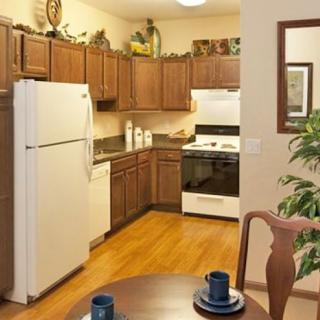
Clean, attractive rooms
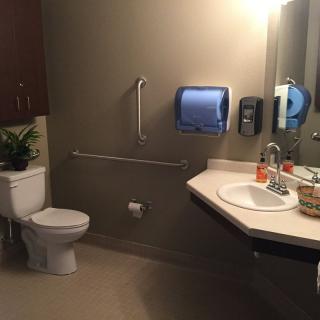
Residents describe a very clean, well-kept facility with spacious private bathrooms.
Multiple residents and family members call out cleanliness and a generally attractive facility. Several also mention room size and private bathrooms as a notable comfort during stays. A few reviews add that the experience still differed depending on care consistency, even when the building looked well maintained.
common13 reviews mention this
Caring staff and responsive support
Residents and families repeatedly describe staff who are attentive and responsive to day-to-day needs.
Across rehab and longer stays, reviewers commonly describe staff as friendly, professional, and responsive to personal needs. Many mention nurses monitoring and managing concerns like pain, along with CNAs providing help when needed. Some reviewers also criticize staff training and responsiveness, but the theme remains that daily support is a central part of the experience here.
differentiator5 reviews mention this
Rehab therapy helps progress
For rehab stays, residents describe meaningful progress through PT and OT.
Several reviews recommend the facility specifically for physical therapy and occupational therapy after surgery. Reviewers describe therapy schedules and therapists who explain treatment plans, and some connect the care to noticeable improvements during recovery. One reviewer also notes therapy is provided daily with one exception, reinforcing that scheduling is part of how people judge the stay.
common4 reviews mention this
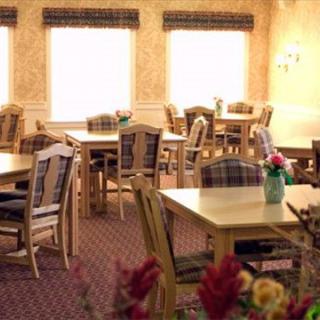
Meals stand out, sometimes divide
Food is frequently praised as good, though a few reviews report it as mediocre.
Some residents and families directly call out the meals as excellent or good, including during post-op stays. At the same time, at least one reviewer says the food was only mediocre during a longer stay. The overall dining impression in reviews is therefore positive for many, but not uniformly so.
caveat8 reviews mention this
Management and communication concerns
Some reviews raise serious concerns about management decisions and communication with families.
A recurring negative thread involves how management handles follow-ups, responsiveness, and family communication. Several reviews describe problems such as rude or poorly handled interactions, inadequate attention to medical issues, and difficulties contacting loved ones by phone. Other critiques also point to inconsistent patient care outcomes, even when the facility itself is described as attractive.
common2 reviews mention this
Activities add structure
Residents describe structured activities, including day-to-day options and therapy schedules.
Reviewers mention that there are activity options that can keep residents engaged, including events like live music and a car show. Another review ties daily structure to therapy timing, noting that Sunday is the only exception to daily therapy. Together, these comments suggest activities and scheduling are part of what families look for during rehab and longer stays.
How we summarize
Counts show how many written reviews mention each theme; a review can touch several themes, and only frequently mentioned themes are displayed.
Features
Housing
60 resident community capacity
Types of Care
Assisted Living
Memory Care
Respite Care
Skilled Nursing Facility
Amenities
Air-conditioning
Beauty salon
Cable or satellite TV
Computer center
Fitness room
Fully furnished
Gaming room
Garden
Housekeeping services
Kitchenette
Move-in coordination
Outdoor space
Private bathrooms
Restaurant-style dining
Small library
Telephone
Wellness center
Wi-Fi/high-speed internet available
Transportation
Central Wisconsin (9 miles away)
Community operated transportation
Transportation arrangement
Transportation arrangement (non-medical)
Care Services
24-hour call system
24-hour supervision
Activities of daily living assistance
Assistance with bathing
Assistance with dressing
Assistance with transfers
Diabetes diet
Meal preparation and service
Medication management
Mental wellness program
Mild cognitive impairment
Special dietary restrictions
Specialized memory care programming
Dining
Diabetes diet
Special dietary restrictions
Activities
Community-sponsored activities
Concierge services
Fitness programs
Planned day trips
Resident-run activities
Scheduled daily activities
Nearby Places of Interest
Hospitals
St Clares Ministry Health Weston (0.1 miles)
Ascension St Clare's Hospital (0.2 miles)
St Clares Hospital Of Weston (0.3 miles)
Ministry Health Care (0.3 miles)
North Central Health Care (3.7 miles)
Physicians
Ministry Medical Group (0.3 miles)
Marshfield Clinic Weston Center (0.3 miles)
Weston Oral-Maxillofacial Surgery (0.9 miles)
Marshfield Clinic (0.9 miles)
Derma Renew Medical Spa - Terry L Bucan Do (1.7 miles)
The features offered by Pride TLC are designed to create a supportive and nurturing environment for residents with dementia or Alzheimer's disease, addressing their unique needs. Assistance with dressing and bathing ensures that residents maintain personal hygiene and dignity while promoting a sense of normalcy. Medication management is crucial in preventing potential health complications, ensuring that medications are taken correctly and on time. Meal preparation and service cater to dietary requirements, enhancing nutrition and encouraging social interactions during mealtimes. Activities of daily living assistance helps residents maintain their independence in familiar tasks, fostering confidence. With assistance during transfers, safety is prioritized, reducing the risk of falls or injuries. The 24-hour supervision provides peace of mind for families while allowing residents the freedom to explore their surroundings safely. The mental wellness program focuses on cognitive engagement and emotional support tailored to individual needs, while specialized memory care programming addresses the specific challenges faced by those with mild cognitive impairment, creating personalized strategies that enhance their quality of life. Together, these features promote not only physical well-being but also emotional stability and social connection among residents facing memory-related challenges.
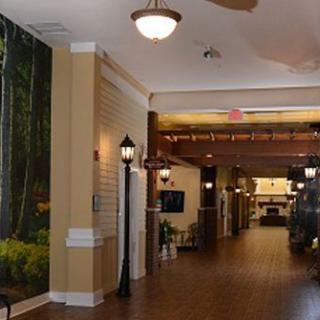
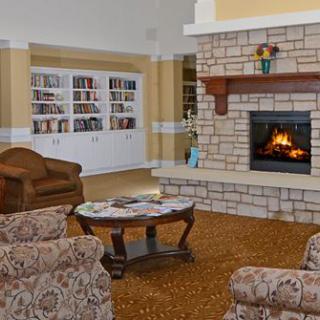
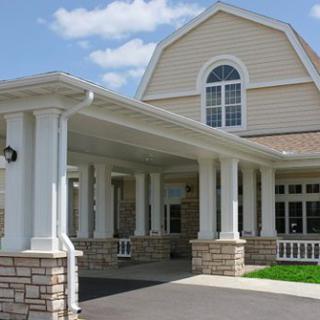
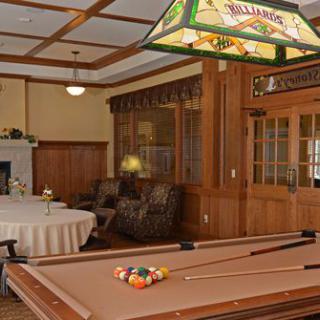
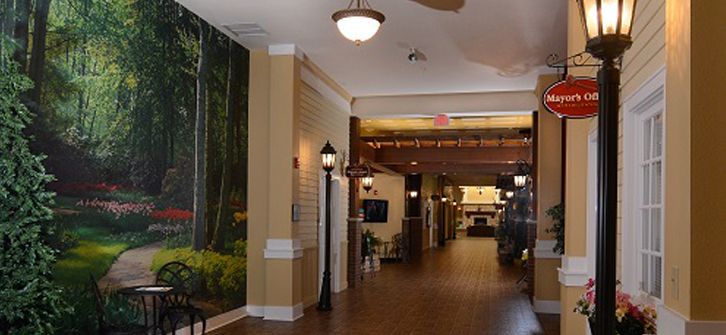
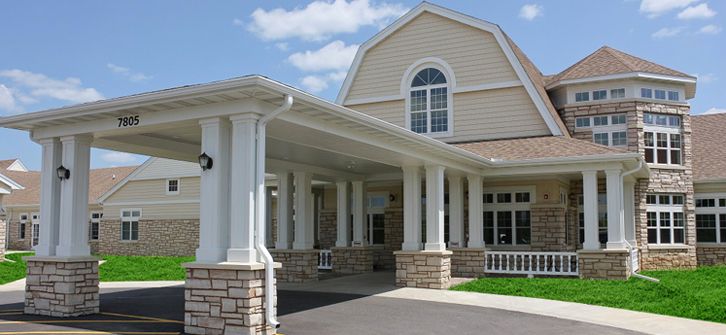
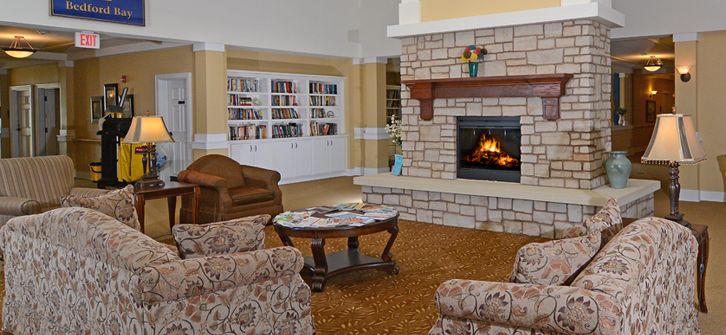
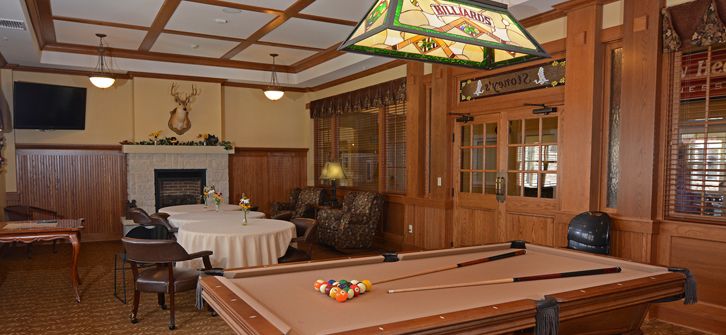
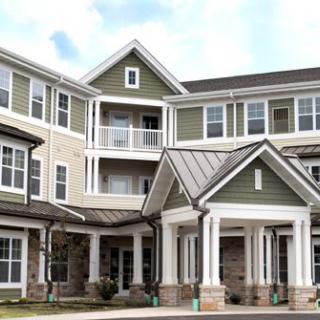
Pride TLC on seniors.fyi includes 5 photos including images showing interior, architecture, billiards, hallway, lights, decor, game room, wood paneling, and more.
Nearby Communities
Spring Crest Residence
Weston, WI
Fully furnished apartments with comprehensive care and dining.
Primrose Memory Care Of Wausau
Weston, WI
Specialized memory care with on-site activities and diabetic care.
Birchwood Highlands Apartments 55+
Weston, WI
4.6 from 105 reviews
$1,020 to $1,221 / month
Happy, well-adjusted residents with active programs and responsive staff; spacious, well-maintained units.
Tender Reflections Weston
Weston, WI
3 from 34 reviews
$4,800 / month
Caring staff in a welcoming, well-maintained setting with dedicated memory care programming.
Renaissance Assisted Living-Weston
Weston, WI
3.5 from 13 reviews
$2,400 to $3,500 / month
Compassionate leadership and dedicated staff focused on resident safety and appropriate care levels.
Assisted Living in Weston and Wausau
Schofield, WI
3.8 from 19 reviews
Attentive staff, clean environment, and a diverse activity calendar with good dining.
Care Partners Weston
Weston, WI
3.8 from 8 reviews
Clean, modern, home-like setting with friendly, engaged staff.
The Pines Apartments
Weston, WI
5 from 1 review
$785 to $969 / month
Very affordable rents; good access to nearby amenities.
Wausau Primrose
Wausau, WI
4.8 from 5 reviews
Welcoming community with spacious, well-appointed housing and engaging on-site amenities.
Transitioning from assisted living to memory care is driven by an individual's cognitive decline and specific needs, requiring careful evaluation of indicators like increased confusion and wandering. The process involves consulting medical professionals, researching suitable communities, considering financial and legal aspects, and ensuring effective communication for personalized care plans.
The article differentiates between assisted living and memory care, explaining that assisted living supports seniors with daily activities while promoting independence, whereas memory care provides specialized services for individuals with dementia, focusing on secure environments and cognitive support. It also addresses staff training, safety considerations, costs, family involvement, and transition strategies for families navigating these care options.
The article outlines effective communication strategies for interacting with loved ones with dementia, highlighting the need for empathy, patience, and understanding while emphasizing supportive approaches like using simple language, minimizing distractions, and focusing on feelings over facts to maintain dignity and foster connection. It also suggests seeking professional guidance when needed as communication challenges evolve.
Chandelier, Billiards, Game Room, and Wood Paneling
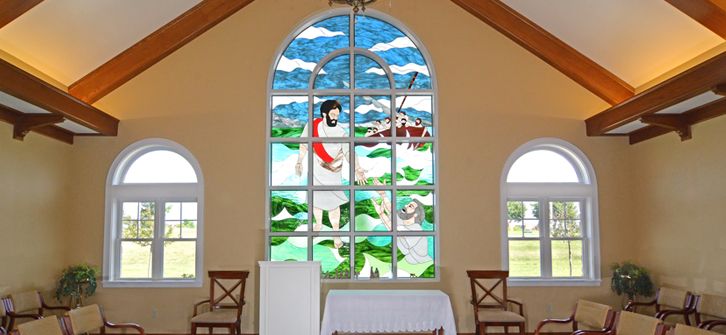
Church
Get PricingAsk A QuestionSchedule A TourContact Senior Advisor
By clicking submit, you agree to our Partner's Terms of Use. You
also consent to receive calls and texts, which may be autodialed, from our Partner. Your consent is not a condition to
using our Partner's service. Please visit our Partner's Privacy Policy for information about their privacy practices.

 60 resident community capacity
 Assisted Living
 Memory Care
 Respite Care
 Skilled Nursing Facility
 Air-conditioning
 Beauty salon
 Cable or satellite TV
 Computer center
 Fitness room
 Fully furnished
 Gaming room
 Garden
 Housekeeping services
 Kitchenette
 Move-in coordination
 Outdoor space
 Private bathrooms
 Restaurant-style dining
 Small library
 Telephone
 Wellness center
 Wi-Fi/high-speed internet available
 Central Wisconsin (9 miles away)
 Community operated transportation
 24-hour call system
 Activities of daily living assistance
 Assistance with bathing
 Assistance with dressing
 Assistance with transfers
 Diabetes diet
 Medication management
 Mental wellness program
 Special dietary restrictions
 Concierge services
 Planned day trips
 Fully furnished apartments with comprehensive care and dining.
 When to Transition from Assisted Living to Memory Care: Key Indicators, Steps, and Finding the Right Community
 Understanding the Distinctions: Assisted Living and Memory Care Explained
 How to Communicate with a Loved One Living with Dementia: 10 Supportive Strategies